
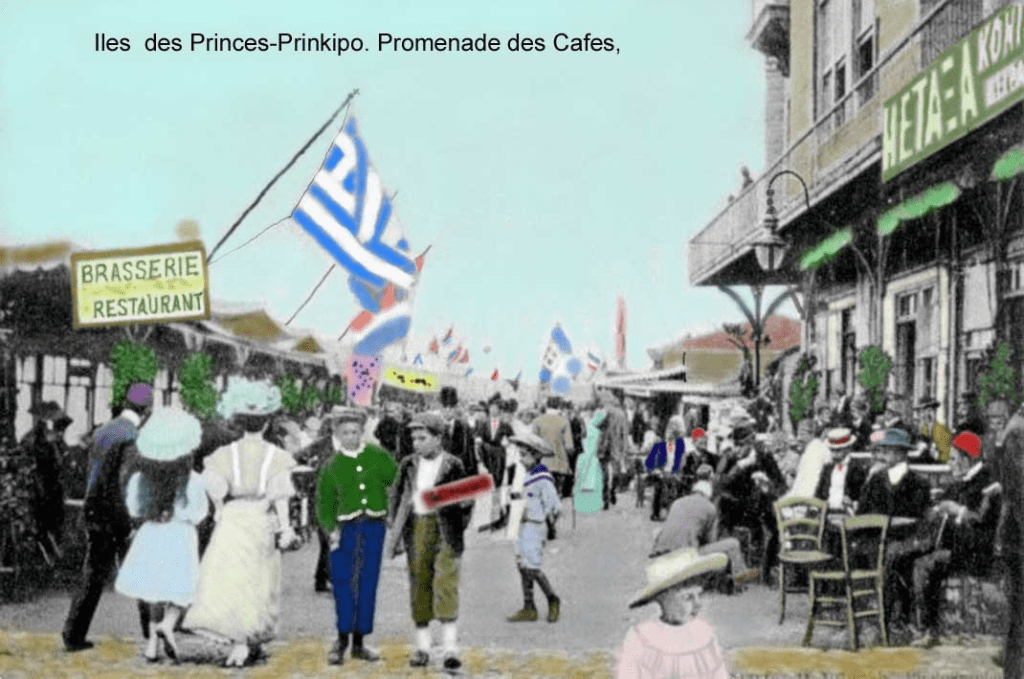
A photo from old Istanbul where Rums were the inhabitants of Prinkipo (today’s Büyükada) living in peace with Turks as well as other minorities in early 1900s
The word ‘Rum’ comes from Roman and Romans were the real inhabitants of İstanbul because when Fatih Sultan Mehmet conquered the city of Constantinople, the Rum community had been living in this city for the last 1500 years. ‘Rums’ integrated into the fabric of the society similar to other minorities and lived side by side the Turks for centuries.
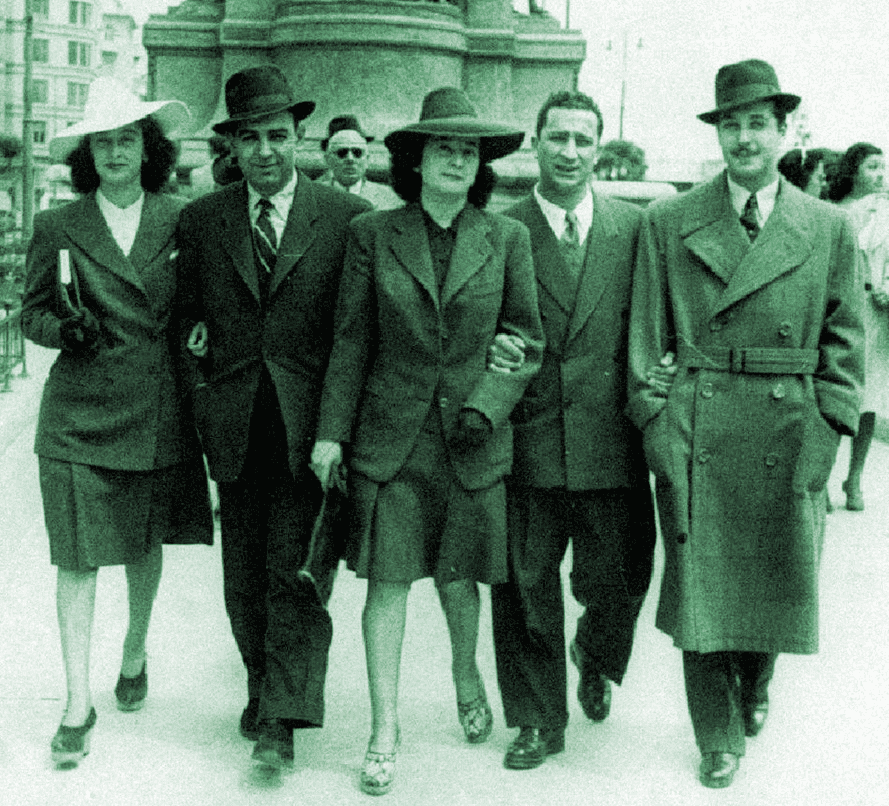
A group of young Rums in İstanbul in 1940s
After the declaration of the Turkish Republic, most Rums have had to leave due to the exchange between Greece and Turkey but an estimate of 200.000 ‘Rums’ stayed and most of them were living in İstanbul. Rums contributed to the rich cultural life in İstanbul. My parents recalled the times where Rums were a fabric of İstanbul society. These were the times when Rums had restaurants and taverns in İstanbul leading the life of entertainment with their music, dance, cuisine and their gusto. My parents recalled their joy, warmth and hospitality along with the beauty and elegance of their women, humour and kindness of their men.
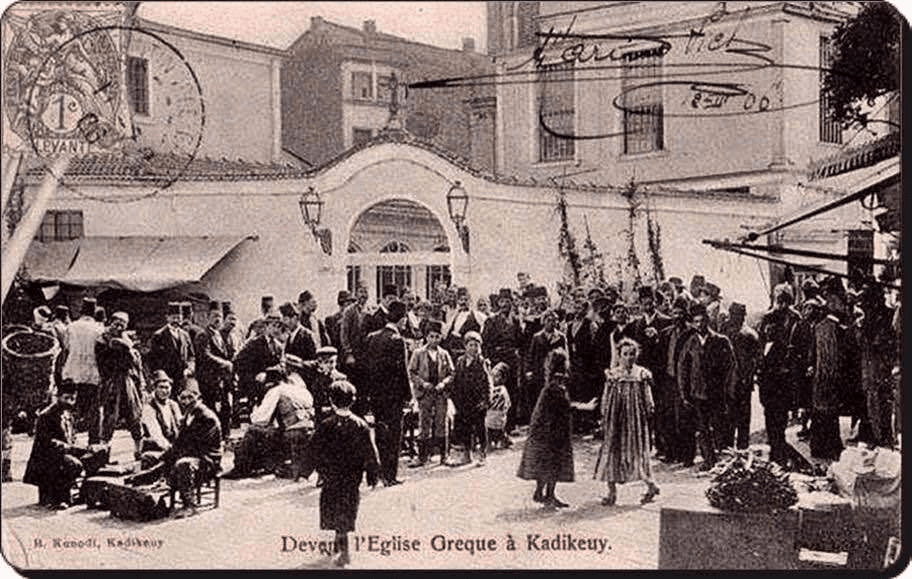
A group of young Rum kids in front of Ayia Efimia Greek Orthodox Church in Kadıköy
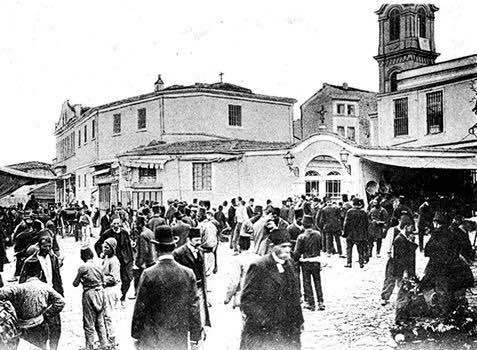
A glimpse at multiethnic İstanbul – in front of Ayia Efimia Greek Orthodox Church in Kadıköy, early 1900s
But history took a tragic turn on September 6-7, 1955 in İstanbul when a large group of ultra-nationalist rioters stormed the houses and shops of minorities most of which were Rums. The pogrom that took place in those dark days changed the course of history for ‘Rums’ and the rest of İstanbul. Devastated and heart broken, most Rums started leaving their hometown İstanbul throughout the years. From a community of 67500, there were only 7000 Rums left in İstanbul by 1978. Today, there is less than 2000 Rums in İstanbul.
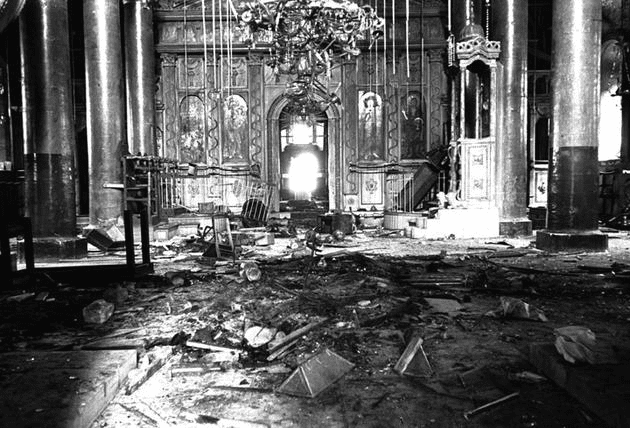
The devastation caused by the rioters. This is one of the many examples of the devastation that took place in September 6-7, 1955 in İstanbul
My parents used to tell me about the massive transformation İstanbul has gone after Rums left. İstanbul had lost its elegance, humour and joy. It had simply lost its soul.
Today, the only remaining traces of Rums are old photos, broken love songs, houses in old neighbourhoods and churches scattered all around the city with their opulent interiors.
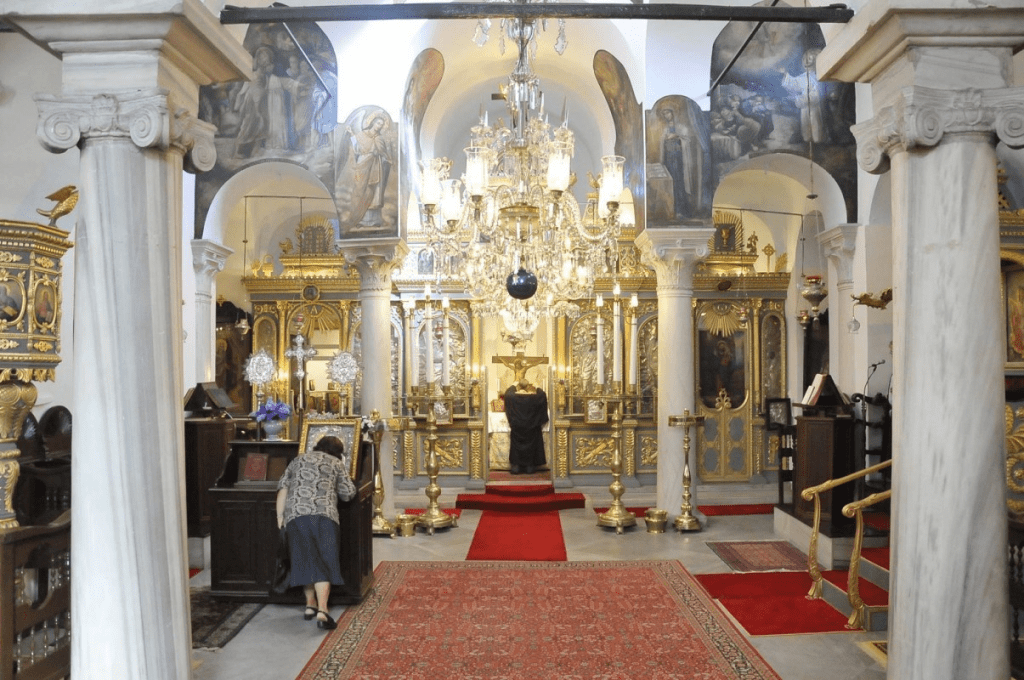
Interior of the Ayia Efimia Church in Kadıköy today which has a very small Rum community
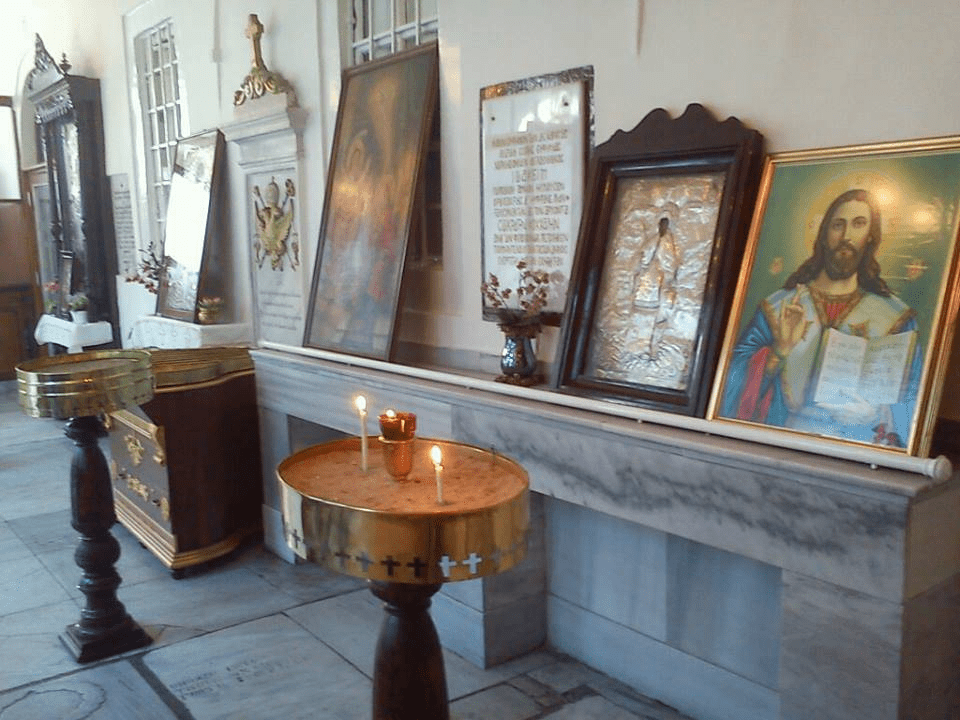
A detail from Ayia Efimia Church in Kadıköy which is open to visit
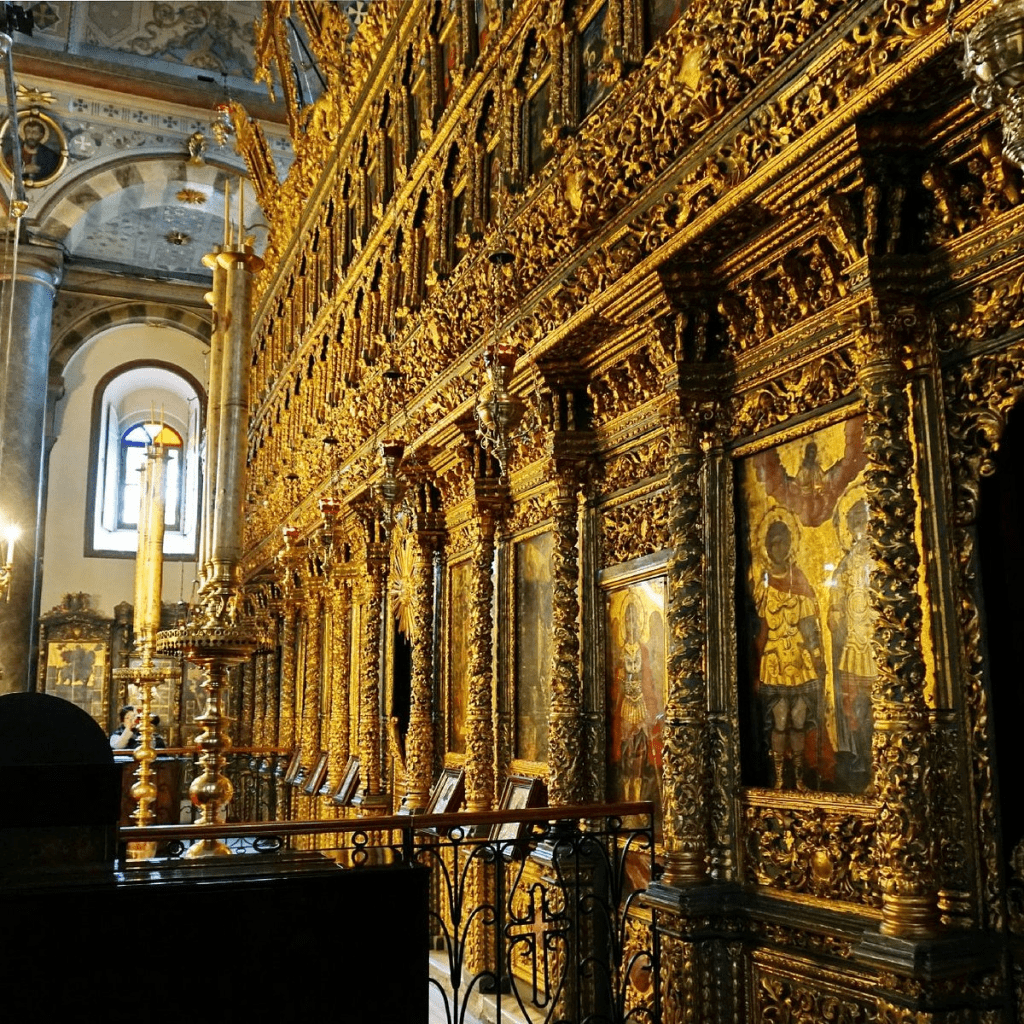
Golden Opulence of Greek Orthodox Patriarchate in İstanbul
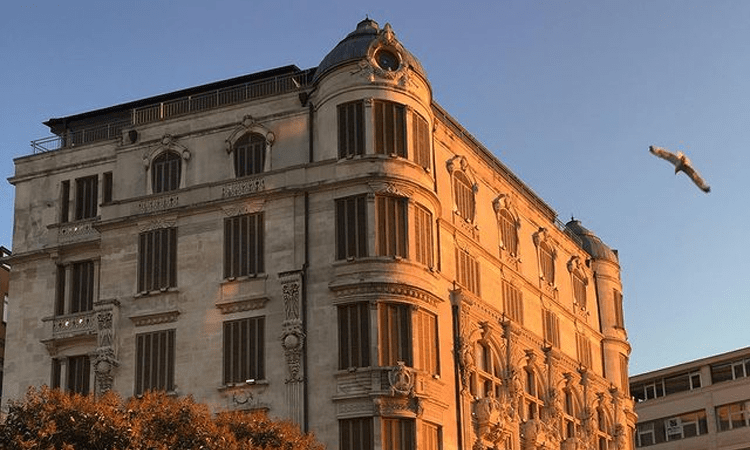
The beautiful Frej Apartment in Şişhane is a reminder of Rums in İstanbul as it had been built by Rum architects Konstandinos Kiryakidis and Aleksandros D.Yenidünya
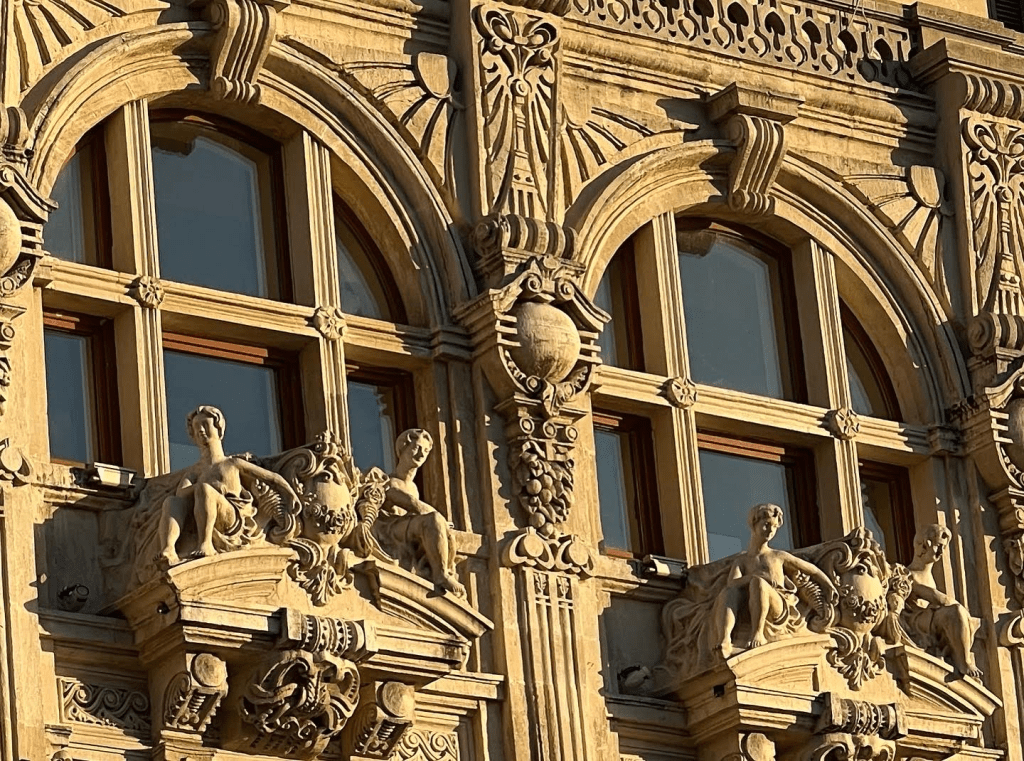
Detail from the Frej Apartment
Kalispera in Yeniköy is the last real ‘Rum Tavern’ run by one of the few Rums in İstanbul.
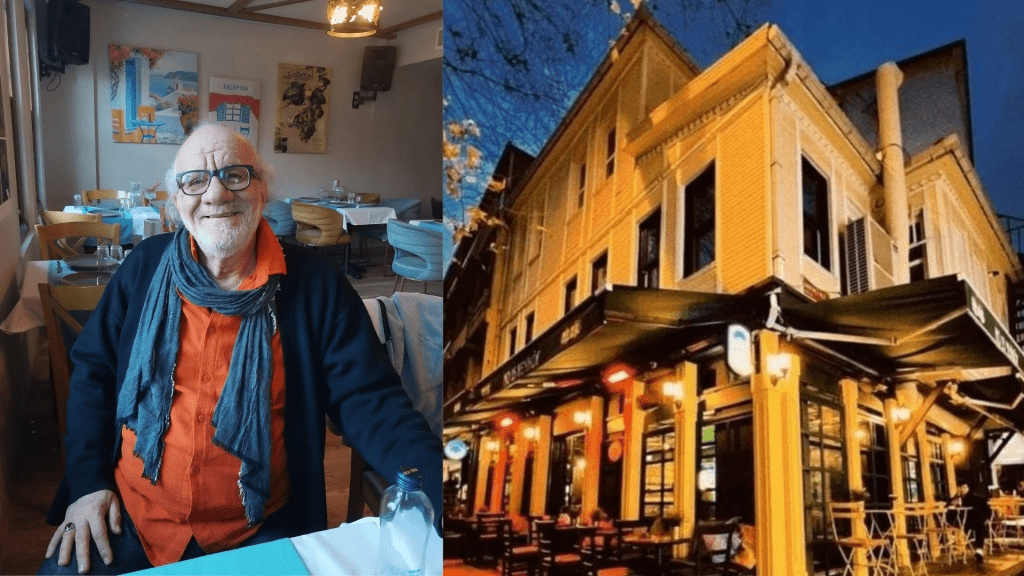
Vasilis Karabelis and his tavern in Yeniköy
Rums in İstanbul had a festival named Baklahorani or Tatalva Carnaval with a heritage of 600 years that continued till 1940. The Carnaval used to take place 40 days before Easter.
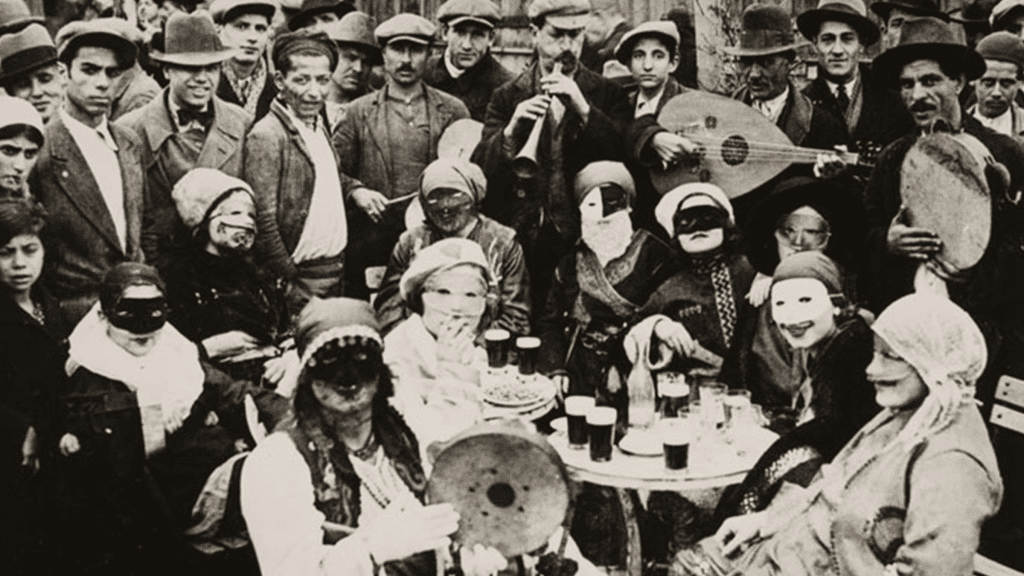
An old photo from the Baklahorani Festival in İstanbul
A group of Turkish intellectuals revived this tradition in 2010 and the Carnaval is held on the same day each year in Kurtuluş (which is the name of Tatalva today). I had been to the festival years ago which had revived the spirit of old İstanbul where Rums and Turks enjoyed life together. Here is a short documentary which talks about this revived tradition in current İstanbul. It is a pity that the video does not have English sub-titles. Have a glimpse at the video although you can not understand the language to have a feel the spirit!
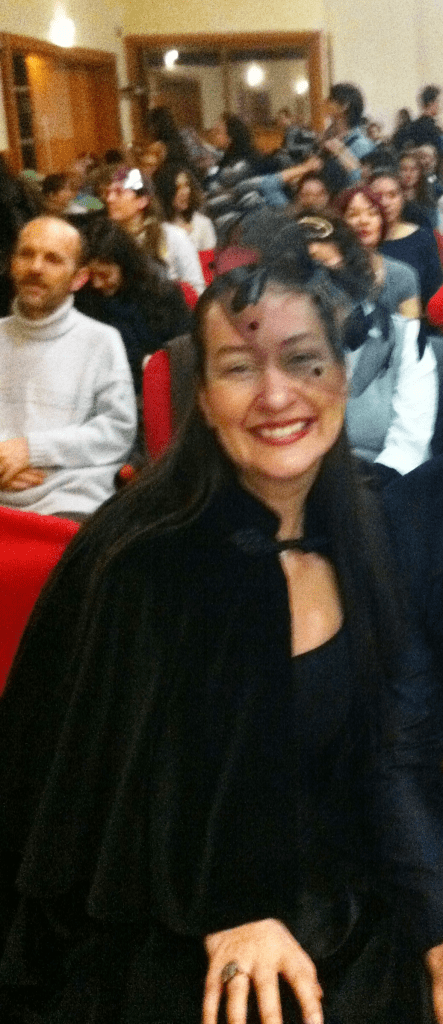
I was at this beautiful Carnaval which revived the tradition of Baklahorani in 2014 which started as a parade on the streets of Tatalva (current Kurtuluş) and ended at the Conference Hall of the neighbourhood where we celebrated the spirit of the day with dance and music
This following song was once a reminder of our common fate as Turks and Rums in İstanbul. This common fate is pure nostalgia now. This Greek song had been adopted by Turks throughout time but this version of the song is bilingual which reflects the real spirit of old İstanbul before Rums abandoned not only the city itself but us İstanbulites.
Today, there is a small community of Rums on the Princes’ Islands. Witness their stories in this video. This special documentary was taken from greekreporter.com.
After the economic crisis in Greece, there is a growing number of Rums seeking to return to their homeland İstanbul from Greece. One of them was Kostas Sinodinos who was born in Yeşilköy in İstanbul and returned after 40 years in 2017.
He says to Journalist Zeynep Bilgehan: ‘after the plane landed, I felt like I had not departed for a day and I found my childhood.’
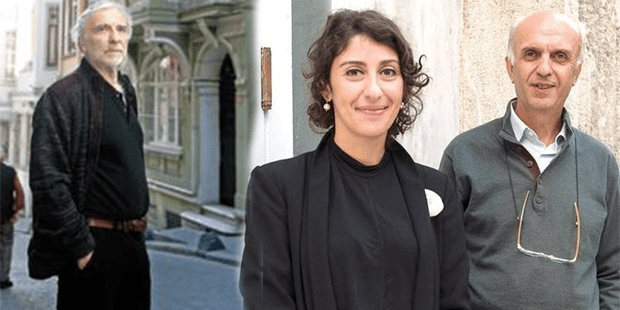
Kostas Sinodinos back in his hometown after 40 years
I want to end with a final sentiment that I miss the Rums I never had a chance to meet and the spirit they had brought to İstanbul and I feel a deep grief that this spirit will never be revived!