
One can forgive but one should never forget.’
Marjane Satrapi
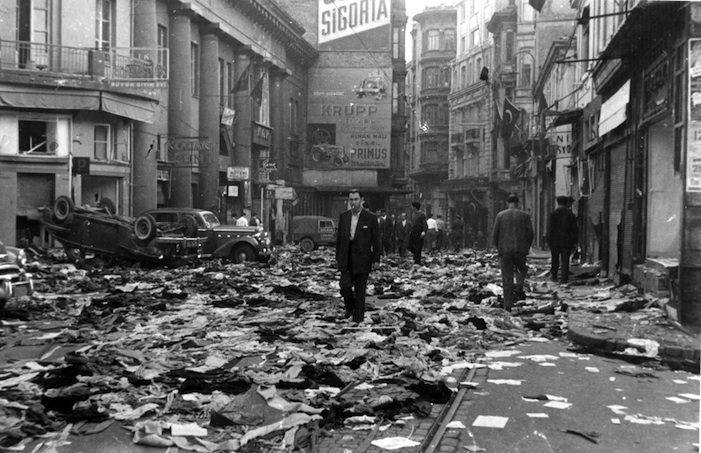
The Istanbul Pogrom of 6–7 September 1955 remains one of the darkest hours of modern Turkish history. What began as a coordinated campaign of violence against the Greek Orthodox population quickly spread to target Armenian and Jewish communities as well. Over the course of two days, homes, shops, schools, factories, hotels, newspapers, patisseries and churches were looted and destroyed, while families lived in terror. The human toll went beyond the immediate violence, leaving deep scars of displacement, loss, and the dismantling of centuries-old communities.
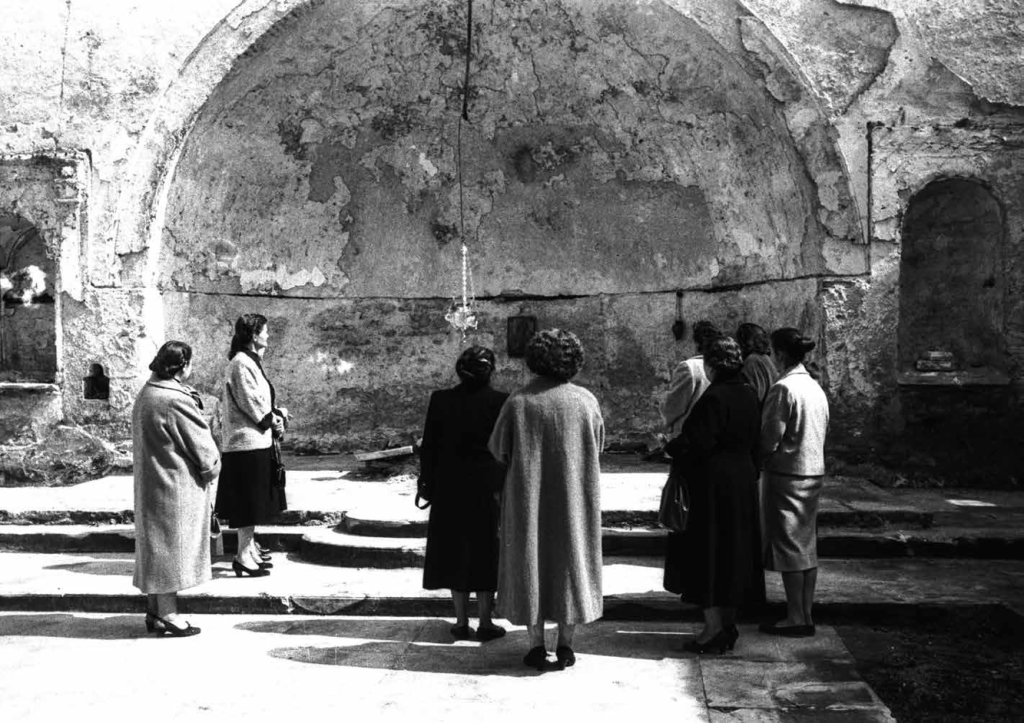
My mother was 25 years old when the pogrom happened and recalled those two days vividly in her later years. She used to tell me, time and again, how she felt as if the earth had slid from beneath her feet when she learned about the incident, and how she was unable to speak for days because of the sadness she felt.
For the Greek population in particular, the pogrom marked a turning point. Once a vibrant presence in Istanbul, the Greek community dwindled rapidly in the years that followed, as many were forced to emigrate for safety and dignity. This rupture not only deprived Istanbul of a rich cultural and religious heritage, but also created a sense of exile and loss for those who were uprooted.
Survivors and their descendants carry memories of both trauma and resilience. Today, remembrance of the 6–7 September events serves multiple purposes. It is an act of honoring the victims and acknowledging the suffering inflicted on minorities. It is also a call to confront uncomfortable truths about intolerance and ultra-nationalism, and the ways in which prejudice can erupt into violence when left unchecked. Commemoration is not only about mourning what was lost, but also about affirming the values of coexistence, respect, and justice — ensuring that such tragedies are neither forgotten nor repeated!