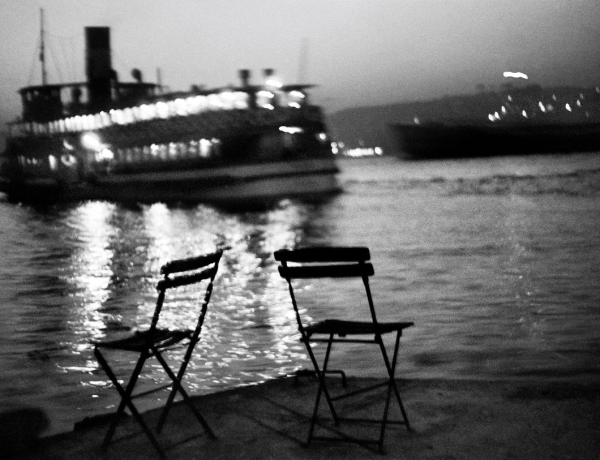

Defeated by Timur at the Battle of Ankara in 1402, the Ottoman Sultan Bayezid I was taken prisoner and died in captivity in Akşehir in 1403. Yet, centuries after his death, his story would continue to unfold on European stages in a rather different form.
In eighteenth-century Europe, the Ottoman world was not merely a political power or a military rival; it had also become a fascinating subject for artistic imagination. One remarkable example is George Frideric Handel’s Tamerlano, first performed in London in 1724. Eleven years later, Antonio Vivaldi would revisit the same historical encounter in his opera Bajazet (1735).
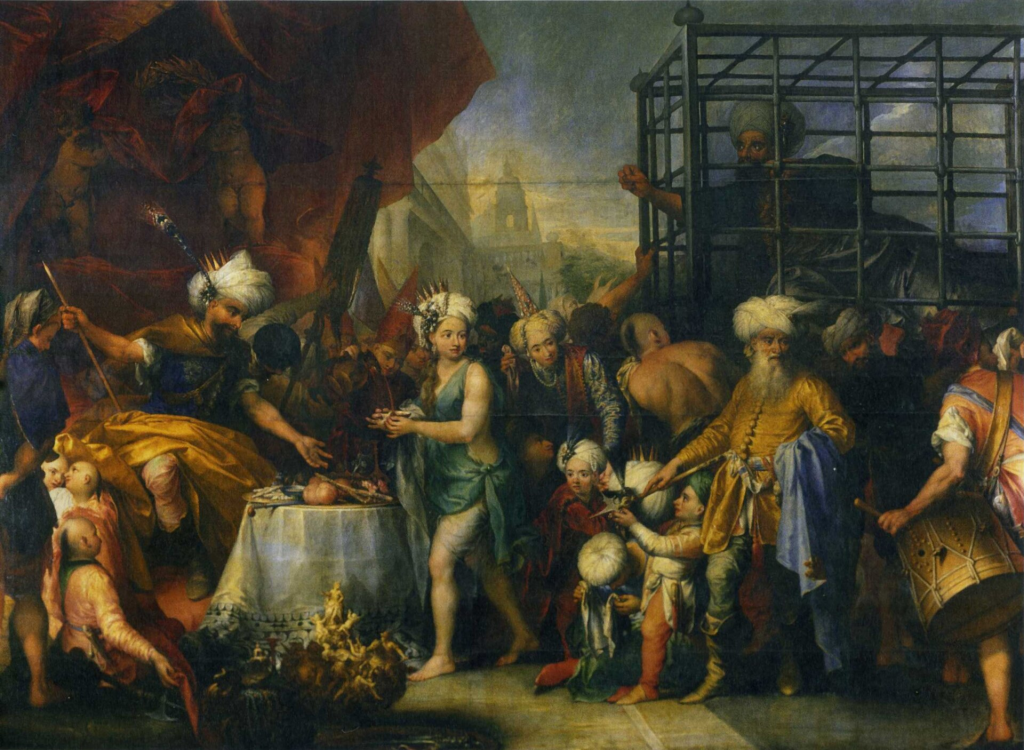
Andrea Celesti, Tamerlan and Bajazet, c. 1700. Oil on canvas. Neues Palais, Potsdam, Germany.
Both operas draw on a long tradition of European representations of the confrontation between Timur and Bayezid. The historical record, however, differs considerably from the dramatic narratives. Bayezid’s death by suicide, as depicted in Handel’s opera, belongs to a legend that circulated long before Handel’s time and was subsequently amplified through European theatrical representations. The historical circumstances of his death remain a subject of debate.
Handel’s Bayezid is a tragic figure who refuses to accept the humiliation of captivity. Rather than submit to Timur, he chooses death as an ultimate assertion of his dignity. Yet, in the aria Figlia mia, non pianger, no, we encounter a more intimate side of the defeated ruler: a father trying to comfort his daughter, Asteria, a fictional character in the opera, as he prepares to die.
For Istanbul, this story carries another layer of historical significance. Although Bayezid I never ruled from Istanbul, his defeat by Timur profoundly altered the course of Ottoman history. The resulting Interregnum was brought to an end by his son Mehmed I, followed by his grandson Murad II. It was Bayezid’s great-grandson, Mehmed II, who would eventually conquer Constantinople in 1453.
Thus, although Istanbul never appears on Handel’s stage, its history is present in the background. The opera evokes a turning point in the history of the dynasty that would eventually transform Constantinople into the Ottoman capital.
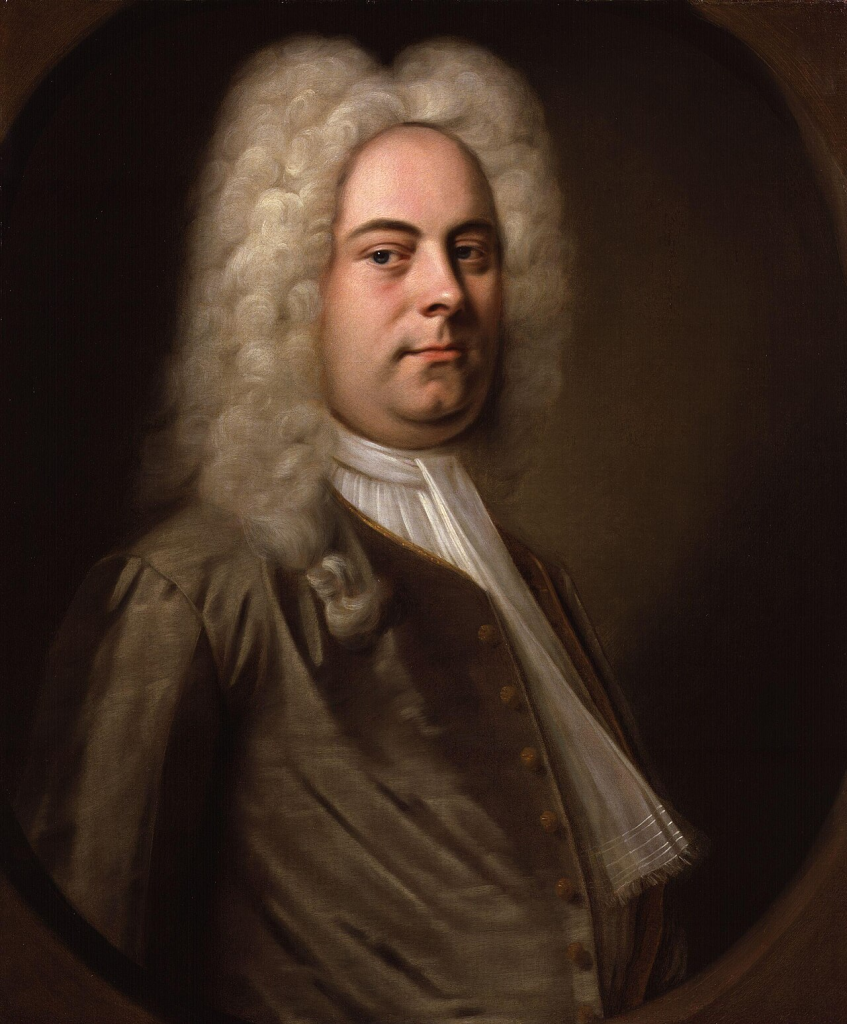
Handel
There is, however, a particularly beautiful connection between Handel’s opera and Istanbul itself. On 21 July 1986, the celebrated Istanbul-born soprano Leyla Gencer performed at Hagia Irene (Aya İrini), the historic Byzantine church in Istanbul. Accompanied by pianist Vincenzo Scalera, she included in her programme both Vivaldi’s Sposa son disprezzata from Bajazet and Handel’s Figlia mia, non pianger from Tamerlano.
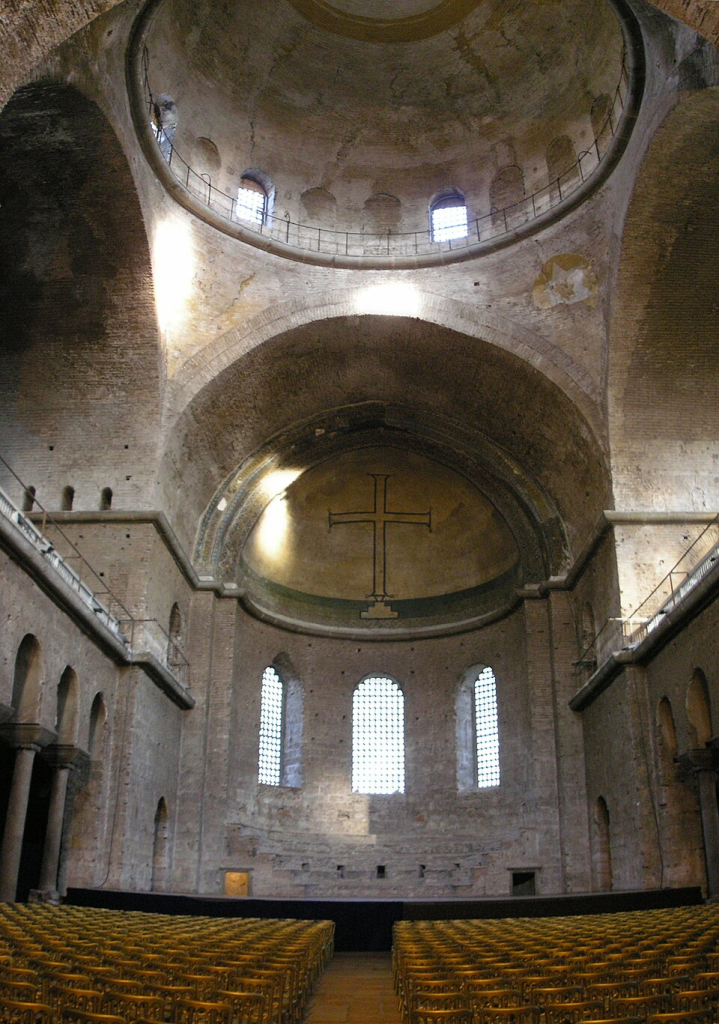
Hagia Irene (Aya İrini)
Gencer had also performed the Handel aria at her Paris recital on 29 April 1985. Although she had already brought her operatic career to a close at La Fenice in Venice that year, she continued giving concerts and recitals until 1992.
The image is striking: an Ottoman sultan, reimagined by a German-born composer through an Italian libretto, finds a new voice in an Istanbul-born soprano, within the walls of a Byzantine church. Across centuries, artistic traditions and political histories, the story of Bayezid returns to the city whose destiny would ultimately be shaped by his own dynasty.
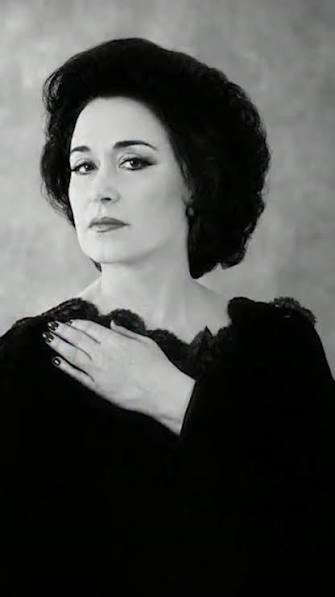
Leyla Gencer, La Diva Turca
Perhaps this is the most fascinating aspect of the story: Istanbul is not merely the historical backdrop to these events. It becomes the meeting point of Ottoman memory, European Baroque imagination and the extraordinary musical legacy of La Diva Turca Leyla Gencer.
Note that the video is embedded via YouTube and all rights belong to the respective rights holders.
Visuals are taken from wikipedia.com.