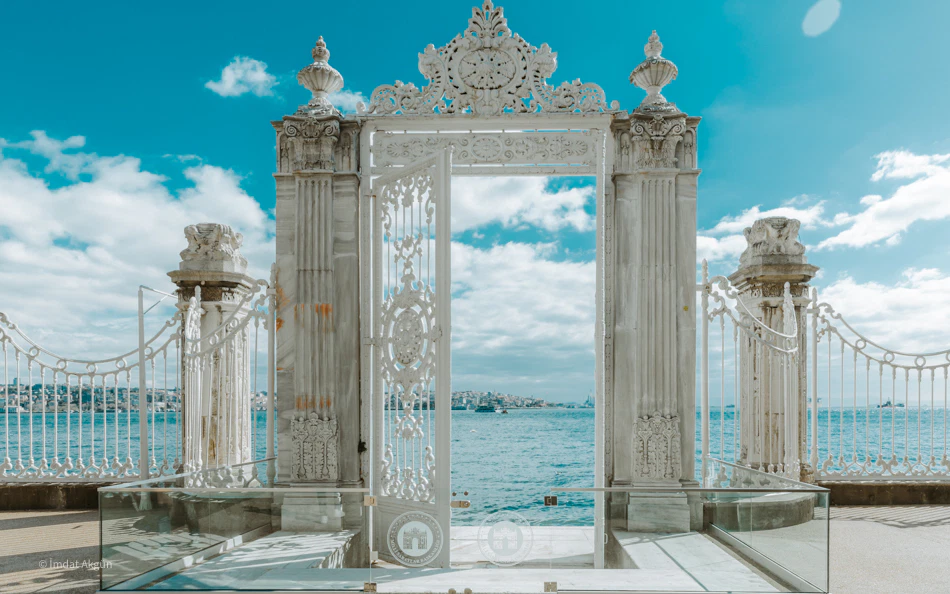

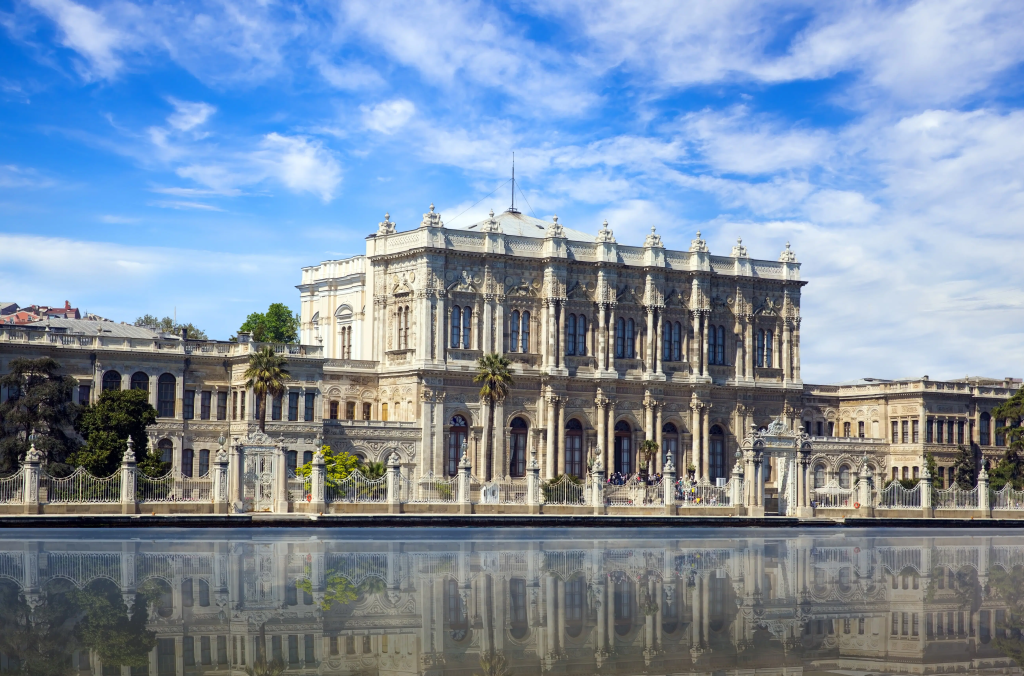
I have always had a hard time defining Dolmabahçe Palace. The word that has always haunted me about the Palace was ‘excess’. It was a Palace that was founded on debt when the Ottoman Empire was in decline. It was far too flamboyant and far ‘too western’ for an Empire that has had its roots in the East.
The Palace was completed in 1856 when Ottoman Army was losing wars, when the political and financial power of the Empire was crumbling and when the urgency to ‘modernise’ the Empire was strong.
I have recently come across a beautiful expression for what I have been feeling for a long time. The expression was ‘the Ultimate Rococco’ which perfectly matches with my sentiment about the Palace.
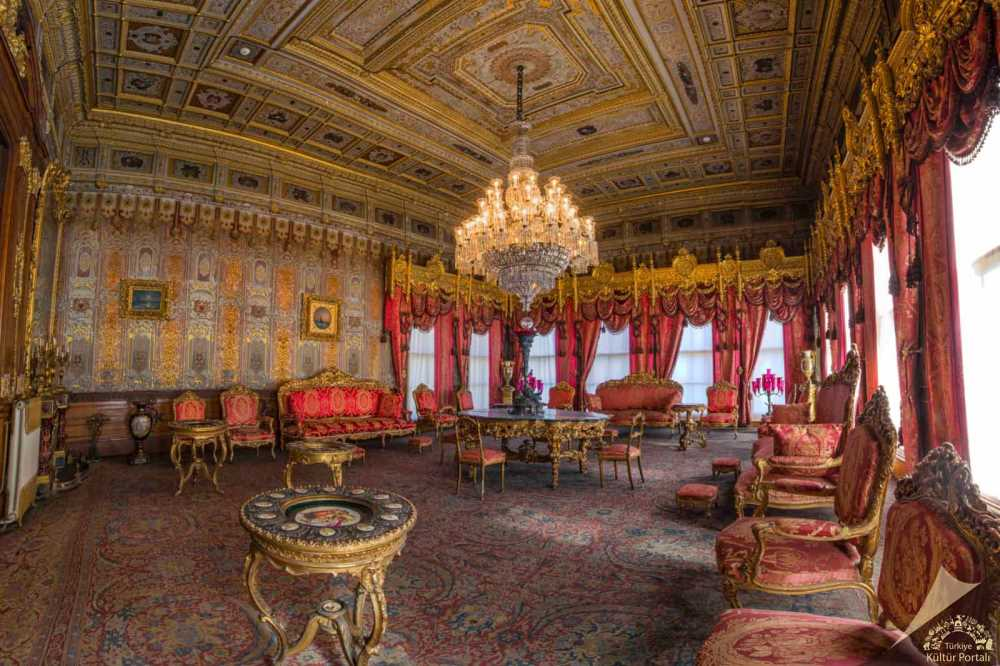
I would recommend you to visit this Palace after you have seen the Topkapı Palace which was the first palace of the Ottomans in İstanbul in the 15th century. If you do, you will notice the vast transformation of the Ottoman Empire from the 15th to 19th centuries which is a transformation from an Asiatic Empire to an European Empire in terms of tastes, habits and vision.
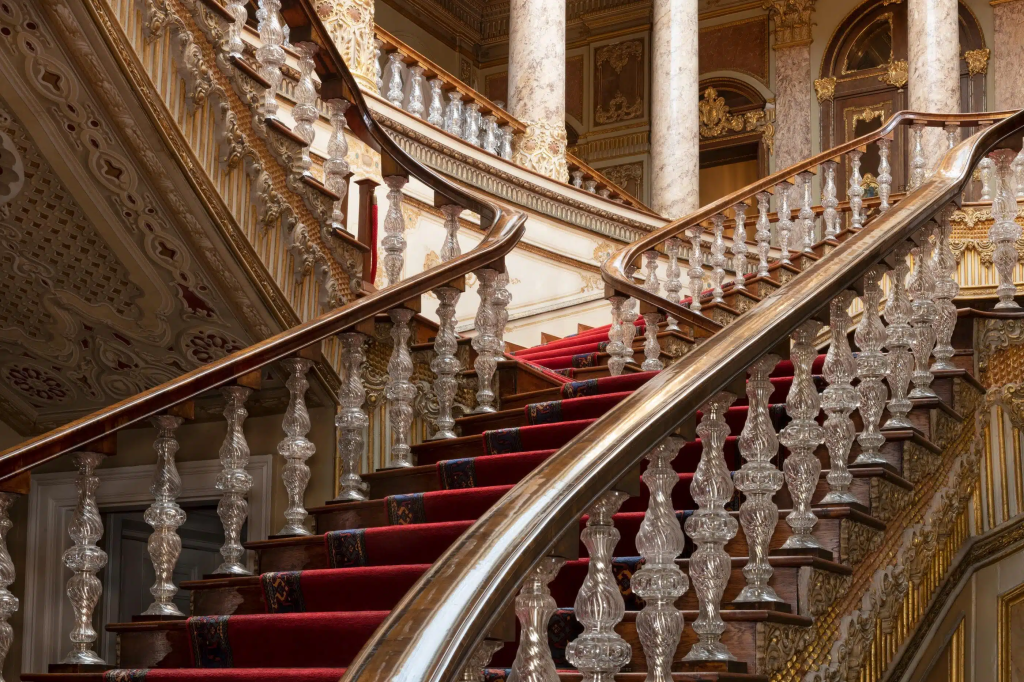
It is interesting to note Dolmabahçe Palace mostly stayed as a ceremonial Palace and was not used by many Sultans following Sultan Abdülmecid who preferred to live in other Palaces such as Çırağan Palace and Yıldız Palace.
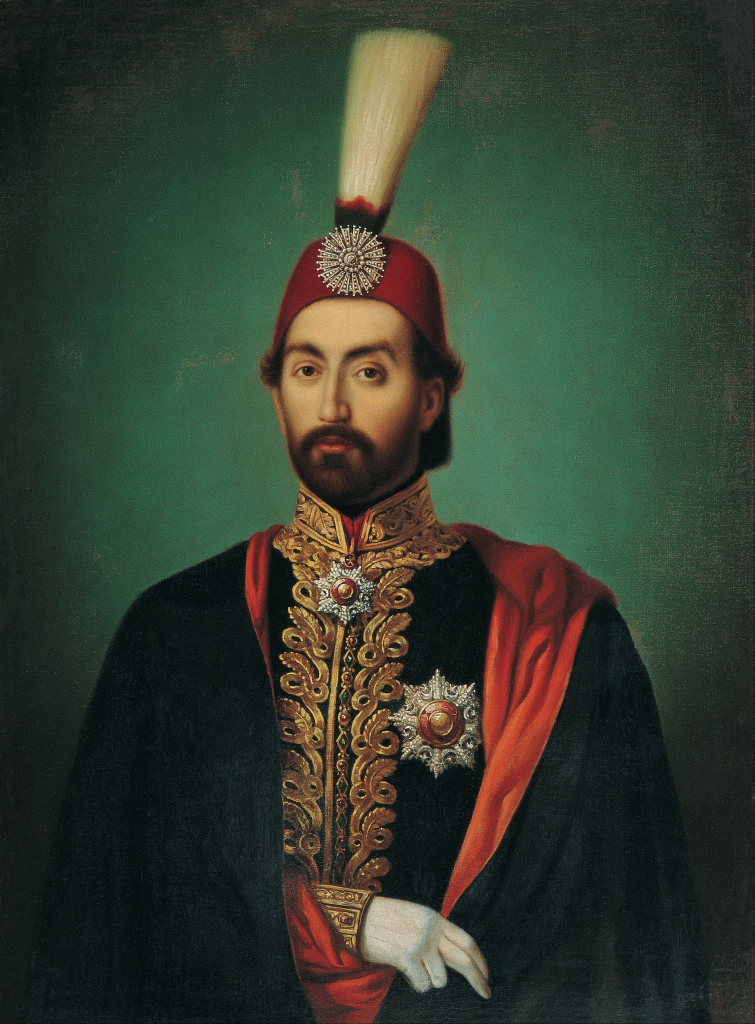
Sultan Abdülmecid
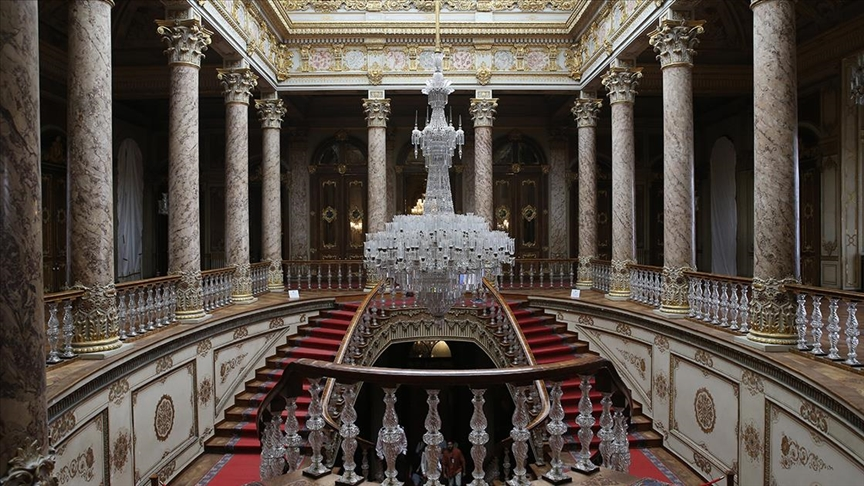
What makes this Palace so special for millions of Turks is that it was used by Atatürk during his visits to İstanbul and was his last resting place where he closed his eyes to the world. Atatürk is the founder of the Turkish Republic and loved by millions till this day.
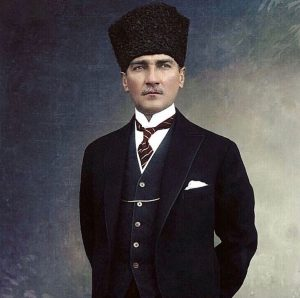
Mustafa Kemal Atatürk (1881-1938)
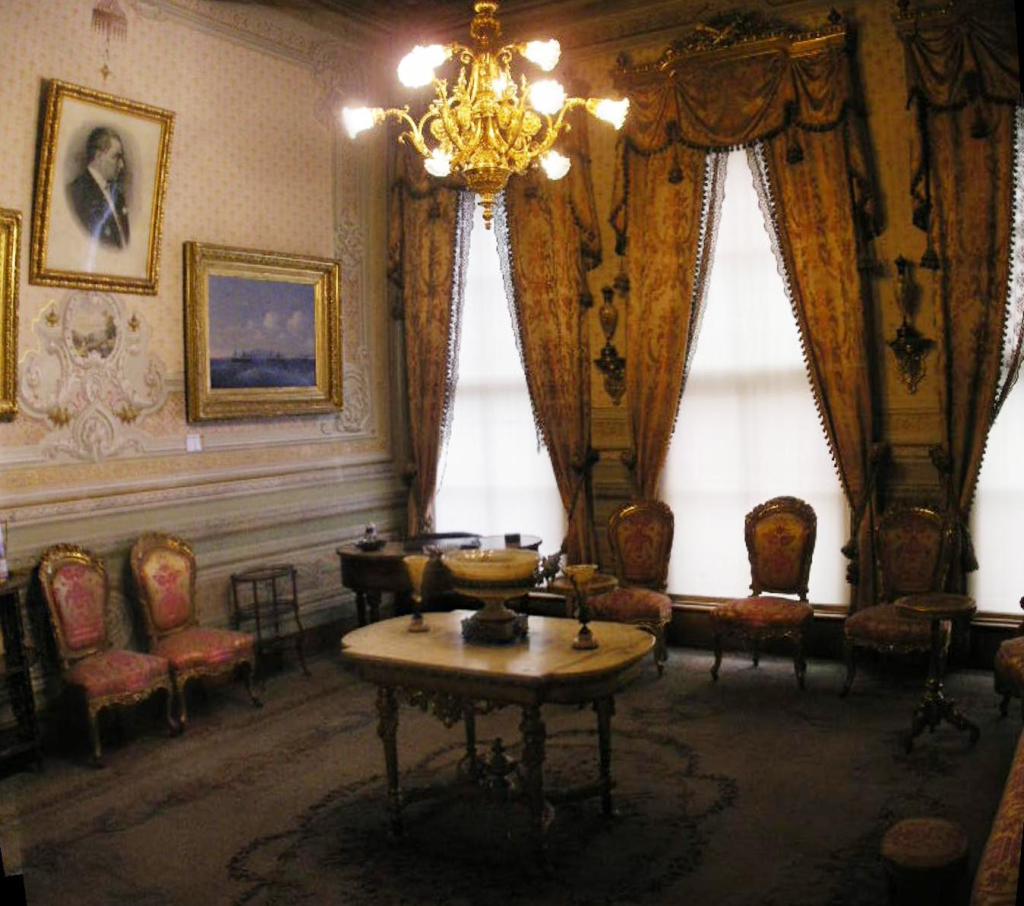
Atatürk’s Study which was once the Harem section of the Palace
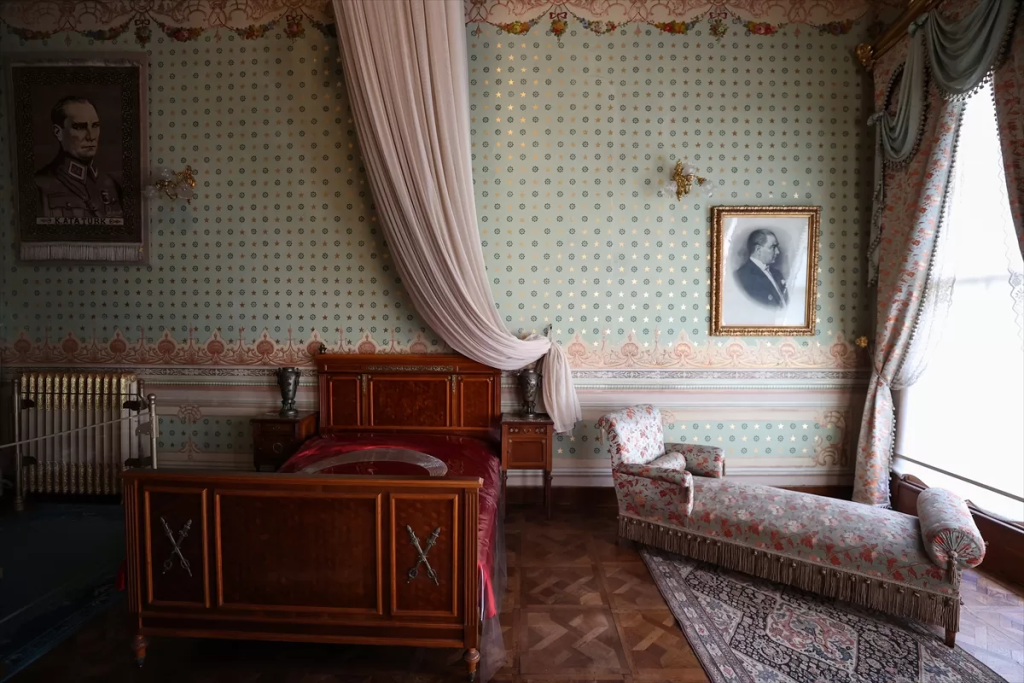
Atatürk’s last resting place before he passed away in 1938
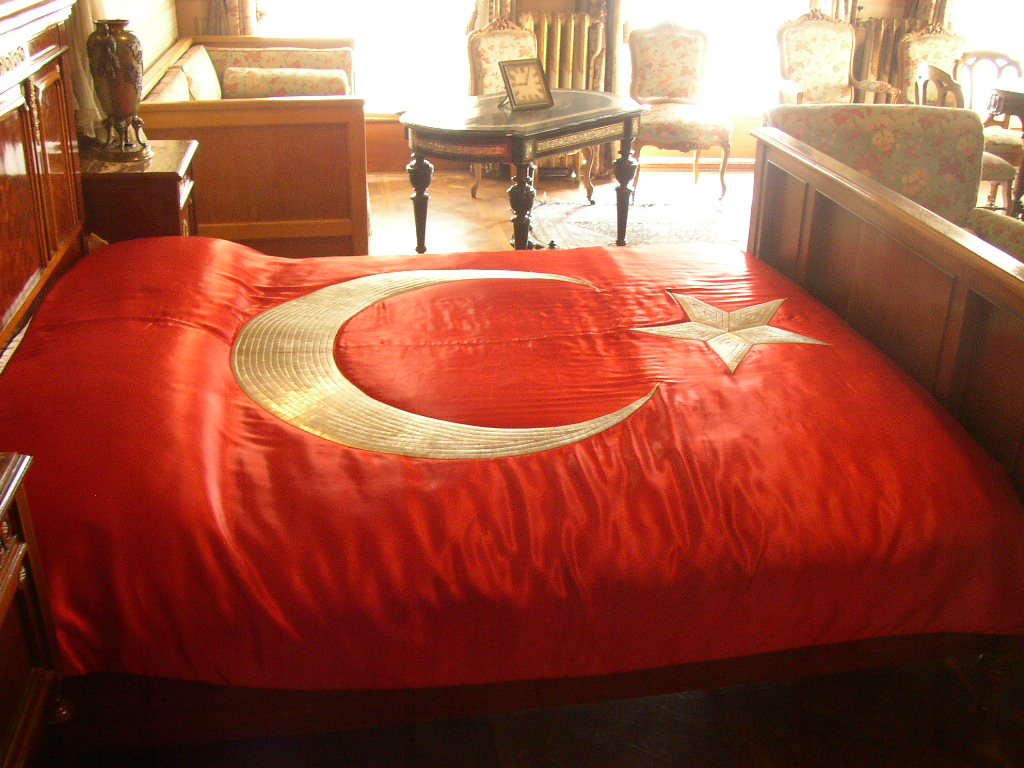
Atatürk’s bed. You can notice that the watch stopped at 9:05 when he passed away on the 10th of November 1938