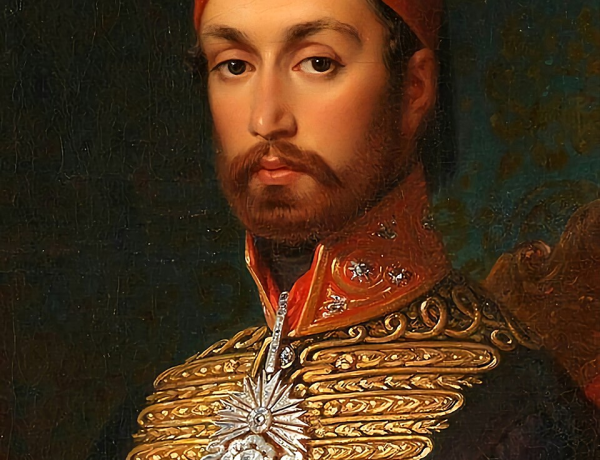

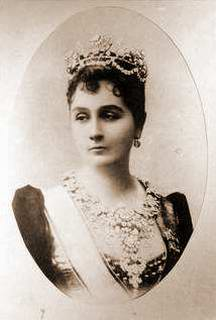
Granddaughter of Sultan Abdülmecid, Emine Valide Pasha (1858–1931), wearing stunning jewelry, late 1800s.
Jewelry was deeply embedded in the fabric of Ottoman society. For women, jewels functioned as both personal adornment and economic security. Precious metals and stones often served as portable wealth, given as part of a bride’s dowry, and passed down across generations. Gifting jewelry to women was also a central practice in marriages, religious festivals, and circumcision ceremonies of their sons, reinforcing its social significance.
The 19th century marked a transformative period in the Ottoman Empire, a time of political reform, social change, and increasing exposure to European styles. These shifts also left their mark on the world of jewelry, particularly in the adornments worn by Ottoman women. European-style jewels, particularly those influenced by French and Austrian designs, became fashionable among the elite. This introduced new forms such as lockets, diamond tiaras, and naturalistic floral motifs, blending with traditional Ottoman symbols like the crescent moon. Jewelers in Istanbul’s Grand Bazaar began adapting to this hybrid aesthetic, creating pieces that appealed to both Ottoman and European patrons.
Ottoman female jewelry of the 19th century remains a testimony to the empire’s cultural richness and adaptability. Today, many of these jewels are preserved in museum collections, admired not only for their craftsmanship but also for the stories they tell of women’s lives, wealth, and identities in a dynamic historical period.
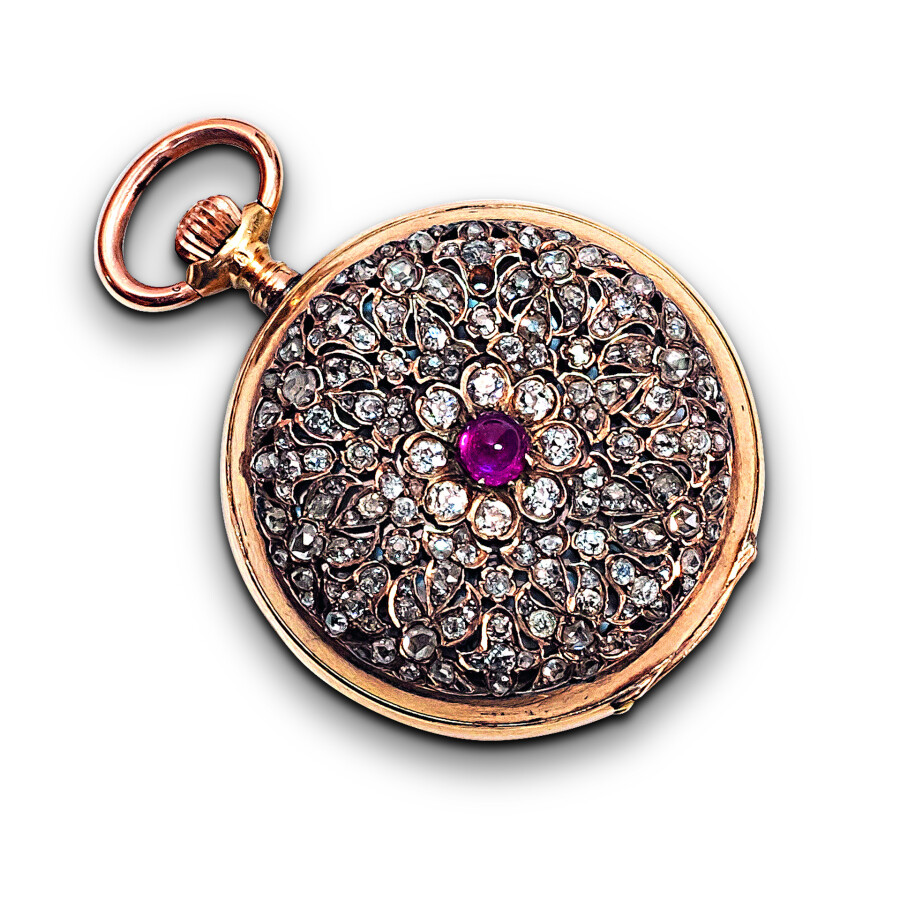
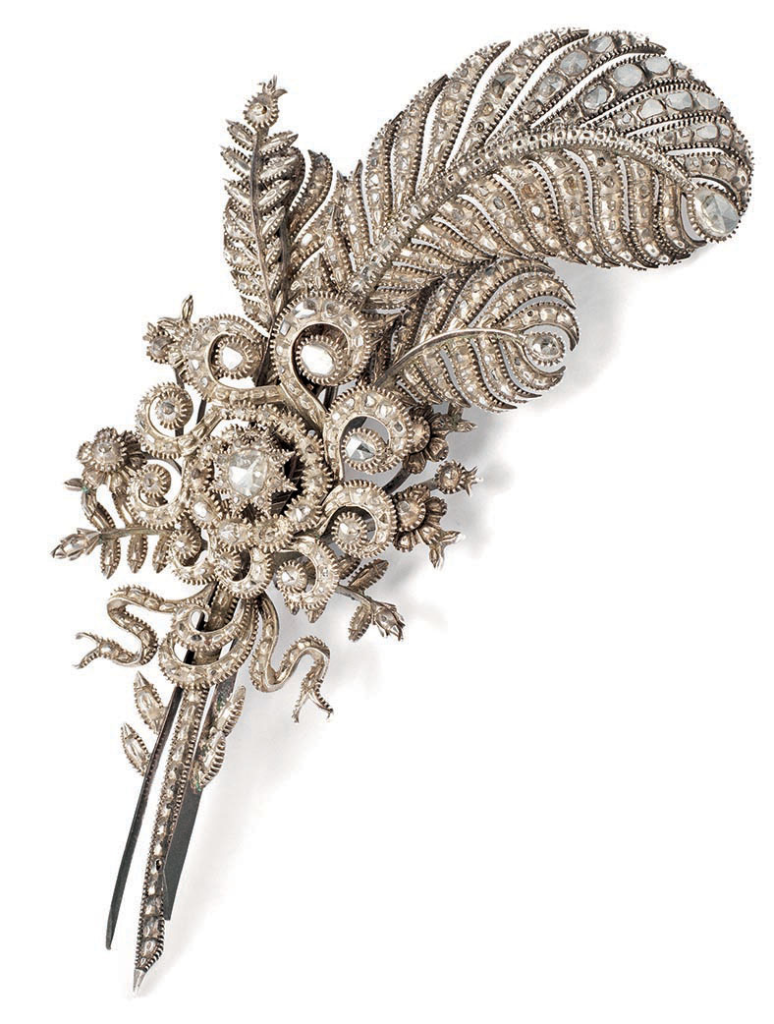
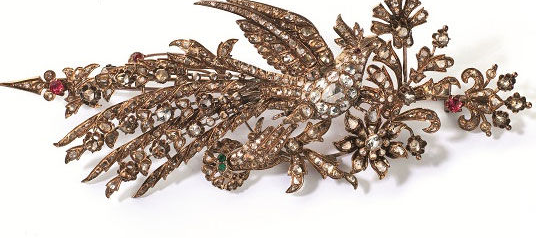
You can glance through these 19th-century Ottoman female jewels, which offer a glimpse into Ottoman women’s tastes. You will see a range of items—from tobacco boxes, tiaras, and pocket watches to bejeweled headdresses and pendants—that were common jewelry for royal Ottoman women.
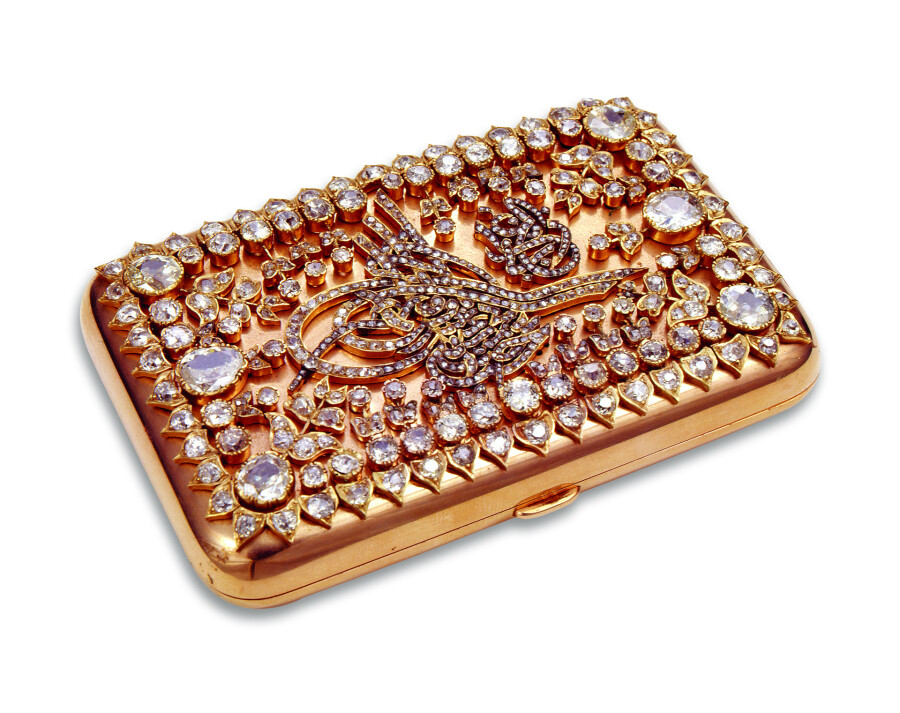
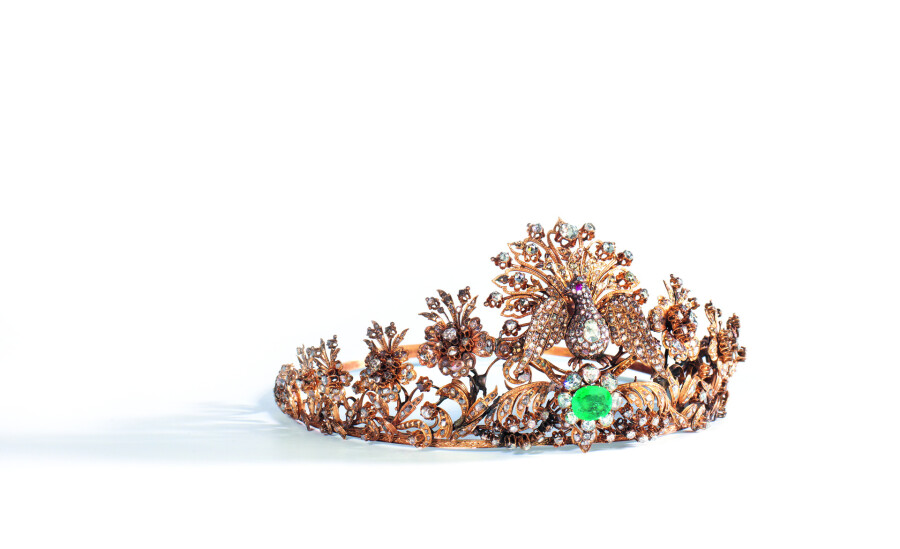
visuals are taken from artam.com, alifart.com.