
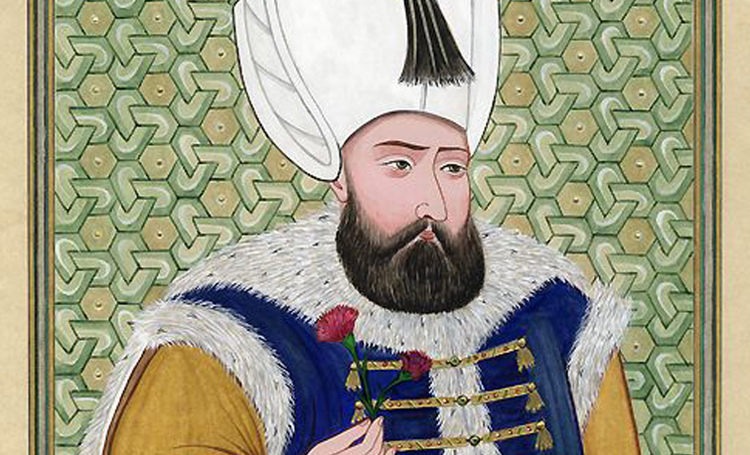
Sultan Murat III
The Surname-i Hümâyun prepared for the circumcision of Şehzade Mehmed, son of Sultan Murad III, documents one of the most magnificent ceremonies in Ottoman history. Held in Istanbul in 1582 and lasting fifty-two days, the festivities marked not only the prince’s initiation into manhood but also a public assertion of dynastic continuity and imperial stability.

Written by İntizâmî and illustrated by the imperial workshop under Nakkaş Osman, the manuscript goes far beyond a simple festival record. Through richly detailed miniatures depicting guild processions, performers, officials, and urban life, it presents an ordered vision of Ottoman society. Joy, abundance, and spectacle were carefully choreographed, reflecting a political ideal in which imperial power is expressed through generosity, and harmony.
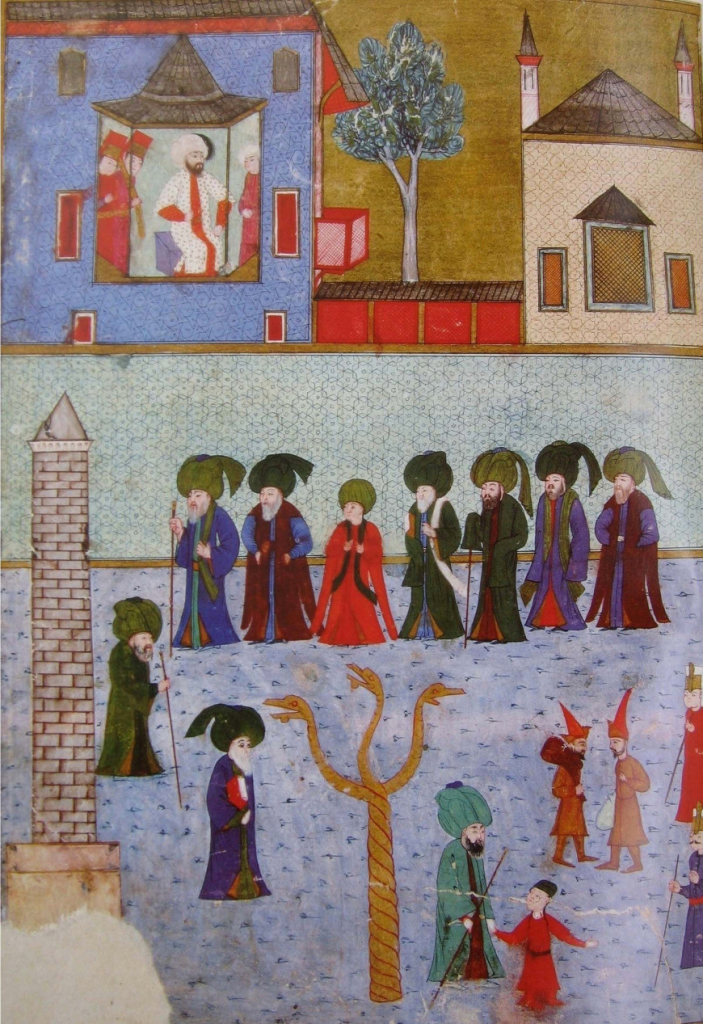
Centered on the figure of the sultan as observer and guarantor of order and intended for the palace library rather than the public, it projects an image of an eternal, well-regulated empire. In doing so, the Surname-i Hümâyun stands as both a masterpiece of Ottoman visual culture and a powerful statement of sovereignty rendered as spectacle.
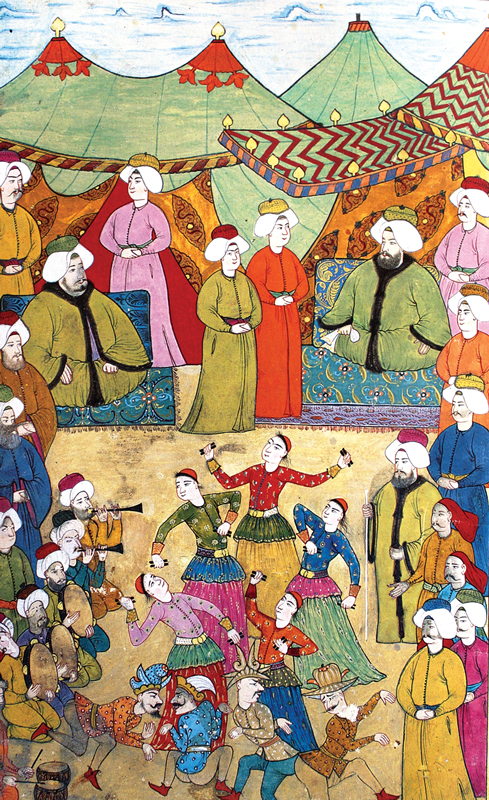
The original 1582 Surname-i Hümâyun is held in the Topkapı Palace Museum Library in Istanbul. Yet it is a delight that copies can still be found on the shelves of Istanbul’s bookstores, reminding us that our ancestors shared a sense of entertainment and joy strikingly similar to our own.
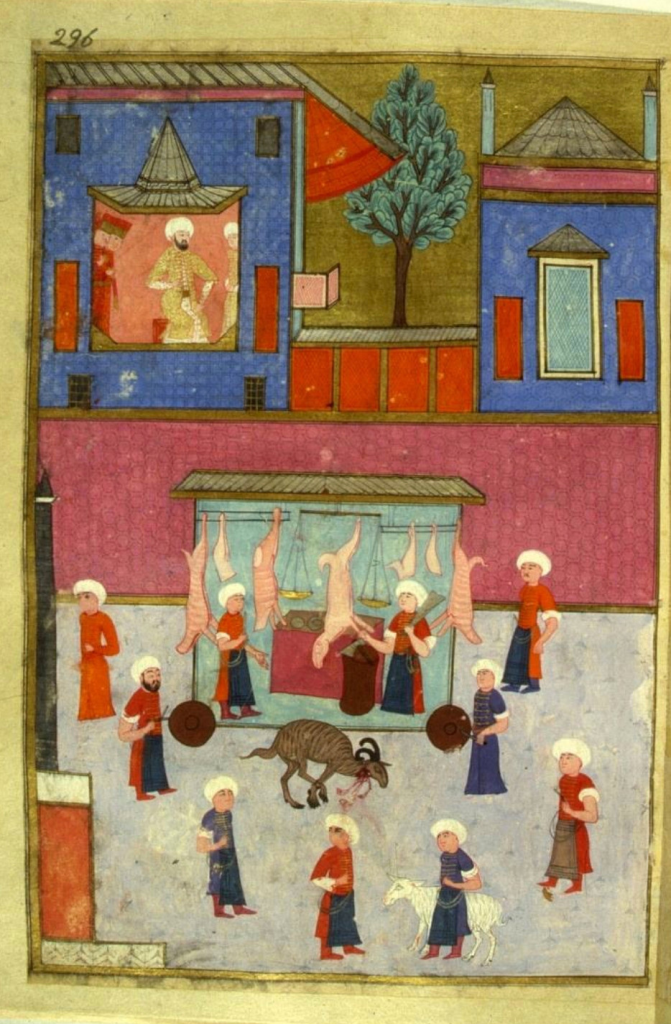
I am especially fascinated by the lifelike depictions of this fifty-two-day-long ceremony, which amuse me with their rich array of characters and remind me that the world before us was far more colourful than we often imagine.
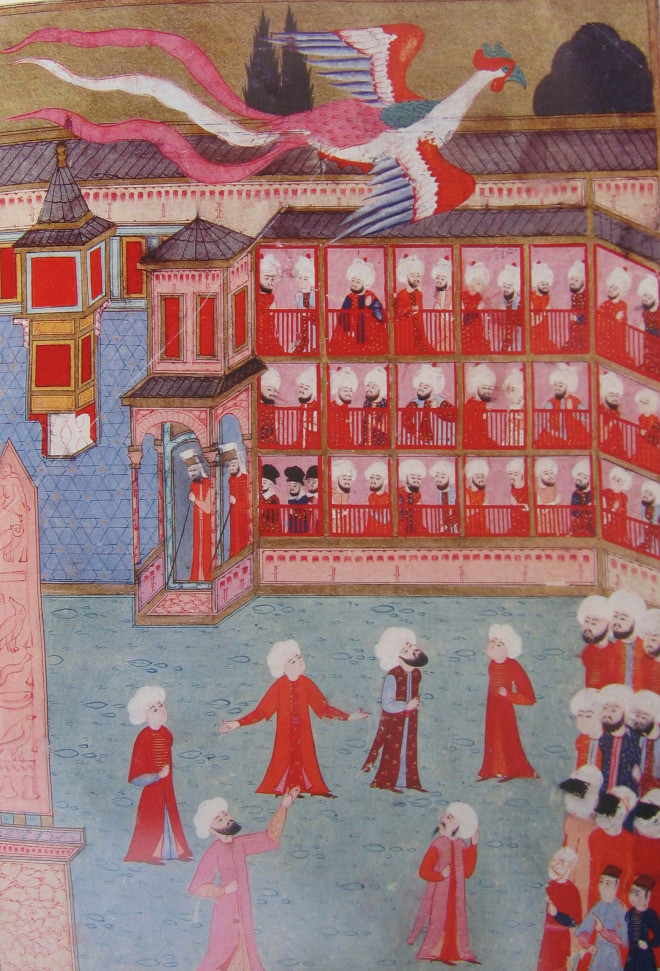
note on the visuals: taken from gzt.com.