
“As long as God grants me life, let me work; I do not wish for a life in which I cannot work.”
Prof. Dr. Nurhan Atasoy
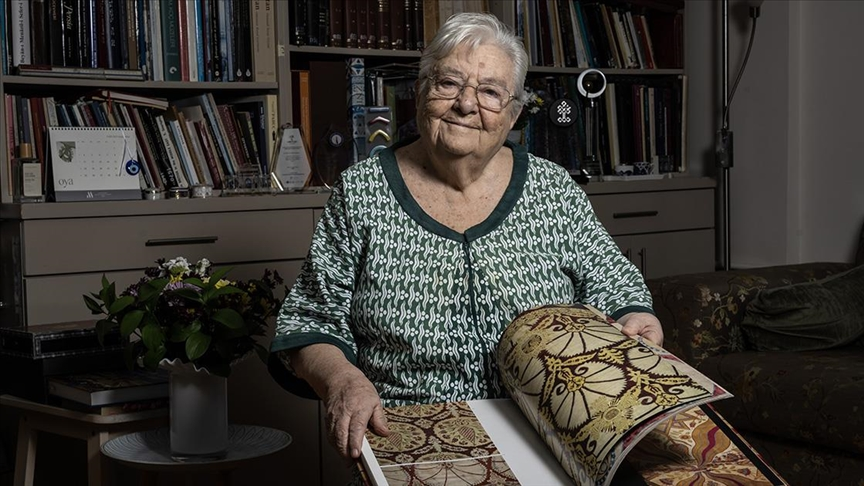
Nurhan Atasoy is one of the most important intellectual figures through whom Istanbul remembers itself. An art historian of extraordinary depth and sensitivity, Atasoy devoted her life to uncovering, preserving, and narrating the material culture of the Ottoman world,: textiles, ceramics, court ceremonies, and everyday objects that together form the city’s visual memory.
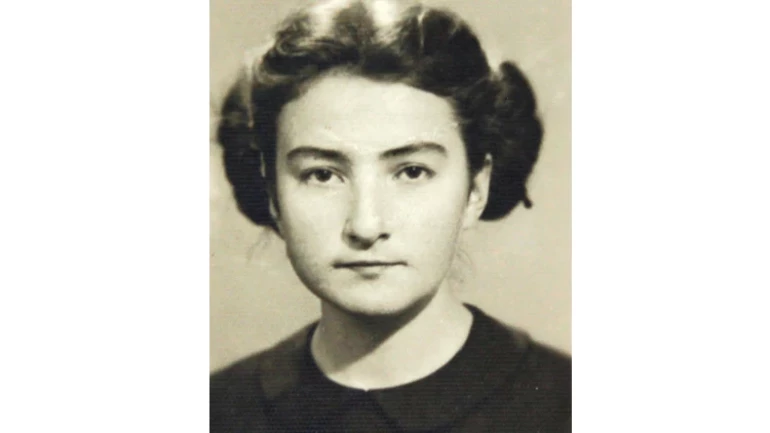
Nurhan Atasoy as a young woman in 1946-47
Her work gave voice to what history often overlooks: fabrics worn against the skin, patterns repeated across generations, domestic rituals that carried meaning beyond power and conquest. Through her scholarship on Ottoman court culture, İznik tiles, kaftans, and ceremonial life, Atasoy revealed Istanbul not only as an imperial capital but as a living, breathing aesthetic universe.
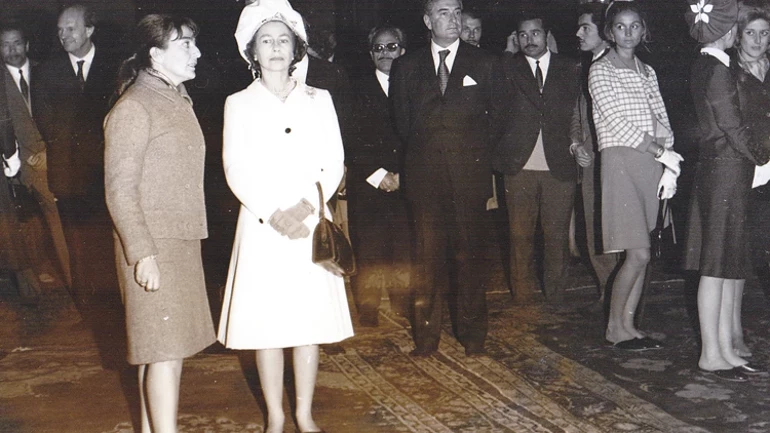
Nurhan Atasoy with Queen Elizabeth, 1971
What makes Atasoy singular is her ability to bridge academic rigor with poetic intimacy. She did not treat objects as inert museum pieces but as witnesses, bearers of touch, time, and human presence. In doing so, she reshaped how Istanbul is understood: not merely as a city of monuments, but as a layered sensorial experience shaped by craftsmanship, color, and continuity.
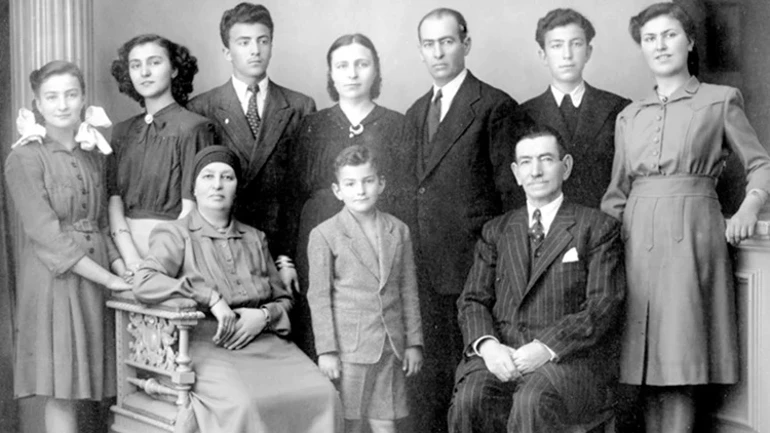
Nurhan Atasoy and her family
For Istanbul, Nurhan Atasoy is more than a historian. She is a guardian of cultural memory, reminding us that a city survives not only through stone and architecture, but through the fragile beauty of what is made, worn, and loved.
Nurhan Atasoy’s books on Istanbul heritage form a unified body of work that reconstructs the city not through conventional urban history but through its material culture, rituals, and lived aesthetics. Focusing on Ottoman court ceremonies, Sûrnâme manuscripts, textiles, kaftans, decorative arts, and religious life, she reveals Istanbul as a performative and sensorial city shaped by objects, craftsmanship, and collective ritual rather than monuments alone.
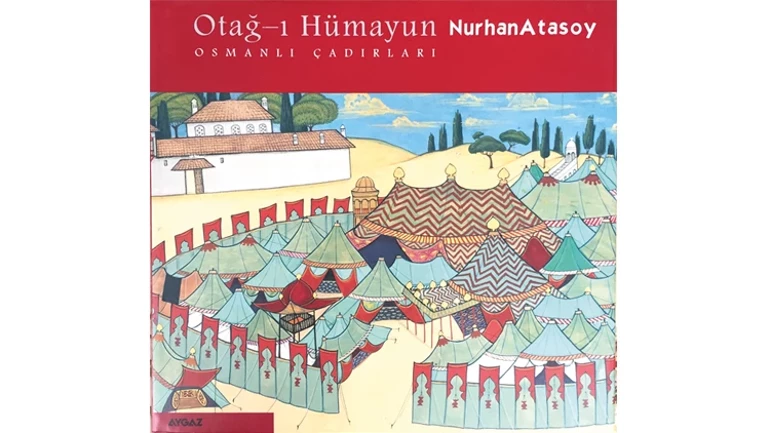
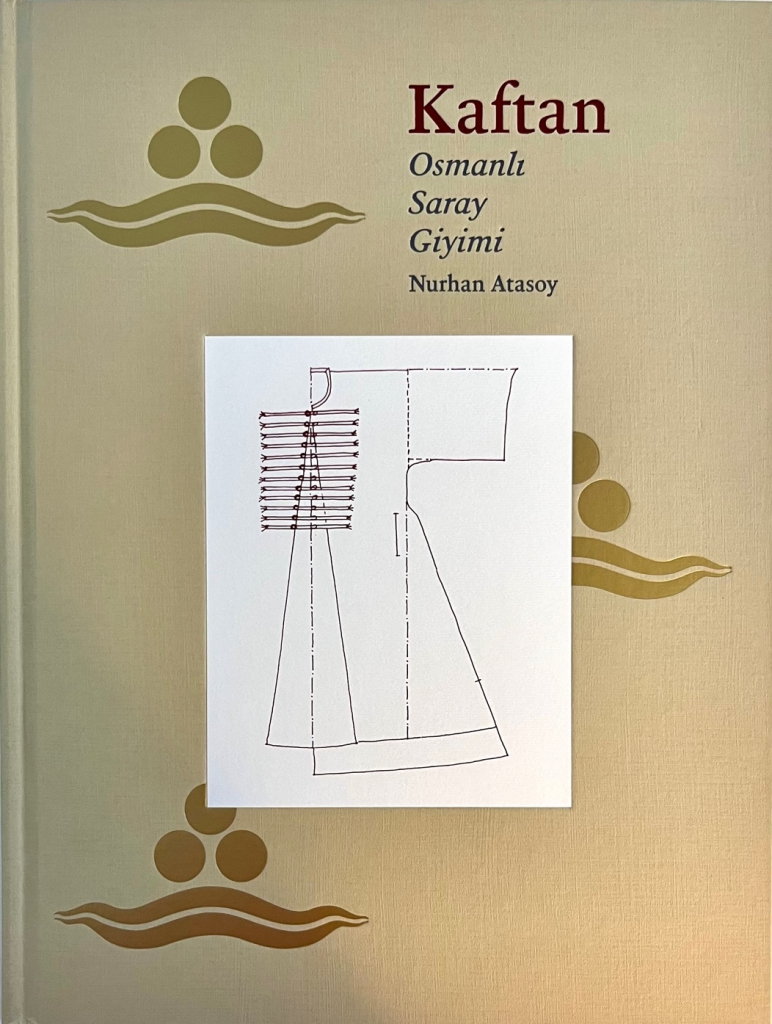
Atasoy will turn 92 on the 12th of February this year and we owe her a deep gratitude for having transformed the past into a vivid and living heritage. May she be forever young!
If you would like to know more about her, here is a short introduction to this magnificent art historian. Unfortunately, the video does not have English subtitles.
Note of the visuals: taken from hurriyet.com and anadoluajansı.com.