

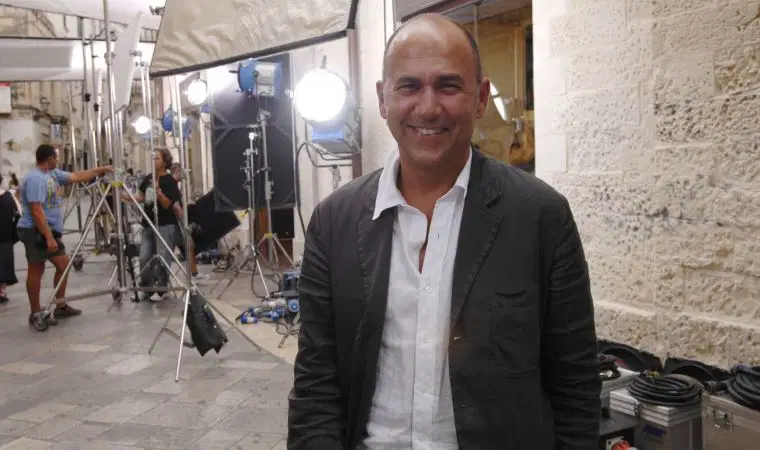
Ferzan Özpetek
In Ferzan Özpetek’s films, İstanbul is never a decorative setting. It is an emotional terrain, layered, melancholic, and intimate. Rather than monumental skylines, he focuses on interiors: old apartments filled with books, quiet staircases, shared dining tables, hamams and forgotten harems. The city exists less as spectacle and more as atmosphere. It holds secrets and it remembers.
Özpetek’s relationship with the city is most clearly articulated in what is often called his “İstanbul triology”: Hamam: The Turkish Bath, Harem Suare, and İstanbul Red. Each film approaches İstanbul from a different emotional and historical angle, yet together they form a meditation on belonging and transformation.

In Hamam, İstanbul is sensual and initiatory. The bathhouse, with its steam and marble, becomes a liminal space where identity softens and suppressed desire emerges. The city offers transformation through intimacy, through the body, through inherited architecture that seems to carry memory in its stones.
Harem Suare, set in the final years of the Ottoman Empire, presents a more enclosed and theatrical İstanbul. The harem is both sanctuary and confinement, a meticulously structured world governed by hierarchy, ritual, and performance.

A scene from Harem Suare
Here, the city exists behind walls and veils. Women navigate visibility and invisibility, power and vulnerability. Desire circulates quietly within corridors of control.
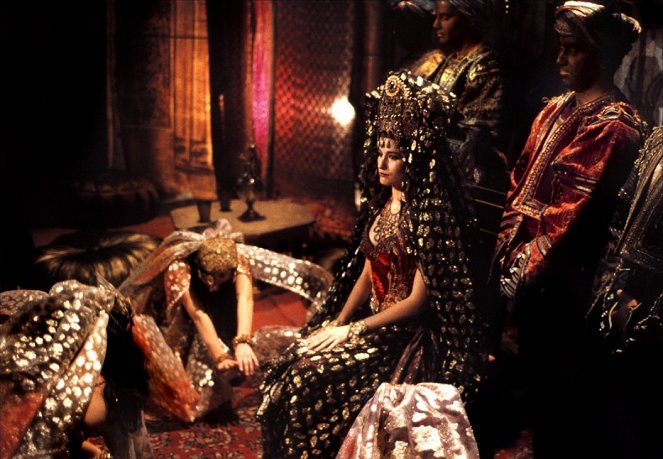
İstanbul in this film is historical, ornate, and fragile, a civilization on the edge of dissolution, where intimacy unfolds under the weight of impending change.
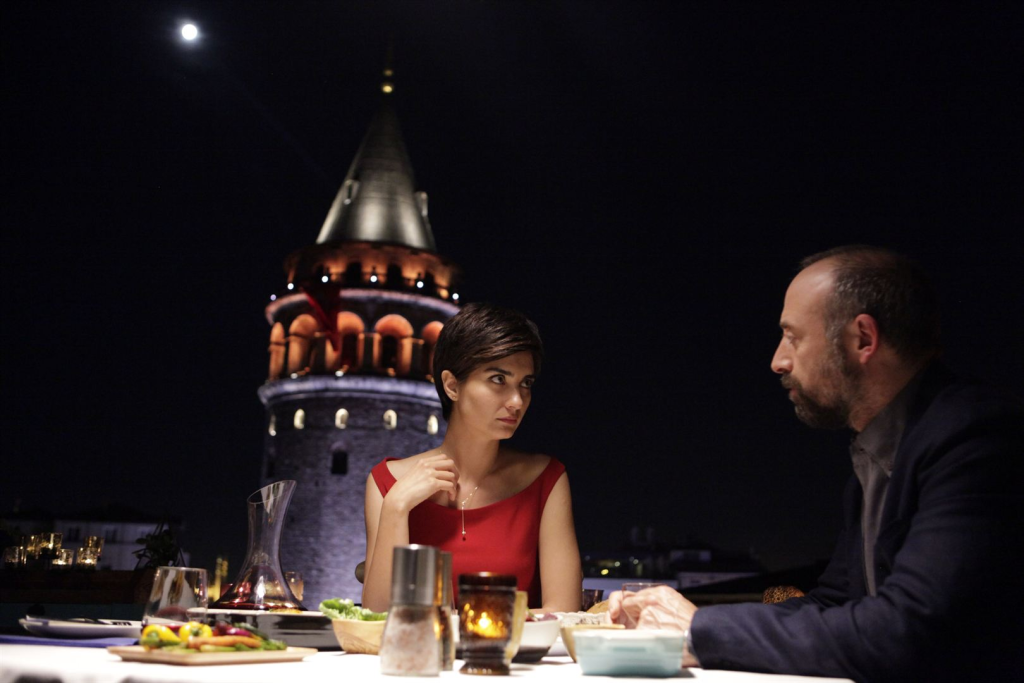
A scene from Istanbul Red
By the time of İstanbul Red, the city turns inward. The tone is contemplative and literary. The Bosphorus becomes a mirror for unfinished love and creative paralysis. Apartments feel haunted by past conversations. İstanbul protects memory but also preserves hesitation; it shelters longing without resolving it.
Across the trilogy, İstanbul functions as a threshold between East and West, tradition and reinvention, solitude and chosen intimacy. Its geography, divided yet connected by water, mirrors Özpetek’s recurring theme: the longing for union across emotional distance.
His İstanbul does not resolve desire. It holds it. And in holding it — tenderly, melancholically — it transforms those who dare to remain within its atmosphere.
Note: The videos are embedded via YouTube. All rights belong to the respective rights holders.