

“There is no water as important as the water of life.” from a sufi poem, inscriped on the fountain
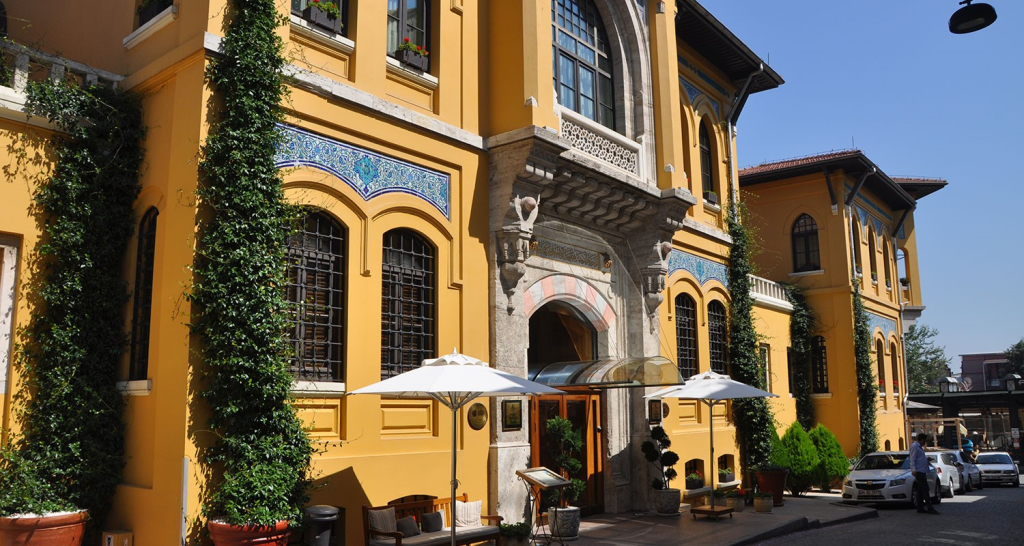
If you ever visit the Four Seasons Hotel which is one of the most iconic buildings in Sultanahmet, you will notice a foundation resting quietly in one of the corners of the building where two streets intersect. This beautiful baroque fountain was built by the mother of Mahmud II who was one of the most progressive sultans in the Ottoman Empire. Her name was Nakşidil Sultan. Unfortunately we do not have any visual records of her similar to many royal Ottoman women.
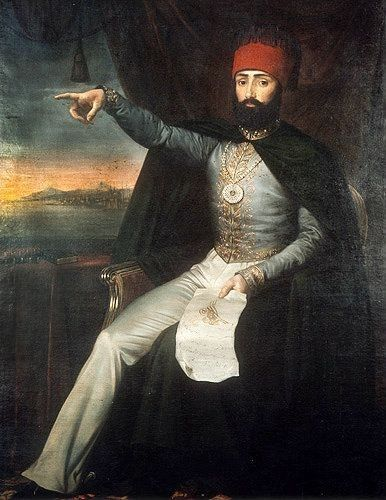
Mahmut II who was the first Ottoman Sultan keen on modernising the Empire
This foundation is the oldest part of the building as it predates the construction of the building by a century. The foundation was built in 1788.
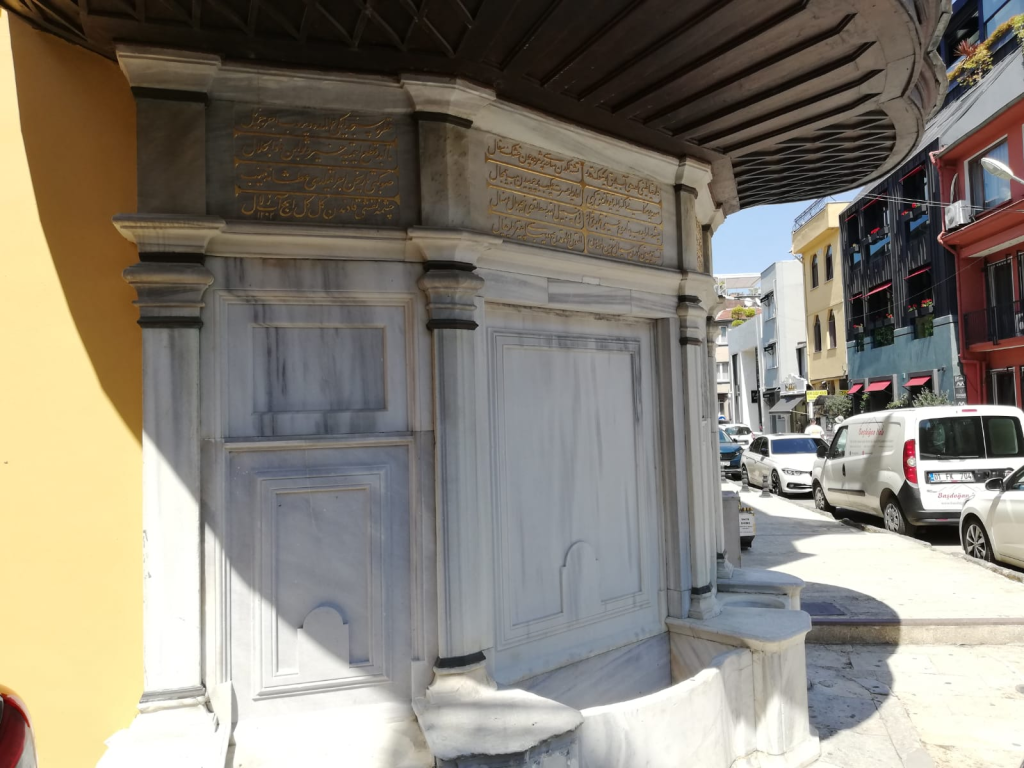

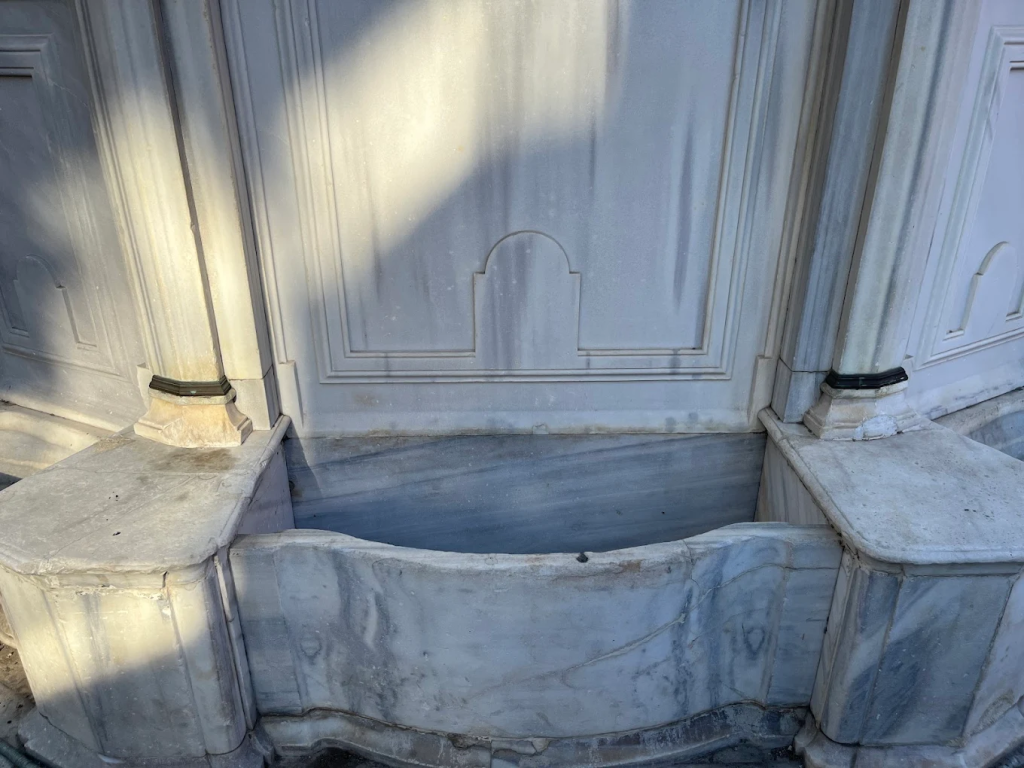
What you will notice when you get closer to the foundation is that there is no water running and not a single drop of water has flowed from this foundation in its history which shows that its purpose is not practical but rather symbolic. it was intended to serve as a memorial or tribute in respect to the Karbala Incident, which holds great significance in Islamic history.
The Karbala Incident, which took place on October 10, 680 CE, was a pivotal and tragic event in Islamic history. On that day, Husayn ibn Ali—the grandson of the Prophet Muhammad—along with his small band of supporters, was surrounded by the much larger army of the Umayyad caliph Yazid I near Karbala in present-day Iraq. Denied access to water and vastly outnumbered, Husayn and nearly all his companions were killed, while the women and children of his family were taken captive. For Shia Muslims, Karbala became the ultimate symbol of sacrifice against tyranny and is commemorated annually on Ashura, while for the wider Muslim world it remains a profound tragedy that underscores themes of justice, faith, and resistance in the face of oppression.
Ashura still lives in the daily lives of modern Istanbulites. Most Istanbulites prepare ‘aşure’ (as Turks call it) on the 10th day of the month of Muarram in the Islamic Calender (which moves every year because we use a western calendar). Aşure is typically a thick, porridge-like dessert made with at least seven ingredients, each carrying symbolic meaning: wheat for abundance, beans for fertility, raisins for patience, etc. Recipes vary widely by region and family tradition. It’s often garnished with pomegranate seeds, nuts, or cinnamon. Note that the number seven represents diversity and completeness and is considered spiritually significant in many traditions. Families make large batches and share it with neighbors, friends, and the poor, regardless of religious affiliation, symbolizing unity and reconciliation. It is both a culinary ritual and a form of social charity, emphasizing generosity, gratitude, and remembrance. I feel proud that this tradition is well and alive in a city like Istanbul which is drowning in the stresses of modern life and its demands.

So when you are visiting Sultanahmet, make sure to pass by this waterless foundation to pay tribute to an incident that still lives in the collective psyches of Muslims and make sure to taste aşure if you are ever served one!


