
“When I watched Istanbul from the Galata Bridge, this thought often clung to my mind. (…) What will this city be like in a century or two? Alas! Its beauty will have been sacrificed to civilization. I seem to see the future Istanbul: the London of the East, rising with dreadful and mournful grandeur upon the ruins of the world’s most cheerful city. The hills will be leveled, the groves laid bare, the colorful little houses torn down; the horizon will be cut everywhere by the rise of thousands of massive factory chimneys and pyramid-shaped tower roofs, by rows of palaces, workshops, and factories; long, straight, monotonous streets will divide Istanbul into vast parallel roads; telegraph wires will crisscross above the noisy city’s rooftops like a giant spider’s web; on the Galata Bridge nothing will be seen but black top hats and fezzes; the mysterious Seraglio Point will be turned into a zoo, Yedikule into a prison; everything will be solid, geometric, useful, gray, and oppressive…”
— Edmondo De Amicis, 1874, Istanbul
People from my generation almost always recall reading ‘Heart, A School Boy’s Journal’ by Edmondo de Amicis when they were growing up but few of us know that Edmondo de Amicis had visited Istanbul and written a book on Istanbul in 1874 called Constantinople. Edmondo de Amicis is an Italian writer and poet of the 19th century with a vivid imagination and an elaborate literary style.
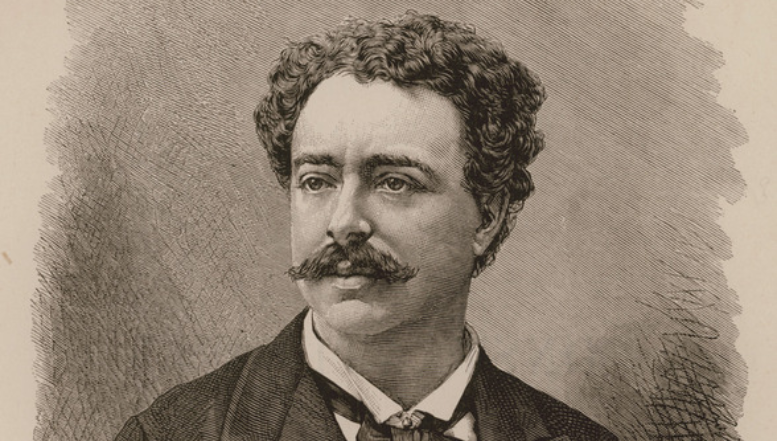
If you are interested in reading how Istanbul looked and felt like in the end of the 19th century, Constantinople is a great start! The writer takes us to a world before us with all his wit and humour. You will be amazed to see the details of old Istanbul with its nature so vastly different than today, its beautiful wooden architecture that looks nothing like that of today, its way of life that is radically different from ours.

You will be transported to another Istanbul which was a home to our ancestors, an İstanbul more naive with its abundant nature, its stylish but fragile wooden houses, its traditional life style that segregated the sexes, social classes and religions but which contained a warmness that is unmatched in today’s world.
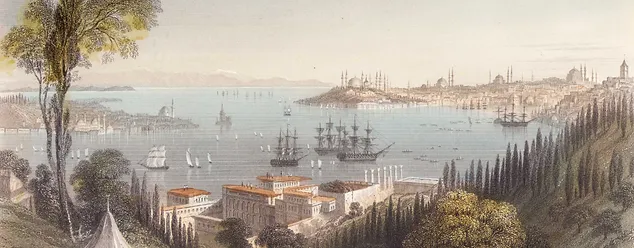
Amicis describes old Istanbul with all its richness of aesthetics, sounds, paradoxes and eccentricities.
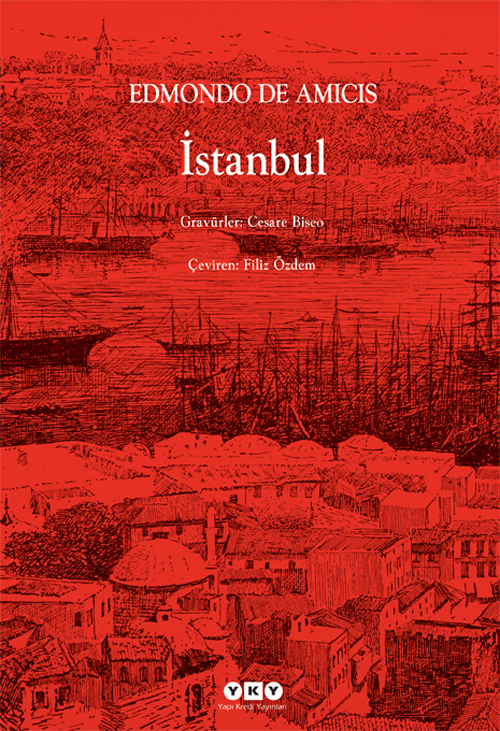
You will also be hearing his vision for the future of this city which he calls the city with the most beautiful face across the world. He envisions a dystopic future for Istanbul, a future he feels will wipe out the nature, traditional architecture and culture through industrialisation that had completely transformed the west.
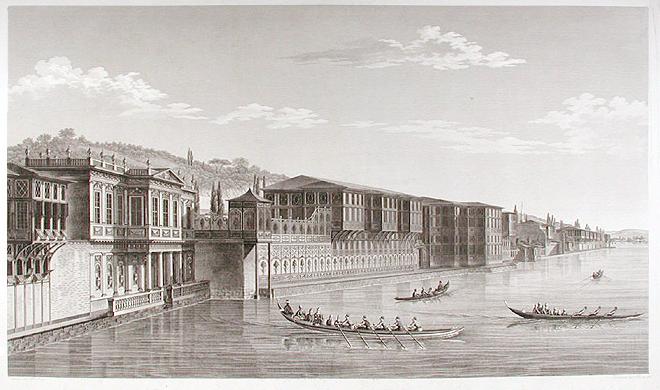
It is so sad to see that his prophecy has been realised and Istanbul has lost most of its natural beauties of forests, cleanliness of its rivers and sea, the elegance of its traditional wooden houses and sea side mansions along with its traditional warmth in the last one and a half century. We now only have a deep sense of nostalgia for a past that will never be revived!