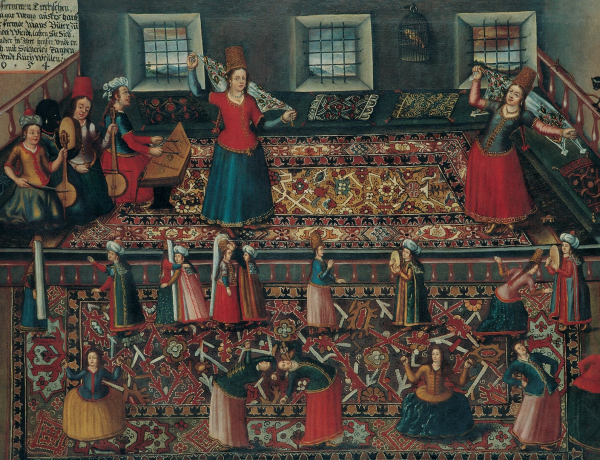

‘Holy Istanbul! Your name is the most enchanting one of all names which enchant me.‘ Pierre Loti
Every Istanbulite has heard of the name Pierre Loti. Although few people know who he is, everyone in Istanbul knows the Pierre Loti hill in Eyup overlooking the Golden Horn. Eyup is a holy place for Istanbulites with its mosque mostly visited during the holy month of Ramadan and during religious holidays as well as its massive graveyard which is the last resting place of many religious and historical figures.
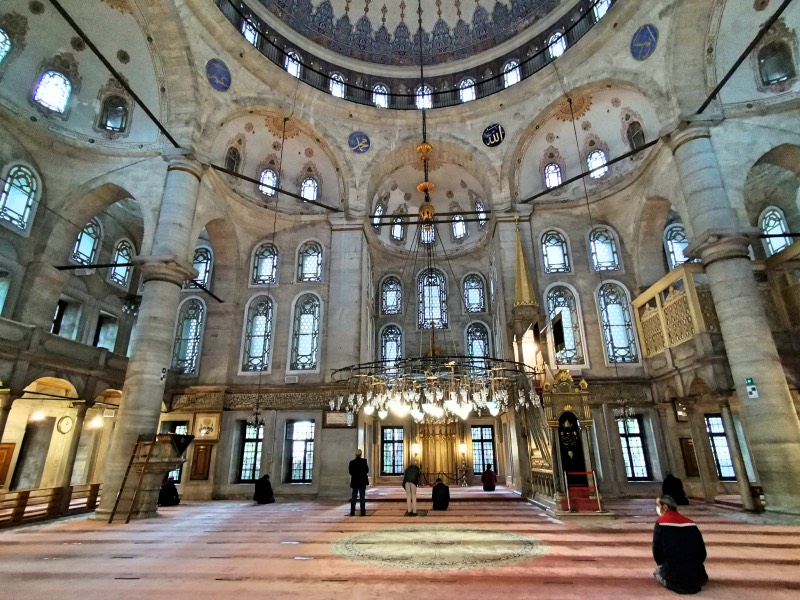
Eyup Sultan Mosque – Interior
It is one of the oldest cemeteries in the city. Istanbulites all throughout their history have welcomed cemeteries as part of their ‘daily’ lives. Cemeteries are located inside the city as death is seen as a natural part of life.
If you visit Istanbul, don’t forget to pay a visit to Eyup. Follow the footsteps of Turks who walk a long path uphill passing by the graves of their ancestors. These people were the diplomats. poets, writers, painters, soldiers, nobleman of the world before us.
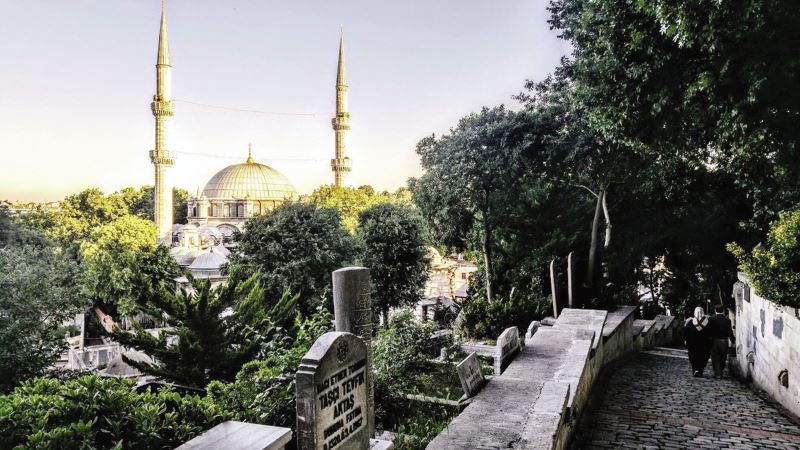
Eyup Sultan Cemetery
Close to the end of the road, on your left, you will see the tomb of one of the leading painters of the Ottoman Empire: Avni Lifij.
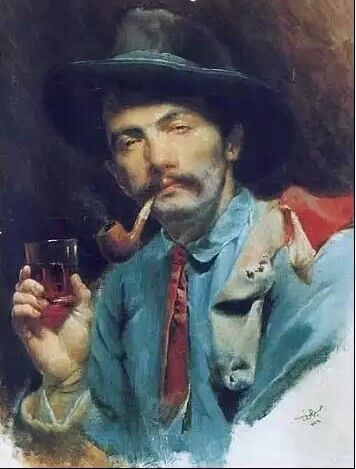
Huseyin Avni Lifij (1886-1927) autoportrait
At the end of this road is the Pierre Loti Hill where there is a ‘retro’ cafe where you can sip a cup of Turkish coffee or a glass of Turkish tea and watch the Golden Horn with its ever changing colors.
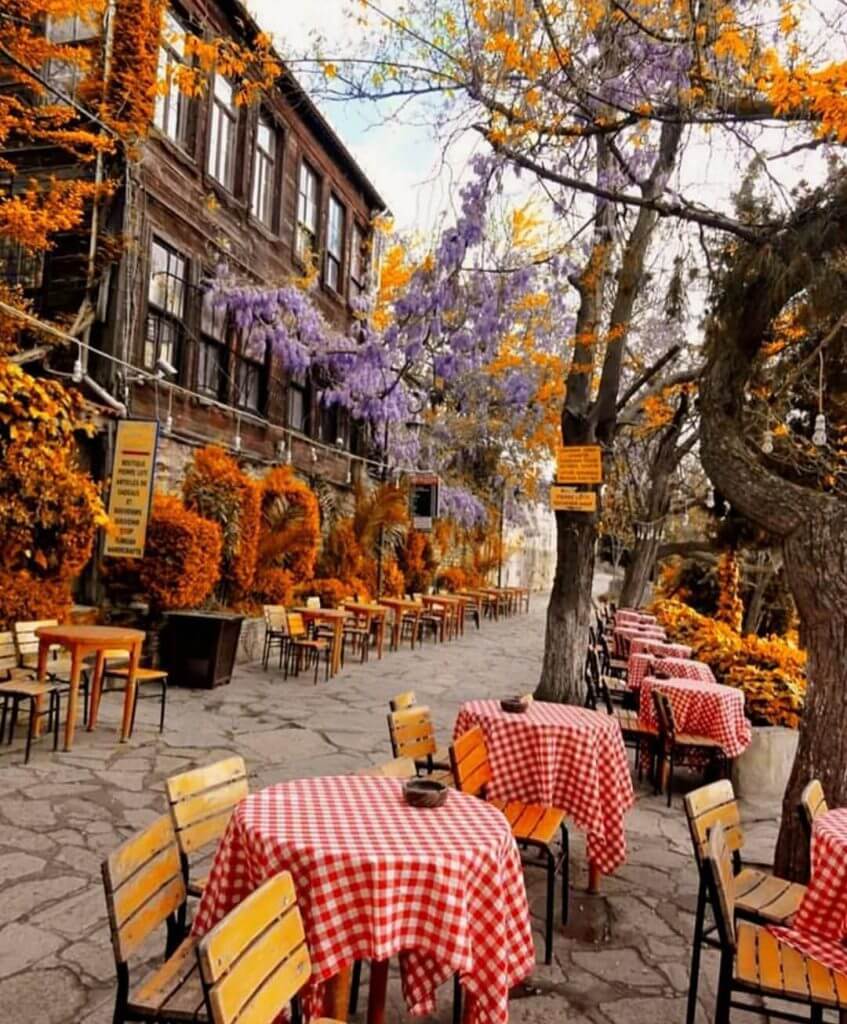
Pierre Loti Cafe
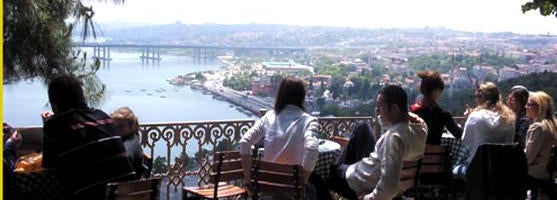
The View of Golden Horn from Pierre Loti Hill
The reason this hill was named after Pierre Loti is linked to the life of this 19th century Frenchman who paid frequent visits to this hill for overlooking the Golden Horn.
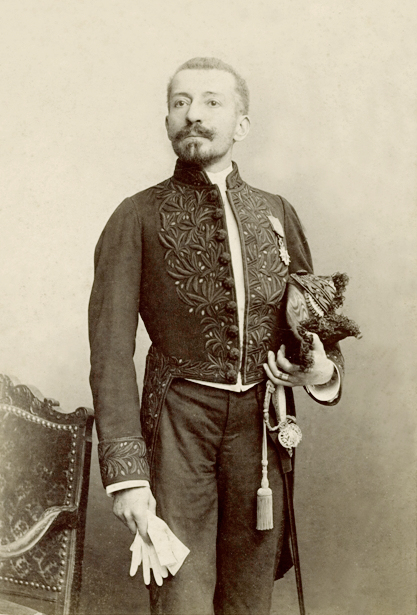
Pierre Loti (1850-1923) in uniform
Pierre Loti was a French marine soldier who travelled the world but fell in love with the Ottoman Capital Istanbul. He paid frequent visits to the city and lived in Istanbul for long durations after 1876 till 1919. He wrote a novel named Aziyade in 1879 which was based on his secret love affair with an Ottoman woman who belonged to a nobleman’s harem. He wrote about the unhappiness of harem women in his novel named Les Desenchantées in 1906, the challenges of a declining empire in La Turquie Agonisante in 1913 and his defense of the Ottoman Empire against the western powers in Suprèmes Visions d’Orient in 1921.
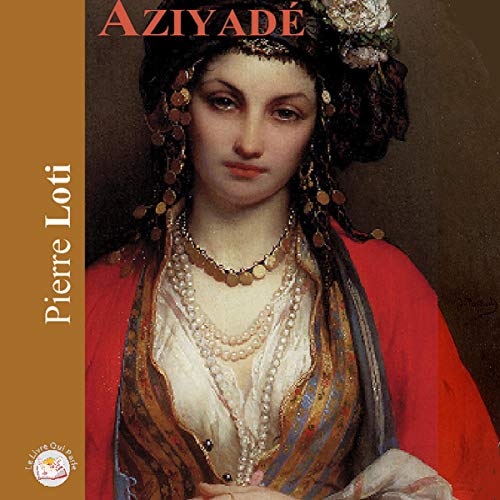
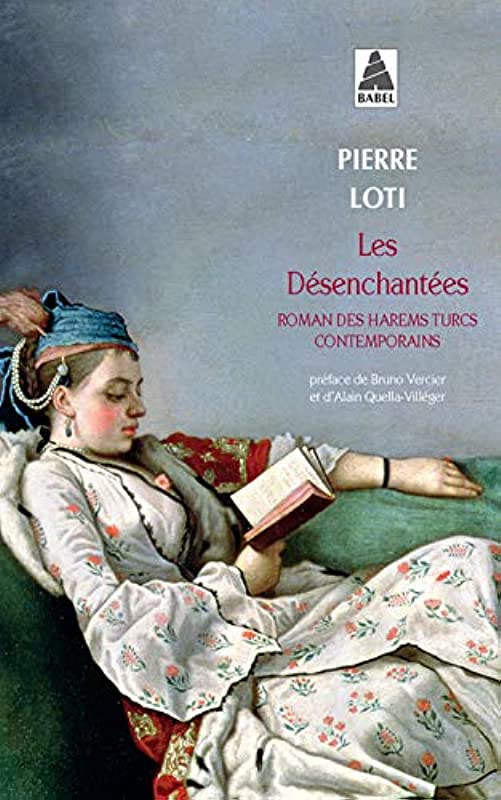
He was fascinated with the Oriental spirit of Istanbul with its decorum and people. He enjoyed travelling in the city, resting in hammams, smoking ‘nargile’, wearing the flamboyant Ottoman costumes with their rich colours and fabrics. He enjoyed paying a visit to Ottoman antique dealers to buy cushions, fabrics, carpets, objects and tiles to decorate his home in the most oriental way possible. He was not only an outside observer but a man aspiring to be local.
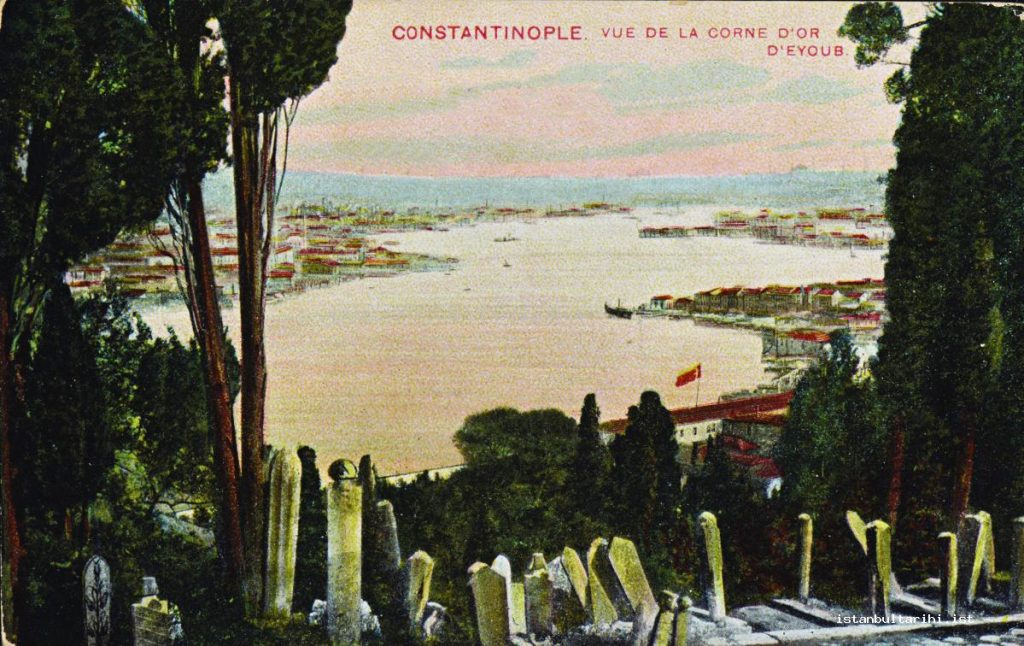
The view of Golder Horn from the ‘Pierre Loti’ Hill in the 19th century
I always get a sense that Pierre Loti found a peace of mind within the tolerance, diversity and tranquility of the 19th century Istanbul. A pre-capitalist and a pre-industrial Istanbul that gave Loti the serenity he needed. I also think that he also found a freedom in the Orient which he could not find in his home country. Istanbul was a place in which he could be himself and create.
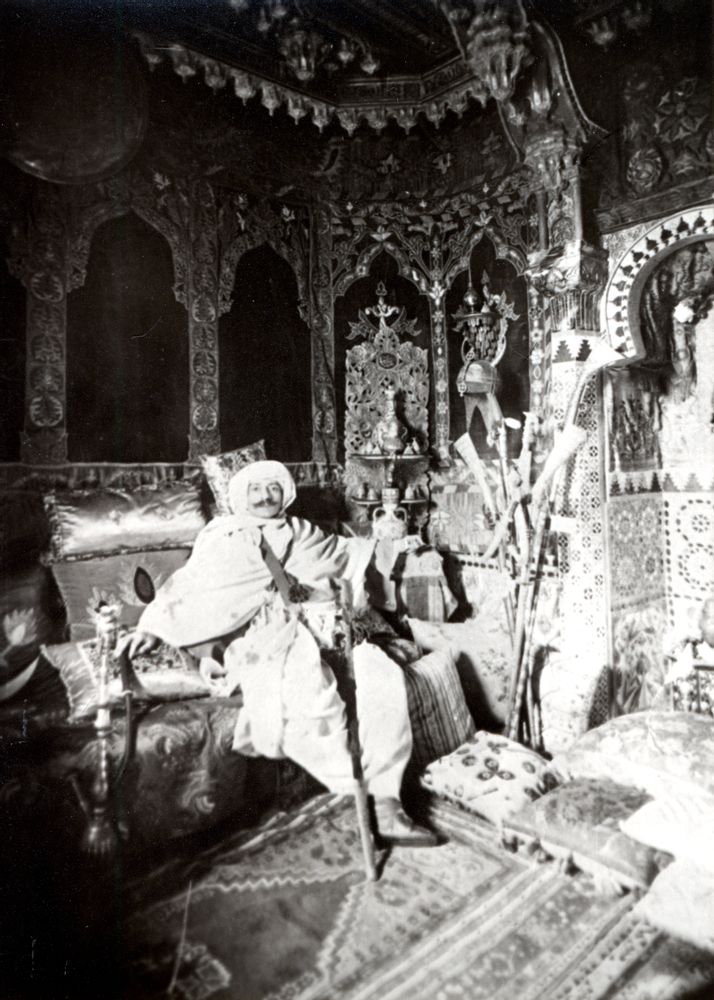
Pierre Loti – the man of an Oriental dream
Pierre Loti experienced 19th century Istanbul as an Oriental dream. A dream which he took home with him to France. Recently, I have learnt that his home in France is being renovated.
When I looked at the decoration of his home in Rochefort, I was fascinated with the Oriental dream he had recreated in his own home with Ottoman fabrics, furniture, carpets, tiles and objects.
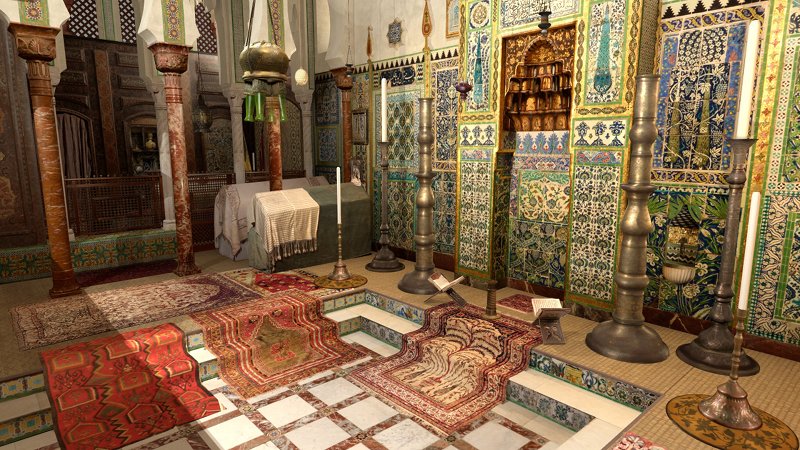
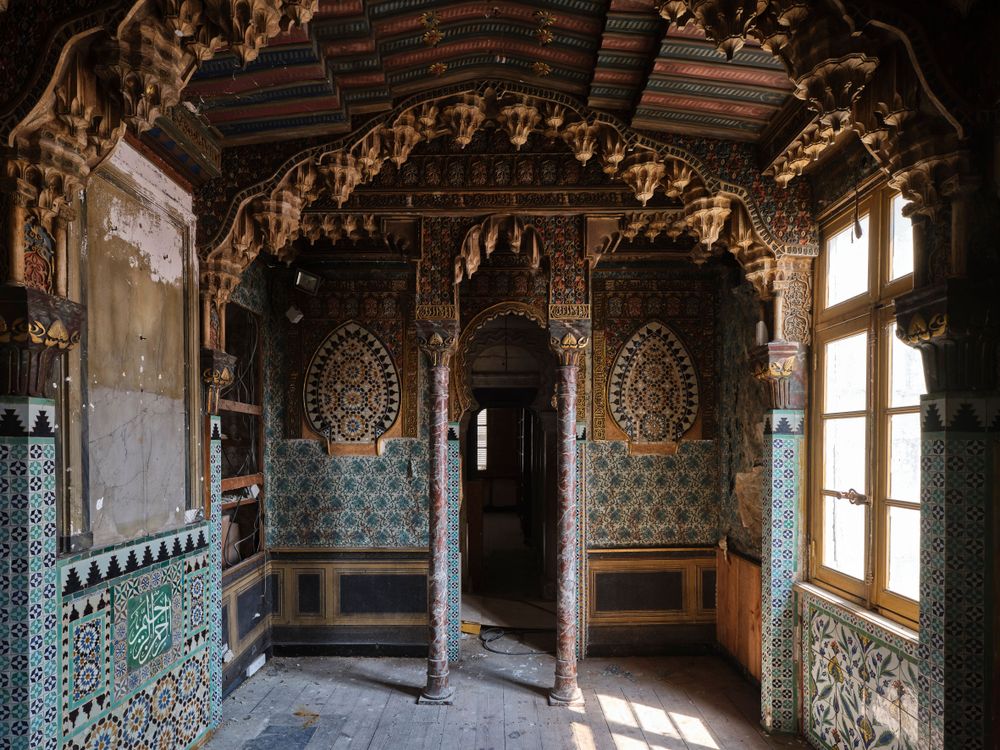
Scenes from Pierre Loti’s home in France
His belongings and objects he brought from the ‘Orient’ had been on display in the Musee Hebre de Saint-Clement in 2016.
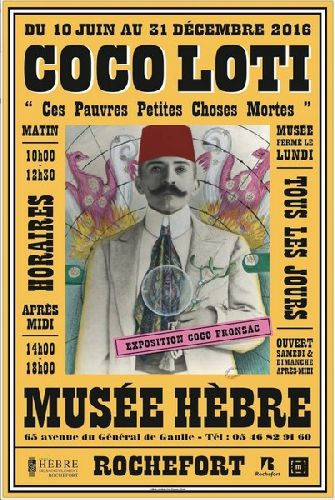
His name now lives in a street in the Sultanahmet district and on the hill overlooking the Golden Horn. As a Turkophile at heart, he deserves to be remembered for the passion he had for Istanbul and Turkish culture that had captivated him.
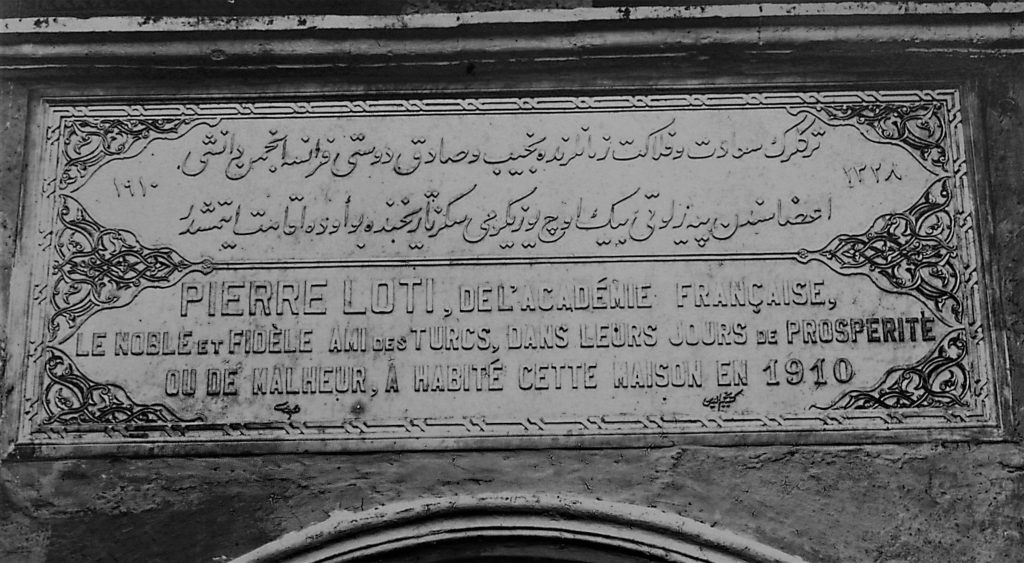
Istanbulites remember Pierre Loti with a ‘note’ on the building he stayed for nine months in 1910 in Cemberlitas
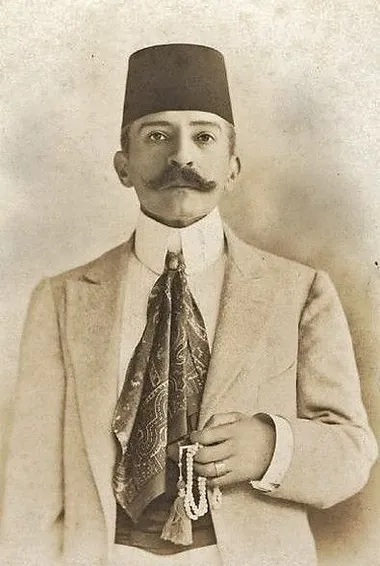
Pierre Loti dressed in Ottoman costumes