
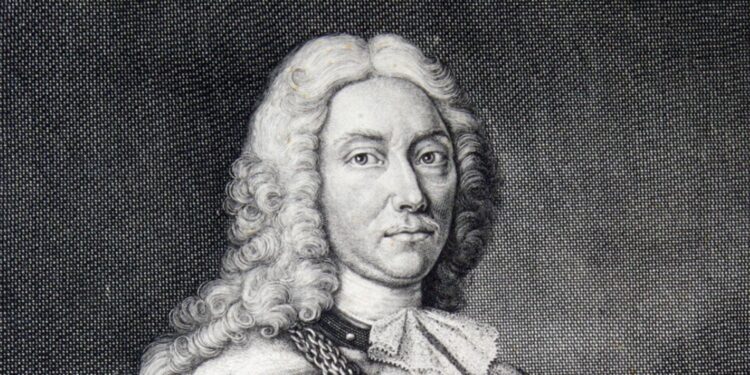
Dimitrie Cantemir (1673-1723)
Dimitrie Cantemir was a Romanian Prince, a polyglot and a musicologist. He was considered as one of the prominent early Enlightenment figures of his time.
Dimitrie Cantemir was sent to Istanbul as a pledge by his father when he was only 15 years old. He spent his youth in Istanbul where he attended the Academy affiliated with the Roman Orthodox Church. He had a deep interest in the history, politics, culture, arts and especially music of the Ottoman Empire. He learnt Ottoman, Arabic and Persian to have a deeper understanding of the Ottoman culture.

Greek Orthodox Academy in Fener established in 1454 right after Ottomans conquered Constantinople and must be among schools with the most magnificent view in the world. The current building dates back to 1881.
What makes him important for the Turkish music history is that he saved 355 instrumental pieces of music from oblivion through recording them in a musical notation system that he had developed. 9 of these pieces belong to Cantemir himself. Only due to him that these instrumental pieces of music created in the Imperial Capital Istanbul in the 16th and 17th centuries have survived to this day.

Notation system of Cantemir which is preserved in Istanbul University Turkish Institute
His musical notation system has never gained popularity and has not been widely used after him but it is our fundamental source of knowledge documented in his ‘Book of the Science of Music.’

A page from the Book of the Science of Music where Cantemir dwells on ‘tambur’ (a Turkish musical instrument)
Jordi Savall discovered ‘the Book of the Science of Music’ and 355 compositions that have survived to this day through a friend named Dimitri Psonis who is a specialist in Oriental music and decided to prepare his album named Istanbul. Savall chose 7 pieces out of Cantemir’s book for the album. There is a total of 21 pieces in the album, the rest of which belong to Sephardic and Armenian musical traditions in the Ottoman Empire. The album was released in 2009.
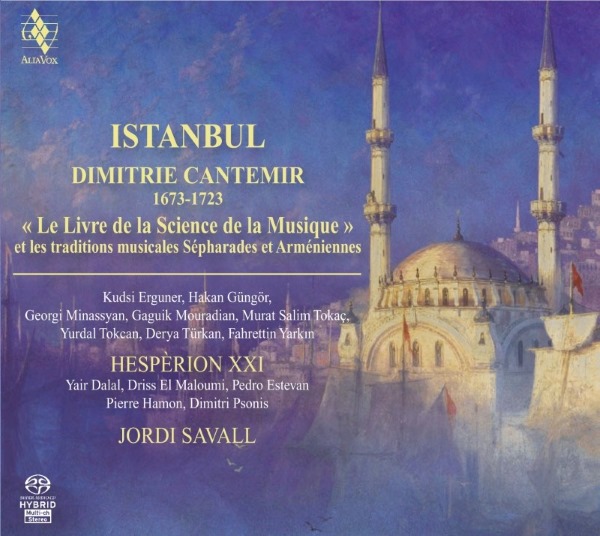
Savall is a Catalan musician interested in musical traditions across the world and this time, he has done a wonderful job through performing these pieces of Ottoman music which we owe to Cantemir.
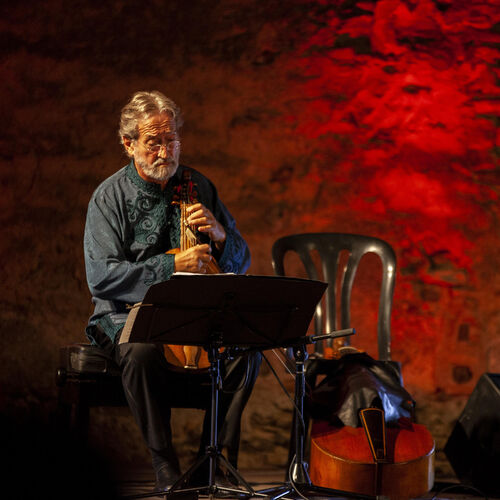
Jordi Savall
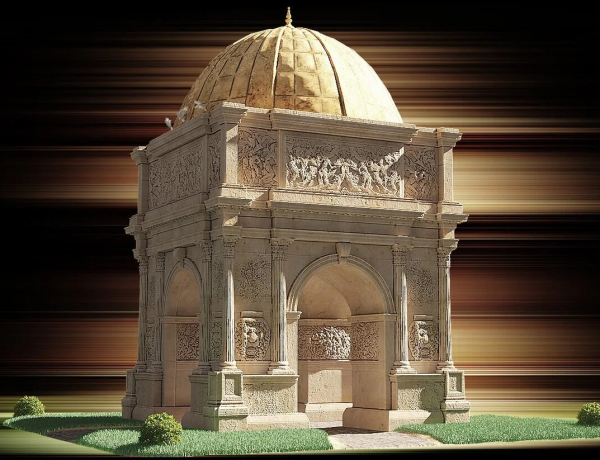
Dimitrie Cantemir’s house in Fatih is now a museum.
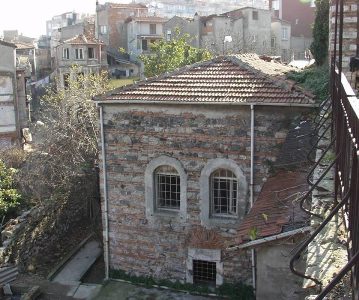
Cantemir’s house in Fatih
Let’s lend an ear to Jordi Savall and his ensemble who takes us to the 17th century Istanbul partially due to Cantemir and his musical genius.
Let me end with a final note on Dimitrie Cantemir. As an irony of history and as a reflection of the paradoxes of human nature, Cantemir sided with Russia and fought against the Ottomans after he returned to his home country. This was the same man who saved Turkish music from oblivion.