
On the shores of the Golden Horn, where the city of Istanbul breathes through layers of empires, there is a place undergoing one of the most striking transformations of its recent history: Tersane İstanbul.
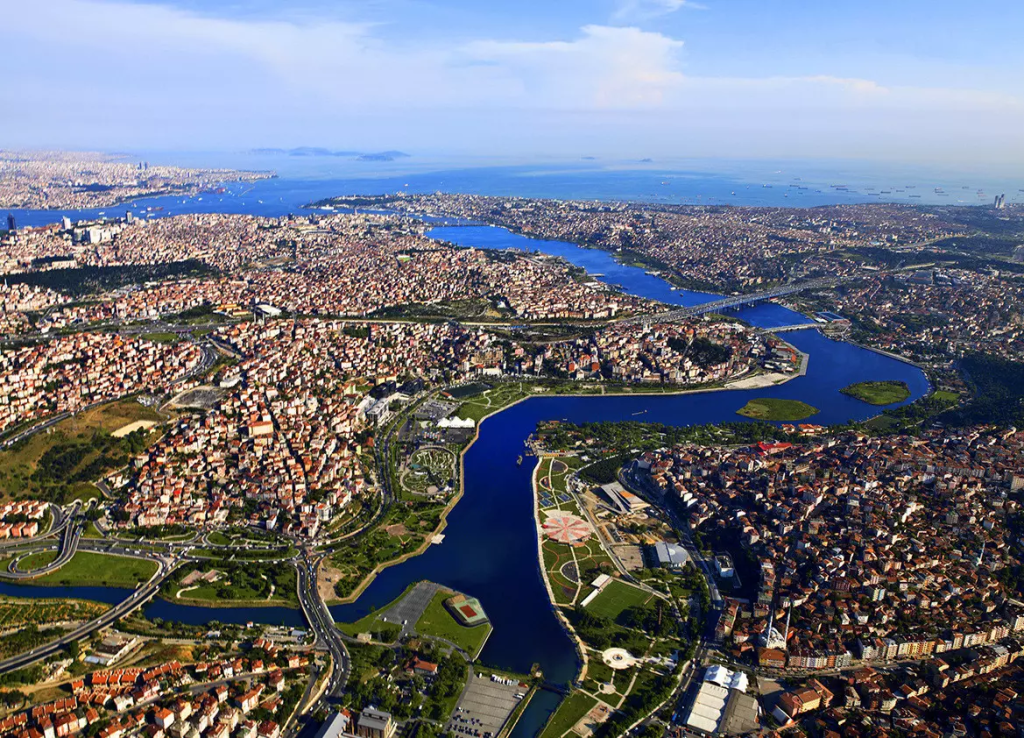
The Golden Horn is a historic estuary in Istanbul where the freshwater of rivers meets the saltwater of the sea, dividing the European side of the city into its old and modern parts.
Once an expansive Ottoman naval shipyard, this industrial complex played a crucial role in the maritime power of the empire. For centuries, its docks, workshops, and dry docks echoed with the sounds of labor, timber, iron, and saltwater. It was a space defined by function, discipline, and production—hidden in plain sight along one of the most historically charged waterways in the world, the Golden Horn.
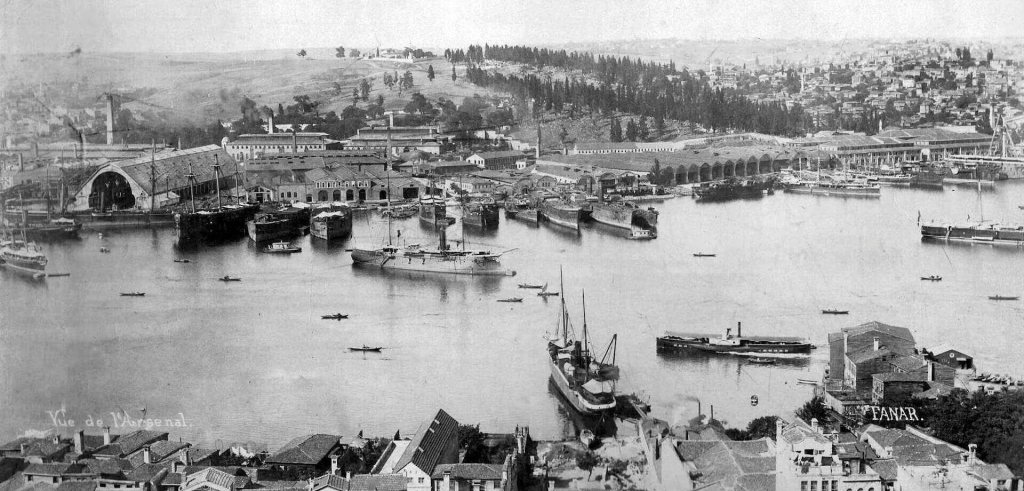
A historical glimpse at Tersane
The history of Tersane İstanbul goes back to the 15th century. Its origins are tied to the early Ottoman period, shortly after the conquest of Constantinople in 1453, when Fatih Sultan Mehmet (Mehmed the Conqueror) ordered the establishment and expansion of naval infrastructure along the Golden Horn. This area became one of the empire’s main shipbuilding and naval maintenance centers. It was then significantly expanded in the 16th century, especially under Süleyman the Magnificent, when the Ottoman navy reached its peak power and the shipyard became a vast, highly organized industrial complex.
Even before the Ottomans, the Golden Horn had already been used for maritime and dock-related activity during the Byzantine era, so the site carries an even deeper continuity of shipbuilding and harbor use.
Today, that same site is being reimagined as a new urban quarter where history does not disappear, but is reinterpreted. Tersane İstanbul is transforming into a mixed-use cultural district—bringing together living spaces, boutique hotels, contemporary art venues, museums, design-led retail, and waterfront leisure areas. It is no longer a closed industrial zone, but an open, breathing part of the city.
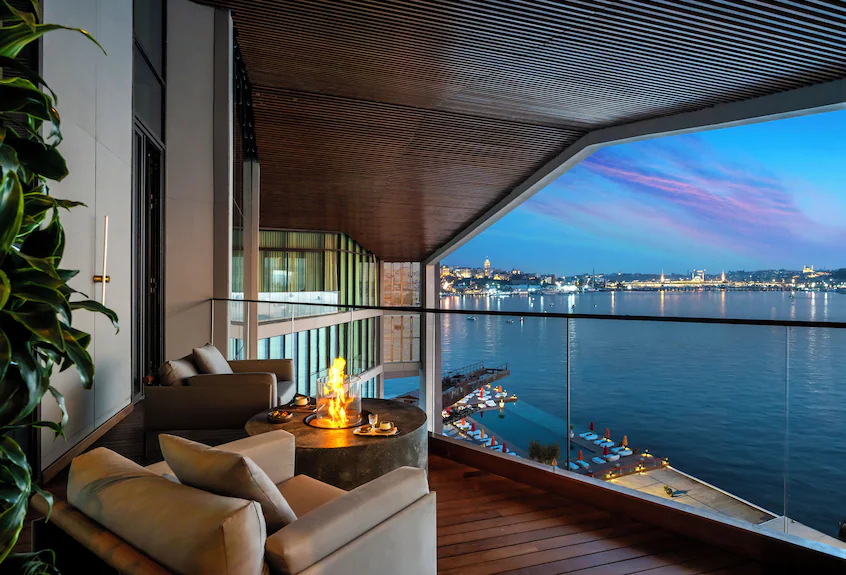
View from Rixos Tersane
What makes this transformation significant is not only its architectural ambition, but its philosophy. The old shipyards are not erased; they are preserved, restored, and integrated into contemporary life. Cranes become sculptural landmarks, stone warehouses become galleries, and waterfront corridors become public promenades. It is a careful negotiation between memory and modernity.
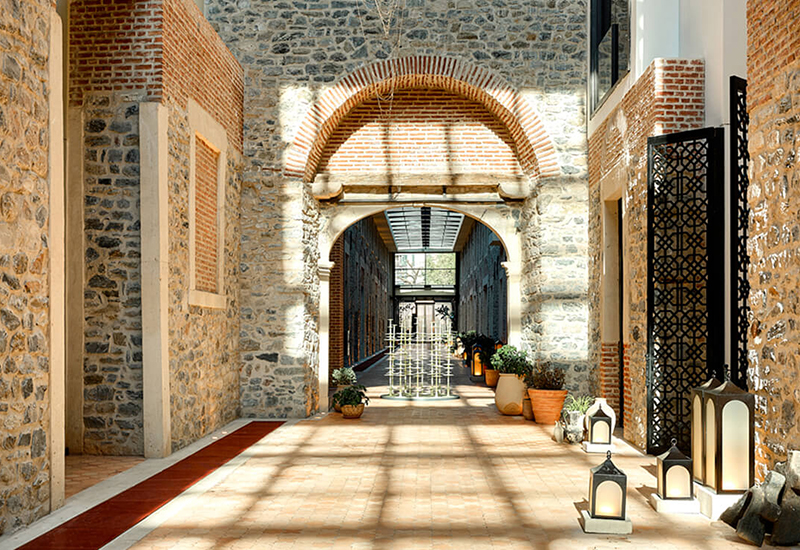
Detail from Aliee Hotel, Tersane
In many ways, this is the future of Istanbul: a city that does not abandon its past, but continuously rewrites it into new forms of urban life. Tersane İstanbul stands as a prototype of how heritage and innovation can coexist, not as opposites, but as companions.
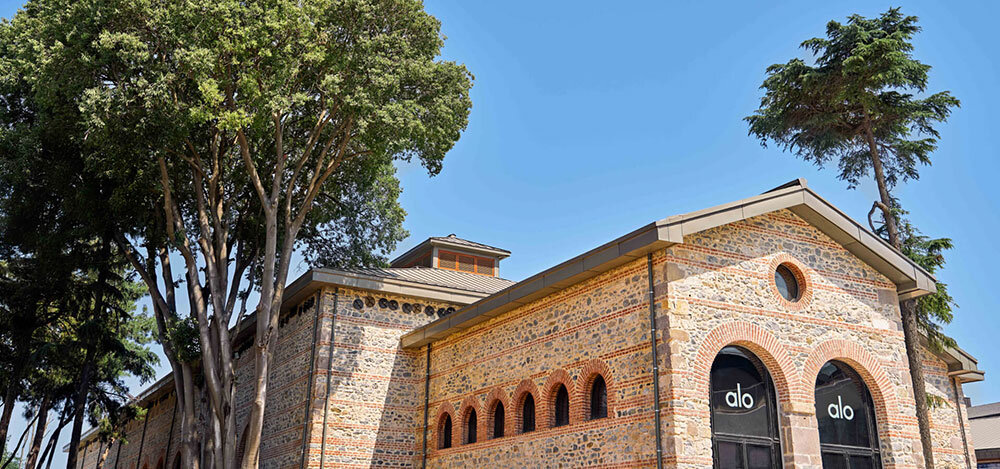
One of the stores of The Mall Tersane
And yet, even as it becomes a symbol of the future, its greatest power remains its position in the deep time of the city. Standing along the Golden Horn, one can still feel the immense continuity of Istanbul’s layered identity. Across the water rise the silhouettes of Hagia Sophia, the majestic domes of Süleymaniye Mosque, and the enduring presence of the Fener Greek Orthodox College, each carrying centuries of memory, faith, and culture.
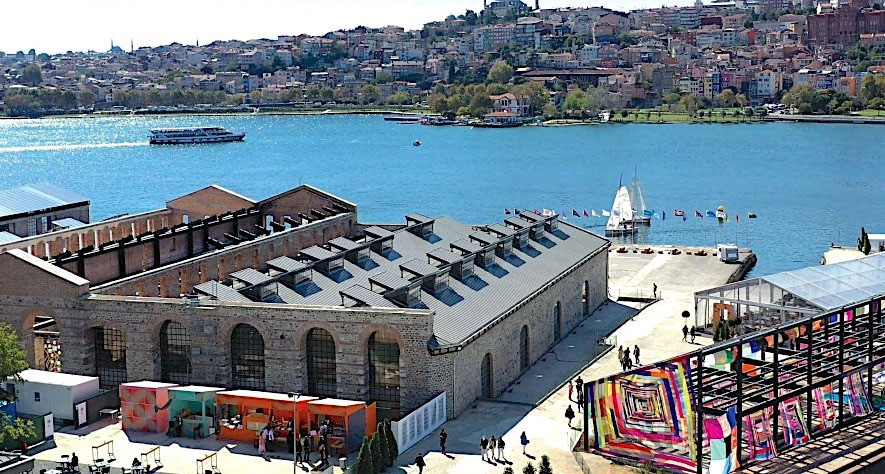
Tersane İstanbul overlooking the Golden Horn
To be here is to experience something almost disorienting in its richness: thousands of years of history layered within a single horizon line. Byzantine, Ottoman, and modern Istanbul coexist in one gaze. The past is not behind. It is all around.
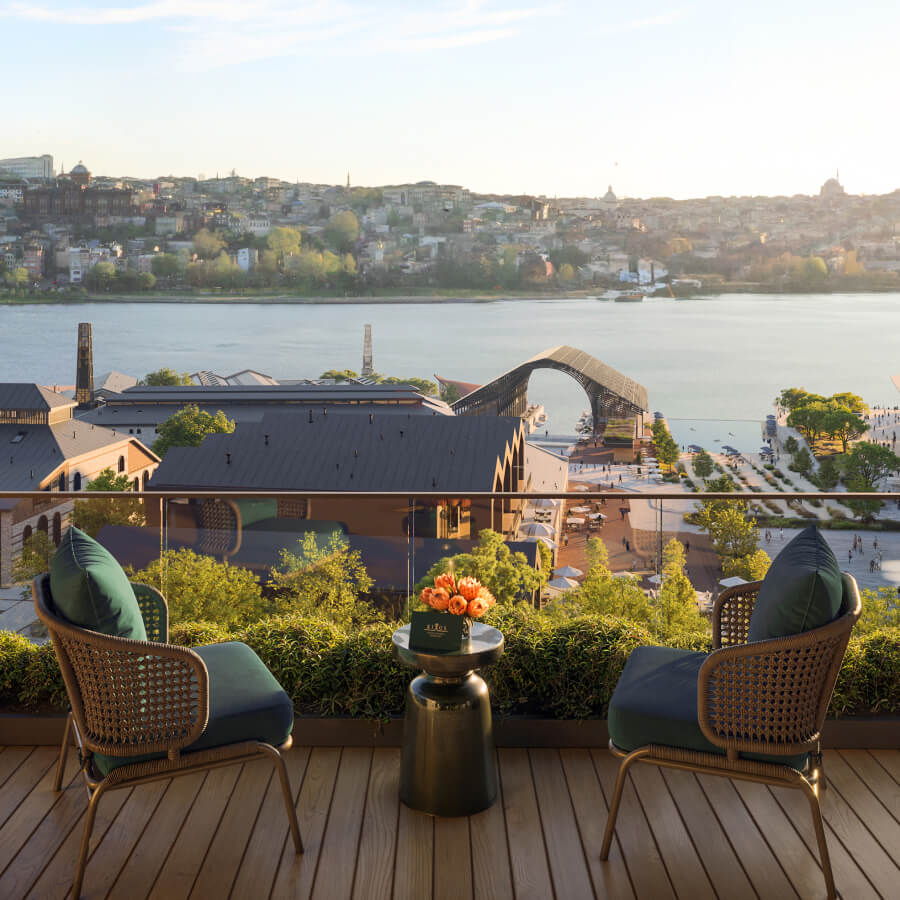
View from one of the residences at Tersane Istanbul
So do yourself a favour and make sure to visit Tersane Istanbul to enjoy its excellent hotels, amazing viewsover the Golden Horn, its beautifully designed shopping area, and its many cafés and restaurants. It will simply take your breath away!
And here is a teaser for Aliee Hotel at Tersane Istanbul which is a definitely a heaven on earth!
Visit Tersane Istanbul at https://www.tersaneistanbul.com.tr/en/about-tersane.