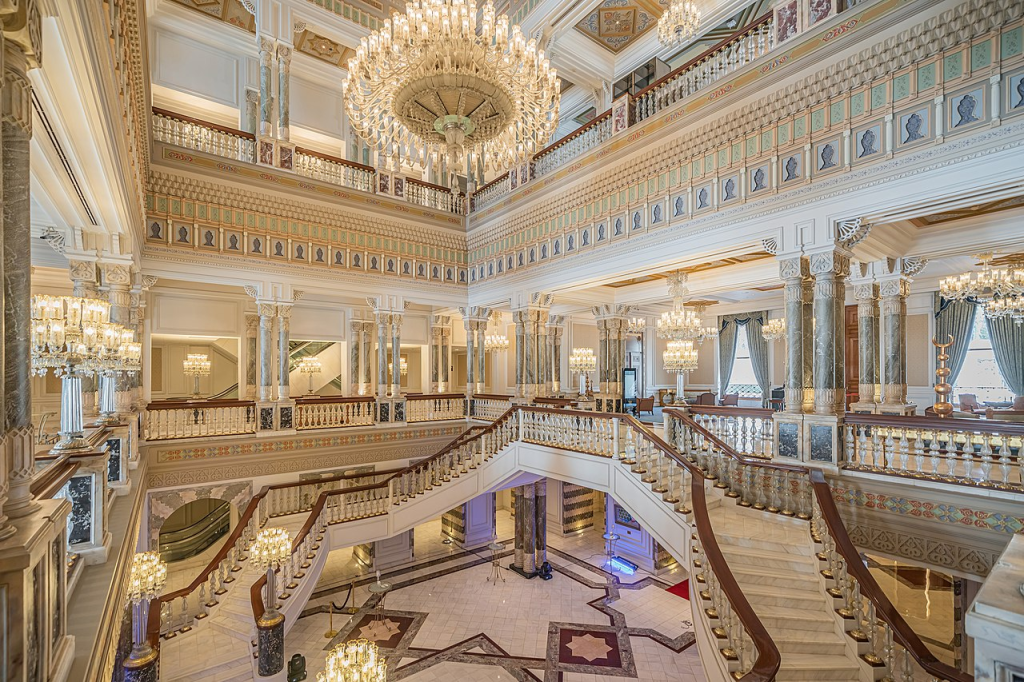

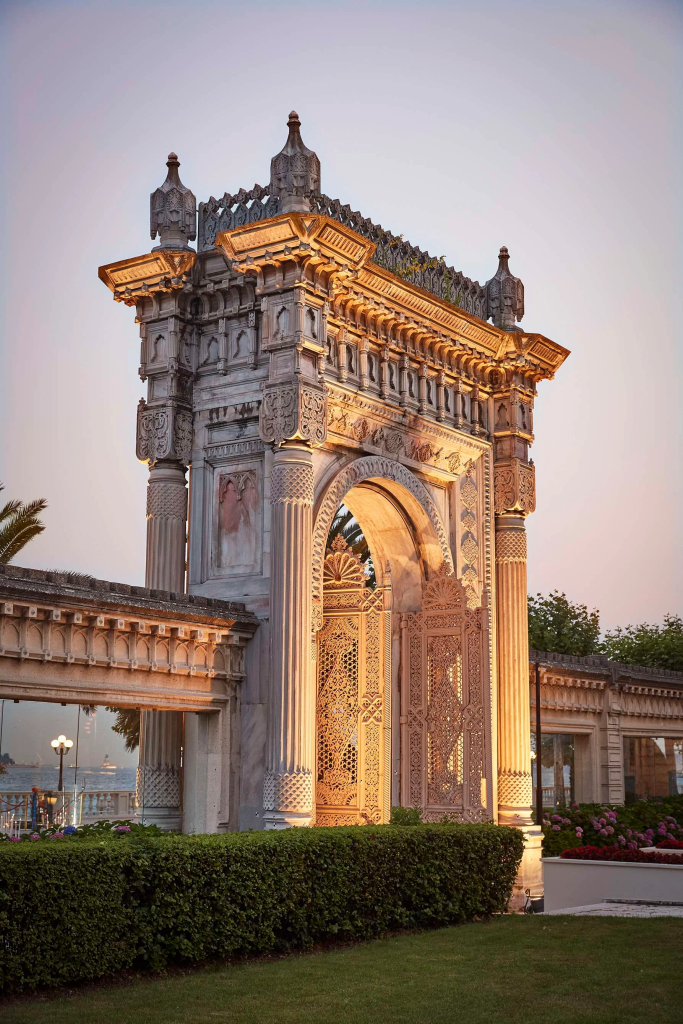
This article is about the story of a majestic building from an Ottoman Palace in the 19th century to a luxurious hotel in the 21st century. That is the Çırağan Palace located in Ortaköy by the Bosphorus which is currently Çırağan Palace Kempinski. This building has a special significance for me as it was the palace where my grandmother and her sister lived before the establishment of the Republic as a part of the harem of Murat V.
Here is the history of this majestic building for you.
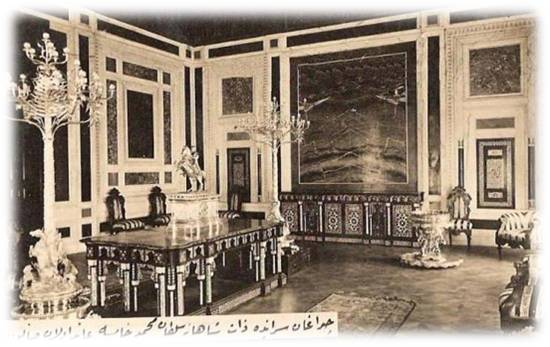
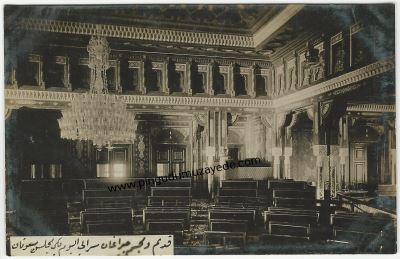
‘Çırağan Palace was called Çereğan Palace in the Ottoman period. Unfortunately, like many things that have been degenerated and lost their originality over the years, the name of Çerağan has been transformed into Çırağan in colloquial language.

Çelik Gülersoy mentions in his book Çerağan Palaces that the palace was named after the Çerağan festivities held during the Tulip Age. Çerağan means “light” in Persian. Torches were used to illuminate the festivities in the area during the Tulip Age. The palace’s name was inspired by the “light” of these festivities.
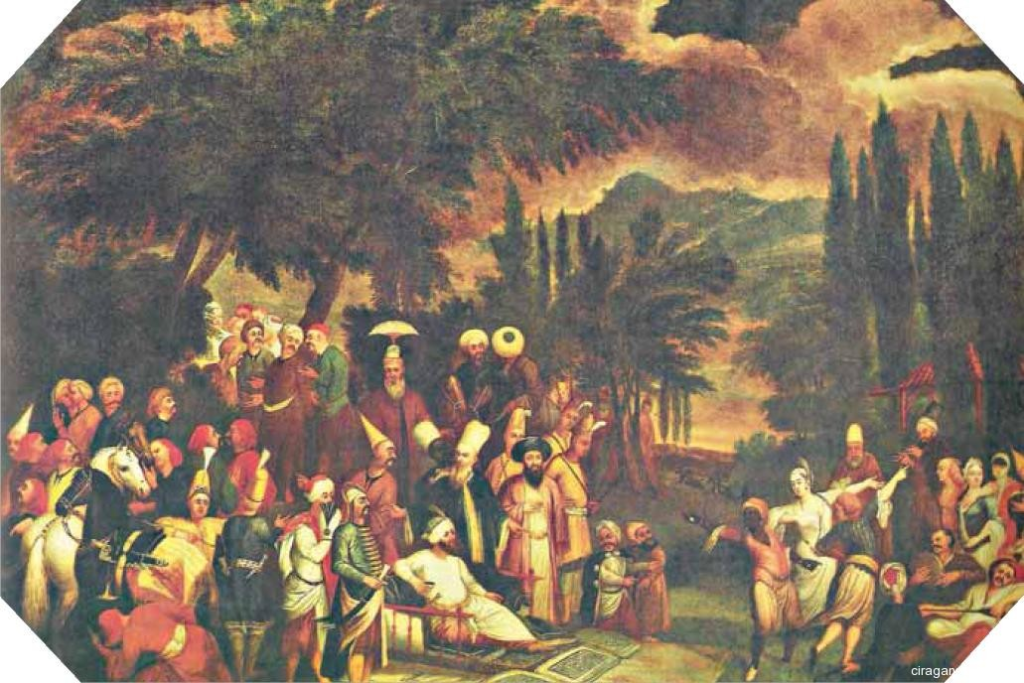
The building where my grandmother and her sister lived, and that has now become Çırağan Kempinski Hotel was built by Abdülaziz, a progressive sultan who also had the reputable high schools of Galatasaray and Darüşşafaka built, was interested in painting and Western music, took music lessons from Donizetti Pasha, and composed waltzes.

Lend an ear to this piece of music composed by Abdülaziz in order to have a glimpse of Abdülaziz’s internal world!
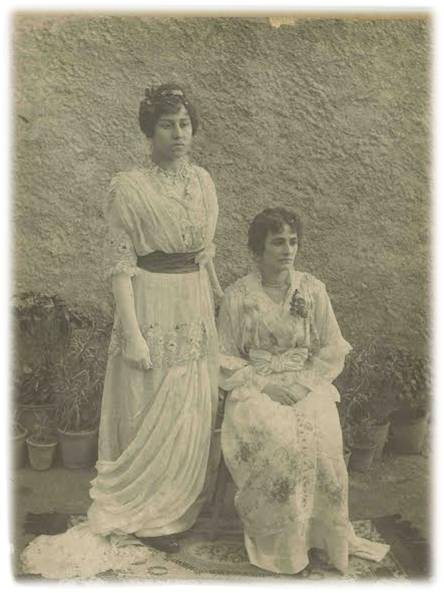
My father’s aunt Nevrestan Osmanoğlu and my grandmother Nezihe Hanım in early 1900s.
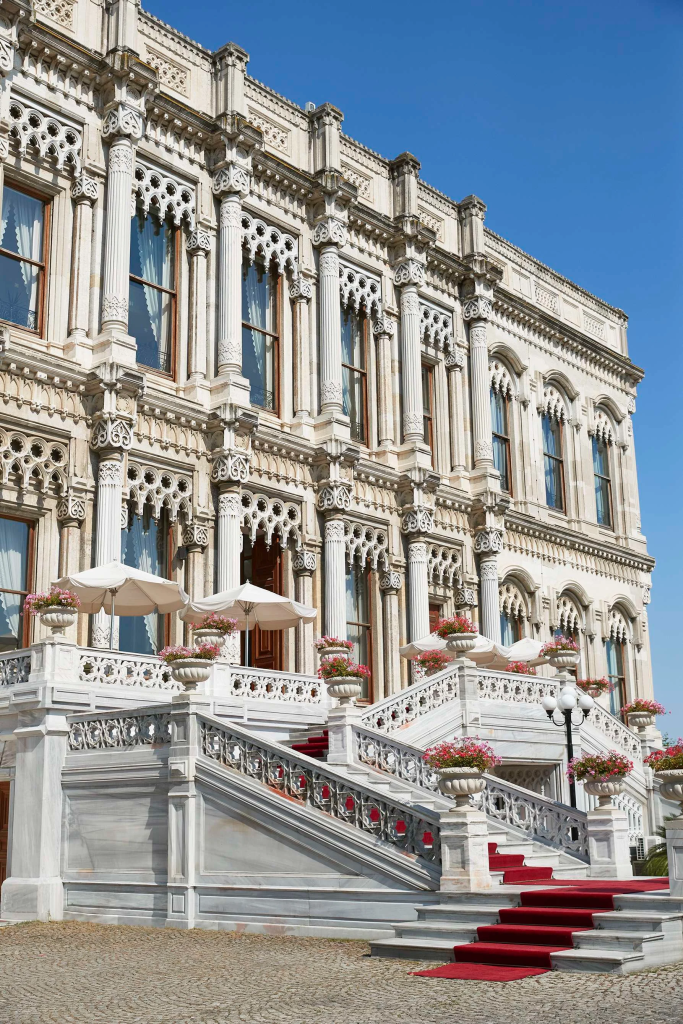
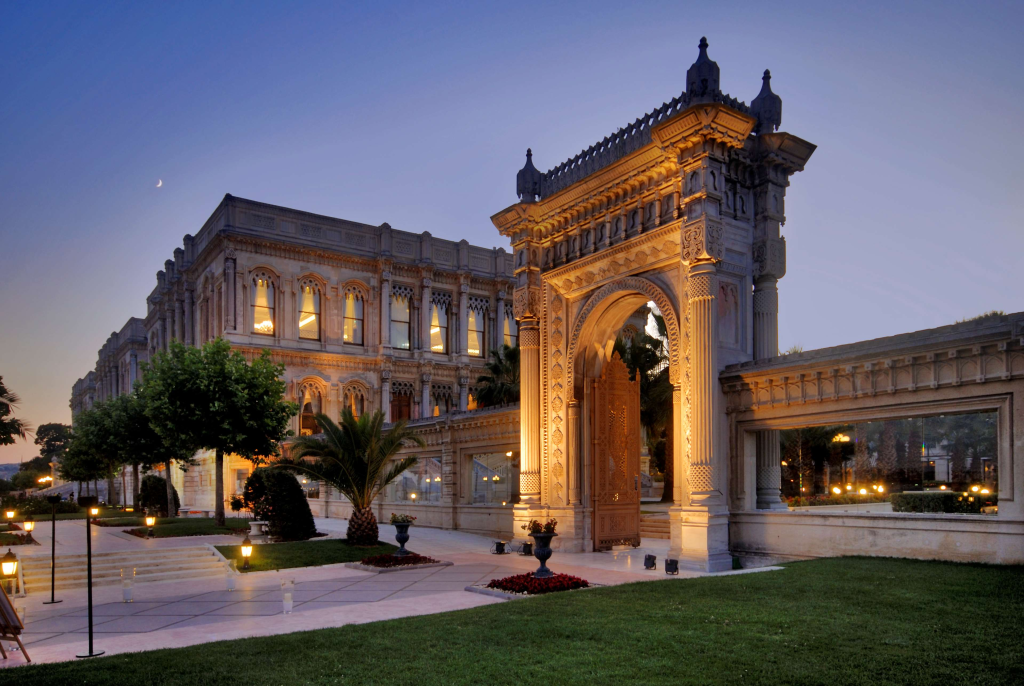
Sarkis Balyan was assigned with the task of the construction of the palace, which lasted for 12 years, and was completed in 1872. The palace has a neo-classical exterior, and classical Ottoman features in the main building. The palace yards are interconnected in the old Ottoman ways with novel materials. Sedat Eldem, professor of architecture, points out to the Maghrebian inspiration in the arch rings and pillar heads of the palace where precious stones such as white, red and green marble was used. You may refer to the Alhambra Palace in Andalusia to view the Maghrebian architecture.
Today we only consider the main building as the Çırağan Palace. However, it was an expansive living complex “covering a shoreline of 1,300 meters, comprising nearly ten detached buildings including Feriye Palaces, kitchens, bridges, and outbuildings” (Çelik Gülersoy, Çerağan Sarayları (Çerağan Palaces), İstanbul: İstanbul Kitaplığı, 1992, p. 68)
The harem building of the palace is used as Beşiktaş Anatolian High School today.
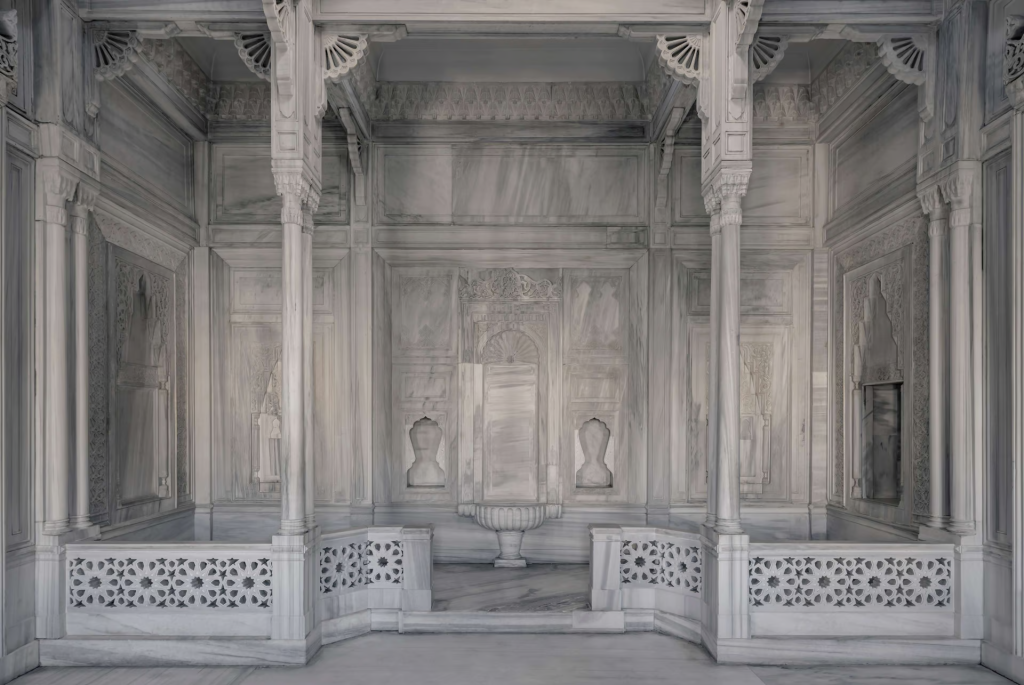
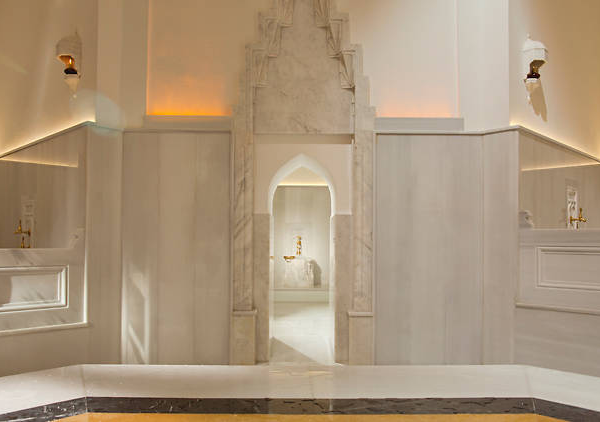
Because Çerağan Palace was burnt down in 1910, there is nothing left from the authentic structure of the main building except for the hammam. Rescued from the destroyed Çerağan Palace and installed in the dining hall of Yıldız Palace, the doors inlaid with pieces of mother-of-pearl may give us clues about the texture and aesthetics of the Palace.’ (https://mahandogrusoz.net/two-ottoman-women-from-the-history-of-my-family-nevrestan-osmanoglu-and-mrs-nezihe/)
It was here that my grandmother and her sister lived in the harem of dethroned Murat V who led a captive life away from the public gaze for 28 years.
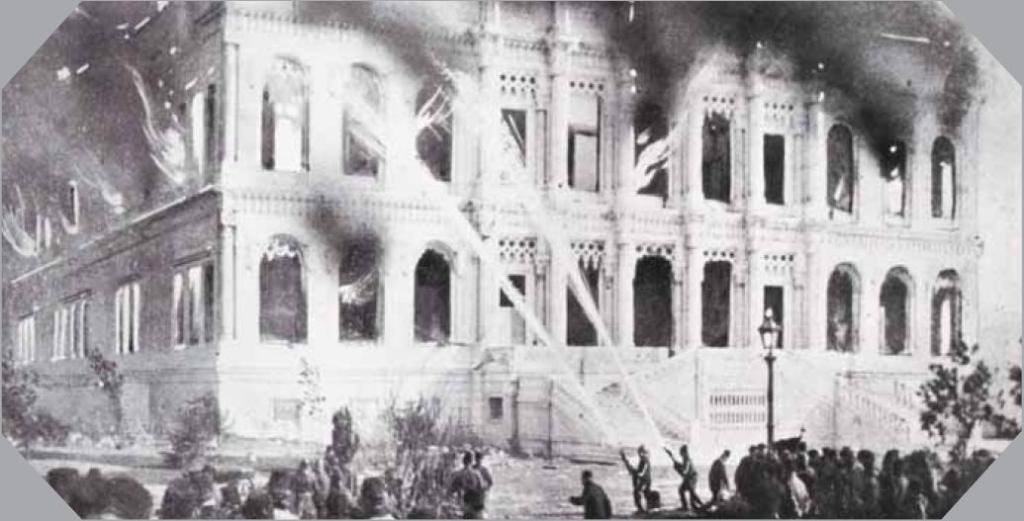
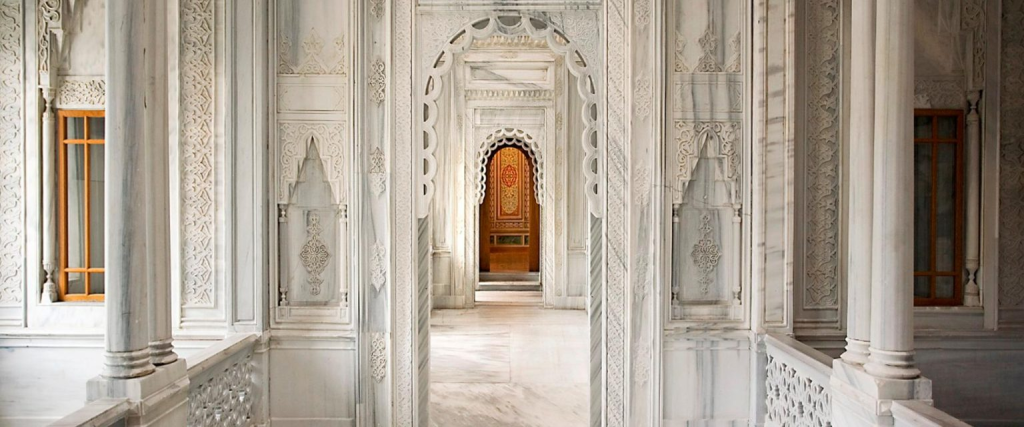
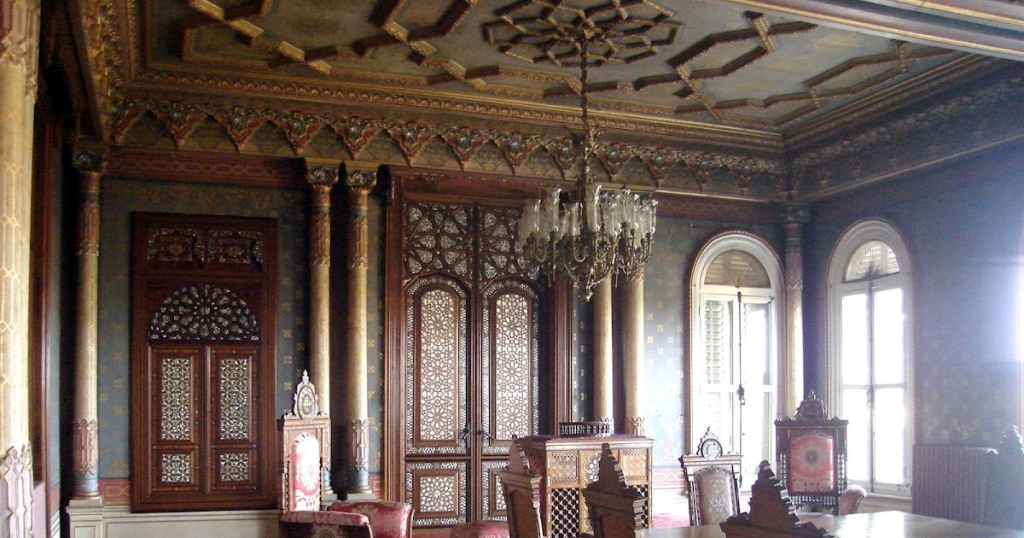
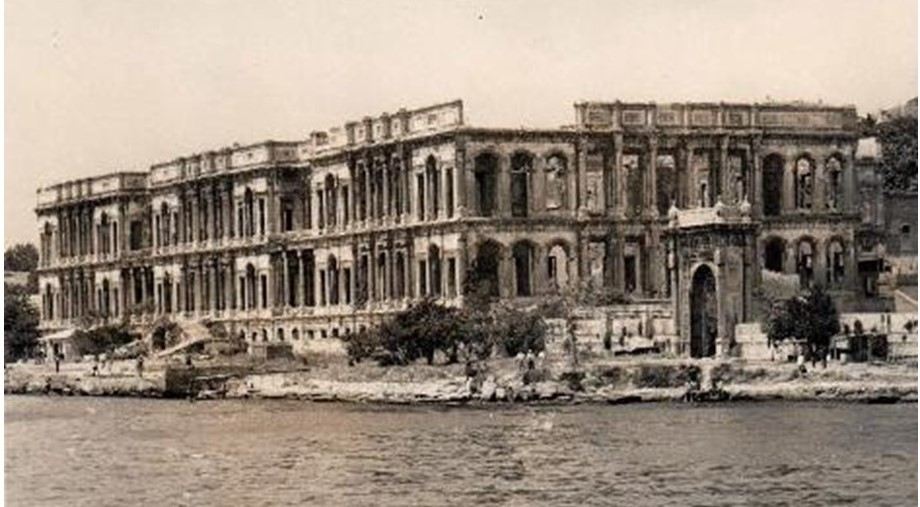
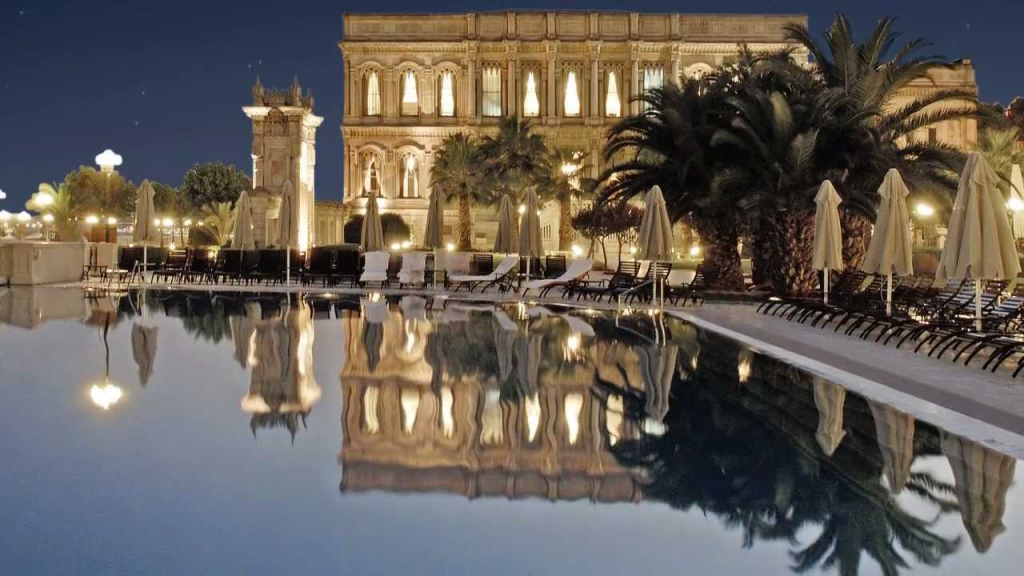
Çırağan Palace had been left to its own destiny for 82 years after the 1910 fire, up until 1992 when it was turned into Çırağan Palace Kempinski Hotel.
Kenize Murad who is a French writer was the granddaughter of Murat V and wrote about her grandfather’s captivity in the Çırağan Palace and tragedies that followed the Ottoman Family after the fall of the Empire. The book is titled ‘De La Part de La Princesse Morte’ was translated as ‘Saraydan Sürgüne’ (from the Palace to the Exile) into Turkish and as ‘Regards from a Dead Princess’ into English. If you are curious about history of this magnificent building and Ottoman Empire, you can get a copy of the book!

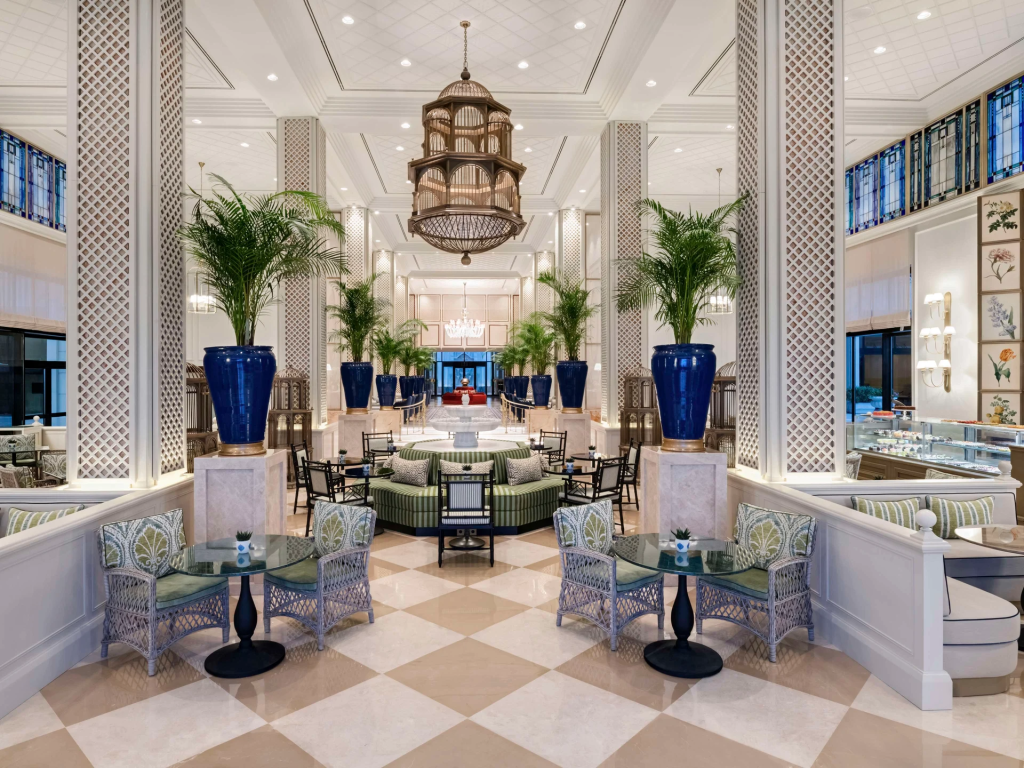
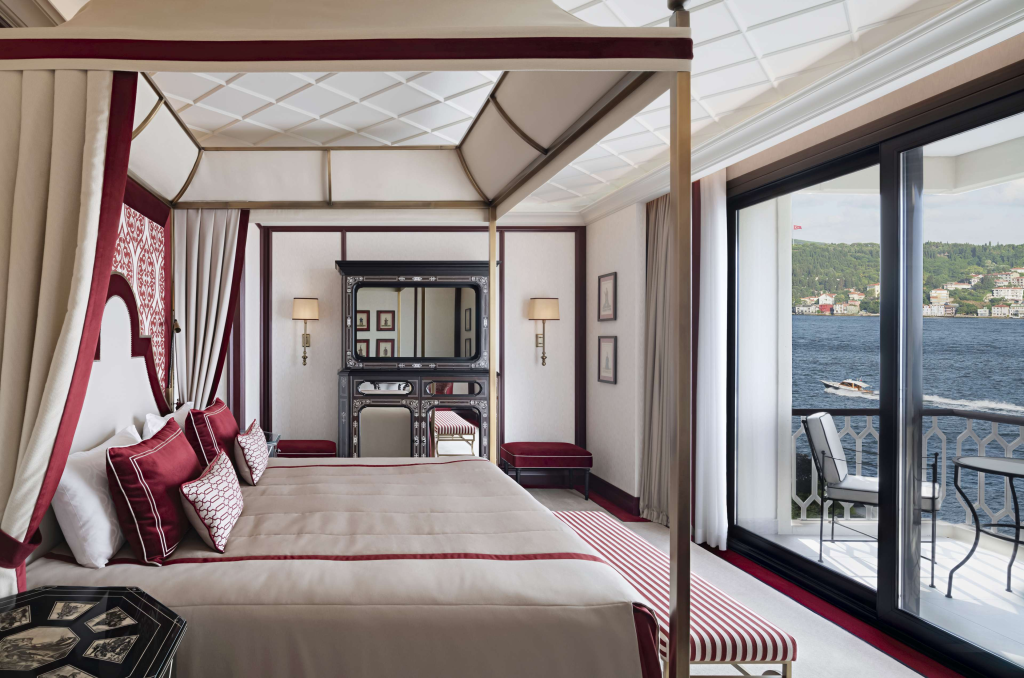
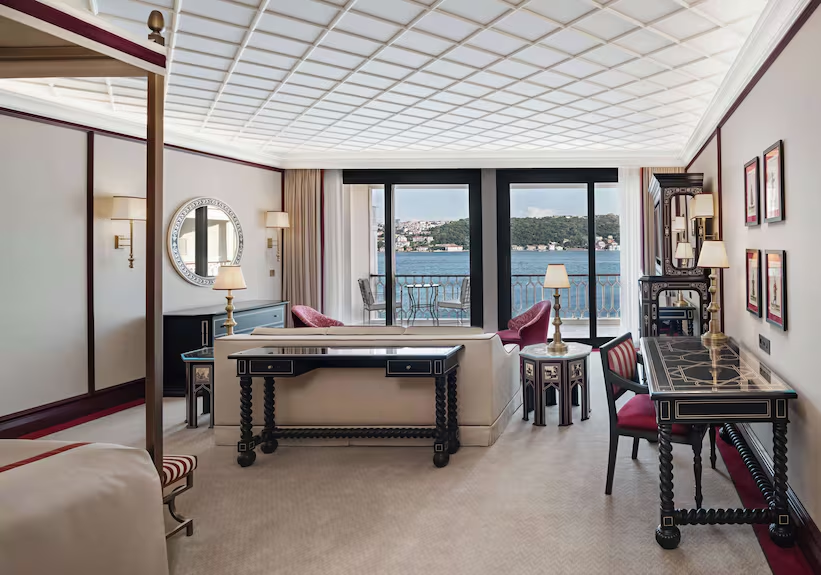
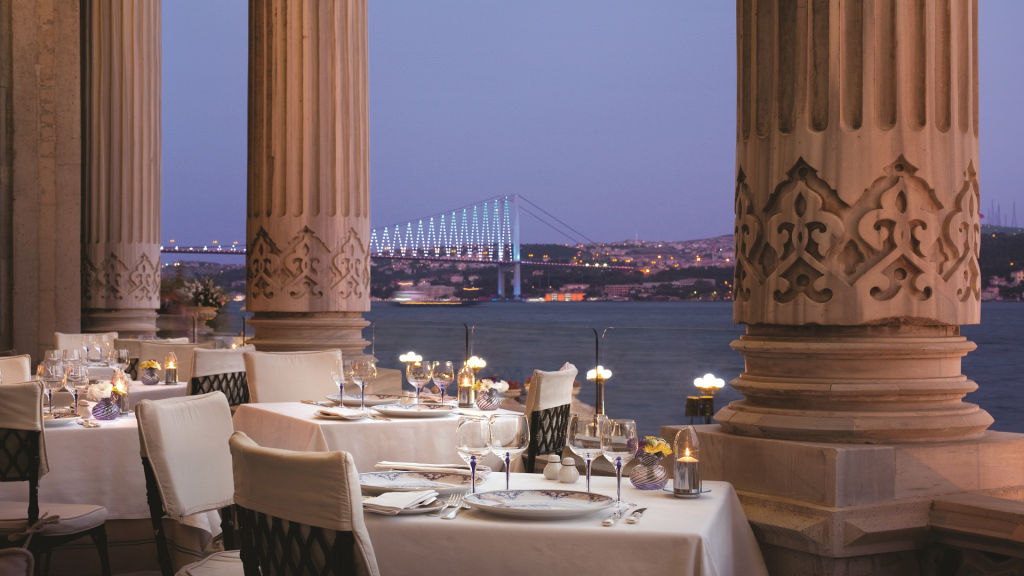
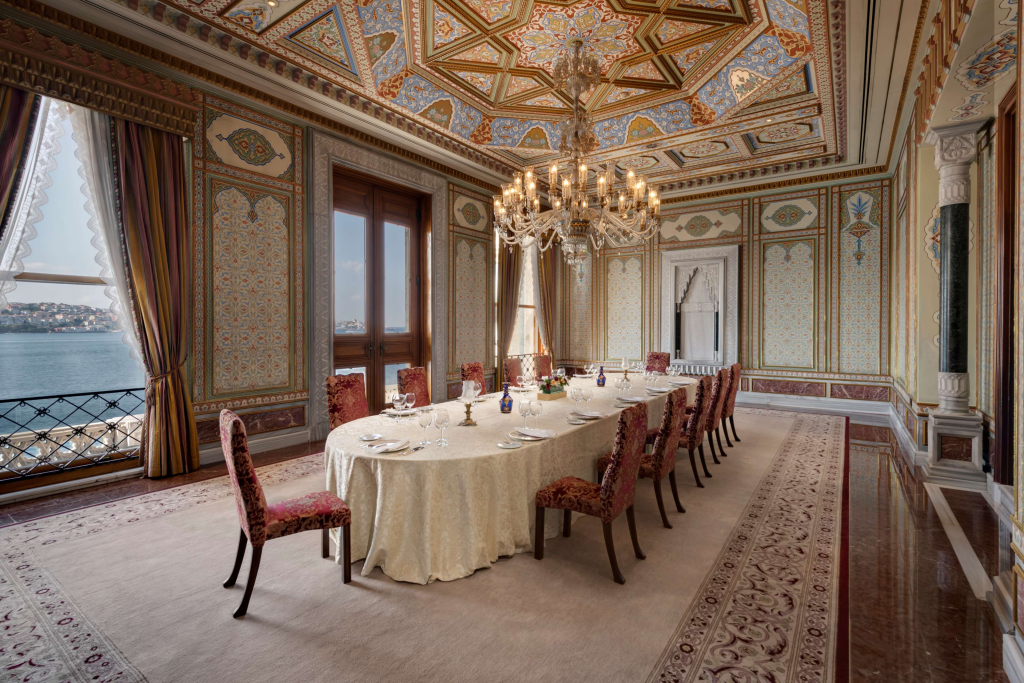
I would recommend you to visit the Palace for a sip of coffee, a stay for a special evening, a meeting organisation or a romantic dinner! The Hotel has recently gone through a massive restoration upgrading all decoration. The location is suburb! The experience can give you a glimpse of how sultans in the 19th century lived life overlooking one of the most beautiful sceneries in the world!