
Four Seasons Sultanahmet Hotel used to be a prison
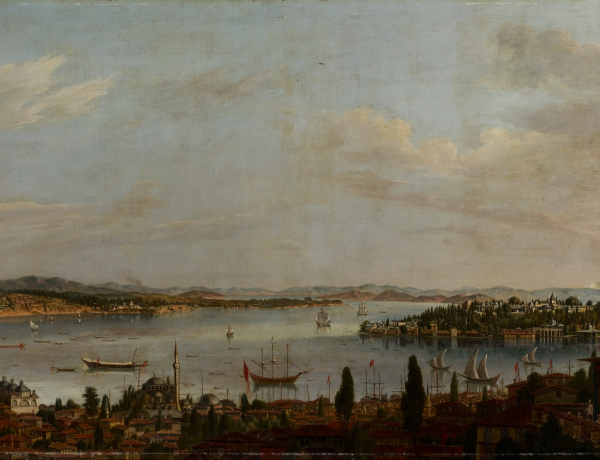
This is a city that constantly recreates itself. The functions and auras of buildings change and ‘new comers’ usually have no idea of the past of a recently restored building. Turkish people do not usually have the tradition of leaving the traces of the past on a restored building or have not developed the habit of ‘dropping’ a humble note of the past. Popular culture in Turkey lives in the ‘present’ so consumers of the luxury segment are lured by the present so noone seems to be curious of the past.
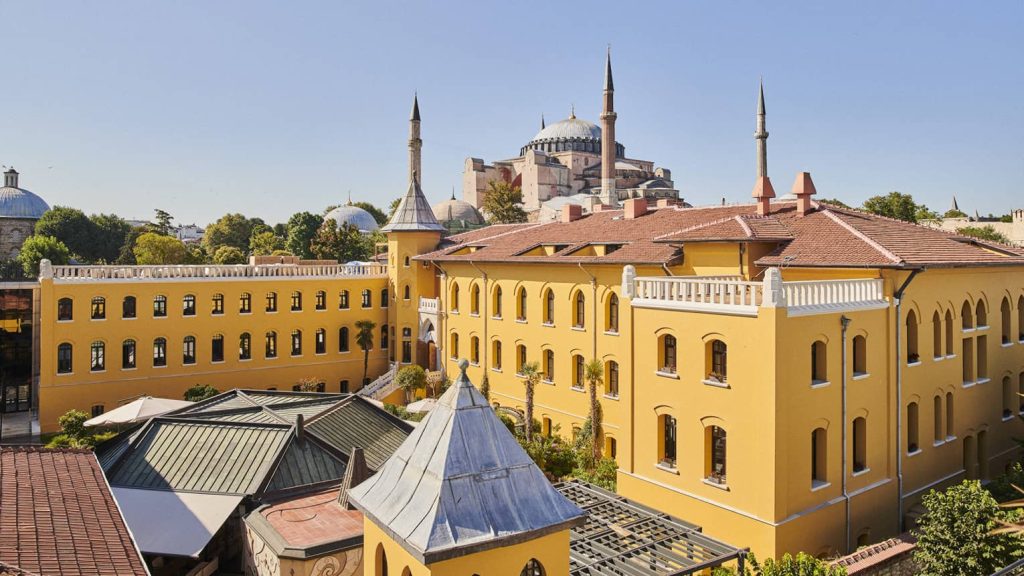
Sultanahmet Four Seasons is one of those buildings where new visitors do not have any chance of knowing the history of the building. This building was originally built as a prison at the end of the Ottoman Empire in 1918-1919. We are not fully clear who the architect was but it is assumed that Vedat Tek was the chief architect of the building.
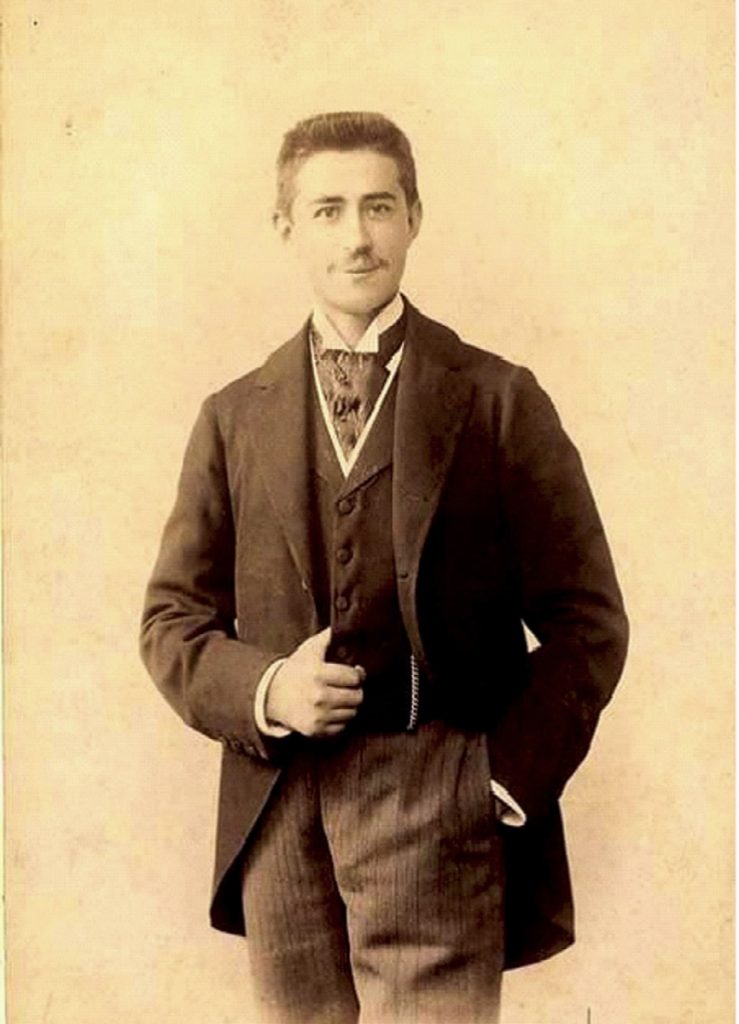
Late Ottoman architect Vedat Tek
What is really interesting is that this building was not an ordinary prison because it ‘hosted’ one of the most prominent intellectuals and revolutionaries of modern Turkey from poets such as Nazim Hikmet and Can Yucel to writers such as Orhan Kemal, Aziz Nesin, Kemal Tahir and Vedat Turkali as well as the Marxist revolutionary Deniz Gezmis whom I call the ‘Turkish Che’ as he is still loved by the masses after half a century of his execution.
Most of these poets and writers produced valuable pieces of literature when they were serving their prison sentences here such as ‘Portraits of People from My Country’ by Nazim Hikmet and ‘People of the Prisoned City’ by Kemal Tahir .
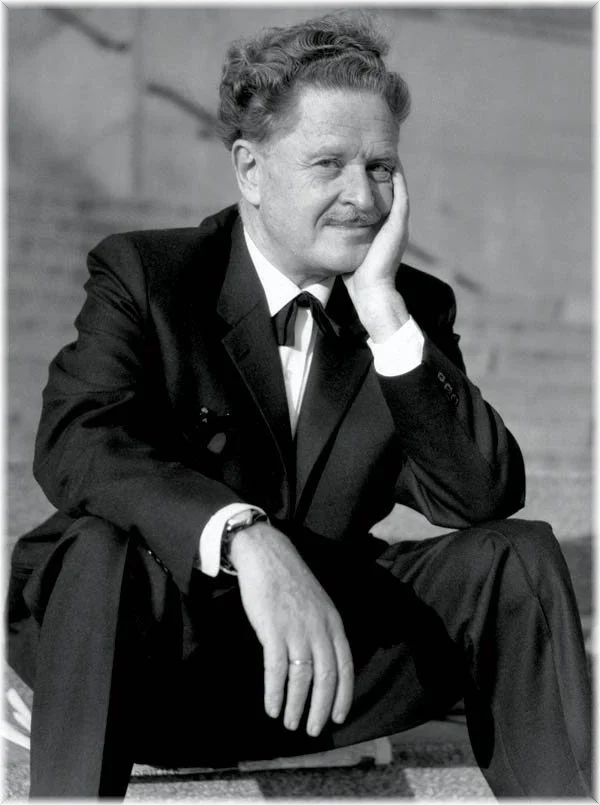
Famous Turkish poet Nazim Hikmet (1902-1963)
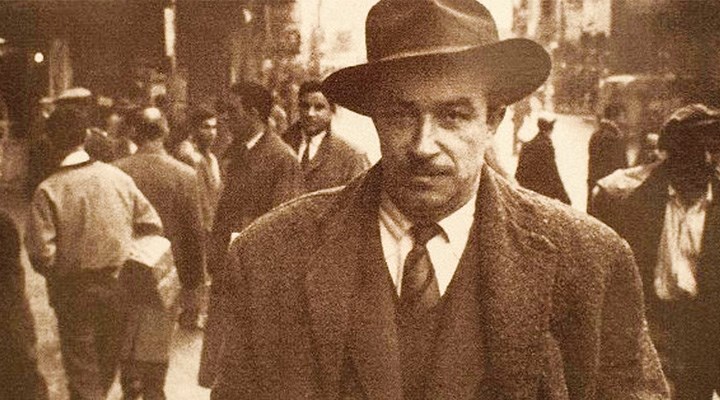
Famous Turkish writer Orhan Kemal (1914-1970)
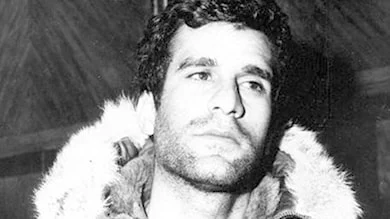
Revolutionary Deniz Gezmis (1947-1972)
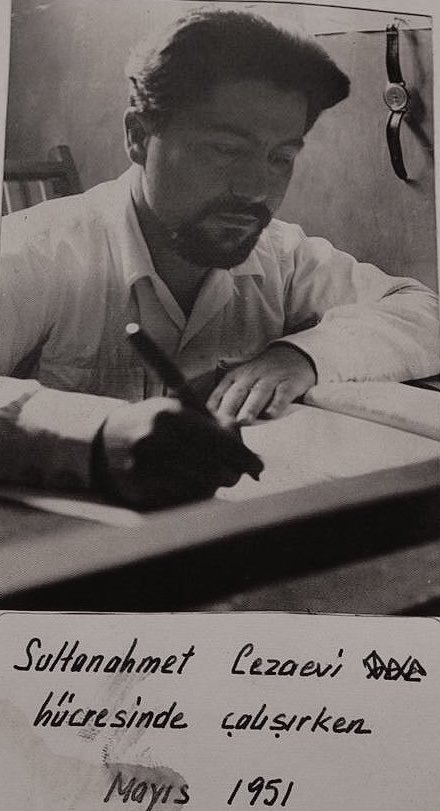
Writer Aziz Nesin (1915-1995) working in his prison cell in May 1951
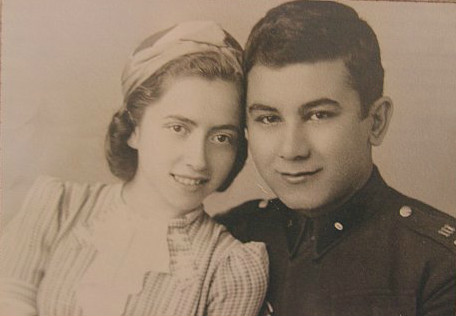
Writer Vedat Turkali (1919-2016) with his wife,
He has a beautiful poem in which it says: ‘none of these sufferings were in vain.’
There used to be few traces of the prison building before its restoration. One wall was ‘decorated’ with the massive keys of the prison which have been removed after the new restoration during Covid-19 period. There was a fountain which has been also removed. The engraving in Ottoman language on the top of the entrance is maybe the only remaining trace of its prison past. It says ‘Dersaadet Cinayet Tevkifhanesi 1337’ (Istanbul Prison of Murderers 1918-1919). Ironically all the intellectuals that stayed here after the Republican era were the most humanistic people in the country who wanted to reform the country’s education, reverse the social injustices and inequalities in Turkish society but who failed.
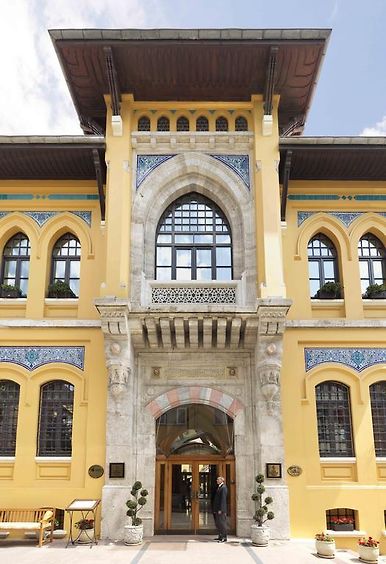
The building’s exterior was preserved unlike the interior that has been radically changed. The prison cells were turned into hotel rooms.
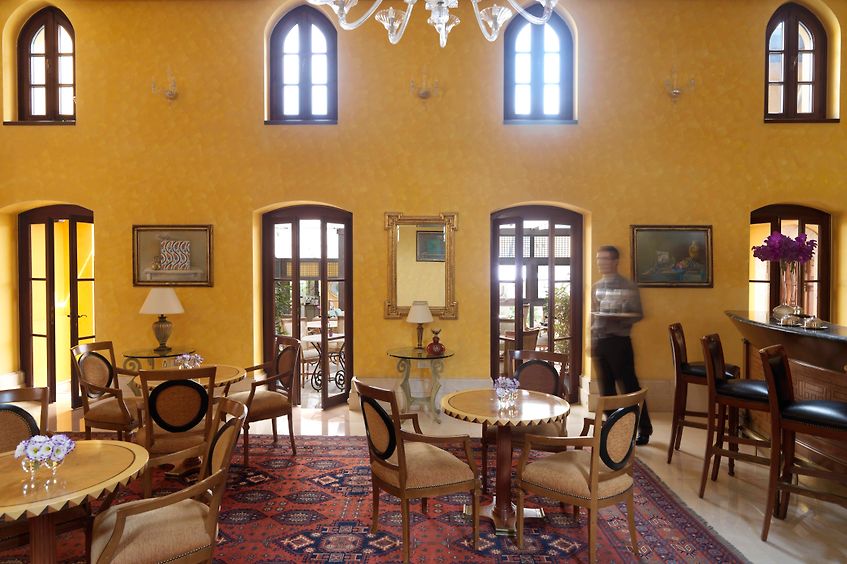
The decoration of the interior before the recent restoration
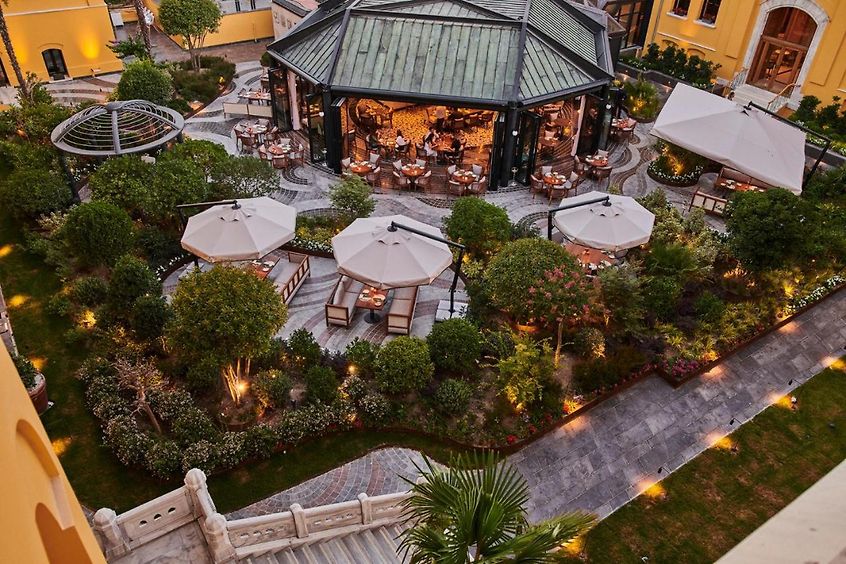
The courtyard of the hotel where executions used to take place.
The last time Sultanahmet prison was used was in the 1980s during the military coup that shook the country and halted the democracy. This prison most probably would be a museum in the west but it has been turned into a luxury hotel in Istanbul in 1996 in spite of many reactions from intellectuals who wanted to transform it into a museum of democracy.
Now, it is a beautiful hotel with a secret garden. a lovely terrace with a fabulous view of the old town and the glorious Hagia Sophia and its premium restaurants which is definitely the topic of another article.
But I think we still need to pay a tribute to all the prominent intellectuals of this country who were imprisoned here for imagining a better future for our country. Each time I visit the Four Seasons Hotel in Sultanahmet, I think of them and thank them for the vision that they have created for us.
And let me end with the lines of Nazim Hikmet as a final note and hope that his vision be our reality in the future:
The most beautiful sea:
hasn’t been crossed yet.
The most beautiful child:
hasn’t grown up yet.
Our most beautiful days:
we haven’t seen yet.
And the most beautiful words I wanted to tell you
I haven’t said yet…