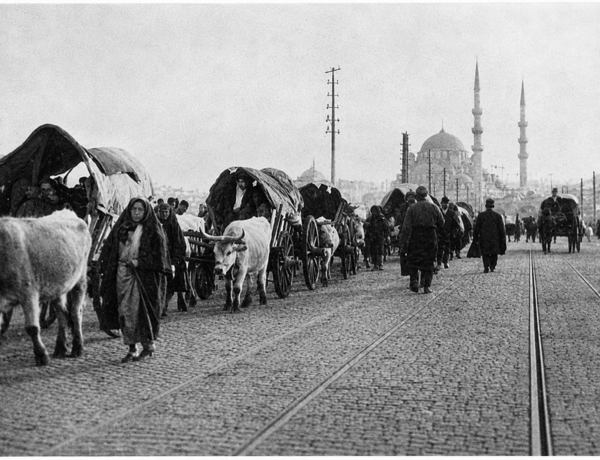

‘Yedi tepeli şehrimde, bıraktım gonca gülümü.’ Nazım Hikmet
‘In my city of seven hills, I left my rosebud.’ Nazım Hikmet
These were the lines famous Turkish poet Nazım Hikmet had written away from his homeland in exile in 1956, referring to his longing for his city of the seven hills, İstanbul.
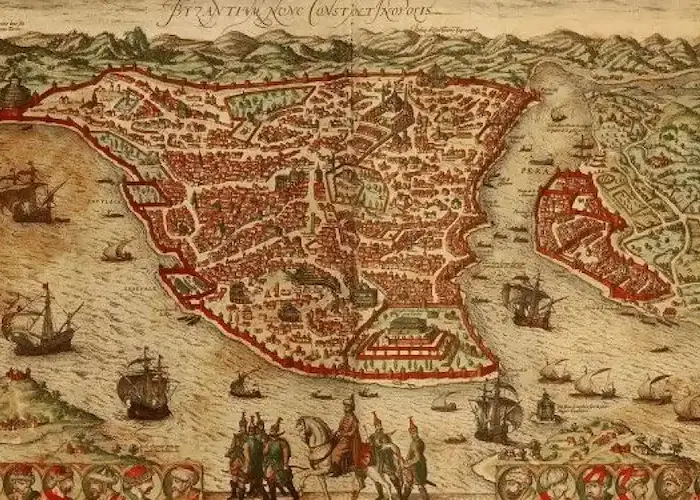
İstanbul has always been called a city of seven hills throughout the ages. An ordinary İstanbulite tend to attribute these ‘hills’ to many locations across the city whereas the real story is completely different.
Constantine had the vision of building Nova Roma, that is the new Rome in Constantinople. The city of Rome was ‘built’ on seven hills as a reflection of its sanctity due to the perception that seven represented perfection in the ancient world so Constantinople had to be built on seven hills, too. That is why the early Roman settlers who were determined to create the city of Constantine chose seven different locations within the city walls of Constantinople and turn them into seven reference points. These locations were considered as sacred spots on which important structures and monuments had been built.
What I find rather fascinating is that Ottoman Turks respected the legacy of these hills and built some of their most important monuments on the seven hills within the city walls.
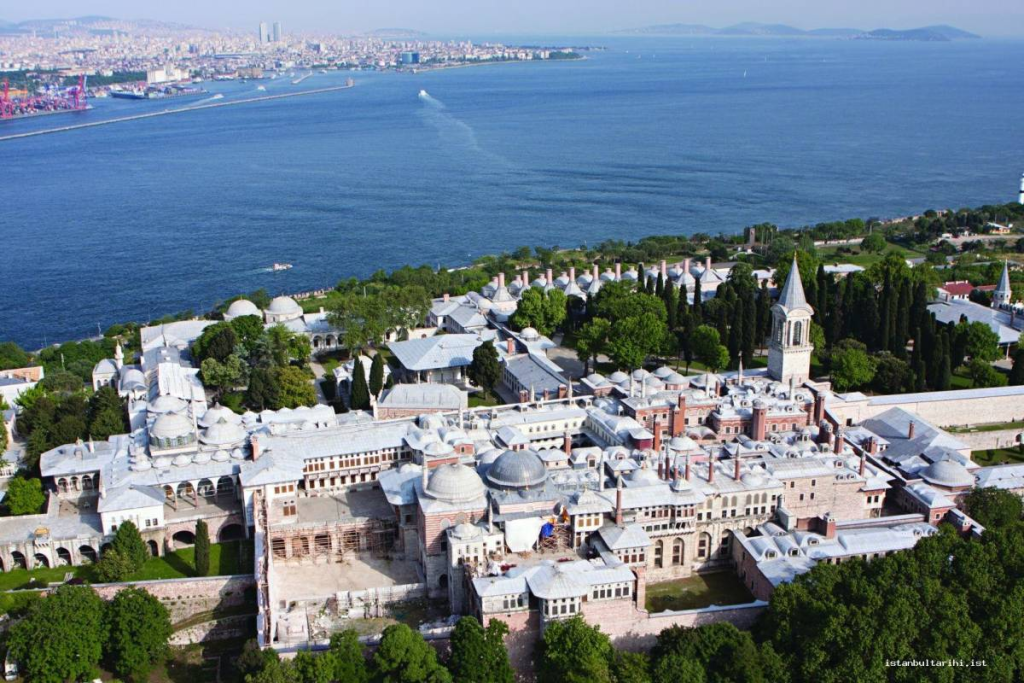
The first hill for the Romans was the Sarayburnu Hill where the glorious Hagia Sophia was built. Turks chose this hill to build their palace where they lived for almost 400 years.
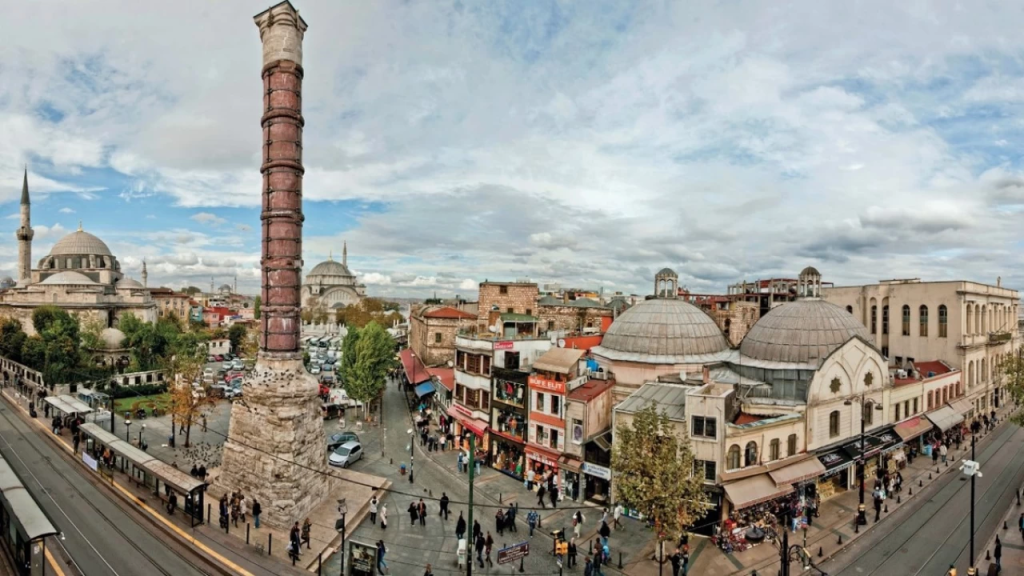
The second hill was the Çemberlitaş Hill where they erected the Column of Constantine which partially stands till this day. Ottomans built many monuments such as the covered bazaar, various mosques and hammams on the second hill.
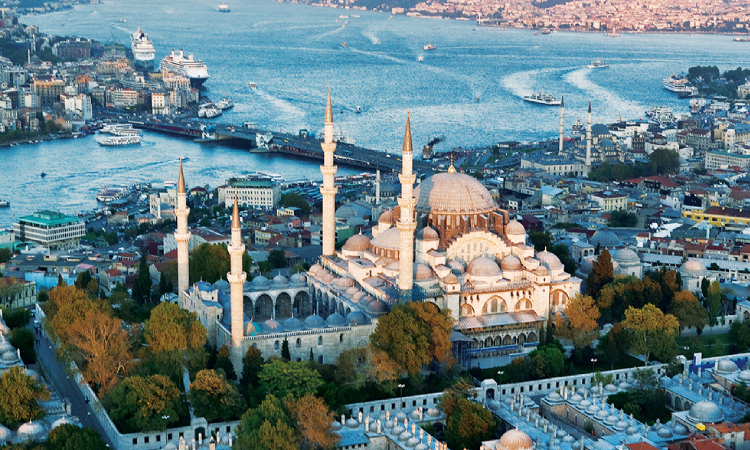
The third and the highest of all these hills is the Beyazıt Hill where Byzantines built the Pantokrator Church that is still with us today but was turned into a Mosque. Süleymaniye Mosque is built on this third hill overlooking one of the most beautiful sceneries in the world.
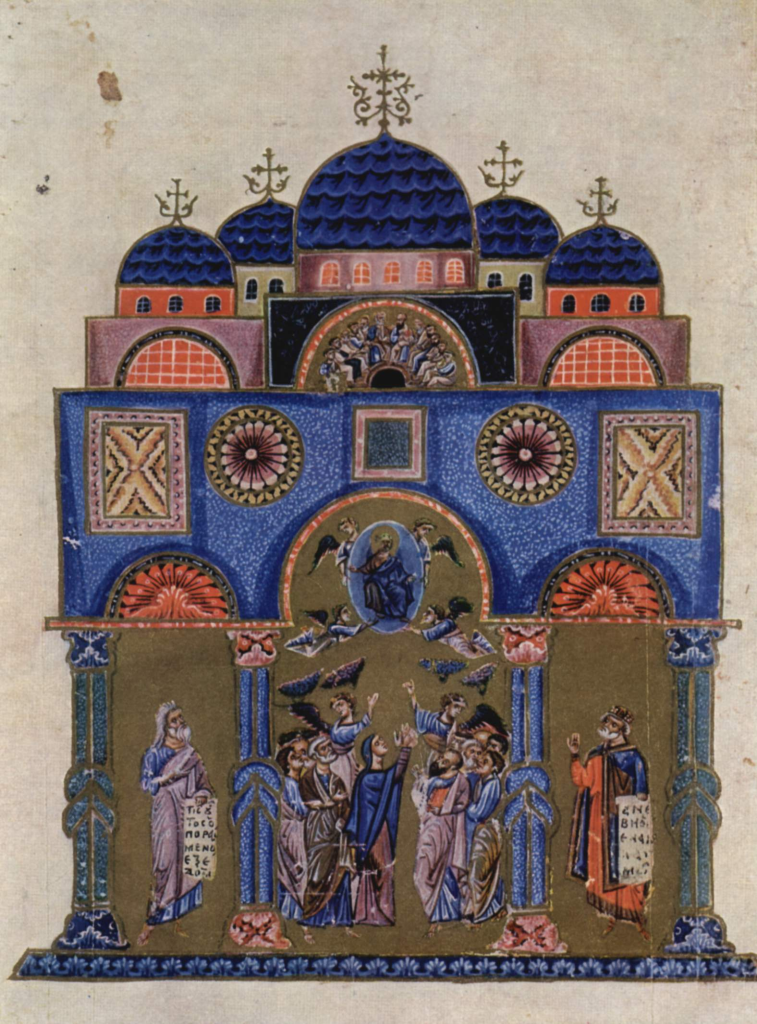
Fatih Mosque which was literally built on top of the ruins of the Havvarium Church where Constantine was buried is on the fourth hill. Note that this Church was not destroyed by the Ottomans but the Crusaders who plundered the city in 1204. It is no wonder Fatih Sultan Mehmet who had great admiration for the legacy of the Roman Empire wanted be buried here inside the Mosque he had built.
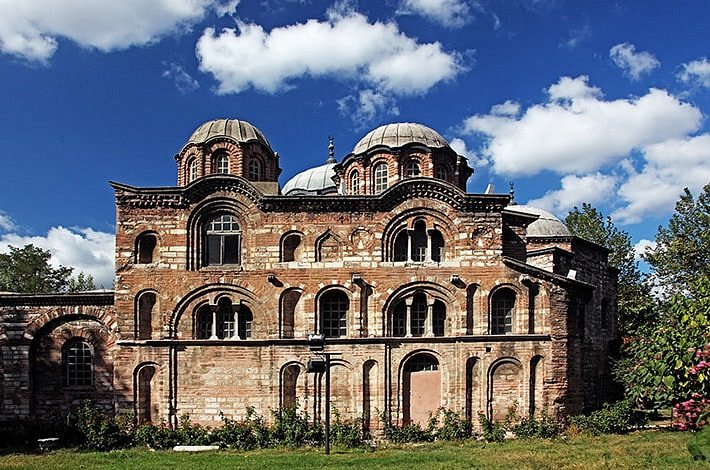
The fifth hill is home to the Pammakaristos Church built by the Byzantines and Yavuz Selim Mosque built by the Ottomans.
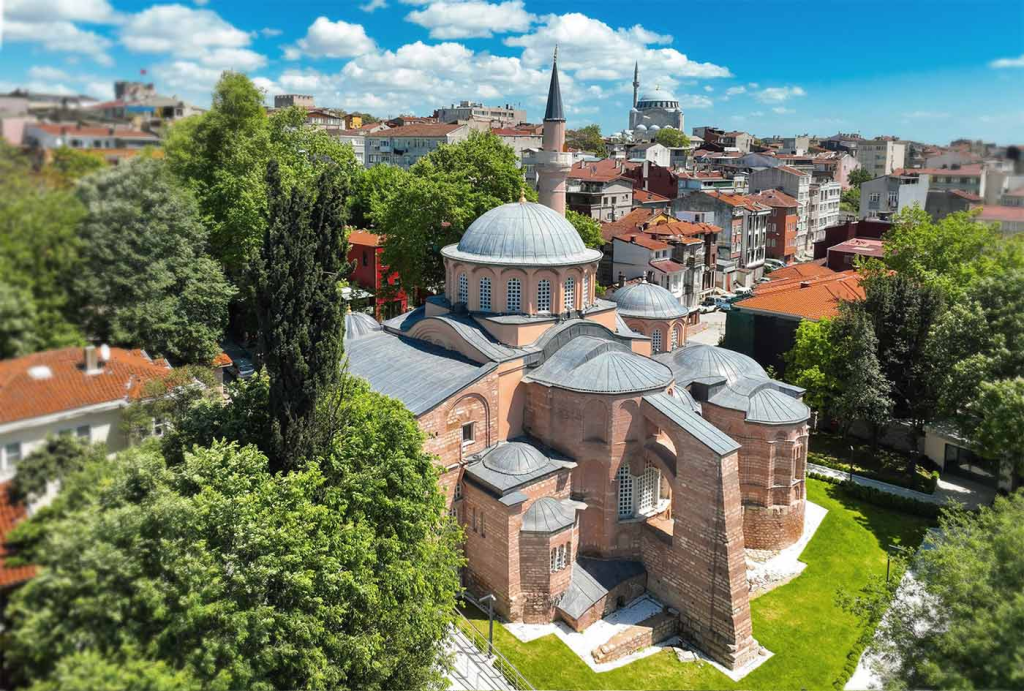
Sixth hill is home to Chora Church and Blakhernai Palace built by the Byzantines but also to Mihrimah Sultan Mosque built by the Ottomans.

Seventh and the last hill is home to the Arcadius Column (which little has stayed to this day) by the Byzantines and Haseki Complex and Cerrahpaşa Mosque built by the Ottomans.
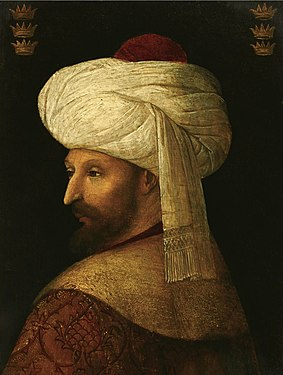
I tie the respect of Ottomans to preserve this heritage of the seven hills with all its monuments to one Sultan and that is Fatih Sultan Mehmet who conquered the city of Constantinople in 1453 and his great admiration and respect for the heritage of the Roman Empire. He, in fact had envisioned himself as an heir to the Roman Empire. Fatih who was also a poet wrote under the pen name Avni and let’s lend an ear to one of his poems in which says:
‘There [in Galata] I saw him, named Jesus, and Frankish-mannered
Whoever saw Jesus would say “by his lips is He resurrected.”
Do not fancy that the bonnie one submits to you, o Avnî
The king of Istanbul you are, and the king of Galata is he.‘
It is quiet remarkable to see that he was aware of the sovereignty of Christianity in the city he conquered and this sovereignty was well and alive in the Galata District which was then a city state of its own but had accepted Ottoman supremacy.
We owe all these beautiful monuments of the Byzantine Empire that are still with us today to this visionary man who respected the legacy of the Byzantine Empire and its Christian heritage!