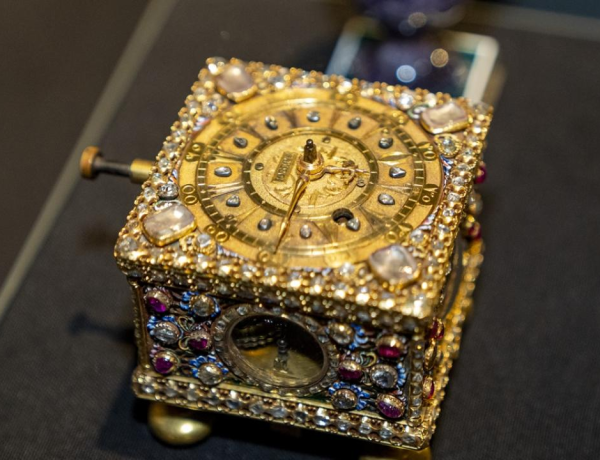

Although tulips originated in central Asia and was cultivated in İran by the 10th century, Ottomans started cultivating tulips by the 16th century. Ottoman court was fascinated with tulips especially between the 16th to 18th centuries. Historians even say that the origin of the word tulip comes from the word turban which the Ottomans wore as a head dress. Ottoman sultans even held tulip parties and were inspired by tulips in the decoration of carpets, tiles, pottery, clothing and architecture. Ottomans thought that tulips were the flowers of paradise and had a divine like status.
Below you can see how Ottomans used the tulip as a decorative element on tiles, in paintings and miniatures as well as textiles.
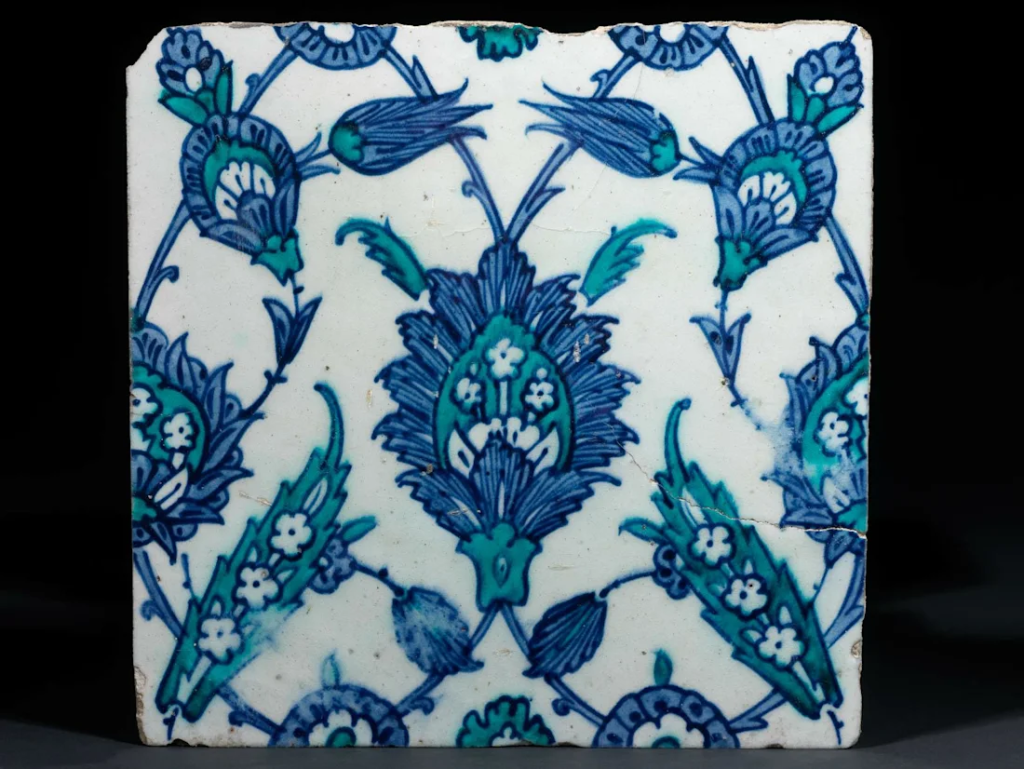
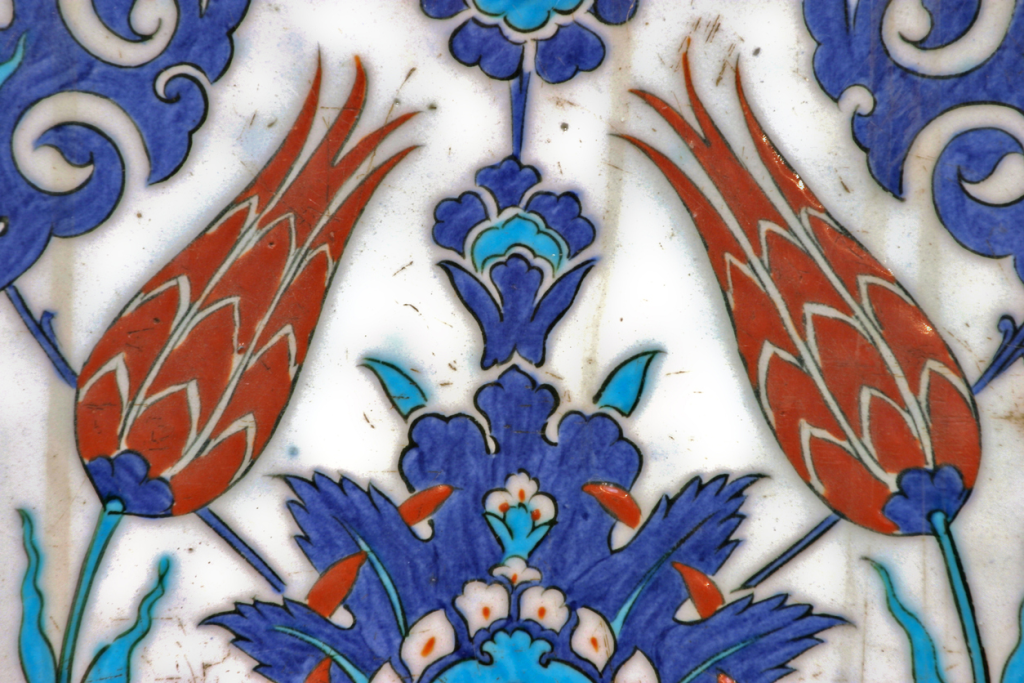
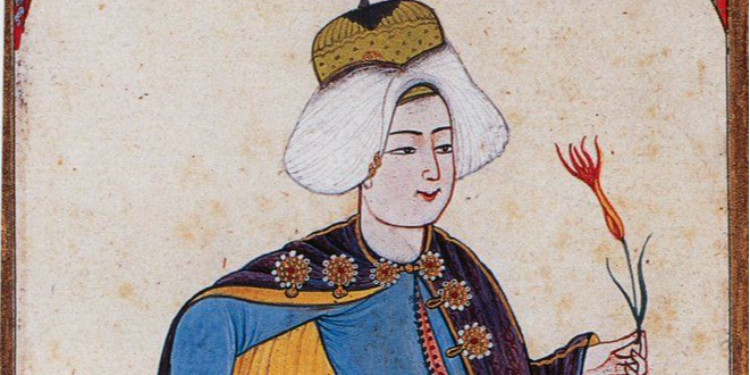
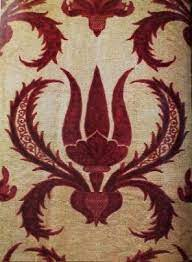
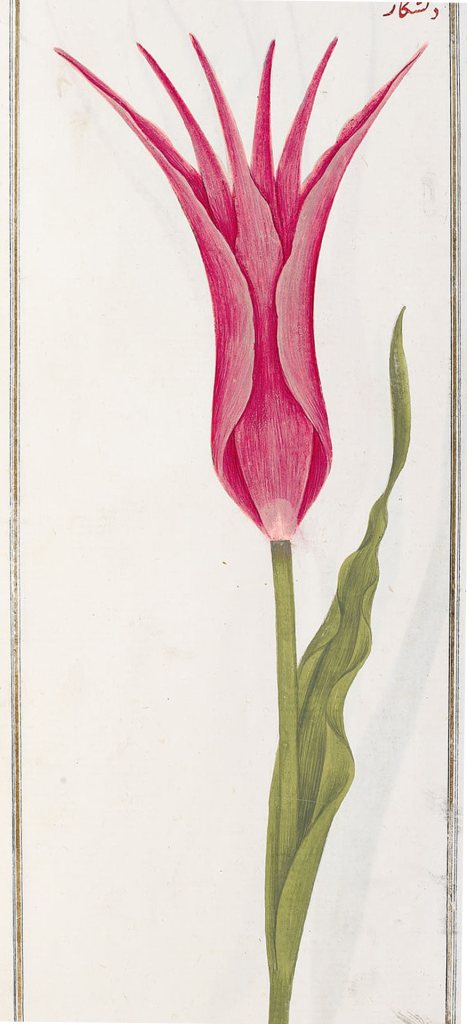
We know that especially Suleyman the Magnificent was fascinated with tulips and had a caftan decorated with tulips. His caftan was restored in 2021.

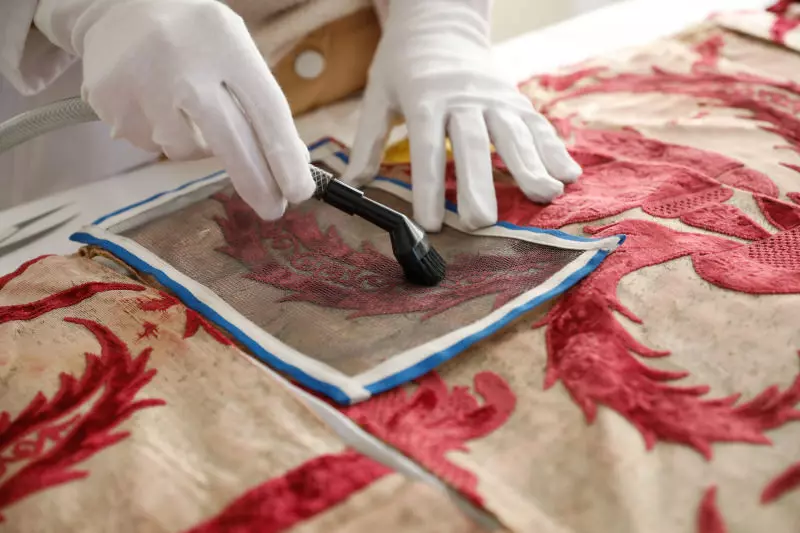
Suleyman the Magnificient’s Caftan being restored by experts. The caftan is currently displayed in the Topkapı Palace
Sultans of the time only gave away the tulips to important guests that visited the Imperial court and one of these guests was Ogier Ghiselin de Busbecq who was an ambassador to the Ottoman Empire.

Note that Ogier Ghiselin de Busbecq wrote letters to a close friend about his observations in the Ottoman Empire. His letters were printed with the title ‘Turkish Letters’ and was recently translated in Turkish. In his letters, he wrote about landscapes, plants, animals, Islam, ethnic groups, architecture, slavery, military matters, court practices, clothing, gender and domestic relations, and the Sultan himself. (italics from goodreads.com). It is quite a humorous book and I would highly recommend you to read it.
He on his return to Europe gave some of these tulip bulbs to a Carolus Clusius who was the head of the imperial medical garden in Vienna. Later he became a prefect at the Hortus Botanicus in Leiden where he brought his tulip bulbs, planted them and started experimenting with them. He did a study to break the tulips to get multi-colors which he succeeded.

Dutch Botanist Carolus Clusius
One night his bulbs were stolen which started the trade of tulips in the Netherlands. Tulip mania soared in the Netherlands in the 17th century. In 1634, prices of tulips skyrocketed till the markets finally crashed.
Unlike the Ottoman Turks who attributed a divine status to tulips, Dutch thought that tulips represent the transitional nature of life.
Ironically, tulips today are associated with the Netherlands unlike Turkey which seems to have forgotten that the whole journey had started in İstanbul in the Ottoman Court.
Tulips are back with us after centuries as the city is adorned with tulips every spring.

Gülhane Park which used to be the gardens of Topkapı Palace is adorned with tulips each spring