
Ottoman hammam tradition was adopted from the Romans. But Ottomans’ understanding of cleanliness was radically different than that of the Romans. Romans bathed in still water. Muslim Ottomans believed that still water was not clean and preferred running water instead. After they settled in Istanbul and made it their Imperial capital, they built hundreds of hammams across the city. It is interesting to note that some of these hammams were built on top of some earlier Roman baths which were unfortunately in ruins by the time Ottomans conquered the city. One example is the Hürrrem Sultan Hammam in Sultanahmet. If you get a chance to visit it one day, make sure that you look at the remains of the old Roman bath which is covered by glass so visitors can get a glimpse of its former presence.
Hammams were a necessity as there was no running water in peoples’ homes and they needed to pay a visit to hammams on a regular basis for hygienic reasons. Hammams were especially a social activity for Ottoman women who were living within the confines of the harem. Large groups of women paid a visit to hammams with their kids on a regular basis not only for washing but also dancing, singing, eating and gossiping. Moms chose brides for their sons in hammams. “Bride to be”s had special ceremonies in the hammams. This culture still lives among the contemporary population.

Artifacts from the II. Beyazıt Hammam Museum
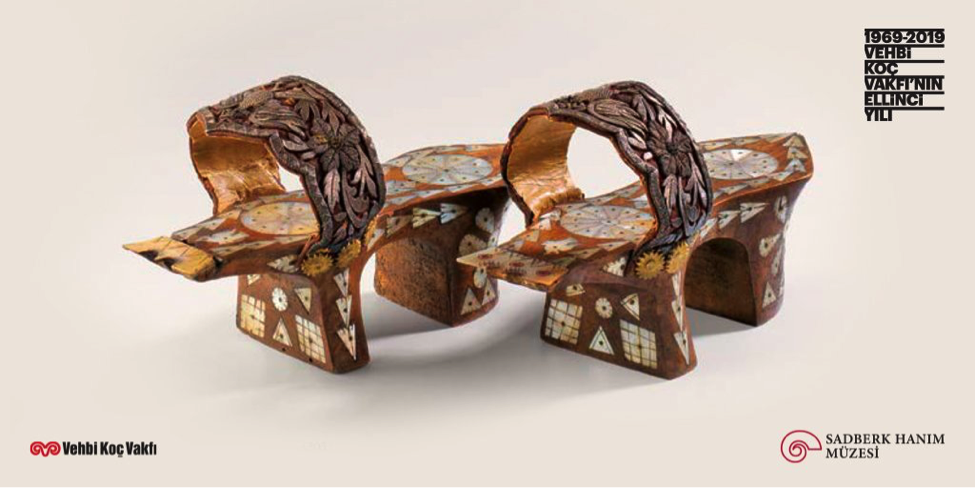
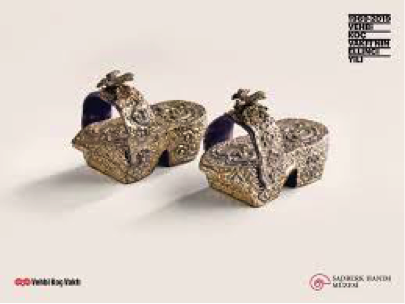
Details from Sadberk Hanım Museum hammam collection
Sultanahmet harbors the only hammam museum in the city. If you ever get a chance to visit the II. Beyazıt Hammam Museum in Sultanahmet, you will get a chance to see how a typical Turkish hammam is compartmentalized along with all the artifacts that create the hammam culture such as “pestemal”s (cloths people wore around their waist), towels, kese (special cloth for peeling the dead skin) along with special slippers they wore.
Sadberk Hanım museum is another location that enables you to see the fashion surrounding these special slippers for the hammam. There are very unique and fancy examples you should not miss. Especially the special slippers for kids is a delight to look at.
In the II. Beyazıt Hammam Museum, you will also get a chance to read about the reactions of western travelers when they encountered the hammam culture in the Ottoman Empire. They were surprised to see how often Turks bathed in hammams and how much importance they paid to cleanliness in sharp contrast to Europe in the middle ages where people rarely bathed, and diseases ran rampant.

Detail from the II. Beyazıt Hammam Museum
Turkish hammams have ignited the imagination of Orientalist artists in the west for decades. But, if you want to understand how it really feels like, you have to pay a visit to one when you arrive in Istanbul. Make sure you visit a historical hammam that has been adapted to tourists’ tastes. Check out our article on “Hammam Treatment: Fit for the Sultans”.

An example of an orientalist vision of the hammam