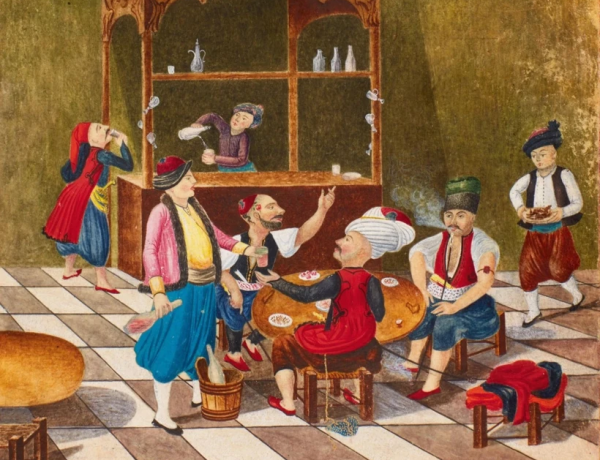

Legend has it that Byzas, son of the king of Megara, consulted an oracle before founding a new city. The oracle cryptically advised him to settle “opposite the land of the blind.” As the story goes, upon reaching the Bosphorus, Byzas saw that settlers had chosen Chalcedon—ignoring the more advantageous position across the water. “They must have been blind,” he said, before founding Byzantium (modern-day Istanbul) on the European side. The phrase stuck, branding Chalcedon as the “land of the blind.”
from thearcaelogist.com
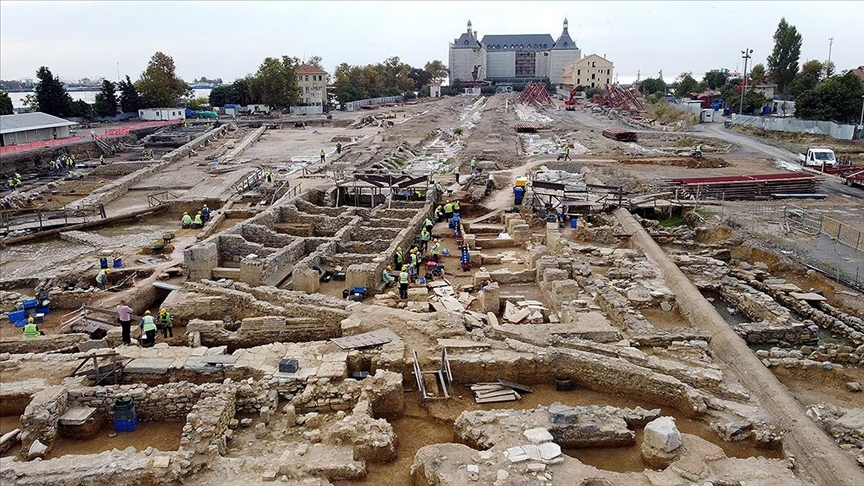
In recent years, the restoration of Istanbul’s iconic Haydarpaşa Train Station has transformed into one of the most important archaeological projects in Turkey. Beneath the modern platforms of this Ottoman-era railway hub lies the ancient city of Chalcedon (Khalkedon)—a settlement older than Byzantium itself. The excavations carried out here since 2018 have revealed a wealth of material that is reshaping our understanding of Istanbul’s Asian side and its role in the history of the Eastern Mediterranean.
Chalcedon, founded by Greek settlers in the 7th century BCE, was long overshadowed by its sister city Byzantium, which later became Constantinople. Ancient writers even called it the “City of the Blind,” mocking its founders for not choosing the more strategic European peninsula across the Bosporus.
But recent discoveries beneath Haydarpaşa Station prove Chalcedon was far from insignificant. Archaeologists have uncovered layers of settlement stretching from the Hellenistic period through the Byzantine and Ottoman eras, showing that the site was a vibrant and continuously inhabited center for more than two millennia.
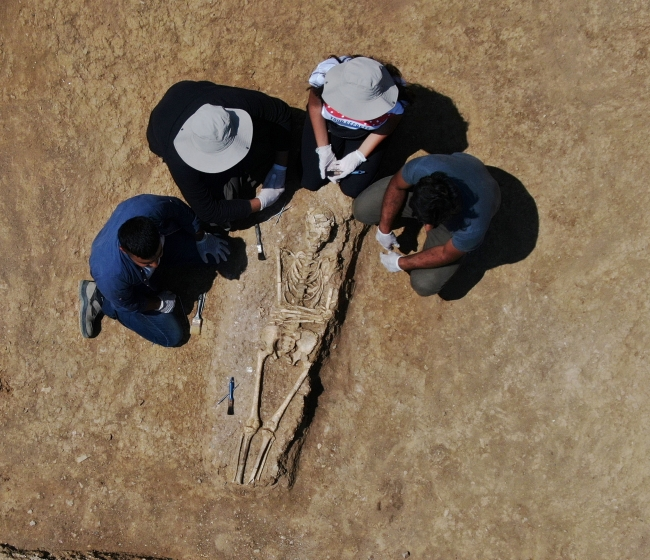
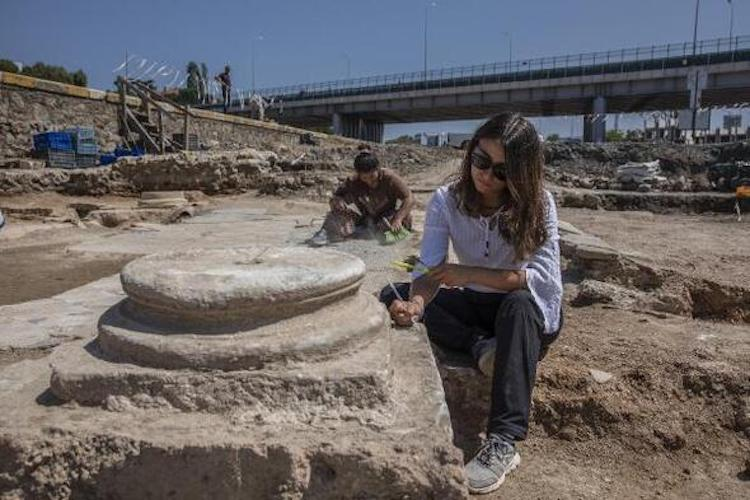
Archaeologists at Haydarpaşa have uncovered a wide range of finds that reveal Chalcedon’s long urban life: a 2,400-year-old Hellenistic monument and rare cremation tomb, the remains of a Byzantine church identified as Saint Bassa with associated cemeteries, intact skeletons and mass burials, thousands of coins, glassware and jewelry, as well as harbor installations, workshops, a still-functioning Byzantine fountain and water channels and even tunnels dug during the Second World War as shelter from the possible invasion of the Nazis.
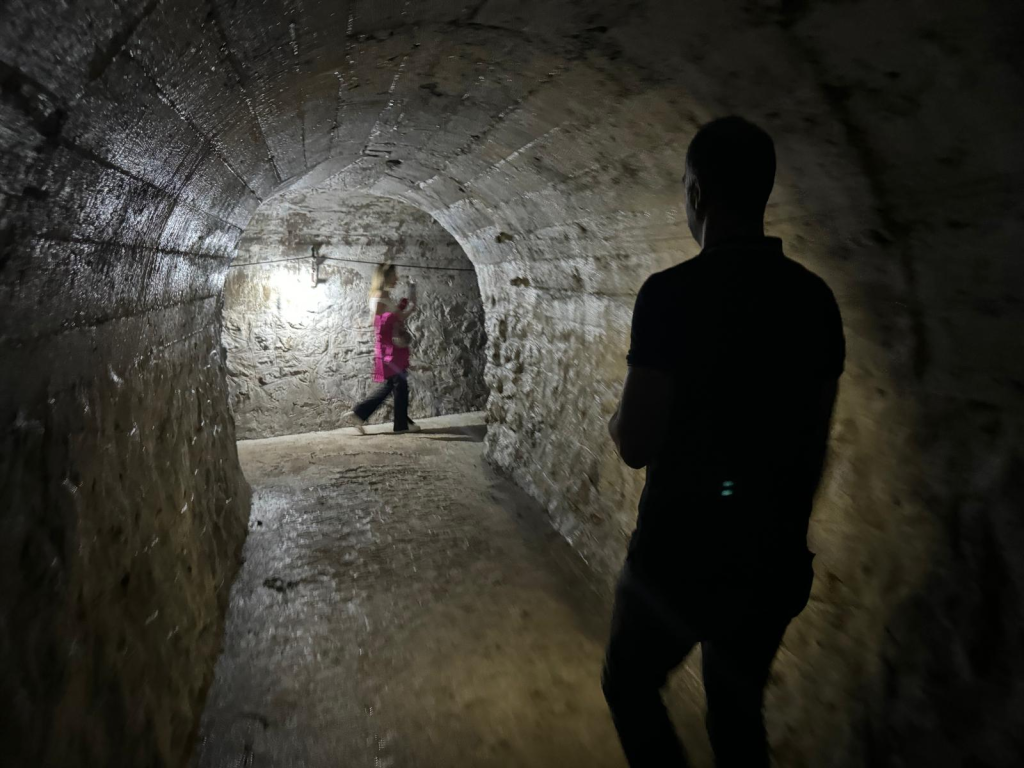
Tunnels from the Second World War
Excavations at Haydarpaşa are now nearly complete, with thousands of artifacts transferred to the Istanbul Archaeological Museum. Plans are underway to create an archaeological park around the station, where some of the ruins will be preserved and displayed in situ. Visitors may one day stroll through a site where trains, ancient tombs, and Byzantine walls stand side by side, embodying Istanbul’s unique layering of past and present.
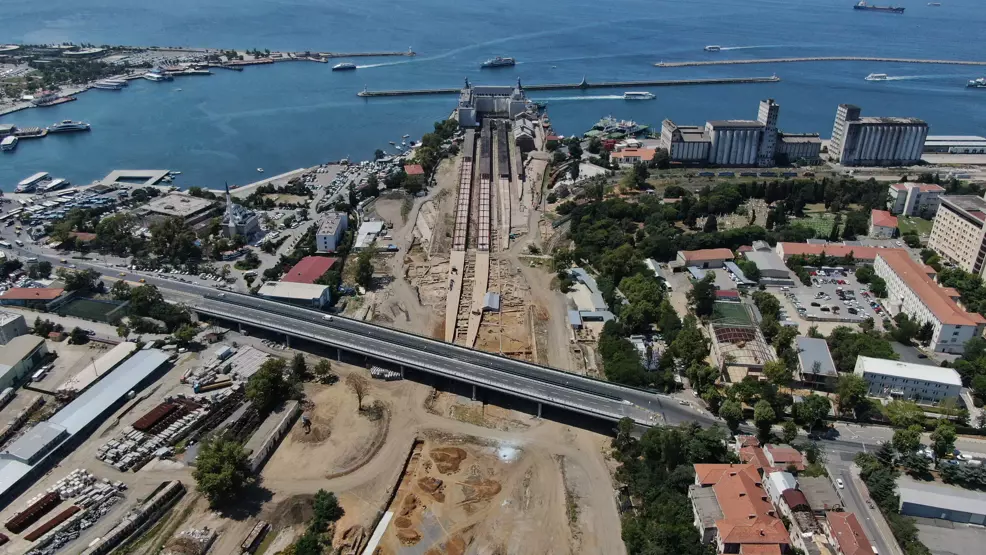
A bird’s-eye view of the archeological site
The Haydarpaşa excavations have rewritten the story of Chalcedon. What was once dismissed as a minor Greek colony is now revealed as a city of depth, resilience, and importance.