


In Byzantine courts, porphyrogenitus — “born in the purple” — marked children born in the imperial chamber to a reigning emperor. More than birthright, it was a claim of legitimacy, a public declaration that this child inherited not just blood but power.
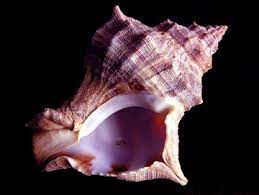
The legendary Byzantine purple wasn’t just any dye — it was one of the rarest and most expensive substances in the ancient world. Purple, rare and sacred, purple symbolized sovereignty. Imperial purple was made from the secretions of Murex sea snails. Tens of thousands of snails were collected, their tiny glands carefully extracted, and the secretions left to ferment in sunlight or air, triggering chemical reactions that produced the rich purple hue. Fibers were repeatedly soaked to deepen the color, a process that took months and enormous labor. So rare and costly, this dye became a symbol of imperial authority, worn only by emperors and select elites.

Majestic Haghia Sophia where Emperors born in purple were bapthised and crowned. Note that the minarets are later additions to this glorious Church by the Turks who conquered Constantinople in the 15th Century
Being born in the purple meant entering the world already entwined with authority, expectation, and destiny. Constantine VII Porphyrogenitus famously emphasized this, distinguishing himself from other claimants to the throne.
Beyond politics, the term resonated psychologically: the “purple room” was a metaphor for the space of origin where legacy, expectation, and identity converged in the Byzantine world.