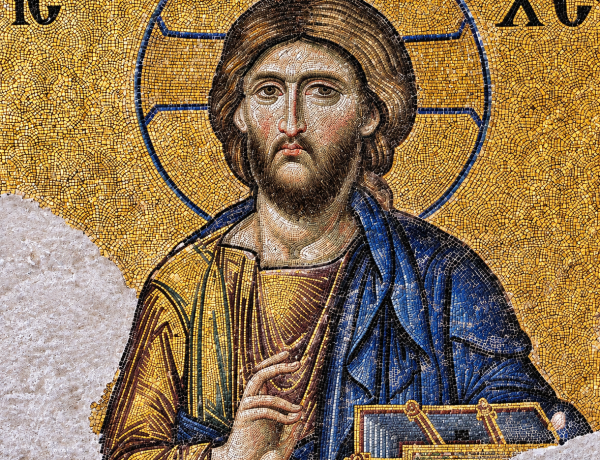

“What is life if not the shadow of a fleeting dream?”
Umberto Eco
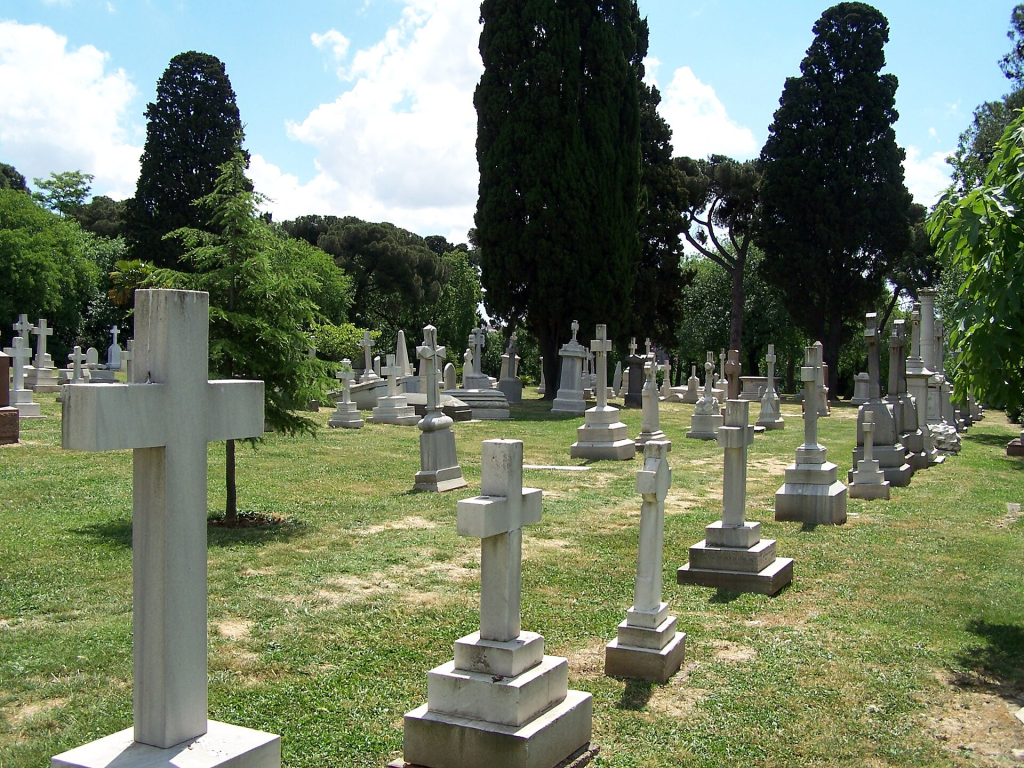
On the Asian shore of Istanbul, where cranes, rail lines, and ferries define the restless movement of the city, the Haydarpaşa English Cemetery stands almost hidden—an enclave of stillness pressed against modern velocity. Established in 1855 during the Crimean War, it is less a cemetery than a fragment of another geography, displaced and quietly rooted in Ottoman soil.
The cemetery emerged from crisis. During the Crimean war of 1853-1856, Istanbul became a crucial medical hub for allied forces; thousands of British soldiers were transported across the Black Sea and treated in makeshift hospitals near Selimiye Barracks.
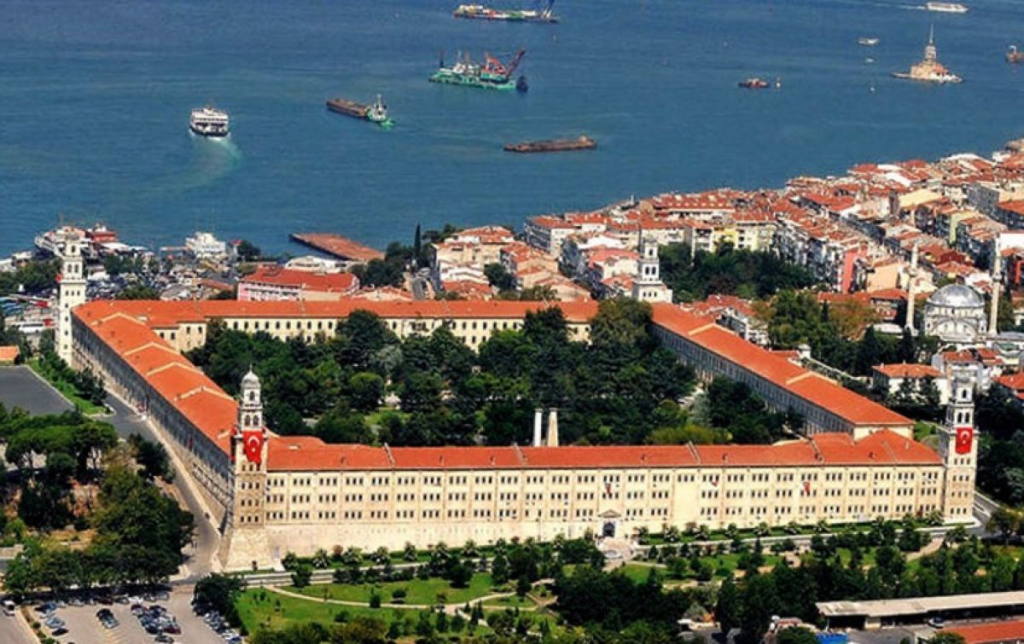
Selimiye Barracks
Many did not die from battle, but from disease—especially cholera—turning the city into an unintended site of mass mortality.
What followed was not merely burial, but inscription: of empire, and of grief. The land itself was granted to Britain, embedding within Istanbul a distinctly foreign memory.
Over time, the cemetery expanded beyond its initial purpose. It came to hold not only Crimean War dead but also civilians, diplomats, and later soldiers from both World Wars—prisoners, sailors, unnamed individuals whose deaths were geographically and emotionally distant from home.
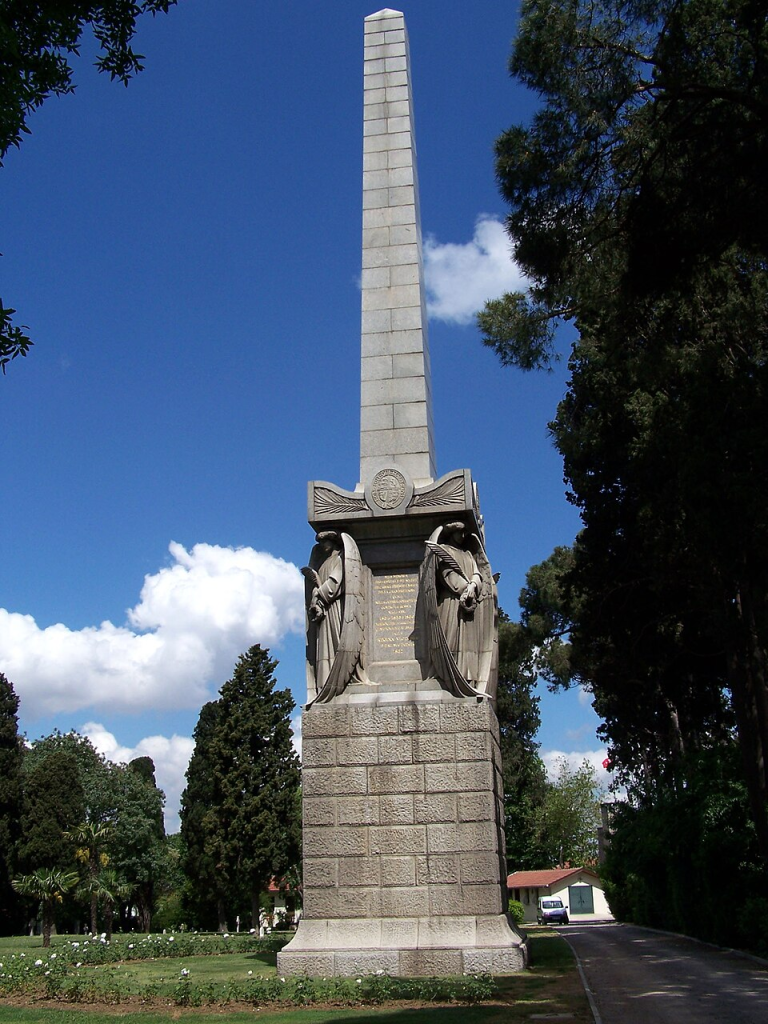
Granted by Queen Victoria, this monument commemorates British soldiers who died in the Crimean War, resting in quiet dignity within Haydarpaşa Cemetery.

Queen Victoria
This layering is what makes the cemetery quietly profound. It is not monumental in the way imperial memorials often are. Instead, it is intimate: children, nurses, engineers, soldiers—many young, many far from their origins—rest side by side. Their gravestones often record causes of death like fever or cholera, reminding us that history is not only shaped by power and conflict, but by vulnerability.
And yet, what makes this place uniquely Istanbul is precisely this coexistence of difference. The Ottoman Empire’s willingness to allow foreign burial grounds reflects a broader cosmopolitan fabric—one where multiple religions, languages, and allegiances inhabited the same city. The cemetery, in this sense, is not an anomaly but an extension of Istanbul’s layered identity.
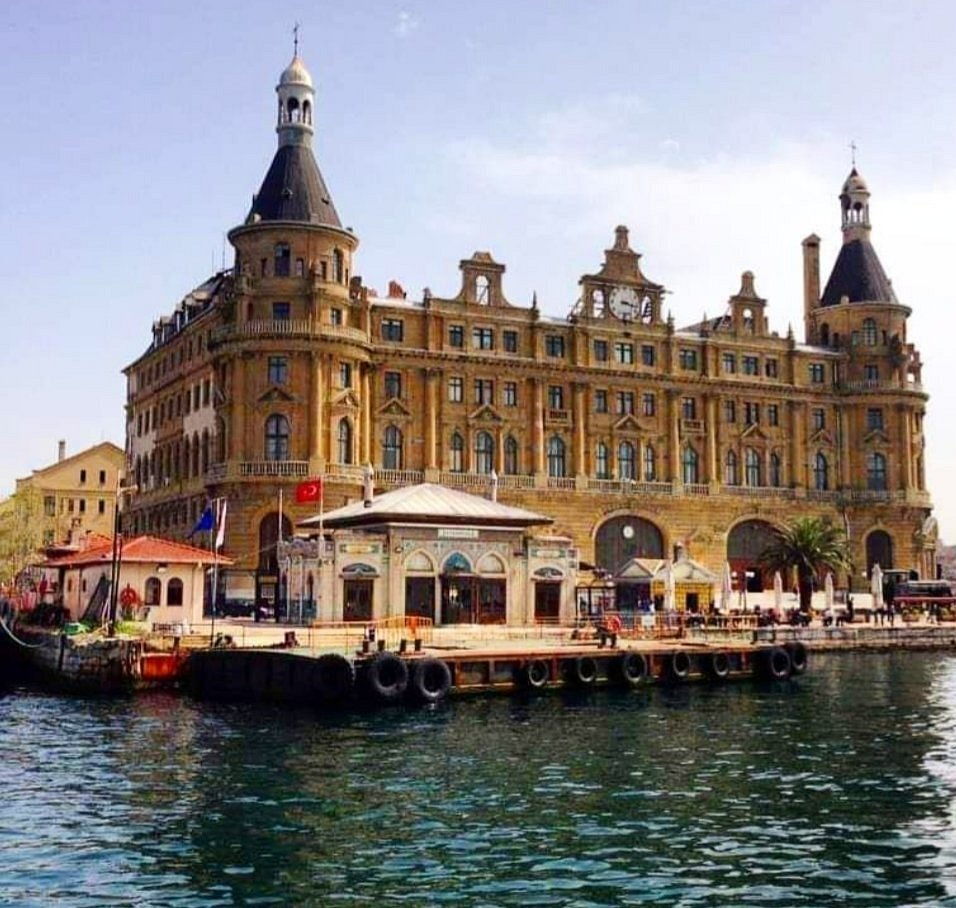
Haydarpaşa Train Station
Today, surrounded by the noise of port activity and urban transformation, the cemetery feels almost unreal. It is a pause—a pocket of silence where imperial ambition dissolves into individual loss. The city moves around it, but inside, time folds.
In Istanbul—a place often defined by conquest, continuity, and spectacle—the Haydarpaşa English Cemetery tells a quieter story: that of distance, fragility, and the strange intimacy of dying far from home.
Video is embedded via YouTube. All rights belong to the respective rights holders.