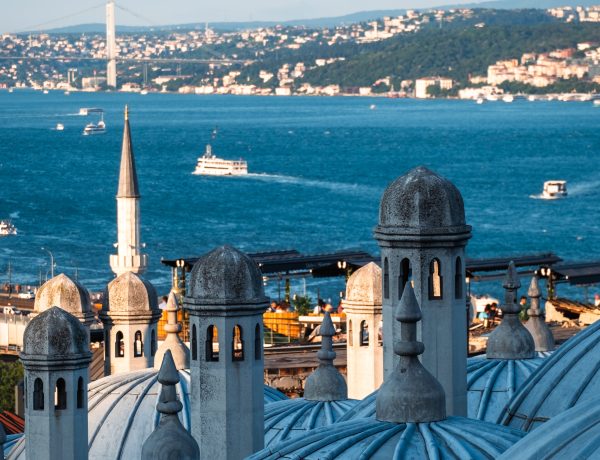

“ My life began half a century before I was born. In a room I never visited, on the shores of the Bosphorus. A catastrophe occurred, a cry was uttered, a wave of madness spread and never ceased. So much so that by the time I came into the world, I had already begun living long ago.”
— Amin Maalouf, Ports of Call
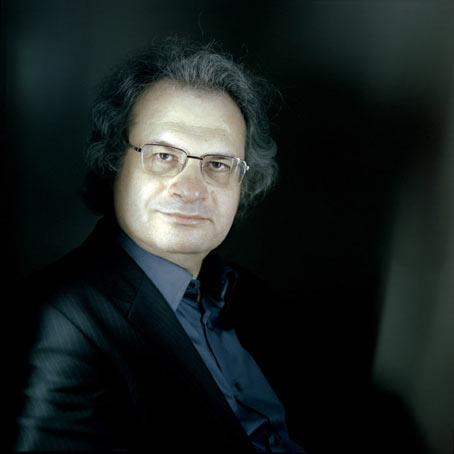
Amin Maalouf
There are writers who belong to cities, and there are writers who belong to civilizations that no longer exist.
Amin Maalouf belongs to the second category.
Reading Maalouf in Istanbul creates a strange sensation. One begins to feel that his novels — though scattered across Beirut, Smyrna, Aleppo, Cairo, Isfahan, Genoa, or Andalusia — have always been quietly circling around Istanbul. Not the touristic Istanbul of domes and minarets, but another city entirely: the invisible Istanbul hidden beneath the modern republic. A city of Levantines, Armenians, Greeks, Jews, Ottoman bureaucrats, wandering dervishes, multilingual merchants, exiles, sailors, and displaced aristocrats.
A city that remembers how to live with contradiction.
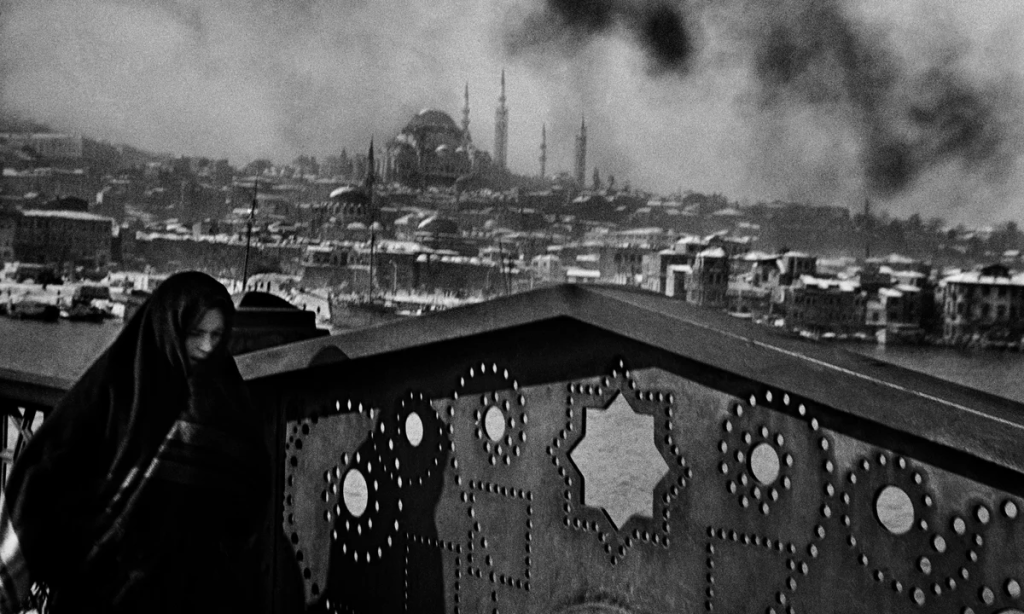
Photo by Ara Güler
Maalouf’s literature is obsessed with people suspended between worlds. His characters rarely belong entirely anywhere. They cross borders, change languages, inherit multiple loyalties, survive the collapse of empires. Identity, in his novels, is never singular; it is layered, negotiated, wounded.
Istanbul carries the same psychological structure. The city itself behaves like one of Maalouf’s protagonists.
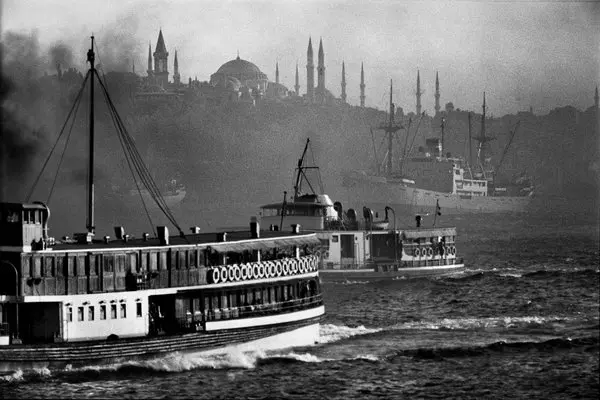
Photo by Ara Güler
It wakes up Turkish, remembers itself Greek, dreams in Ottoman, carries Armenian absences in its architecture, speaks fragments of French through old apartment facades in Moda and Pera, and continues to mourn a cosmopolitanism it simultaneously romanticizes and destroys.
Perhaps this is why reading Ports of Call or Leo Africanus in Istanbul feels uncanny. One does not merely read about the Mediterranean. One recognizes the city outside the window.
In Maalouf’s world, civilizations do not disappear all at once. They decay emotionally first. Languages vanish from balconies. Families shrink inward. Memory becomes embarrassing. People stop translating one another.
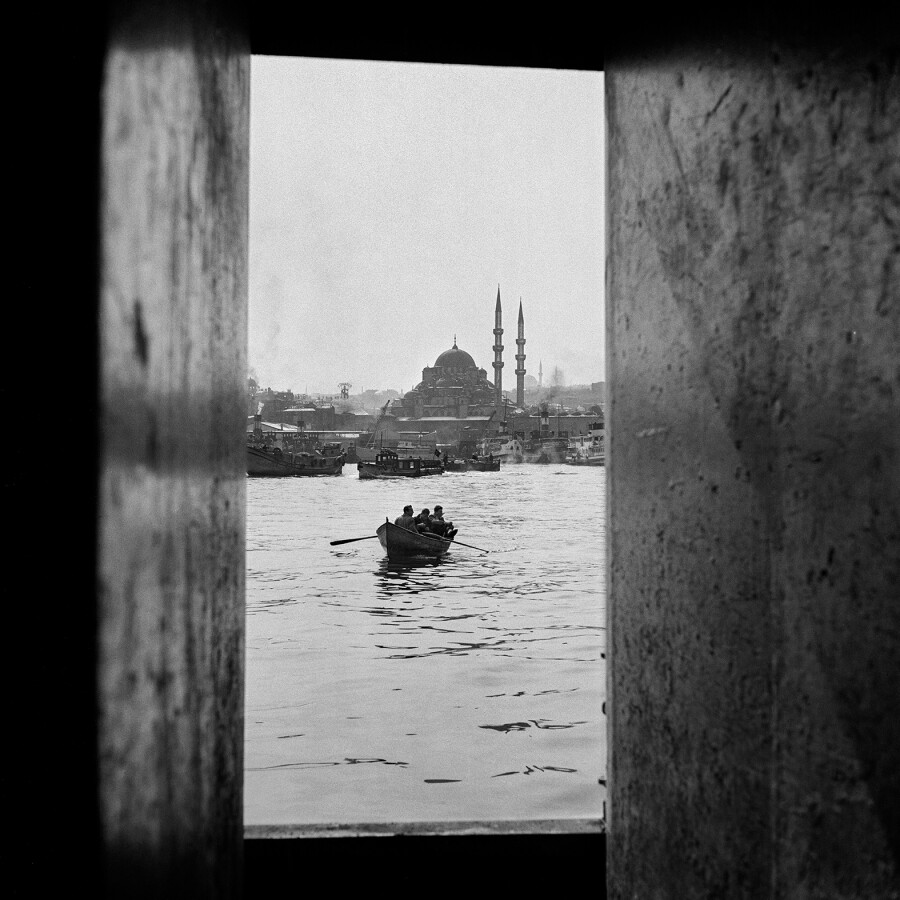
Photo by Ara Güler
Istanbul knows this process intimately.
There are neighborhoods in the city where one can still feel the ghost of coexistence lingering in the walls. In Moda, old Levantine apartment buildings remain like exhausted witnesses to another century. In Beyoğlu, entire streets feel like abandoned conversations between Europe and the East. Even the Bosphorus itself resembles a Maalouf metaphor: two continents facing one another without ever fully merging.
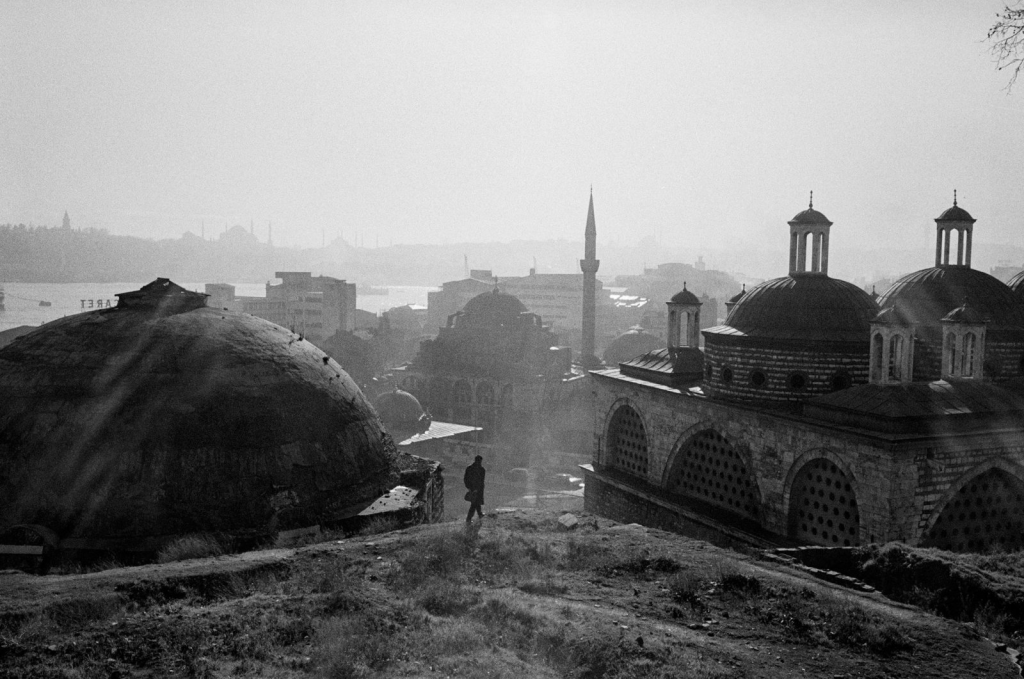
Photo by Ara Güler
What makes Maalouf important for Istanbul today is not nostalgia. Nostalgia alone turns cities into museums. What matters is his understanding that identity becomes dangerous when reduced to a single story.
Maalouf repeatedly writes about the violence produced by purity — ethnic purity, religious purity, national purity, ideological purity. His literature mourns the disappearance of plural worlds not because they were perfect, but because they allowed ambiguity. And Istanbul, despite everything, still survives through ambiguity.
The city resists simplification.
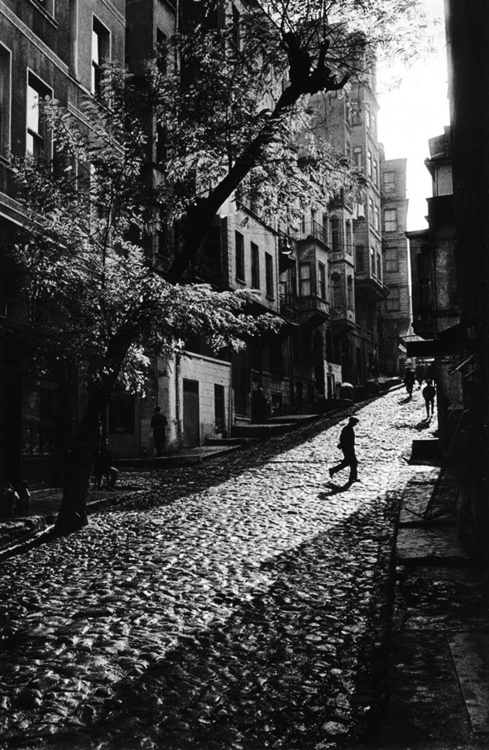
Photo by Ara Güler
A call to prayer echoes beside techno music. Ottoman cemeteries stand behind luxury hotels. Syrian Arabic mixes with Turkish in markets. Old republican apartments coexist with Gulf-financed towers. Istanbul remains emotionally overcrowded — and perhaps that overcrowding is precisely what keeps it alive.
Maalouf once wrote that when people cannot recognize themselves in their own ‘identities’, they become capable of terrible things.
Istanbul offers the opposite possibility. It suggests that a person, like a city, may contain many histories without collapsing.
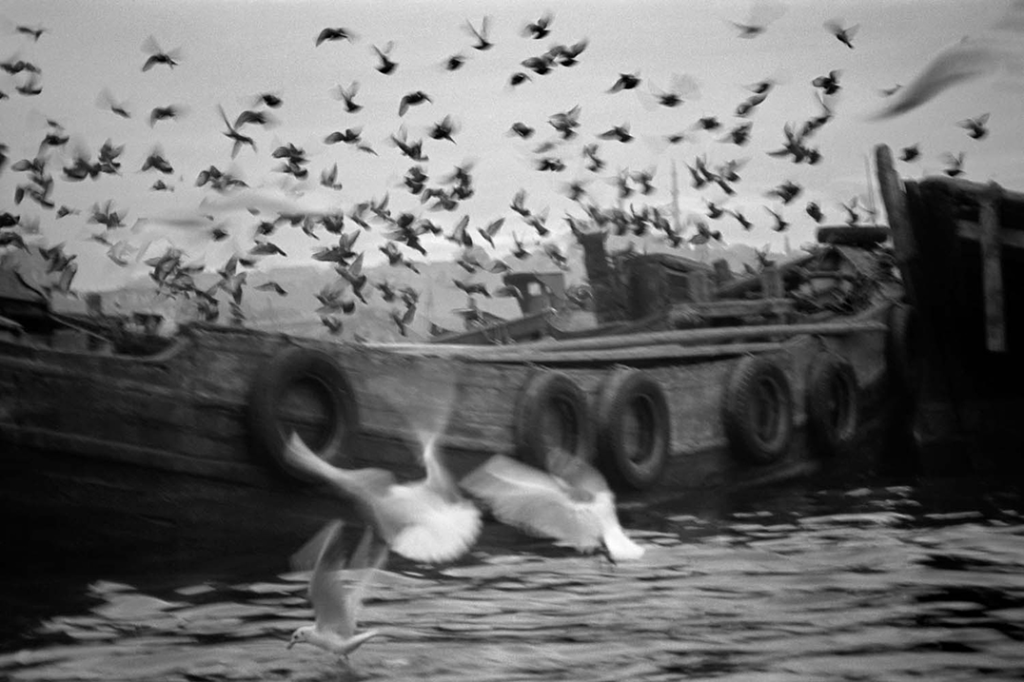
Photo by Ara Güler
Perhaps this is why Maalouf feels so natural here. His novels do not simply describe the Eastern Mediterranean. They speak the psychological language of Istanbul itself: melancholic, hybrid, fractured, seductive, and perpetually suspended between loss and reinvention.
To read Maalouf in Istanbul is to realize that the city is not merely a setting. It is one of his unwritten characters.