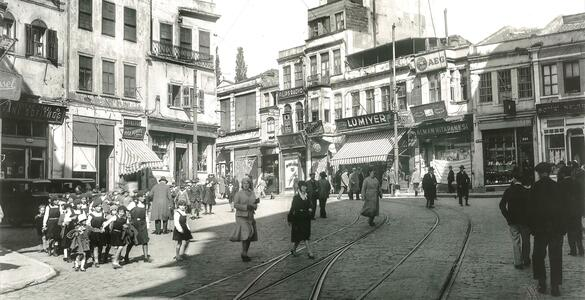

Dedicated to our dear friend Okaz Diköz (1970-2025) who was truly from Moda!
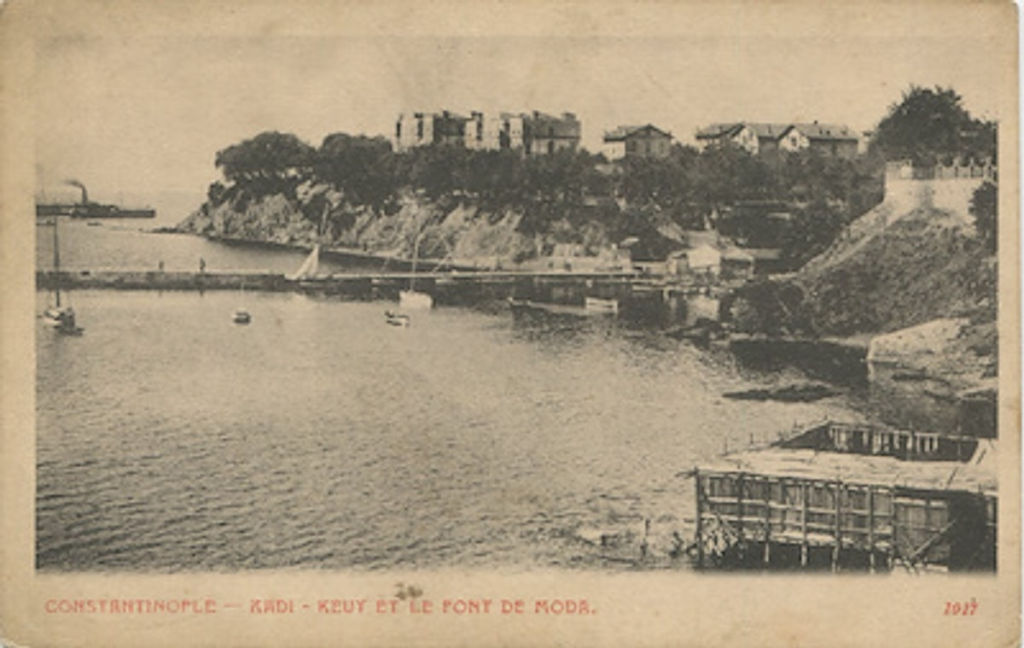
Today, Moda is associated with tree-lined streets, elegant old mansions, cafés overlooking the Marmara Sea, and a distinctly cosmopolitan atmosphere. Yet in the mid-19th century, the neighborhood looked entirely different. It was largely a rural landscape of vineyards, gardens, meadows, and picnic grounds stretching from Kadıköy toward Kurbağalıdere. The transformation of this quiet coastal area into one of Istanbul’s most refined residential quarters began with a single Levantine family: the Tubinis.
The Tubini family belonged to the Levantine merchant-banker class of the late Ottoman Empire. Originally of Genoese origin and from Chios, the Tubini family was closely connected to the wider Aegean world. They settled in Constantinople in the nineteenth century, where they amassed considerable wealth through banking, trade, and industry. Bernard Tubini, the patriarch of the family, worked as a banker in Galata and reportedly possessed enough financial influence to lend money to the Ottoman palace itself. The family also operated major commercial enterprises, including a large furniture business in Beşiktaş employing hundreds of workers.

The tea party photograph most likely depicts Rose Corpi Tubini’s birth family, the Corpis of Chios. Rose Corpi Tubini is the lady in the white lace dress. The oldest woman may be Rose’s mother, Sofia Copsida—a Greek woman who eloped from her father’s yali in Istanbul by climbing out of a window into her lover’s waiting caique, despite her father’s attempts to have her returned through Catholic authorities, illustrating the Tubini family’s mixed Genoese, Greek, and British Levantine heritage. (this information was shared by Alison Tubini Miner who is a descendant of the Tubini family)
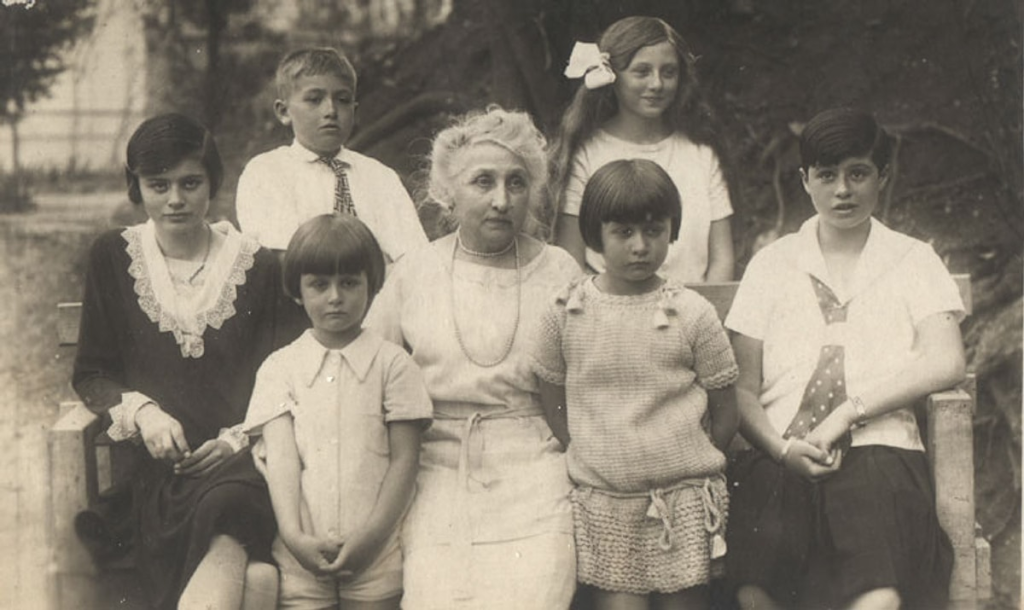
The photo of the grandmother with children is Rose (Corpi) Tubini and her grandchildren in the early 1920s.
At a time when the Ottoman elite still largely preferred the Bosphorus shoreline on the European side of the city, the Tubinis made a surprising decision: they moved to the relatively undeveloped Asian side and settled in Moda during the 1850s. This move would permanently alter the destiny of the district.
The family built a grand mansion on the Mühürdar side of Moda, introducing a new architectural and social model to the area. After Bernard Tubini’s death, François Nomico—related to the family through marriage—constructed a series of identical mansions nearby for the next generation of the family. Over time, the Tubinis built approximately thirteen mansions in the neighborhood. Their estates were surrounded by gardens and reflected European architectural tastes that contrasted sharply with the modest rural texture of old Moda.
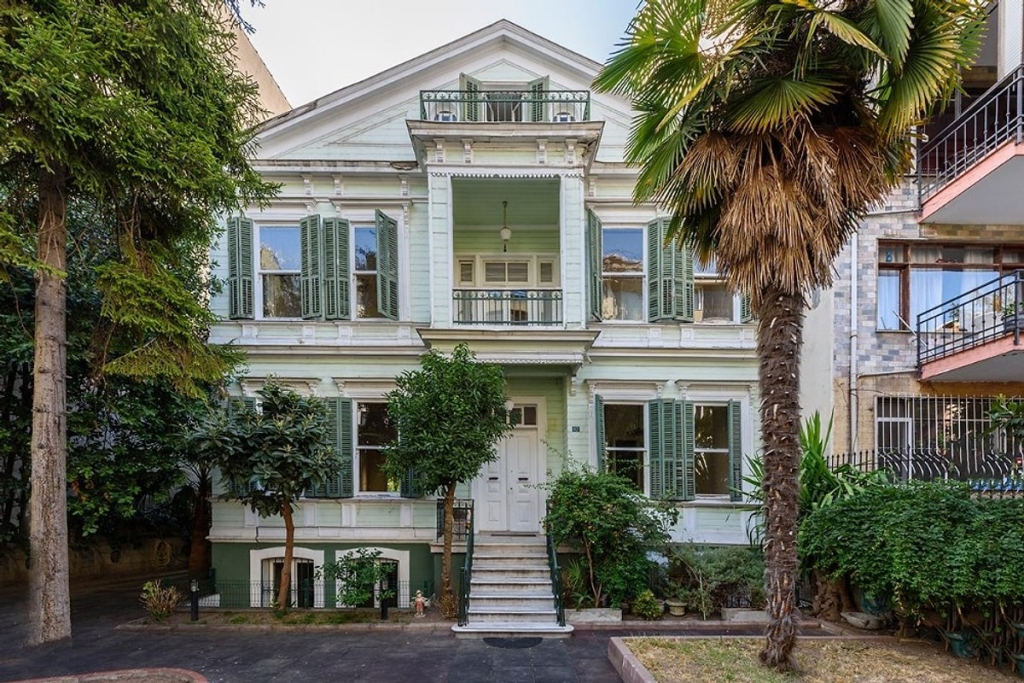
The only remaining mansion of the Tubini family gracefully stands against the test of time
This was more than a real estate development. The Tubinis effectively created a new social geography in Istanbul. Their presence attracted other wealthy Levantine and European-origin families, including the Lorandos, Whittalls, Lafontaines, and Furstenbergers. These families followed the Tubinis to Moda and built their own elaborate residences, turning the district into a prestigious enclave of Ottoman cosmopolitan aristocracy.
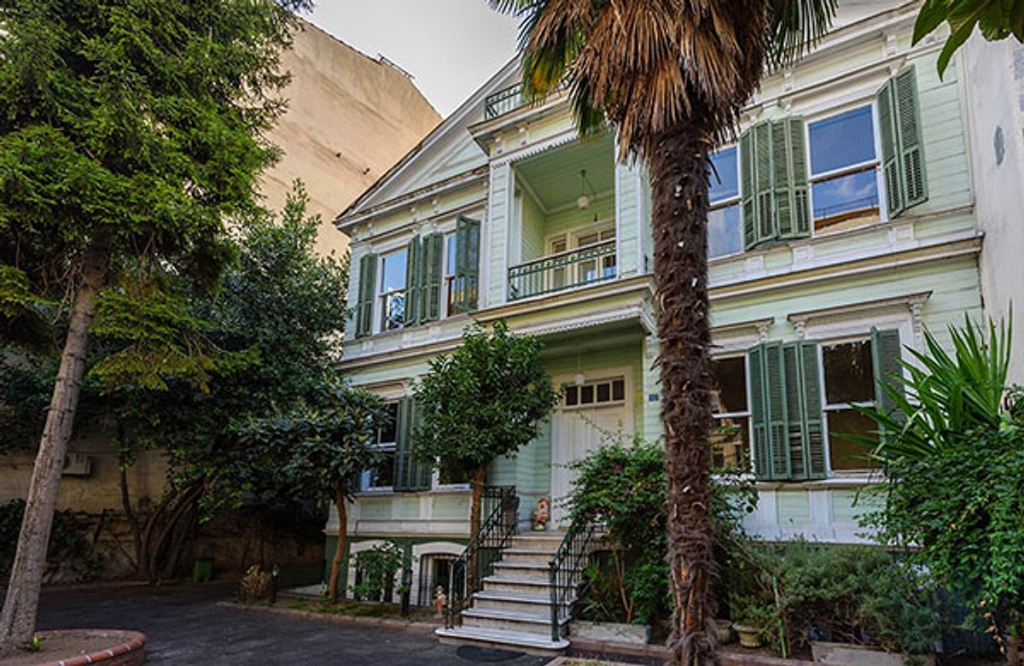
In fact, the area became so associated with the family that it was reportedly known for a period as “Tubini Mahallesi” — the Tubini Quarter. According to several historical accounts, the eventual name “Moda” itself became linked to the European fashions, manners, and lifestyle introduced by these Levantine families. The district evolved into a place where Ottoman, Greek, Italian, French, Armenian, and broader Mediterranean influences blended together in daily life.
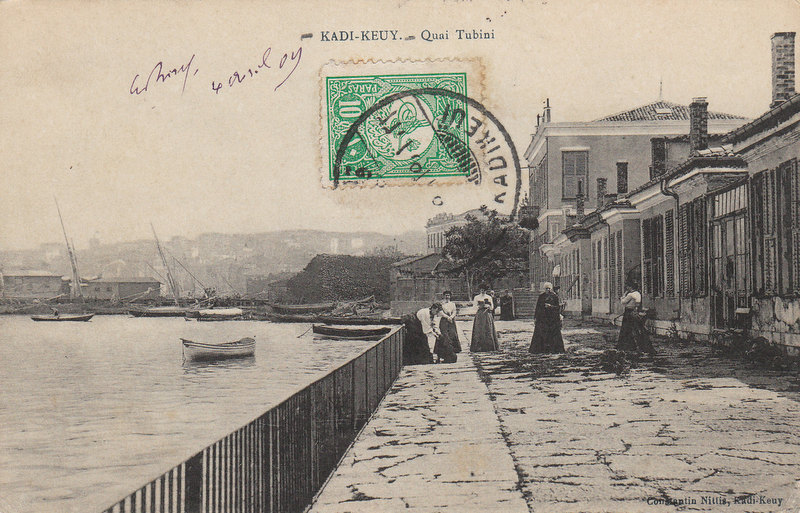
It says ‘Tubini Pier’ on the postcard
The architectural legacy of the Tubinis also helped shape the visual identity of Moda. Their mansions represented a hybrid world: Ottoman urban culture meeting European aesthetics. Neo-Renaissance influences, elaborate façades, wide gardens, and seaside placement gave the neighborhood an atmosphere distinct from much of Istanbul. One surviving Tubini mansion, later known as the Şevket Salih Soysal Mansion, became an enduring symbol of this era. Built in the nineteenth century, it passed through several owners and uses over the decades, functioning at various times as a residence, medical office, and even a kindergarten.
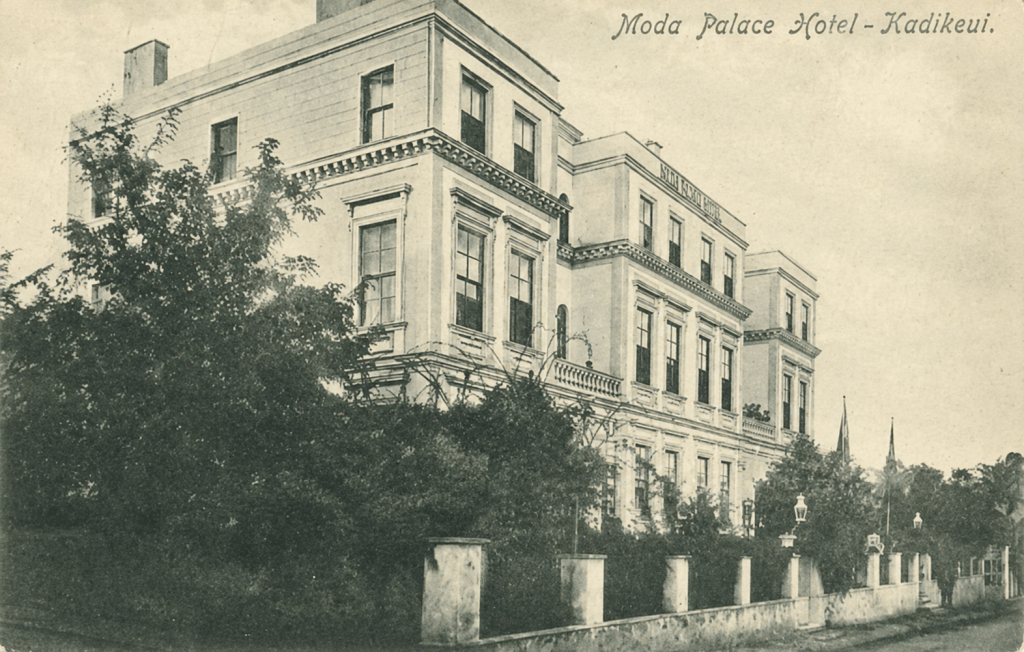
One of the mansions of the Tubini Family which later became the Moda Palace Hotel. Unfortunately, the hotel building was torn down in 1955 after a fire.
Yet the story of the Tubinis is also the story of disappearance. Much of Levantine Moda gradually faded during the twentieth century due to political change, demographic shifts, urbanization, and the decline of the Ottoman cosmopolitan world. Many of the great mansions were demolished and replaced with apartment buildings. Today, only fragments of that aristocratic landscape remain.
Still, the emotional and cultural texture of modern Moda carries traces of the world the Tubinis helped create. The neighborhood’s enduring sense of elegance, openness, European influence, and seaside intellectualism can be traced back to the nineteenth century transformation initiated by this ambitious Levantine family. Long before Moda became synonymous with artists, writers, students, and bohemian café culture, it was the Tubinis who imagined it as a refined residential quarter — and in doing so, they permanently reshaped the identity of Kadıköy itself.
Visuals are taken from Onedio.com and many thanks to Alison Tubini Miner, a descendant of the Tubini family, for generously sharing her family knowledge, and corrections, which greatly enriched this article.