

Emin Onat would sit at each student’s desk in the studio, moving from table to table from morning until evening, critiquing their work and leaving his sketches behind on the desk. During this process, a crowd of students would gather around whichever table he was at and listen to his critiques. Throughout the two years I studied under Onat, I personally witnessed hundreds of his sketches and saw with my own eyes how he produced such creative solutions.’
Doğan Tekeli
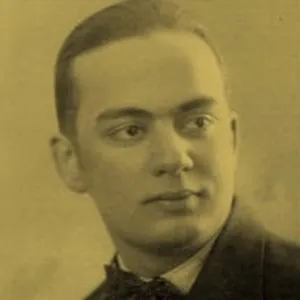
Emin Onat (1908-1961)
Emin Onat’s legacy in Istanbul is often overshadowed by his monumental collaboration on Anıtkabir. Yet when you trace his actual architectural production, Istanbul emerges not as a peripheral site, but as one of the key laboratories where his modernist language took everyday, inhabitable form. His work in the city is less about a single iconic gesture and more about a continuous shaping of institutions, housing, and civic life.
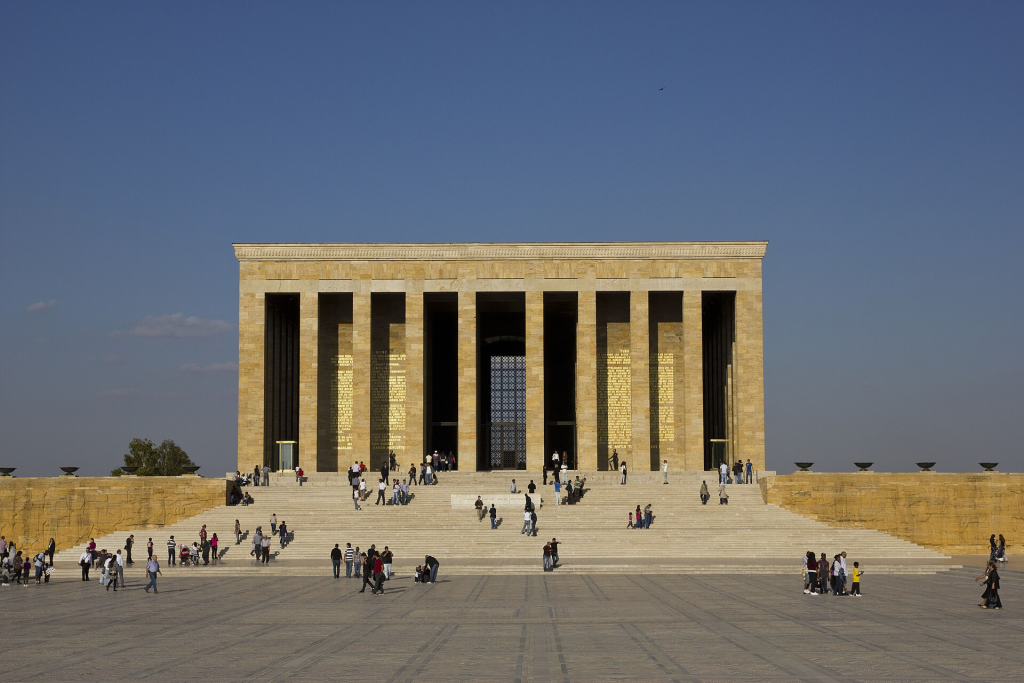
Anıtkabir is the last resting place of Ataturk, founding father of Modern Turkey. Emin Onat is one of two architects of this monumental masterpiece along with Orhan Arda
One of the most significant contributions is his collaboration with Sedad Hakkı Eldem on the Faculty of Letters of Istanbul University (1944). These buildings in Beyazıt represent a crucial moment in Turkish architectural modernism. Rather than breaking violently from their historical surroundings, they negotiate with them—introducing modern structural clarity, rational planning, and restrained façades into the dense, layered fabric of the old imperial center. They embody a republican idea of the university: disciplined, secular, and structurally legible, yet still embedded in Istanbul’s historical continuity.
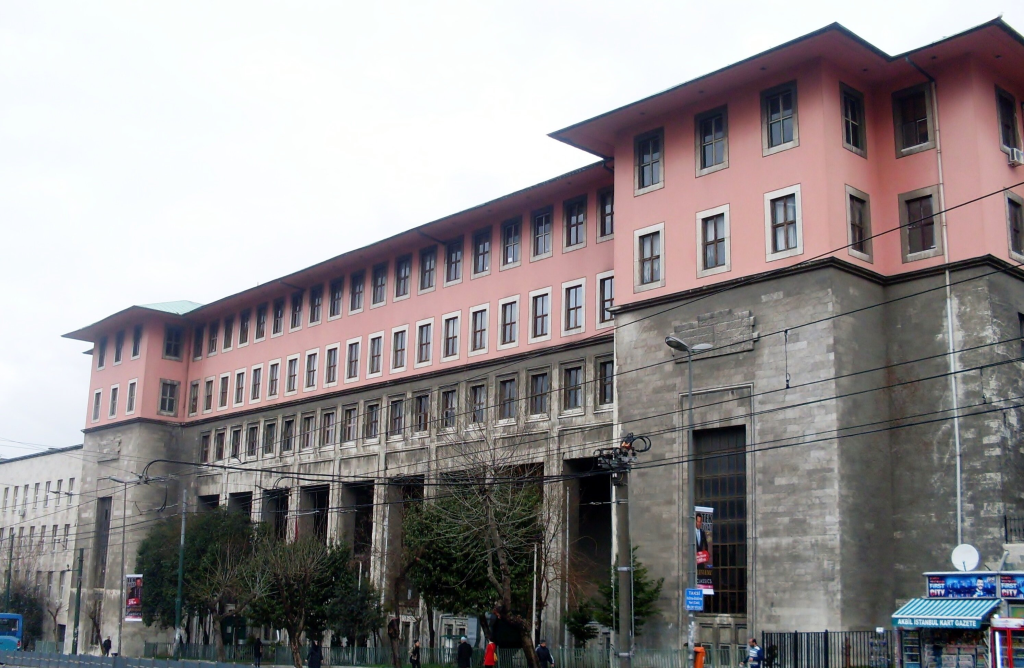
Faculty of Letters of Istanbul University
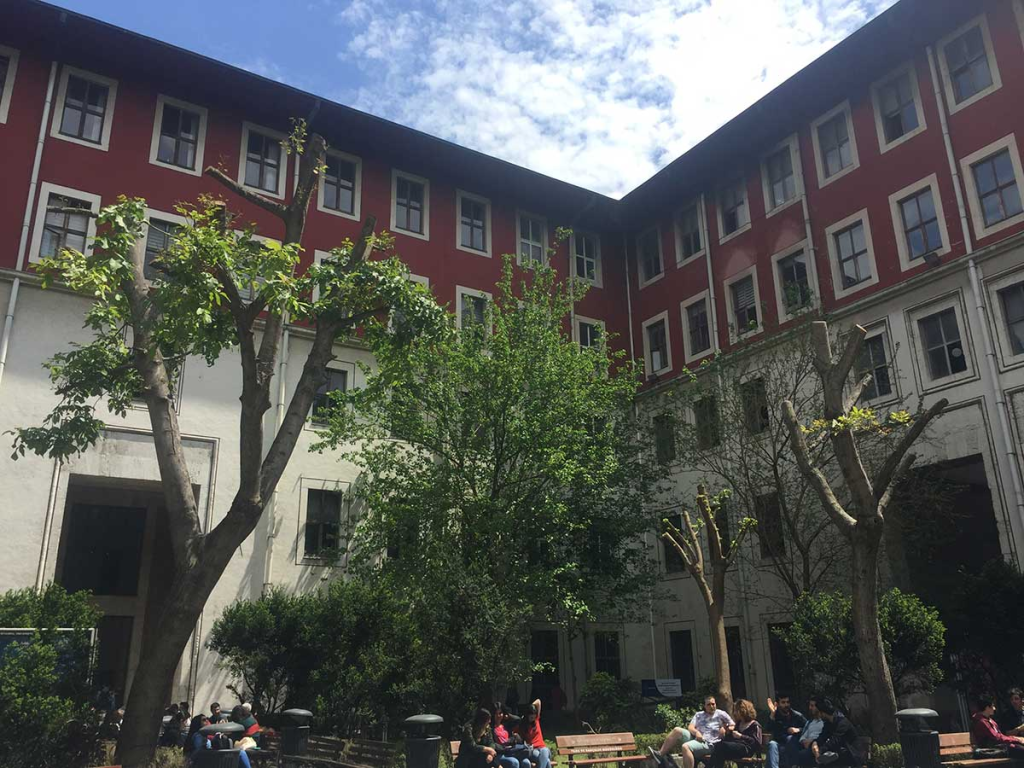
Majestic courtyard of Faculty of Letters of Istanbul University
Another important but often less visible dimension of Onat’s Istanbul legacy is his contribution to Taşkışla’s transformation in collaboration with Paul Bonatz (1950), as part of its integration into Istanbul Technical University. Taşkışla is not merely a building; it is one of the symbolic cores of architectural education in Turkey. Onat’s involvement here links him directly to the formation of the architectural profession in Istanbul, shaping how generations of architects were trained to think about structure, proportion, and modernity.
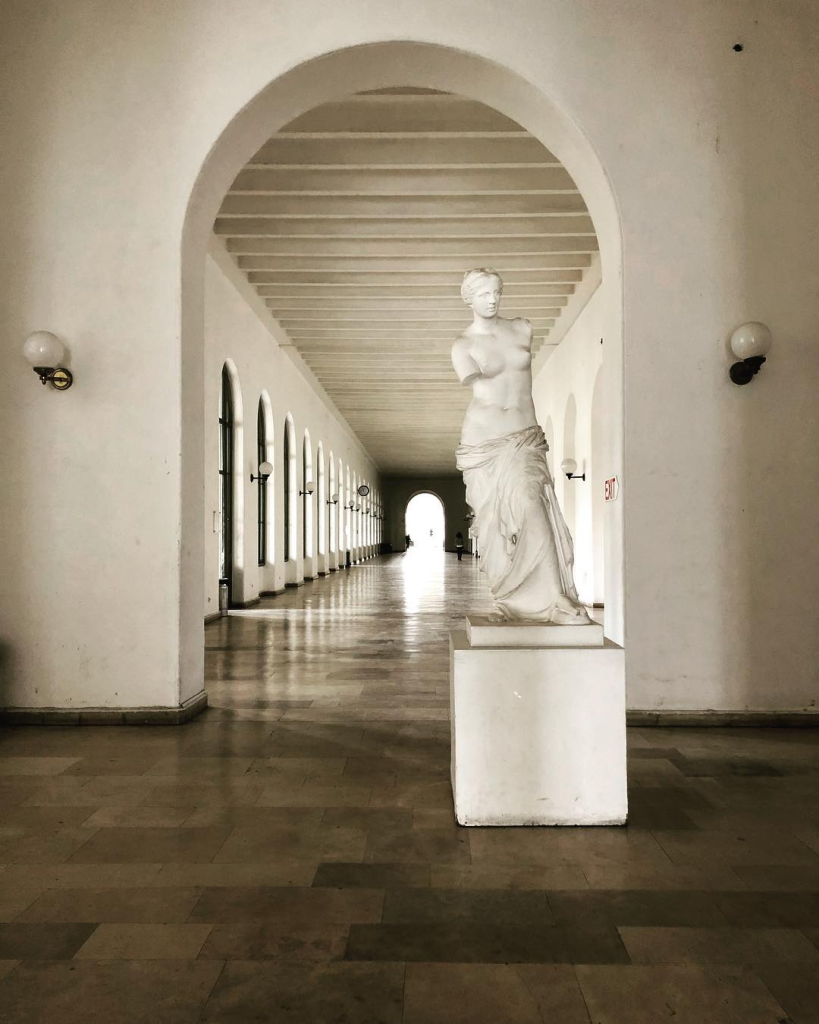
A glimpse at Taşkışla. A building which once served as Ottoman military barracks had been transformed into a building hosting Istanbul Technical University by Emin Onat.
Beyond institutional architecture, Onat’s presence in Istanbul is deeply rooted in the city’s residential evolution during the mid-20th century. In Moda, for example, he designed Emin Onat House (1944), the Sporel Apartment (1956–1957), and the Marmara Apartment (1956–1957), along with his contribution to the Moda Deniz Kulübü (1956–1957).
These buildings mark the transition of Moda from its early wooden and villa-based seaside character into a modern apartment district. They are modest in appearance, but conceptually significant: rational floor planning, clean geometries, and a disciplined approach to urban density that reflects the emergence of modern middle-class living in Istanbul.
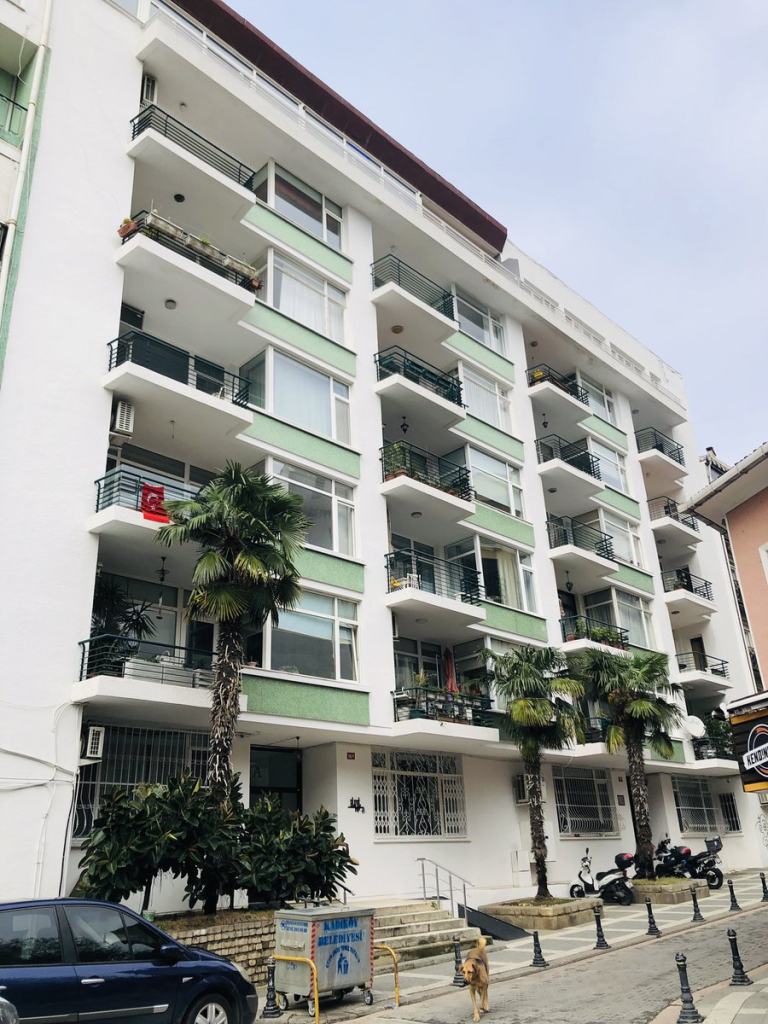
Sporel Apartment, Moda
In other parts of the city, his work extends this same architectural logic. The Yüksel Apartmanı in Nişantaşı (1955) and the Devres İş Hanı in Gümüşsuyu (1961) reflect the increasing verticality and mixed-use character of post-war Istanbul. Meanwhile, earlier works such as Villa Maral in Göztepe (1941) show his engagement with transitional domestic typologies, still connected to villa traditions but already moving toward modern spatial organization.
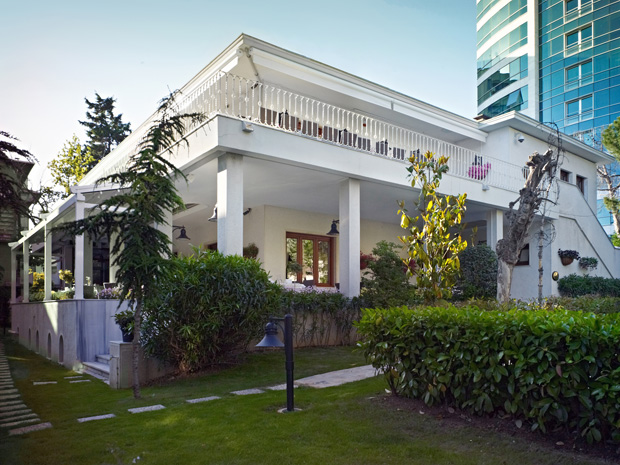
Villa Maral (1941) in Göztepe very close to where I live is another masterpiece by the architect
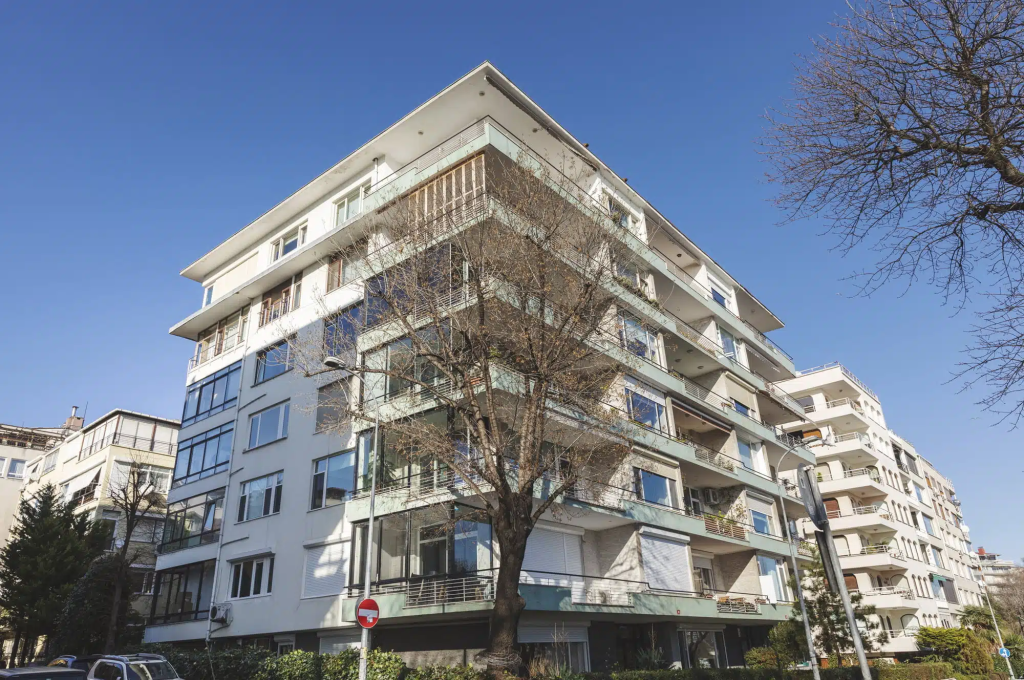
Marmara Apartment, Moda
Even his academic and civic collaborations in Istanbul—particularly the Istanbul University complex and Taşkışla—form a coherent architectural philosophy: one that avoids spectacle in favor of structural clarity, functional order, and institutional dignity. In this sense, Onat’s Istanbul is not defined by a single style or landmark, but by a method of thinking about space.
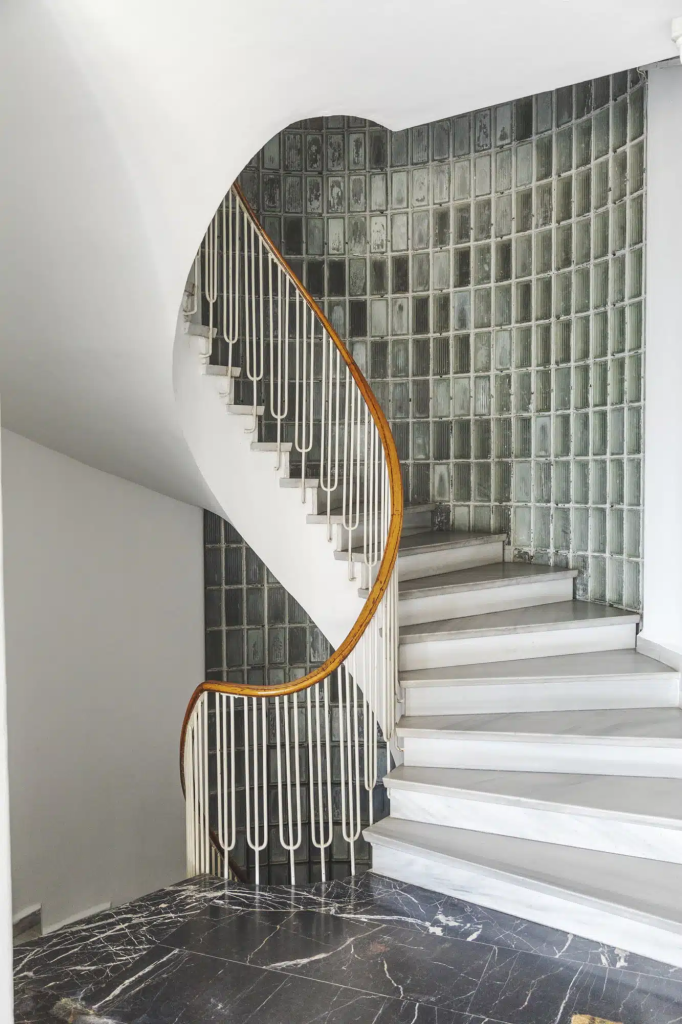
Detail from Marmara Apartment, Moda
Seen as a whole, Emin Onat’s legacy in Istanbul is not monumental in the conventional sense. It is distributed, embedded, and often invisible at first glance. It lives in university courtyards, apartment stairwells, and the measured rhythm of mid-century façades in neighborhoods like Moda and Nişantaşı.
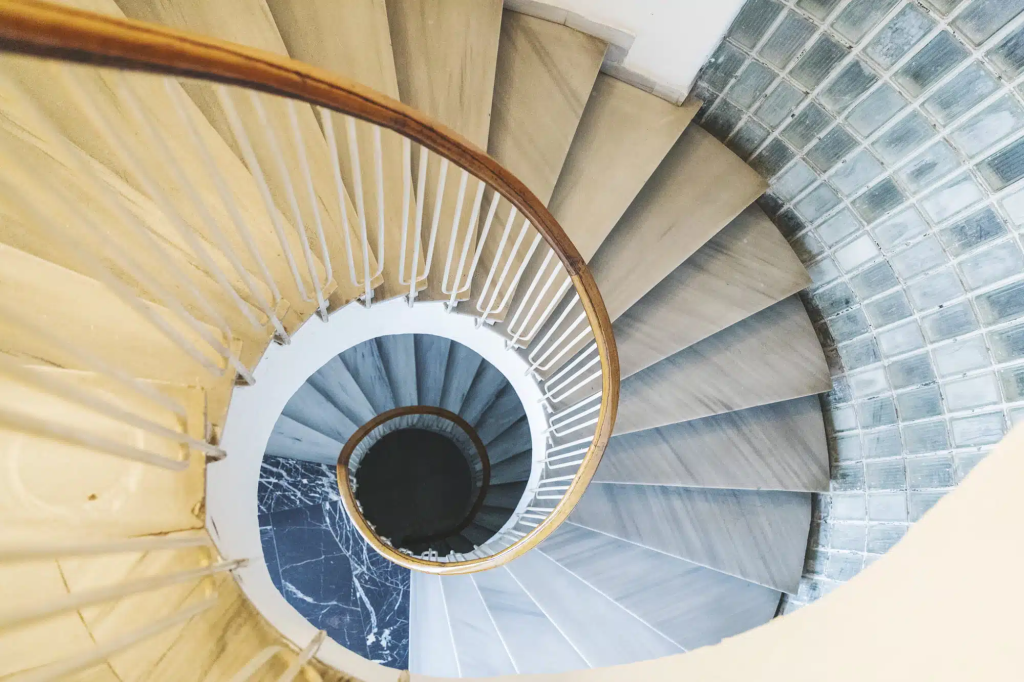
Details from Marmara Apartment, Moda
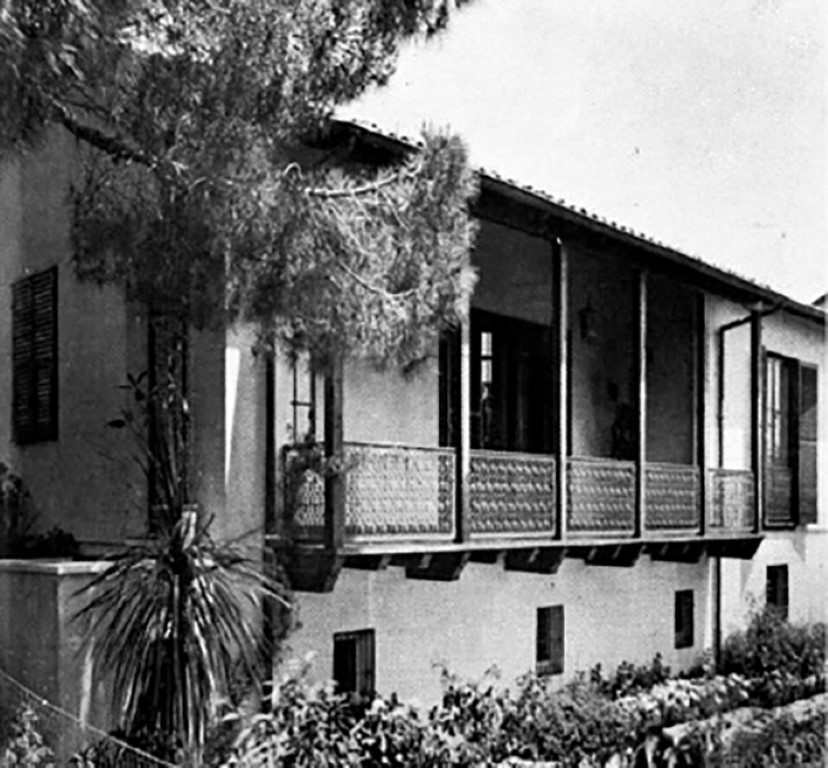
Emin Onat’s house in Moda still stands against the test of time, which is a miracle in an ever-changing city like Istanbul. The house is currently hosting a school.
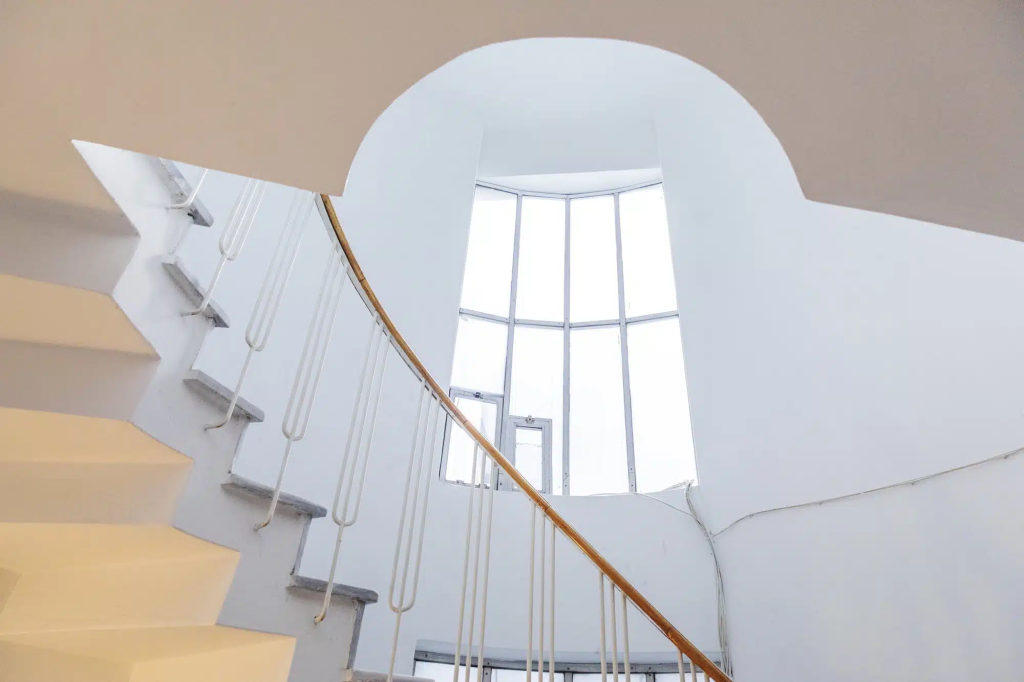
Marmara Apartment, detail
It is so sad to think that so few Istanbulites are aware of Emin Onat’s legacy.
I hope that his legacy is remembered and passed on to newer generations of Istanbulites. He deserves to be remembered as one of the architects of modern Turkey, and his buildings are among the few beautiful remnants of the young republic that we dearly miss.
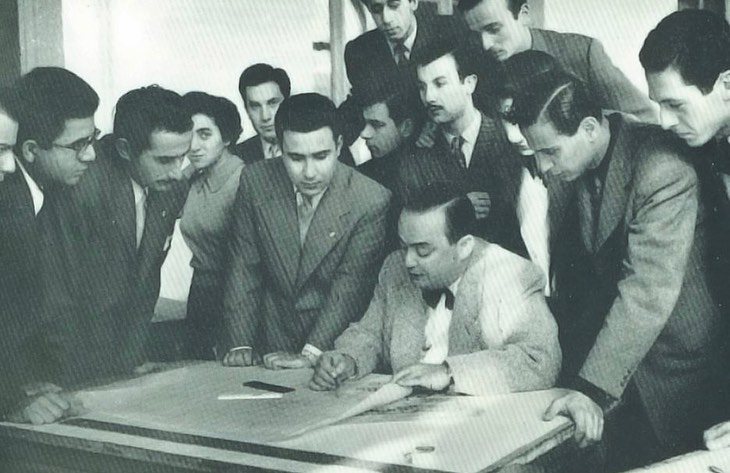
Emin Onat with his students


