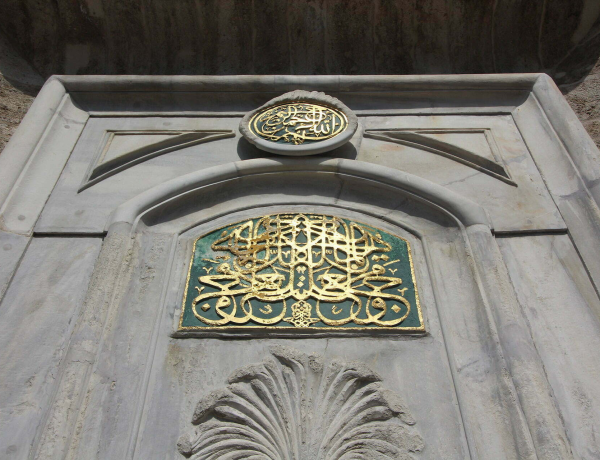

If the day has come to weigh anchor from time itself,
A ship bound for the unknown departs from this harbour.‘
Yahya Kemal Beyatlı
Few love stories in Turkish literary history have left such a profound, melancholic mark on poetry as the relationship between Celile Hanım and Yahya Kemal Beyatlı. Their brief, passionate, and ultimately unfulfilled affair has become inseparable from one of the most beloved masterpieces in the Turkish language: Sessiz Gemi (The Silent Ship).
Set against the enchanting backdrop of early twentieth-century Istanbul—with its ferry crossings, waterfront mansions, literary salons, and the quiet melancholy of the Princes’ Islands—the love story of Celile Hanım and Yahya Kemal unfolded alongside a city itself suspended between the fading Ottoman world and the birth of modern Turkey.
At the center of this tragedy stood three remarkable figures of twentieth-century Turkish culture: a pioneering female painter, a towering poet of the late Ottoman era, and a young naval cadet who would grow up to become one of the world’s most revolutionary literary voices—Nazım Hikmet.
A Meeting of Art and Intellect

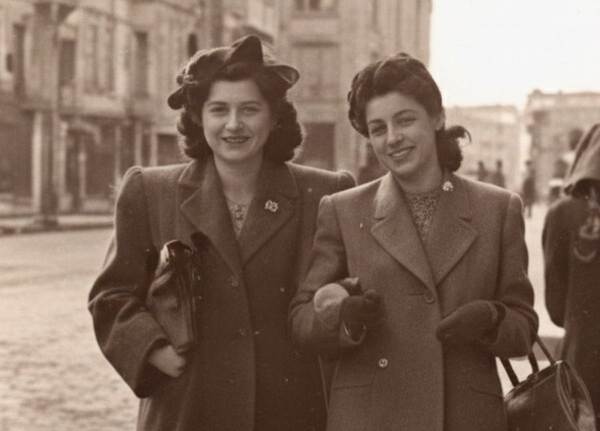
Celile Hanım in her youth
Born into an aristocratic, highly educated, and cosmopolitan Ottoman family, Celile Hanım was a woman ahead of her time. As one of the empire’s first female painters, she was trained in Paris and Rome, spoke fluent French, and moved with effortless grace through Istanbul’s elite intellectual circles. She was celebrated not only for her striking, auburn-haired beauty but for her fierce, independent spirit.
She was married to Hikmet Bey, the son of the prominent statesman Nazım Paşa, but the marriage was deeply unhappy and emotionally suffocating.
The catalyst for change arrived when their young son, Nazım Hikmet, enrolled as a cadet at the Naval School (Bahriye Mektebi) on the serene island of Heybeliada. Seeking the finest education for the boy, the family crossed paths with Yahya Kemal Beyatlı, who had recently returned from Paris steeped in Western literary forms and had been hired to teach poetry and literature to the cadets.

Celile Hanım
Invited to the family home to tutor young Nazım, Yahya Kemal quickly became a fixture in Celile Hanım’s salon. Conversations about French poetry, canvas techniques, and the crumbling state of the Ottoman Empire soon melted into a magnetic, intense emotional connection. For Celile Hanım, the brilliant poet represented the possibility of a grand, authentic life. Defying the rigid social codes of Istanbul high society, she took the scandalous step of divorcing Hikmet Bey, fully expecting to build a future with Yahya Kemal. She even began preparing her bridal trousseau, ordering custom, monogrammed shirts for the poet.
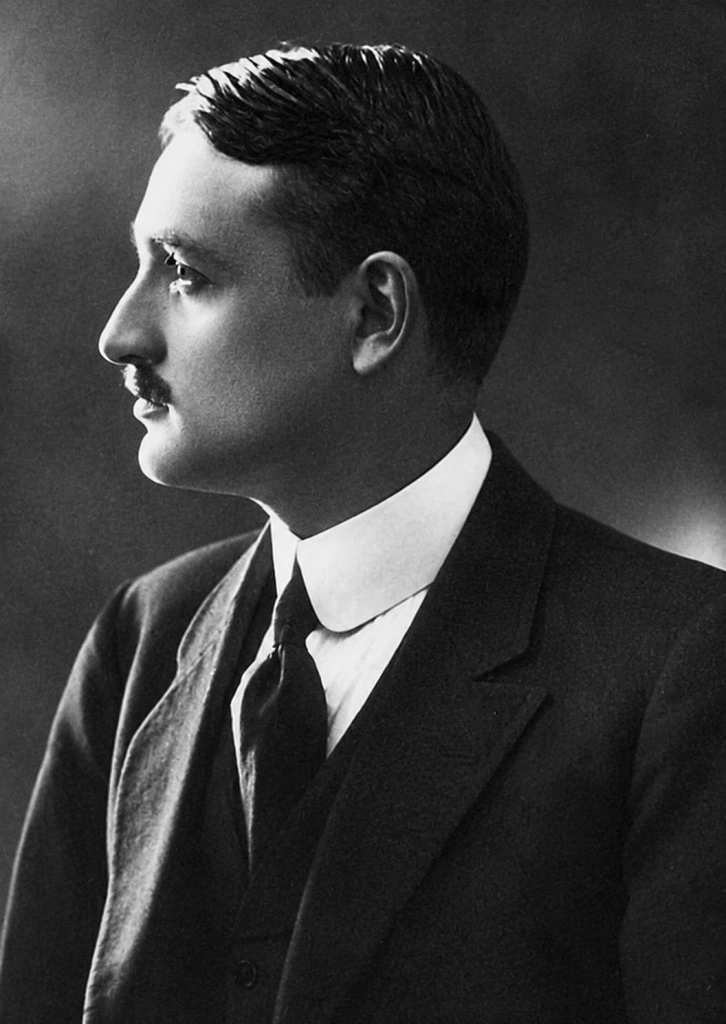
Yahya Kemal Beyatlı
Yet, as the affair became the talk of Istanbul’s waterfront mansions, Yahya Kemal began to hesitate. Though consumed by passion, he was a man deeply bound by social conventions and plagued by anxieties. He confessed to his close friend, the writer Yakup Kadri Karaosmanoğlu, that he feared public gossip and the unpredictable nature of marrying a fiercely independent, divorced woman. He began to pull away, leaving Celile caught between her public sacrifice and his private cowardice.
The Son in the Middle
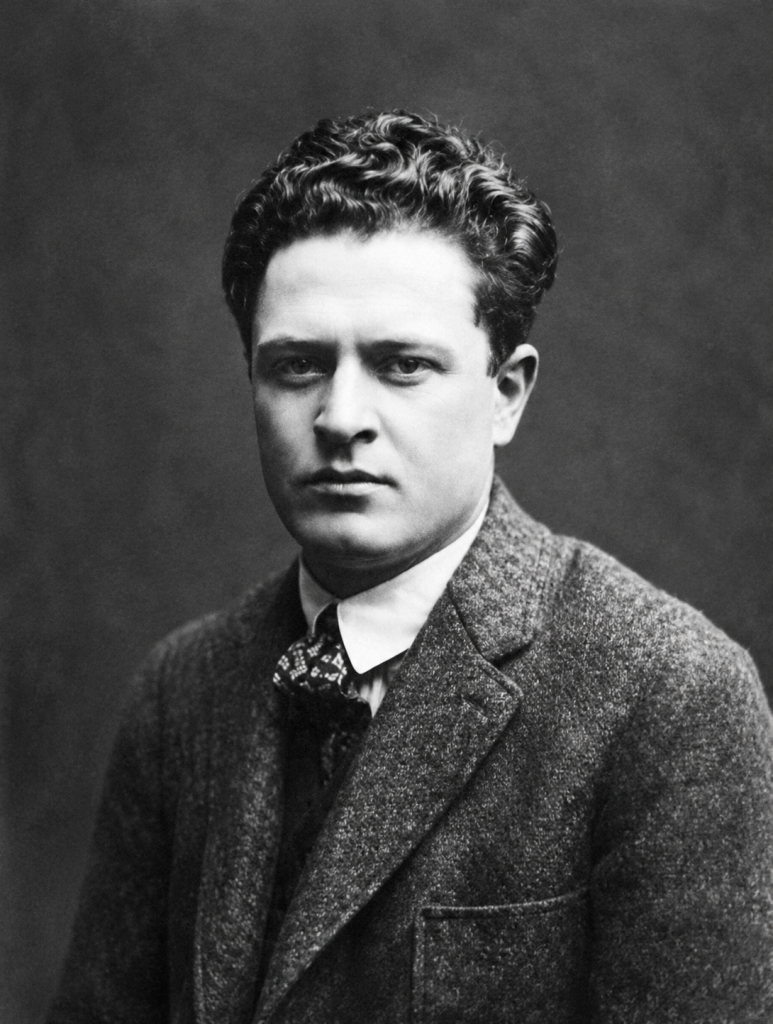
Nazım Hikmet in his youth
The affair placed the teenage Nazım Hikmet in an agonizing, impossible position. He deeply revered Yahya Kemal as his literary mentor—the man who first recognized his poetic genius—yet he fiercely resented him as the intruder threatening his family’s honor.
One afternoon, suspicion turned to certainty. Legend holds that after finding the poet alone with his mother, Nazım slipped a small, folded piece of paper into the pocket of Yahya Kemal’s heavy overcoat before the older man left the house. Written in the elegant script of a furious young cadet, the note read: You may enter this house as my teacher, but you cannot enter it as my father.
While historians debate whether the wording was exactly as recorded, the psychological impact of the note is undisputed. It shattered the illusion. The burden of guilt, paired with the boy’s sharp defiance, froze Yahya Kemal. The poet realized that his secret romance carried a heavy human cost, and his retreats became more frequent.
The Departure from Heybeliada
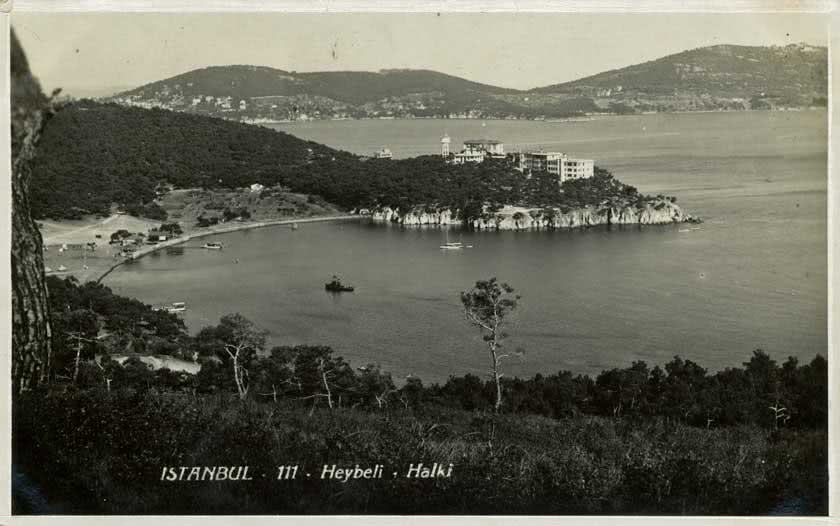
The final fracture occurred at the end of a long, emotionally fraught summer on the Princes’ Islands.
As the season changed, Celile Hanım boarded the ferry at the Heybeliada pier to return to the mainland of Istanbul, symbolizing the end of their summer sanctuary. Yahya Kemal stood frozen on the wooden quay, watching the steamship slowly pull away into the misty waters of the Marmara. He reportedly remarked to friends years later that while Celile was on the island, Heybeliada felt bursting with life; the moment she stepped onto that boat, the entire island became a hollow, empty rock.
He never boarded a ship to follow her. Out of that paralyzing grief and the haunting sight of the disappearing ferry emerged Sessiz Gemi.
While generations of Turkish readers have memorized these opening lines as a profound meditation on death and the final journey of the soul, its heartbeat was entirely romantic. The “silent ship” pulling away into the fog was Celile’s ferry, and the absolute silence of the vessel reflected Yahya Kemal’s own inability to cry out, to stop her, or to speak his truth before it was too late.
The Bitter Aftermath
The romance ended, but the shadows it cast lengthened over the next several decades, turning a poetic tragedy into a harsh reality.
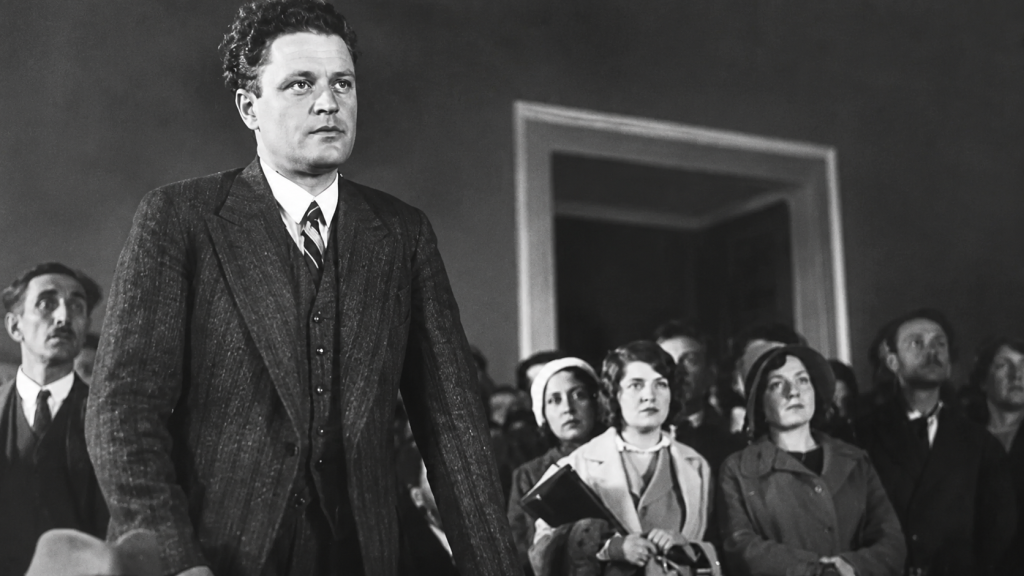
Nâzım Hikmet in court. He was sentenced to 15 years in prison.
In the late 1930s and 1940s, Nazım Hikmet was imprisoned for his radical political poetry. Celile Hanım, aging and desperate to save her son, wrote agonizing letters to Yahya Kemal—who by then had become an incredibly influential intellectual and a Member of Parliament. She begged him to use his political leverage to help Nazım. Fearing political fallout, Yahya Kemal never answered.
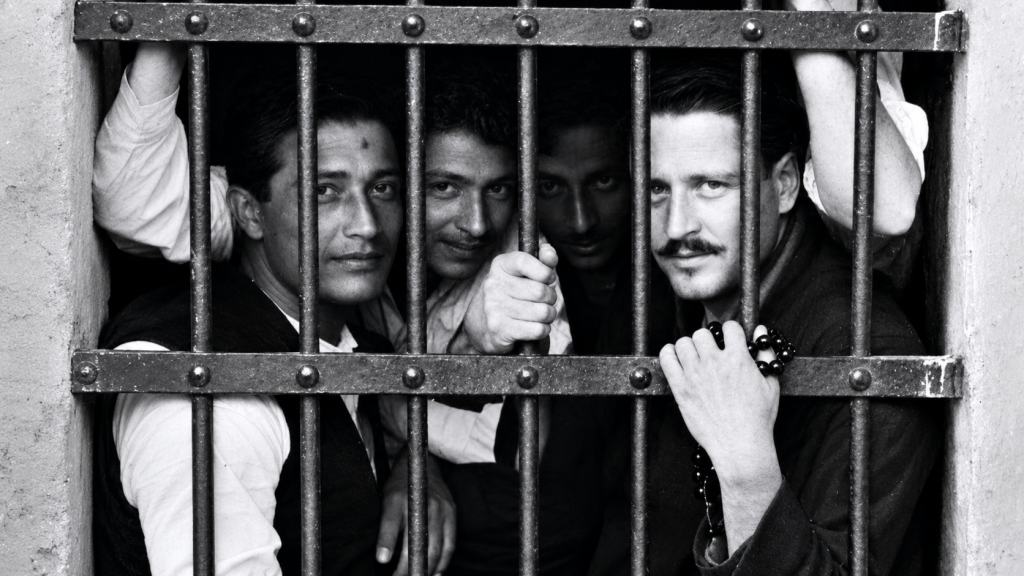
Nazım Hikmet in prison
In 1950, Celile Hanım, now partially blind and frail, went on a hunger strike on Istanbul’s Galata Bridge, holding a sign to protest her son’s wrongful imprisonment. In a devastating twist of fate, Yahya Kemal was documented walking across the bridge that very day. Recognizing his former great love fighting for her son’s life in the cold, the poet looked away, accelerated his pace, and walked right past her without saying a word.
A Touch of Redemptive Grace
Despite the real-world bitterness, the profound artistic and emotional bond they shared could never be completely erased by time or politics.

When Yahya Kemal died in 1958, friends sorting through his personal papers at Istanbul’s Park Hotel—where he had spent his final years—reportedly discovered a pristine envelope containing several dried flower petals. According to accounts that have become part of Turkish literary lore, a note in the poet’s own hand explained that he had kept the petals since the night of 19 August 1930, when a beloved woman had plucked them from her dress and given them to him as a quiet farewell at Sirkeci Station.
Although the note did not name the woman, many biographers believe she was Celile Hanım. Whether entirely factual or gently embellished through retelling, the story has endured because it captures the lasting emotional imprint their relationship left on the poet’s life.
Far away in Moscow, living in political exile, Nazım Hikmet heard the news of his old teacher’s passing over the radio. The anger of his youth had faded into a deep, artistic reverence. He sat down and wrote a letter to his wife, Münevver:
“I listened to the radio last night: Yahya Kemal has died. A great poet. He was one of my teachers, and one of the teachers from whom I learned the most… Yahya Kemal was my youth, in a way.”
The affair between Celile Hanım and Yahya Kemal never achieved the life they had initially imagined. It left behind no shared home, no marriage, and no happy ending. Instead, it left an indelible scar on three brilliant minds, and gave Turkish literature its most enduring monument to the pain of letting go. Nearly a century later, on the waters of the Marmara, the silent ship still sails.
Note that the video is embedded via YouTube and all rights belong to the respective rights holders.