
“For the first time, I found myself fighting alone a battle of dread and grief […] I felt my rising horror of veils
that covered faces and long skirts that entangled legs.”Selma Ekrem
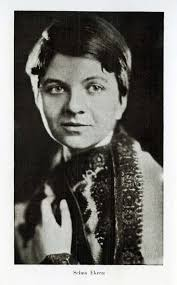
Selma Ekrem (1902-1986)
In 1930, a young Turkish woman living in the United States published a memoir that introduced English-speaking readers to a world in transition. Unveiled: The Autobiography of a Turkish Girl by Selma Ekrem offered a rare first-hand account of the final decades of the Ottoman Empire and the emergence of modern Turkey through the eyes of a woman born into one of the empire’s most prominent intellectual families.
Today, the book remains an important historical document—not because it tells the story of all Ottoman women, but because it captures the experiences of one educated, cosmopolitan woman navigating a rapidly changing society.
An Istanbul Childhood
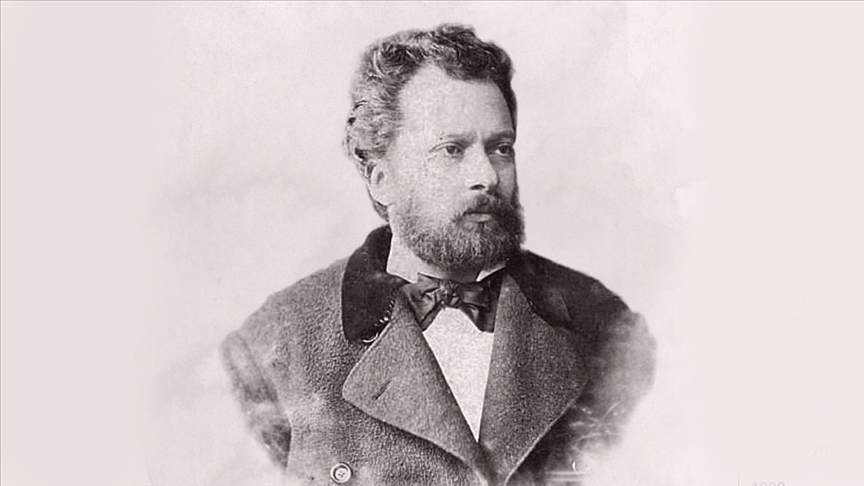
Namık Kemal
Hatice Selma Ekrem was born in Istanbul in 1902. She was the daughter of poet and statesman Ali Ekrem Bolayır and the granddaughter of Namık Kemal, the influential Ottoman writer and political thinker often remembered as the “Poet of Liberty.”
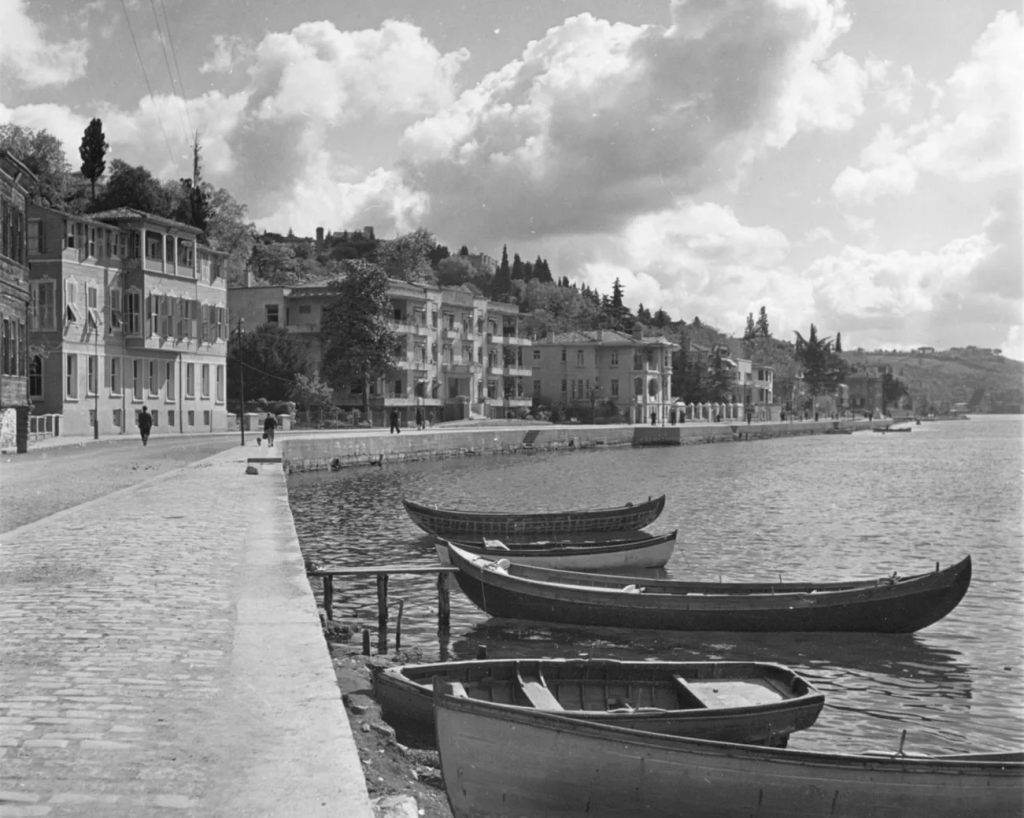
Once upon a time in Arnavutköy where Selma Ekrem spent a part of her childhood
Growing up in an elite Ottoman household, Selma Ekrem witnessed profound political and social transformations. Her father’s administrative appointments took the family beyond Istanbul to Jerusalem, Beirut, and the Aegean Islands during the final years of the empire.
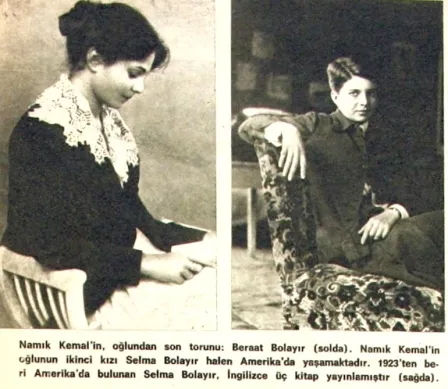
Selma Ekrem and her brother Beraat (visual is taken from readinggundertheolivethree.com)
These experiences exposed her to the diverse ethnic, linguistic, and religious communities that made up the Ottoman world.
After returning to Istanbul during the First World War, she attended the American College for Girls, one of the leading educational institutions for women in the late Ottoman period. There, she studied alongside students from different backgrounds and encountered ideas about women’s education, social reform, and modernity that would shape her worldview.
Writing Unveiled
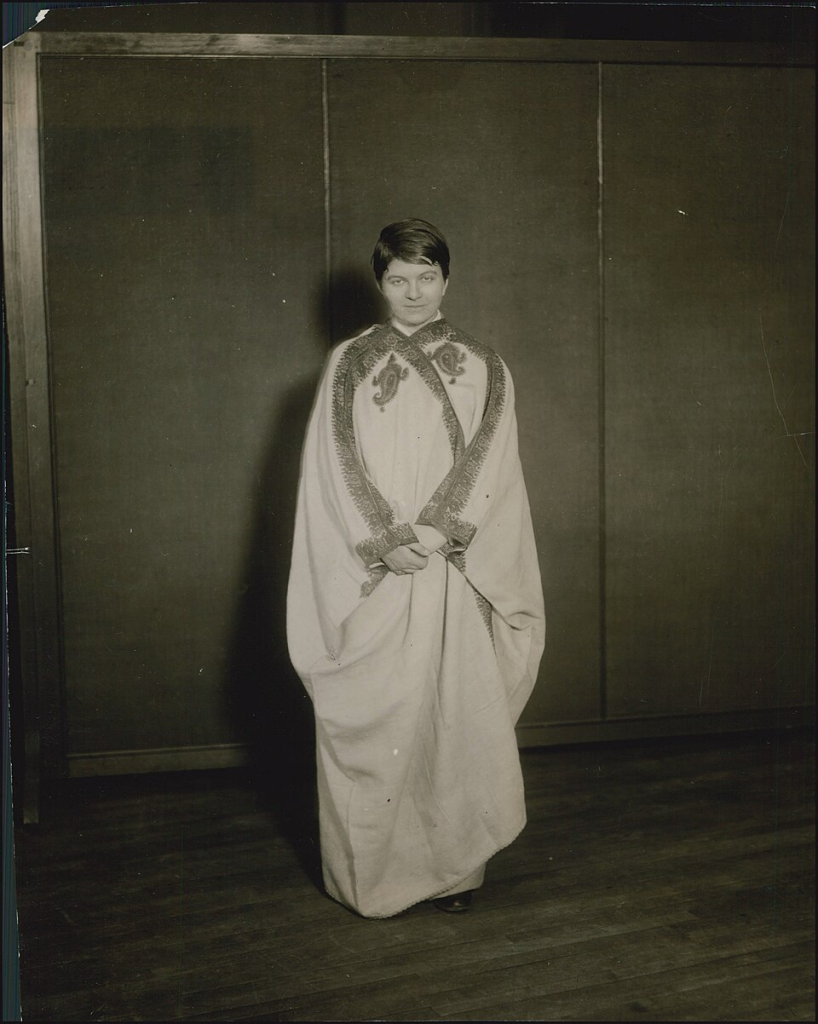
Ekrem, wearing the mashlah, the camel hair robe trimmed in Turkish embroidery in which she appeared when she spoke before members of the Woman’s club (taken from wikipedia)
Selma Ekrem travelled to the United States in 1924 and eventually settled there, building a career as a lecturer and writer. In 1930, at the age of twenty-nine, she published Unveiled: The Autobiography of a Turkish Girl in New York. The book was later published in London in 1931.
Unlike many Ottoman memoirs that were translated years later, Unveiled was written directly in English for an international audience.
The memoir recounts Ekrem’s life from childhood to early adulthood, ending when she was twenty-one. It chronicles the decline of the Ottoman Empire, the Young Turk Revolution, the Balkan Wars, the First World War, the Allied occupation of Istanbul, and the birth of the Turkish Republic.
Throughout the book, Ekrem reflects on the changing roles of women in Turkish society and the opportunities created by education and reform.
Beyond the Veil
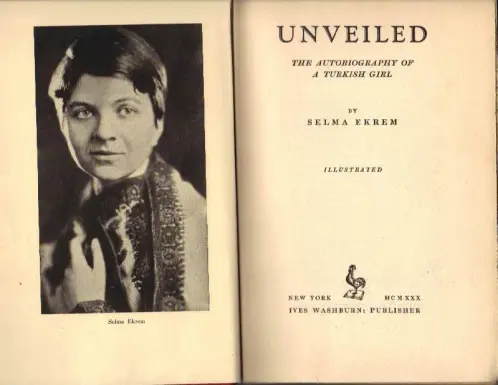
The title Unveiled is symbolic rather than literal.
While the book discusses practices such as veiling and gender segregation, its central concern is broader: the transition from an imperial society to a modern nation-state and the changing place of women within that transformation.
Ekrem presents the veil as one of several social conventions that shaped women’s lives in the late Ottoman period. However, she also emphasises that Ottoman women’s experiences varied according to class, education, family background, and geography.
As a member of the urban elite, Ekrem occupied a privileged position. Her access to education, travel, and intellectual circles distinguished her from many of her contemporaries.
Modern scholars have noted that Unveiled was written with Western readers in mind. Some have argued that, in seeking to explain Turkish society to an American audience, Ekrem occasionally adopts the language and assumptions of contemporary Western views about the “East.” For this reason, the memoir is often studied today not only as a historical source, but also as an example of cross-cultural self-representation.
A Cultural Ambassador
After the publication of Unveiled, Selma Ekrem became a prominent lecturer in the United States and Canada, speaking about modern Turkey and the changing status of women.
Over the following decades, she wrote extensively about Turkish culture and history, publishing hundreds of articles and additional books, including Turkey Old and New (1947) and Turkish Fairy Tales (1964).
Her work helped introduce American audiences to a country that was often misunderstood or reduced to Orientalist stereotypes.
Why Unveiled Still Matters
Nearly a century after its publication, Unveiled remains valuable for historians, literary scholars, and readers interested in Istanbul’s past.
Its significance lies not in offering a definitive account of Ottoman womanhood, but in preserving the voice of a woman who lived through one of the most dramatic periods of change in Turkish history.
Through Selma Ekrem’s memories, readers encounter an Istanbul of waterside mansions, multilingual households, political upheavals, and new possibilities for women.
Her story reminds us that the transition from empire to republic was not only a political transformation—it was also a deeply personal one, experienced within homes, schools, and families across the city.