
This article is about one of my most favourite spots in the city which is the heart of Kadıköy: Bahariye Caddesi (Avenue). Bahariye Caddesi is one of Kadıköy’s most historic and culturally significant urban spaces on Istanbul’s Anatolian side. Today known as a vibrant pedestrian thoroughfare loved by locals and visitors alike, its name, development, and enduring character reflect both natural landscape and evolving urban life in Kadıköy.
The name “Bahariye” is thought to come not from an official title, but from the area’s historic character. In earlier centuries, the land that would become the street was filled with orchards, vineyards, gardens and trees, and was a favorite mesire yeri (picnic and leisure spot) for Kadıköy residents, especially in springtime. Locals associated its fresh air and seasonal beauty with bahar (“spring”) and bahariye (“place of springlike gardens”), leading to the street’s popular naming.
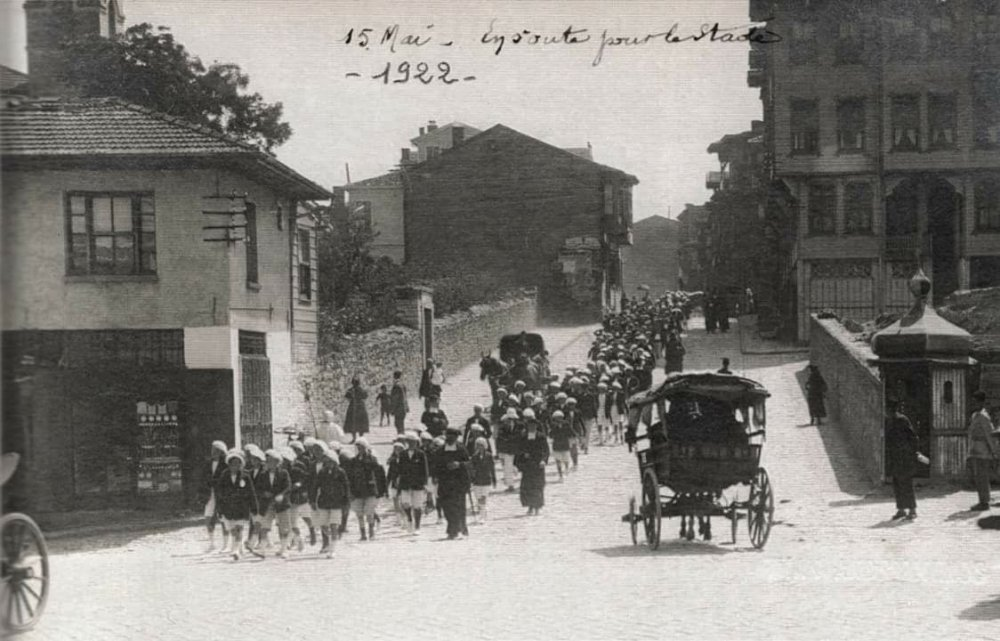
Bahariye, 1922
Before urbanization, the stretch between Altıyol (the Bull Statue square) and Doktor Esat Işık Caddesi was rural and green. It served as a nearby recreational destination for city dwellers because of its gardens and fresh air—a contrast to denser urban cores. Over time, the transformation of this corridor into a built environment accompanied broader changes in Kadıköy’s urbanization, especially in the late Ottoman period and into the early Republican era. The growing population and commercial life in Kadıköy gradually replaced orchards with structures for business, culture, and community life.
Bahariye has long been more than a shopping street; throughout the 20th century it was a cultural hub. It hosted cinemas, theaters, cafés, concert venues and Halkevi (People’s House) centers, reflecting the social life of Kadıköy’s residents. Musicians, doctors, intellectuals, and artists often lived in or near the area, adding to its reputation as both an entertainment and social meeting space.
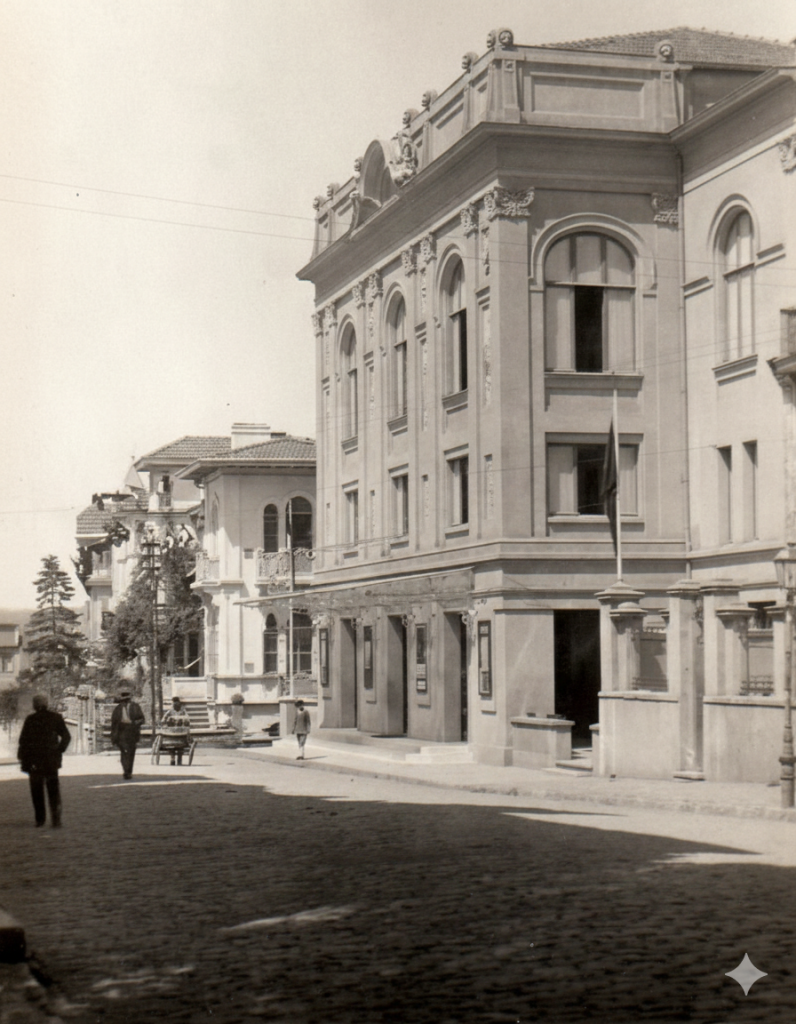
Süreyya Opera House
A centerpiece of the street is the Süreyya Opera House, constructed in 1927 by Süreyya Ilmen Pasha. Although it functioned for many years as a cinema hall due to incomplete stage machinery, the building was restored and reopened in 2007 as an opera and ballet venue, becoming a major cultural landmark on the Anatolian side.
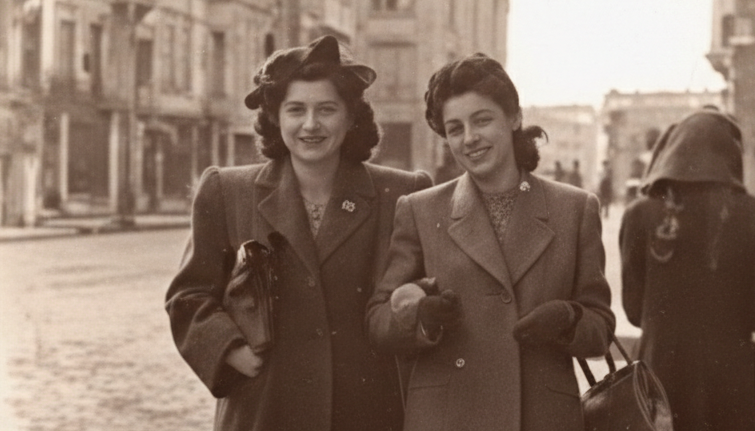
Young ladies on Bahariye Avenue, 1940s
Among the historic features of Bahariye Caddesi was the Köçeoğlu Hamamı, built in 1840 by Agop Köçeoğlu, a wealthy Ottoman-era sarraf and banker whose family owned property in Kadıköy. Serving the local community for over a century, the hamam was a traditional social and bathing space for men and women on different days, reflecting the daily life of the neighborhood before modern plumbing became widespread. Today, only fragments of its structure remain, including a worn entrance arch and portions of the courtyard walls, quietly reminding visitors of the street’s Ottoman-era leisure culture and the vanished urban fabric that once coexisted with the orchards and gardens that inspired Bahariye’s name.
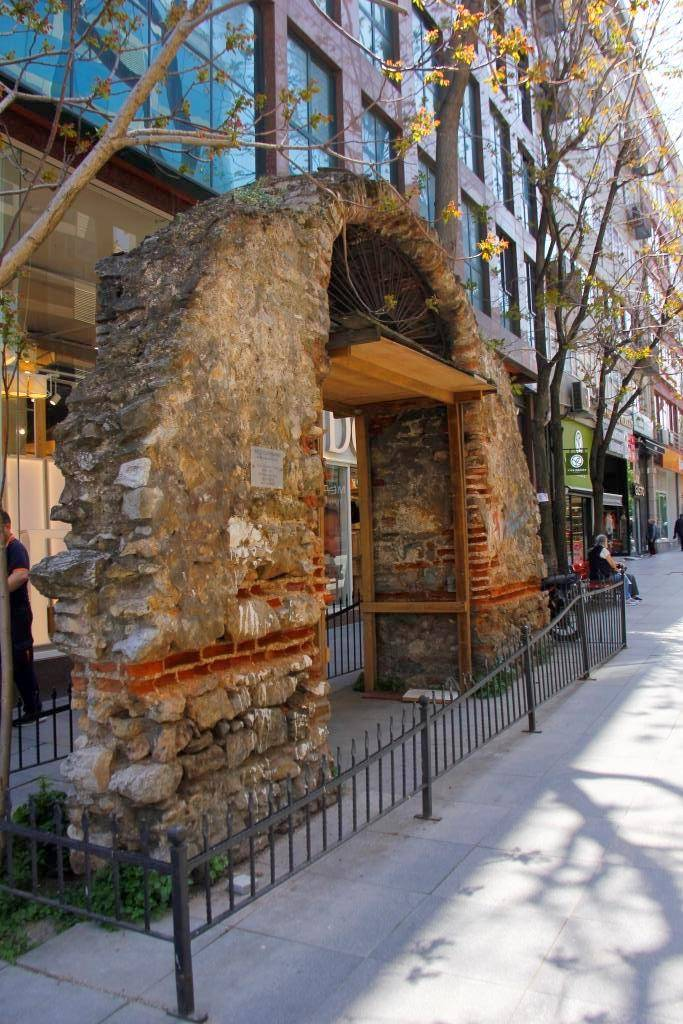
Remains of the Köçeoğlu Hamam
Alongside the Süreyya Opera House and the old Köçeoğlu Hamamı stands another important historic building on Bahariye Caddesi: the residence of the Kadıköy Rum Ortodoks Metropolitliği (Greek Orthodox Metropolis of Kadıköy). This building originated in the early 20th century from one half of a pair of twin mansions that stood next to each other on property owned by the Köçeoğlu family; in 1908 the selamlık (front) portion was purchased by the local Greek Orthodox Metropolit — at the time Metropolit Yermanos V — and donated to the Rum community for use as the metropolitan residence and offices. Since then, the mansion has been in continuous use by the Kadıköy and Tevabii Rum Metropolitliği, serving as a religious and community center for the Orthodox population even as the surrounding street modernized. Architecturally, the building remains an example of late Ottoman‑era residential style with a broad garden facing Bahariye, preserving a layer of the neighborhood’s multicultural heritage; it underwent careful restoration in the 1970s after damage during the events of 1955 and again in 2012 to maintain its historic fabric and features.
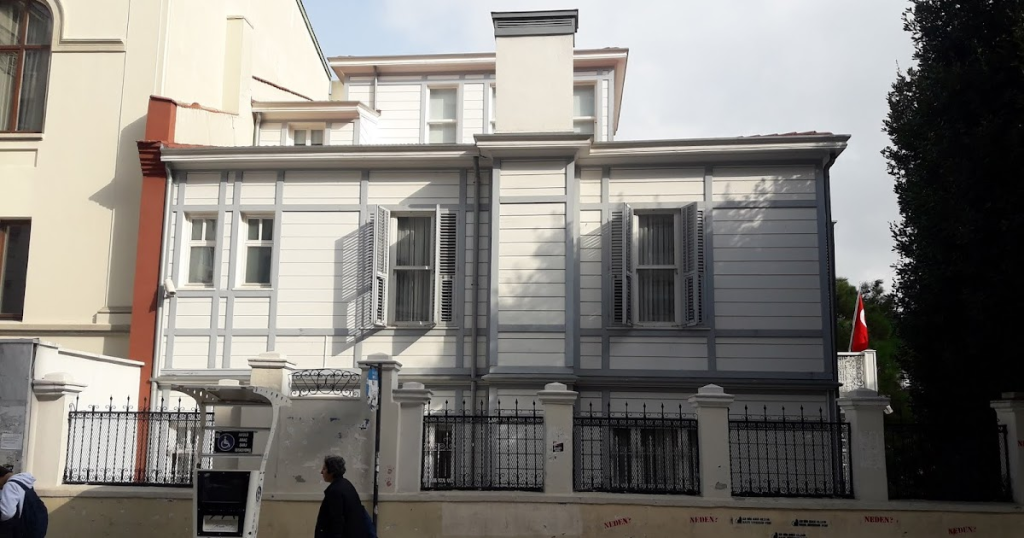
Greek Orthodox Metropolis of Kadıköy
On Bahariye Caddesi stands another gem which is the Aya Triada Rum Ortodoks Kilisesi (Holy Trinity Greek Orthodox Church), built in 1902, which has long served Kadıköy’s Greek Orthodox community. Its historic architecture and serene presence reflect the religious and cultural heritage of the neighborhood, offering a glimpse of the diverse traditions that have shaped Kadıköy alongside its bustling streets and historic landmarks.
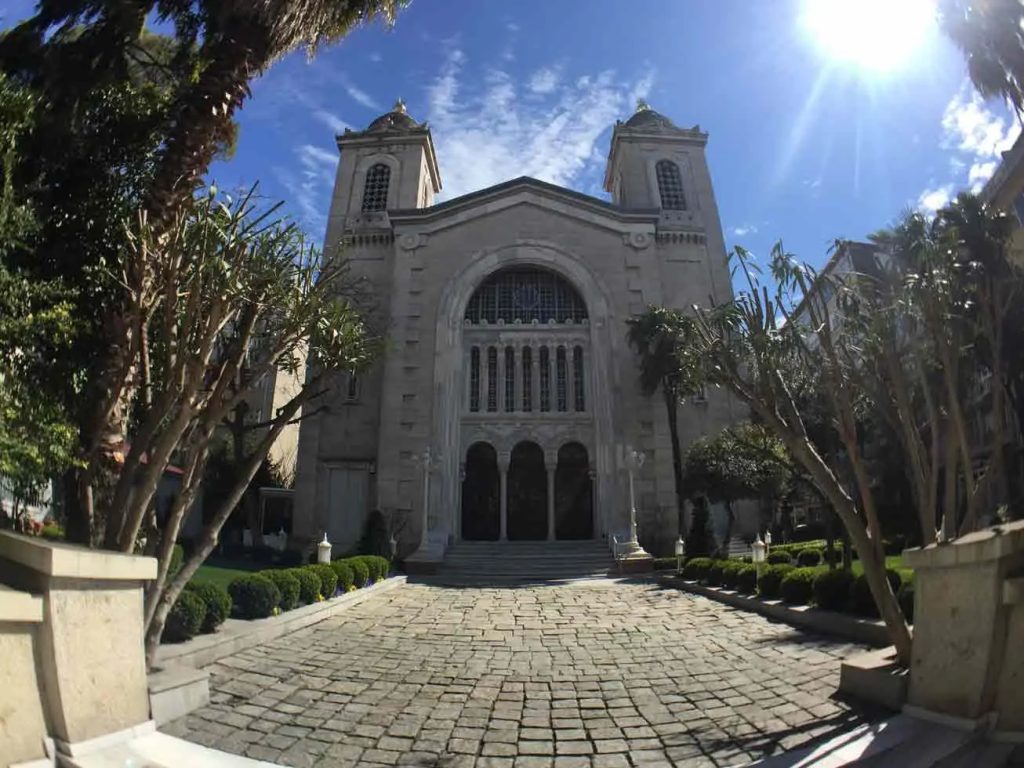
Aya Triada Greek Ortodox Church
Inside Aya Triada Rum Ortodoks Kilisesi in Kadıköy, the atmosphere is quietly majestic and richly adorned. The interior space opens under a graceful central dome and is framed by elegant columns, with ornate religious icons, marble work, and intricate frescoes drawing the eye toward the altar. Light filtering through the stained glass and the detailed iconostasis — the decorated screen separating the sanctuary — gives the nave a luminous, reverent quality that reflects both the artistic tradition and the deep spiritual heritage of the Orthodox community.
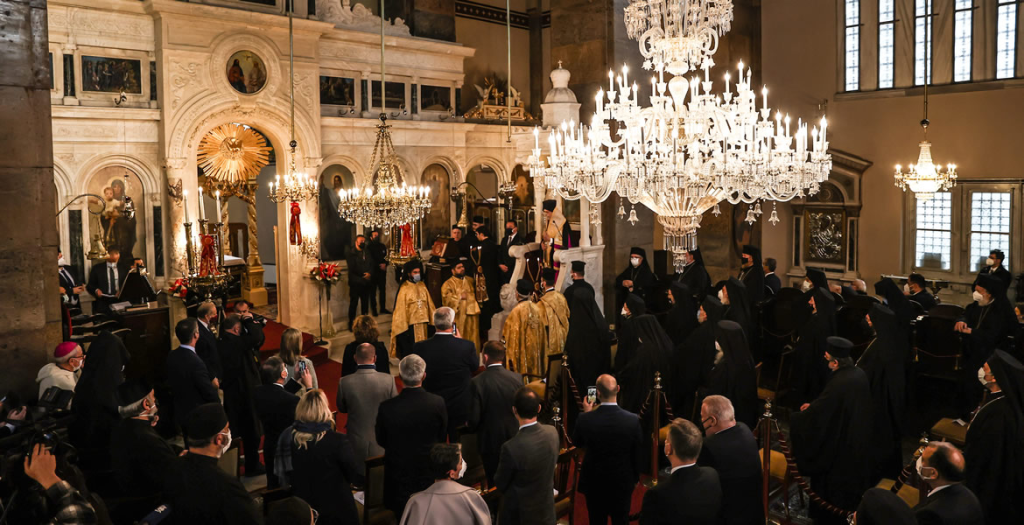
In 1992–1993, Bahariye Caddesi underwent a major transformation when vehicular traffic was permanently removed and the street was pedestrianized, a change that significantly shaped its modern identity as a lively urban promenade. The street’s pedestrian form has made it a dynamic urban space in the heart of Kadıköy, where people walk, socialize, shop, and gather. A nostalgic tram running along the avenue adds to its distinctive character and connects Bahariye with the Moda neighborhood.
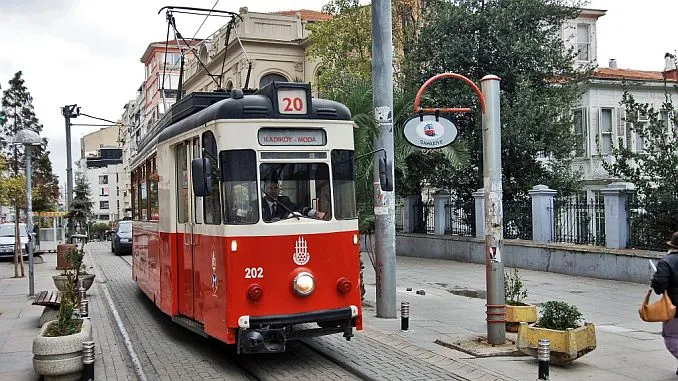
Today, Bahariye Caddesi remains one of Kadıköy’s most popular public spaces: a pedestrian promenade filled with restaurants, cafés, bookstores and shops; a place for residents of all ages to walk, meet and socialize; and a site that integrates history, culture, and everyday urban life. Although much transformed from its garden origins, the street still carries the spirit of leisure, community and movement that inspired its name.
Bahariye is one of the few spots in the city where I can still feel the spirit of old Istanbul! Make sure to visit it to have a glimpse of the old spirit of Istanbul living among the locals.