
In the heart of Galata, among the narrow streets and historic buildings of Istanbul, stands a mosque with an unusual name: Arap Camii, or the Arab Mosque. Its story offers a glimpse into a little-known chapter of Mediterranean history, connecting Ottoman Istanbul with the Muslim communities of medieval Spain.
It is a story of exile, refuge, and cultural encounters. It is also a reminder that the history of a city is shaped not only by its rulers and monuments, but by the lives of people who arrive from distant places and make it their home.
The End of Muslim Andalusia
For centuries, much of the Iberian Peninsula was home to a flourishing Muslim civilisation known as Al-Andalus. Its cities were centres of architecture, philosophy, medicine, science, and poetry. Muslims, Christians, and Jews lived under changing political circumstances, sometimes sharing intellectual and cultural traditions despite periods of conflict and discrimination.
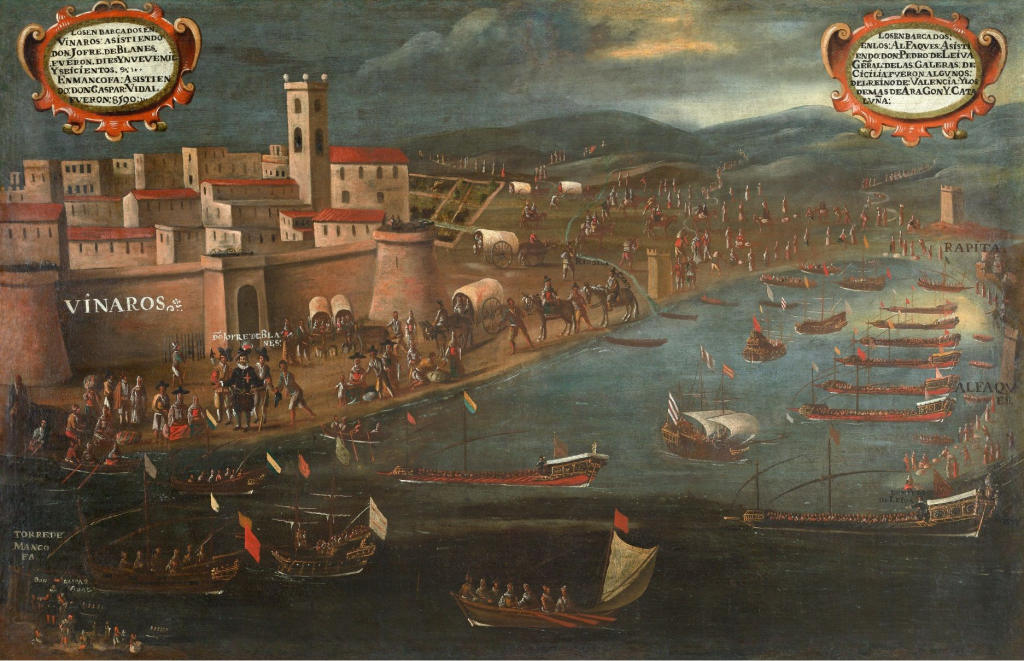
Expulsion of Moriscos from Vinaros, Spain
In 1492, the Christian conquest of Granada brought an end to the last Muslim-ruled state in the peninsula. The Muslim population was initially promised certain religious freedoms, but these guarantees gradually gave way to increasing restrictions, forced conversions, and persecution.
Muslims who converted to Christianity, often under pressure, became known as Moriscos. Although officially Christian, some continued to preserve elements of their Islamic traditions, sometimes in secret. In 1609, the Spanish monarchy began a mass expulsion of the Moriscos, a process that continued until 1614.
For many of these displaced people, the Mediterranean became a route towards a new life. Some went to North Africa; others sought refuge in territories governed by the Ottoman Empire, which offered a different political and religious environment.
Yet migration from Spain to Ottoman lands had begun well before the great expulsion of the seventeenth century. Following the fall of Granada in 1492, Muslims from the Iberian Peninsula also sought refuge in Ottoman territories. During the reign of Sultan Bayezid II, the Ottoman authorities received some of these migrants and settled them in various places, including Galata, in Istanbul.
Why Istanbul?
The Ottoman Empire was one of the major powers of the Mediterranean world. Its capital, Istanbul, attracted merchants, scholars, artisans, religious communities, and refugees from many different regions.
The city’s position between Europe and Asia made it a natural meeting point for people moving across the Mediterranean. The Ottoman world maintained connections with North Africa and the western Mediterranean, and the arrival of Muslims fleeing Spain formed part of these wider networks.
The migrants brought different experiences and skills. Some had lived through religious persecution; others had left their homes in search of security and new opportunities. They had to build new lives in unfamiliar surroundings, relying on family ties, religious networks, and local communities.
We know that Moriscos settled in Istanbul and other Ottoman cities in Anatolia, but the surviving historical evidence remains limited. Their experiences have received less scholarly attention than those of some other migrant communities, and many details of their everyday lives remain unknown.
The Arab Mosque in Galata
One of the places most closely associated with the story of these migrants is Arap Camii, in the Galata district of Istanbul.
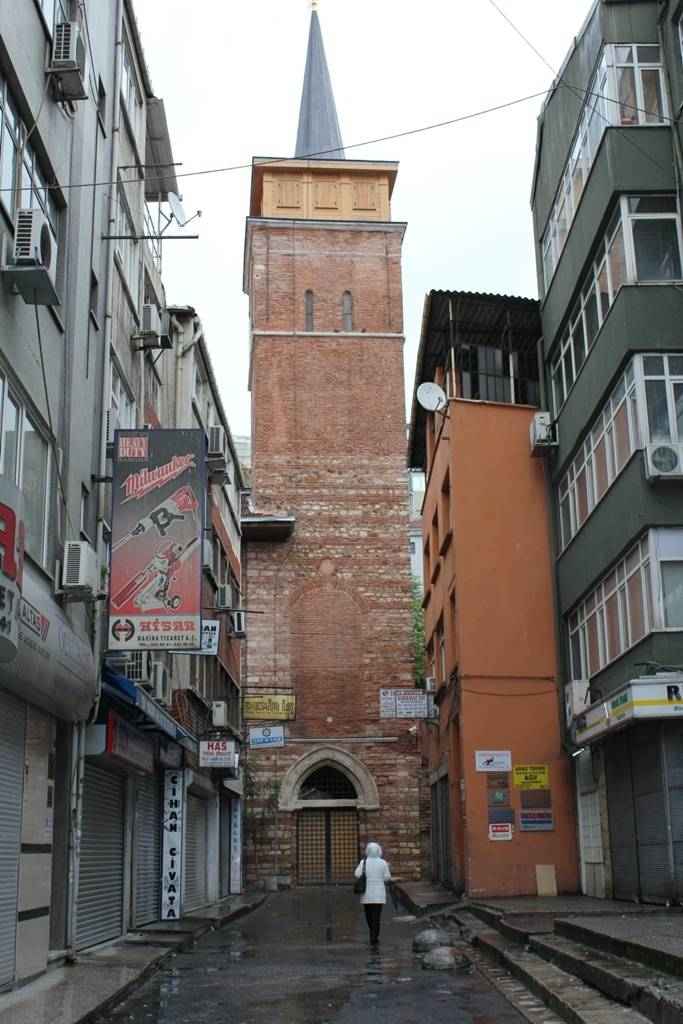
On the road to Arap Mosque
The building itself began as a Latin Christian church. It was associated with the Dominican order and was converted into a mosque under Ottoman rule, probably around 1475, during the reign of Sultan Mehmed II. At that time, it was known as Galata Mosque.
After the fall of Granada in 1492, Muslim migrants from Spain were settled in the surrounding area. According to the historical account recorded by art historian Semavi Eyice in the Encyclopaedia of Islam, this settlement helped give the mosque its name, Arap Camii.
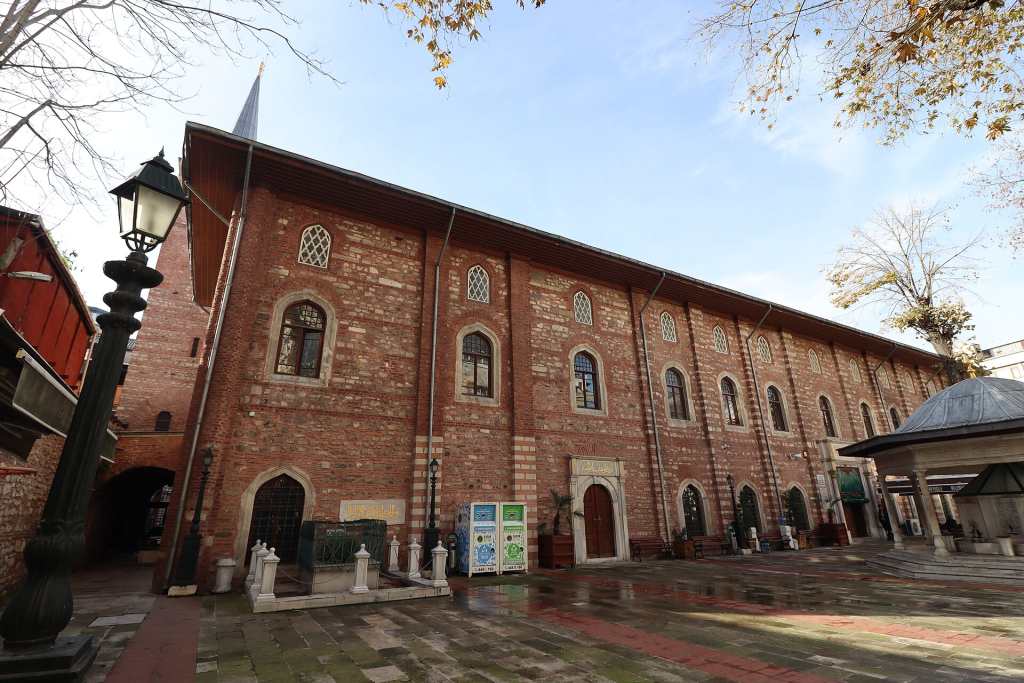
Arap Mosque
The distinction matters: the mosque was not originally built by Andalusian Muslims. It was an existing church that had become a mosque before the fall of Granada. Its association with the migrants emerged later.
There is also a much older legend connecting the building to Arab armies that attempted to capture Constantinople in the eighth century. Historians have questioned this story. The building’s medieval architectural features and documentary history support its identification as a former Latin church.
The mosque’s name therefore reflects a layered history: an earlier Christian building, its transformation under Ottoman rule, and the arrival of Muslim migrants from the western Mediterranean.
What Did the Andalusian Migrants Bring to Istanbul?
It is tempting to imagine that the Moriscos introduced particular architectural styles, musical traditions, or culinary practices that can still be identified in Istanbul today. Cultural exchange was certainly possible in a city as connected as the Ottoman capital. However, specific claims about their influence need to be supported by historical evidence, and the available sources do not allow us to attribute particular Istanbul traditions directly to them with confidence.
Their importance lies partly in the wider connections they embodied. They were part of a movement of people linking the Iberian Peninsula, North Africa, and the Ottoman world. They carried memories of places they had lost, traditions shaped by centuries of Muslim life in Spain, and the knowledge and skills needed to begin again.
Their story also reminds us that Istanbul’s history extends far beyond the territories immediately surrounding it. The city was shaped by people arriving from the Balkans, the Black Sea, the Middle East, North Africa, and western Europe. Some came voluntarily, others through trade or political circumstances, and some because they had been forced to abandon their homes.
The Andalusian migrants belonged to this larger history of movement and adaptation. Even when their distinct identity became less visible, their lives formed part of the human history of Ottoman Istanbul.
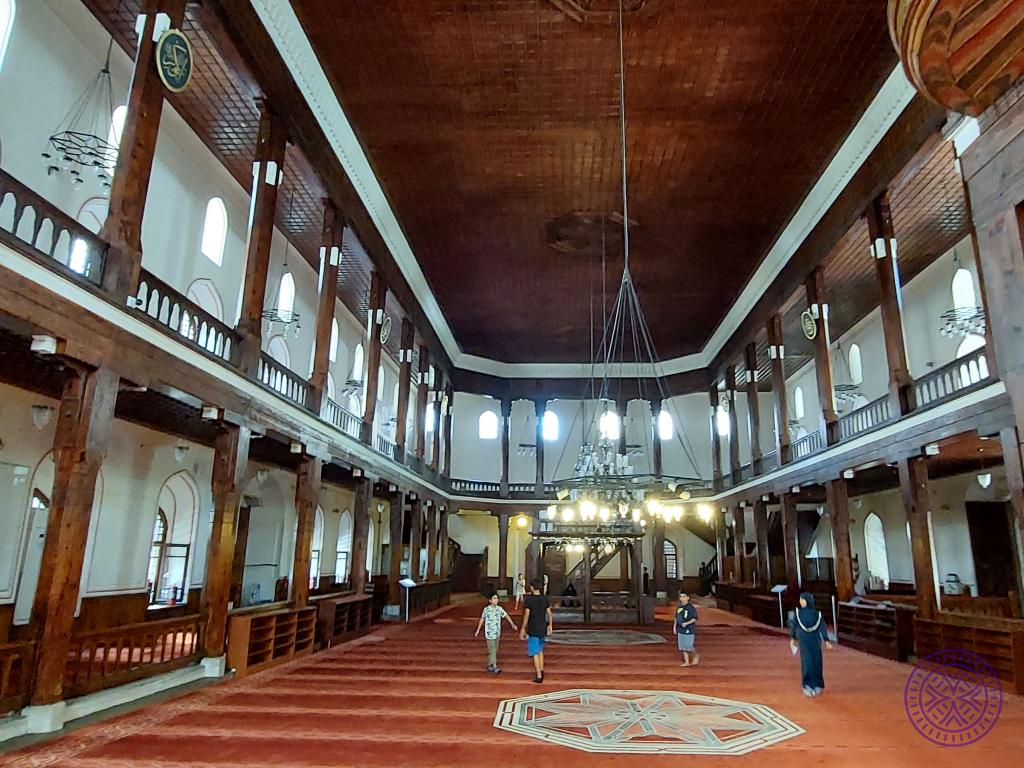
Interior of Arap Mosque
A City of Many Histories
Arap Camii stands as a reminder of how complex Istanbul’s past can be. A building that began as a Christian church became a mosque under Ottoman rule. Its name acquired associations with the Muslim migrants who arrived from Spain, while an older legend connected it to Arab military campaigns against Constantinople.
These different stories should not be confused, and not every detail can be established with certainty. Yet together they invite us to look beyond the familiar boundaries of the city’s history.
The story of the Andalusian Muslims is not simply about refugees arriving in a new city. It is about the movement of people across a shared sea, the survival of communities after displacement, and the gradual transformation of individual memories into the history of a place.
Today, most people walking through Galata may pass Arap Camii without thinking of Spain. Yet the connection between this Istanbul neighbourhood and the people who fled the Iberian Peninsula gives the building an additional historical resonance.
Istanbul has always been a city of arrivals. Some newcomers left monuments behind; others left only names in archives, traces in neighbourhood histories, or family connections that are now difficult to reconstruct. Their lives may be only partially documented, but they remain part of the city’s larger story.
Perhaps that is what makes the history of the Moriscos in Istanbul so compelling. It reminds us that the past is not always visible in the monuments we see. Sometimes it survives in a name, a story, or a question that has yet to be answered.
Note that the video is embedded via YouTube and all rights belong to the respective rights holders.