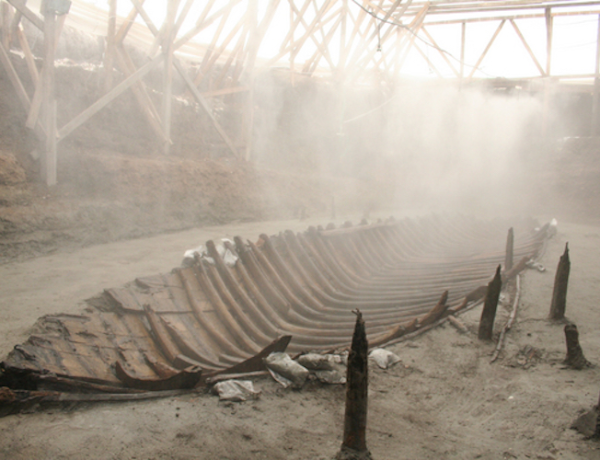

“I would rather see the Turkish turban in the midst of the City than the Latin mitre.”
Lukas Notaras – the last Grand Duke of Constantinople
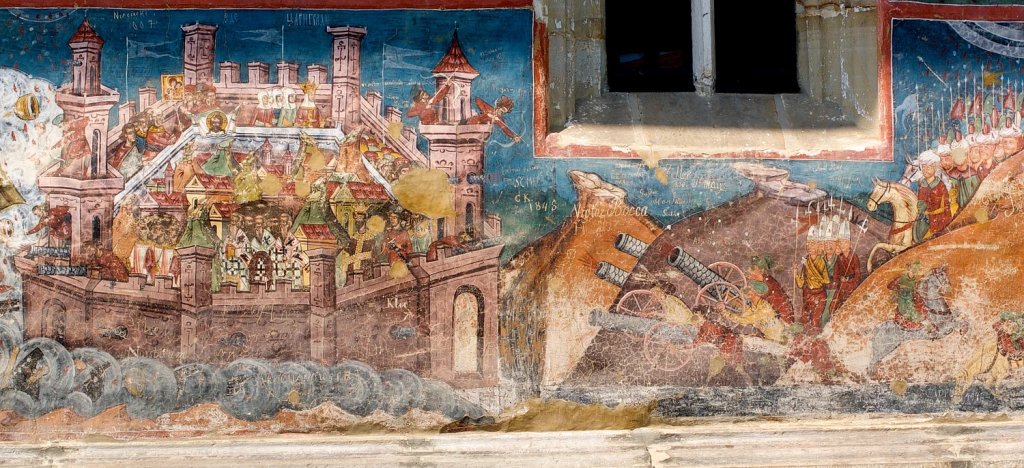
The Siege of Constantinople
When Fatih Sultan Mehmed, conquered Constantinople in 1453, he didn’t simply destroy the Byzantine world—he actively absorbed much of it into his court and administration. The Ottomans under Mehmed were pragmatic empire-builders: they saw value in Byzantine institutions, elites, and culture, and many Byzantines—especially from aristocratic and intellectual circles—became part of his ruling machinery.
Fatih Sultan Mehmed retained and employed many Byzantine officials after the conquest. He recognized their experience in administration, finance, and diplomacy. Notable figures who were philosophers, historians, religious figures or simply aristocrats of the Byzantine Empire were invited to the Ottoman court to help with the transition. ‘Perhaps the most intriguing story belongs to Georgios of Trebizond, who presented a bold philosophical manuscript to the Sultan shortly after the conquest. In “On the Truth of the Christian Faith,” he argued that Christianity and Islam shared essential truths and that a synthesis of beliefs could foster unity within the empire. Rather than sow division, he believed interfaith dialogue could serve as a foundation for long-lasting harmony.‘ (quote from anatolianarcheology.net). Another interesting Byzantine figure was the historian Michael Critobulus who admired Fatih Sultan Mehmet and wrote about him as the legitimate heir to the Roman Empire.
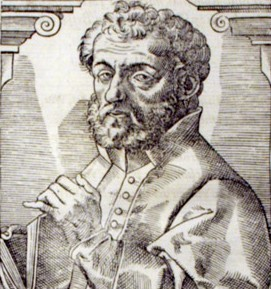
Georgios of Trebizond
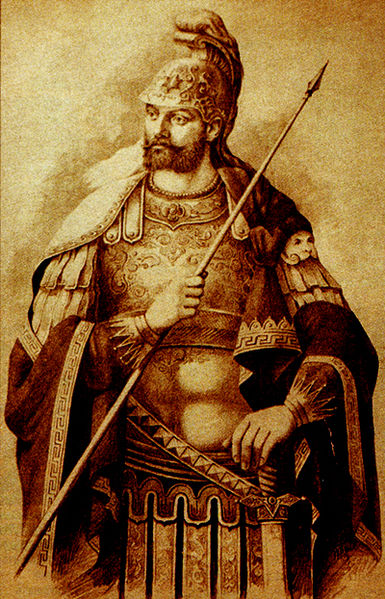
Michael Critobulus
Mehmed II was deeply interested in Greco-Roman and Byzantine culture. He had Byzantine scholars and scribes translate classical works into Ottoman Turkish and Arabic. He styled himself as “Kayser-i Rûm” (Caesar of Rome), claiming continuity from the Byzantine (Roman) Empire. This was not just symbolism—he integrated Byzantine court ceremony into his own. The Ottomans borrowed the choreography of power from Byzantium. The invisibility of the ruler, strict rituals of audience, hierarchical ranks, ceremonial palaces, and imperial universalism were taken from the Byzantines but clothed it in Islamic and Turkic idioms.
The Byzantine intellectuals at his court were also a part of a wider cultural project to make Constantinople the cosmopolitan capital of a universal empire.
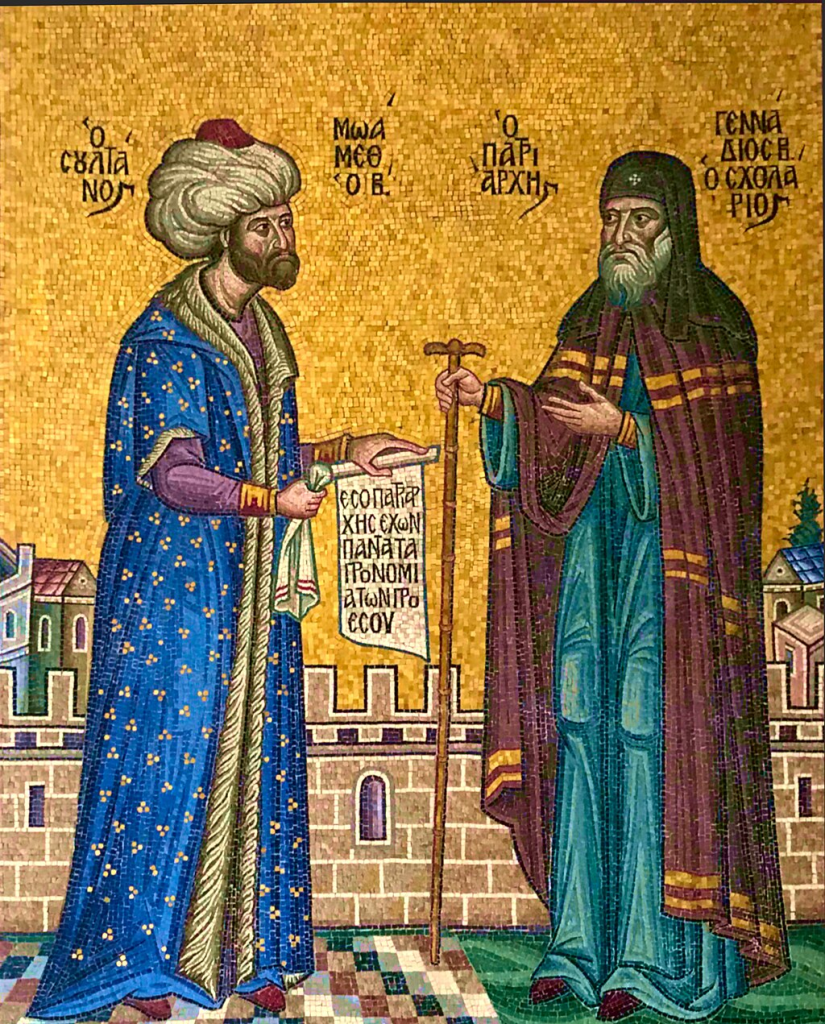
Fatih Sultan Mehmet with Gennadios Scholarios
Mehmed reestablished the Greek Orthodox Patriarchate under Gennadios Scholarios soon after the conquest, showing his willingness to govern Byzantine Christians through their own institutions. This move helped pacify the Orthodox population and legitimize Ottoman rule as the successor to Byzantium in the eyes of many.
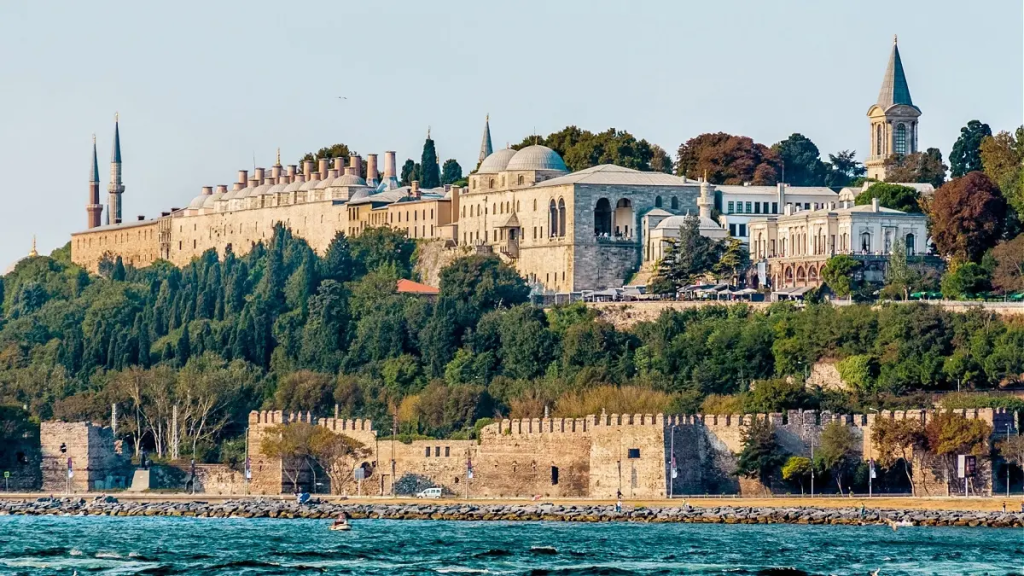
Topkapı Palace
Byzantine architects, artisans, and engineers were employed in the building of Istanbul. For example, Fatih Sultan Mehmed used Byzantine and Italian architects in the construction of the Topkapı Palace and other projects. Byzantine artistic traditions influenced Ottoman court art, especially mosaics, manuscript illumination, and certain ceremonial practices.
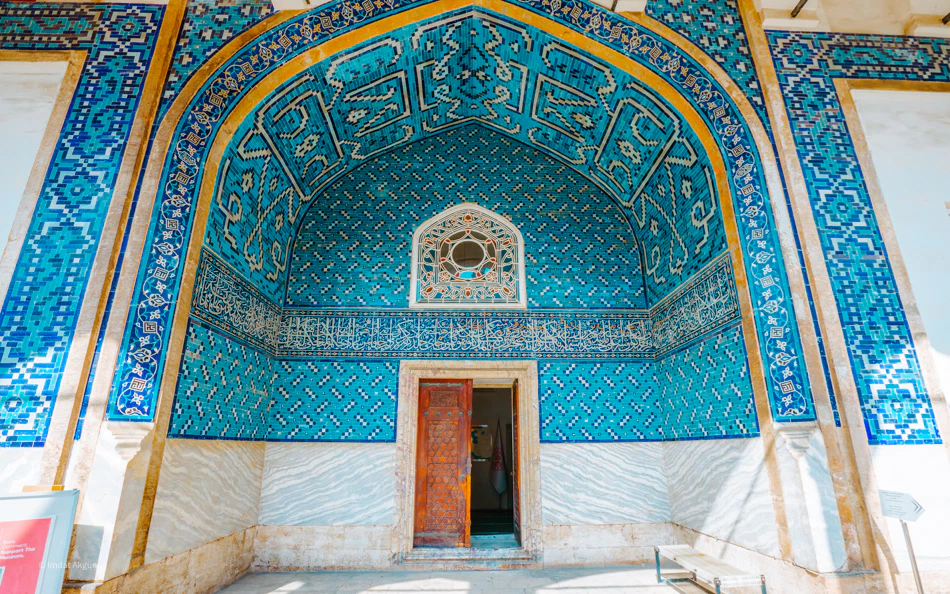
Art historians say that the tiles of Çinili Köşk built by Fatih Sultan Mehmet drew its inspiration from Byzantine mosaics
Mehmed consciously fused Ottoman sultanic authority with Byzantine imperial traditions. He often saw himself not just as a Muslim ruler, but as the legitimate emperor of a universal empire—heir to both the Byzantine Basileus and the Islamic Caliphate. Byzantine scholars at court helped reinforce this image, framing Mehmed as the true successor to Constantine and Augustus.
I cannot stop thinking that Fatih Sultan Mehmed was a true genius for his willingness to embrace the cultural, political, and institutional heritage of the empire he was so keen on conquering! Similar to how Egyptian culture influenced Roman culture after Caesar’s conquest of Egypt, Byzantine culture transformed Ottoman culture!