
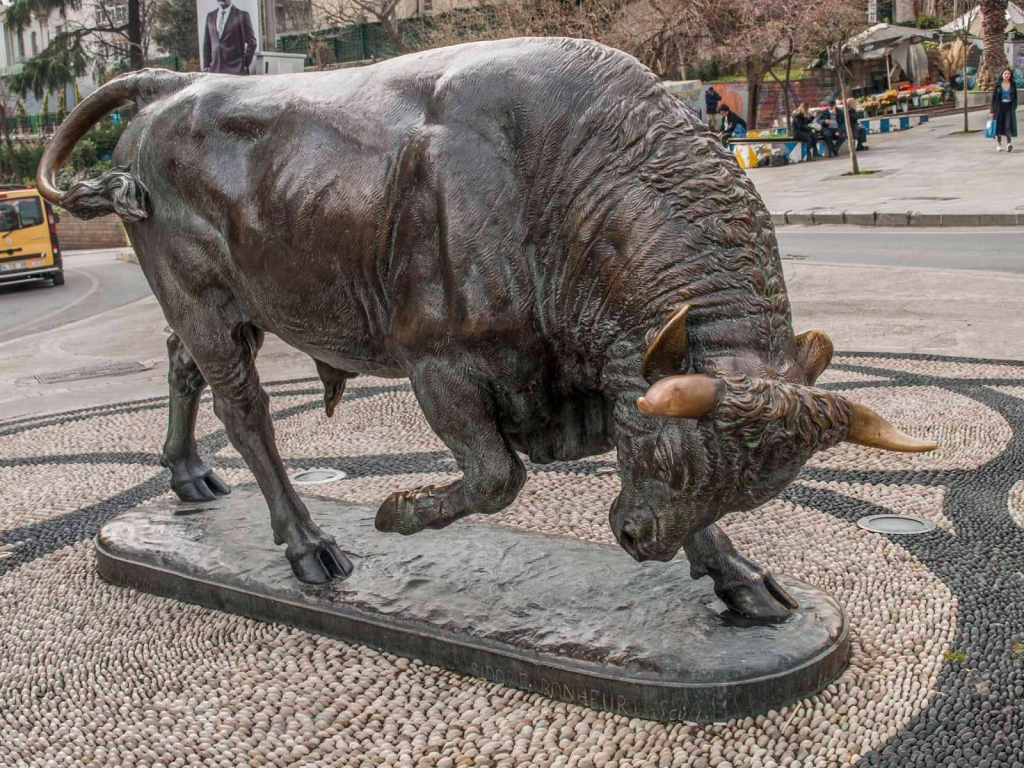
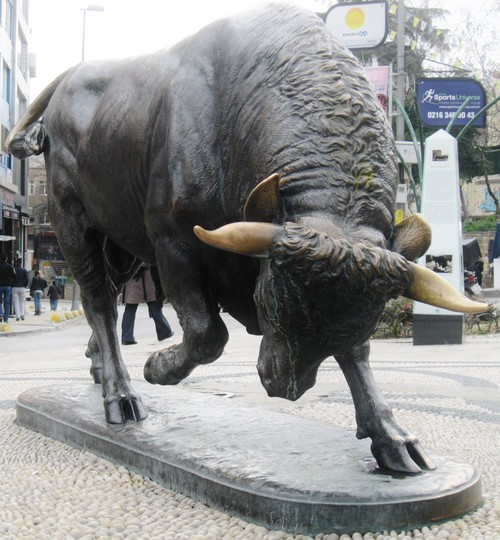
Today, the Bull Statue of Kadıköy stands as one of Istanbul’s most recognizable urban symbols: solid, watchful, and quietly defiant amid the constant flow of city life. Yet this iconic figure did not originate here. Its story stretches across centuries and continents, linking ancient Chalcedon, imperial Istanbul, and modern Kadıköy in a rich cultural tapestry.
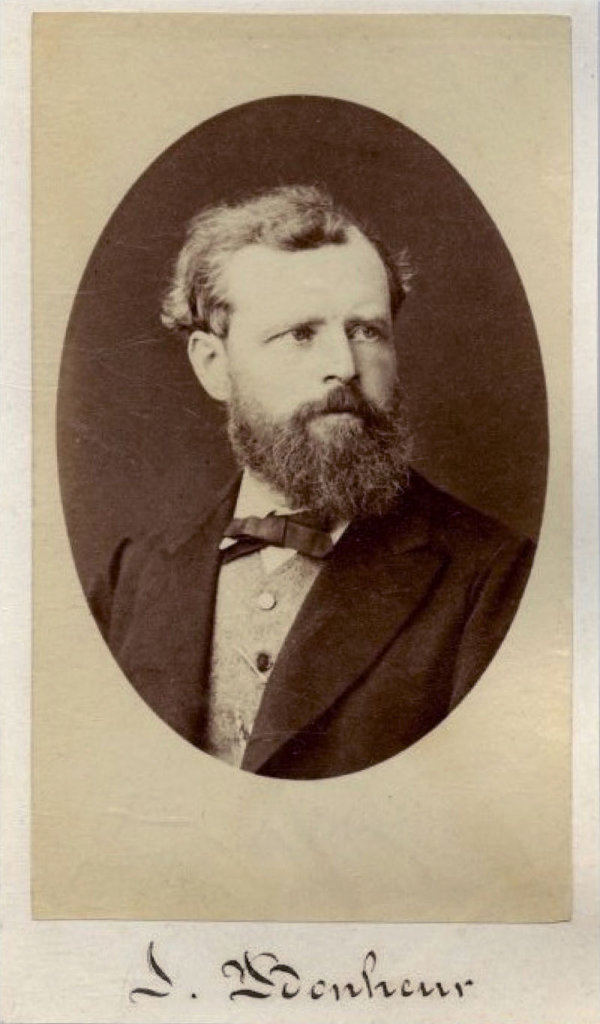
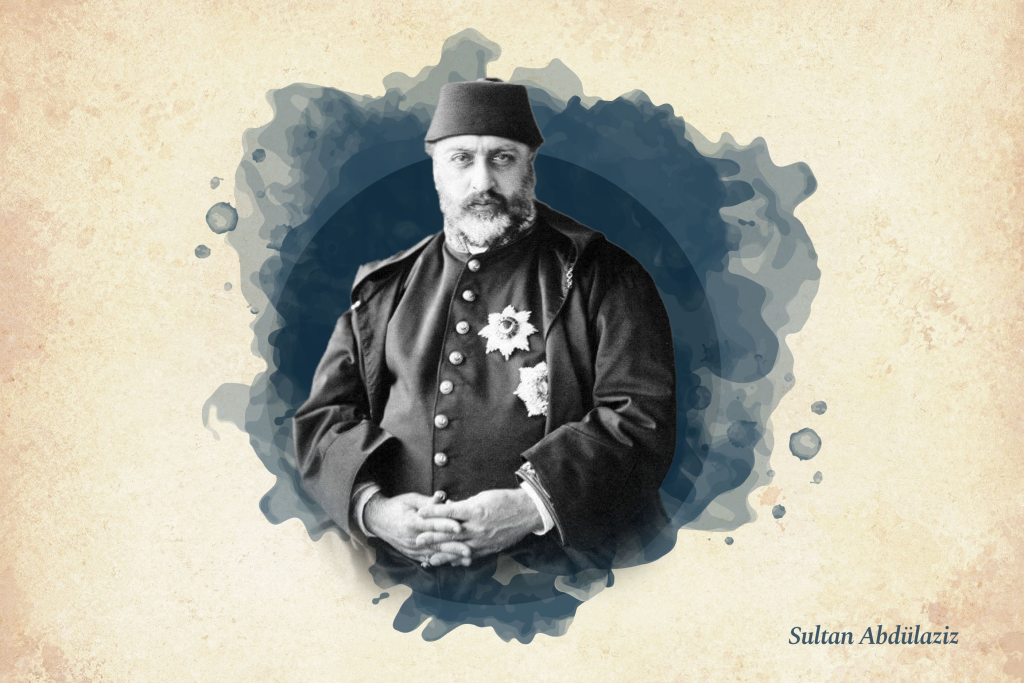
The modern statue’s journey begins in France in 1864, when renowned animalier sculptor Isidore Bonheur created a life-sized bronze bull. Sultan Abdülaziz, inspired by European art during his travels and visits to Paris World’s Fairs, reportedly commissioned a group of animal sculptures, including this bull, for the palace gardens at Beylerbeyi and Çırağan. These works exemplified the realism and monumentality of 19th-century European sculpture, intended as symbols of strength, dignity, and controlled power.
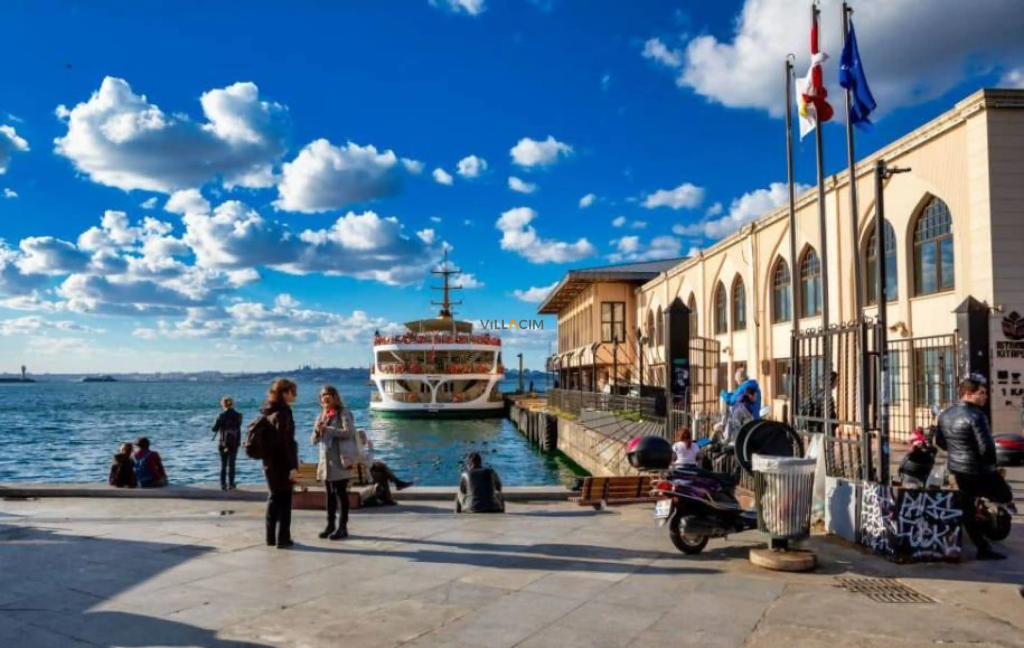
Eventually, the bull found its permanent home in Kadıköy, at the busy intersection of Altıyol. This placement transformed everything. No longer distant or ceremonial, the bull became intimate, everyday, and deeply human. It was no longer looked at from afar; it was lived with.
Kadıköy, historically a space of plurality, resistance, and cultural vitality, absorbed the bull into its identity. The neighborhood has long stood apart from the more formal, imperial centers of Istanbul. It is a district of voices, gatherings, protests, lovers, musicians, students, and night-long conversations. In this environment, the bull ceased to be an imported object and became a local anchor.
Over time, the bull evolved into a meeting point, a reference marker, and a silent witness. People say, “Let’s meet at the Bull,” as if it were a living being, reliable, patient, and unchanging. It has observed generations pass by: political demonstrations, celebrations, heartbreaks, farewells, and reunions. In moments of social tension, it stands firm; in moments of joy, it is surrounded by laughter.
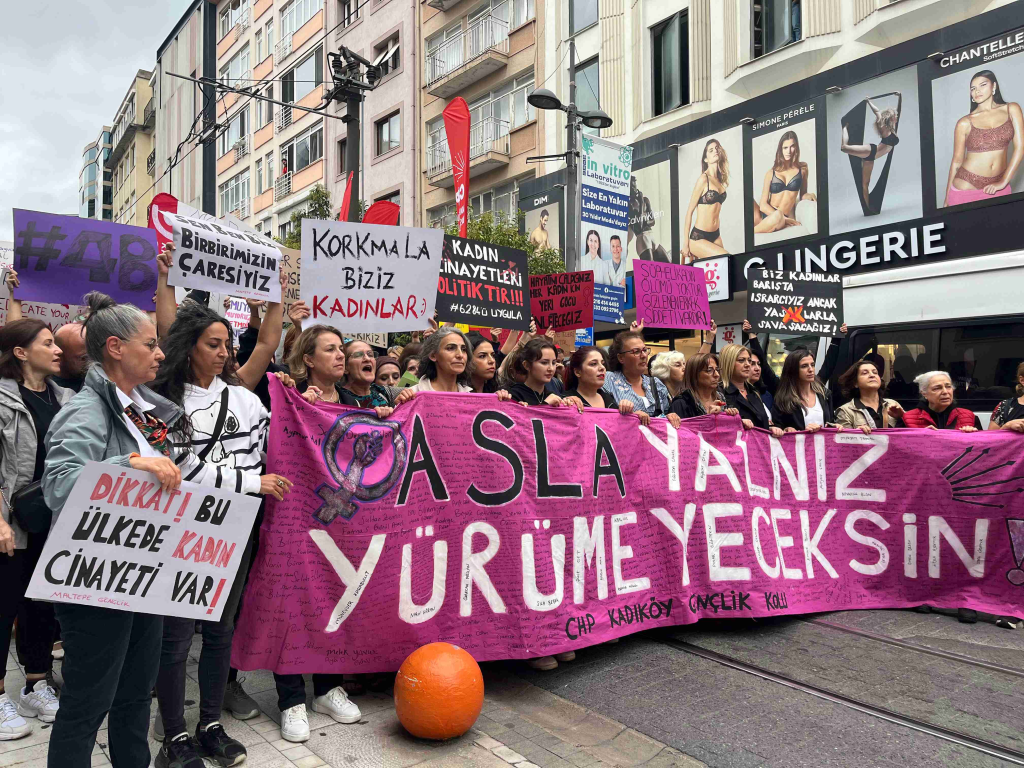
Defiant spirit of Kadıköy reveals itself in massive protests
Symbolically, the bull aligns seamlessly with Kadıköy’s spirit. It represents resilience without aggression, strength without domination. It is proud but grounded, powerful yet accessible. Just as Kadıköy has remained a space of cultural resistance and self-expression, the bull stands its ground, unyielding amid chaos.
What began as a French sculpture, filtered through imperial ambition, ultimately became something far more profound: a shared urban symbol shaped by collective memory. The bull no longer belongs to France, nor to an empire. It belongs to Kadıköy and to those who have paused beside it, waited under it, leaned against it, or simply passed by, knowing exactly where they are because the bull is there.
Long before the bronze statue arrived from France, the bull was already a symbolic presence in the area known in antiquity as Chalcedon. Archaeological and numismatic evidence shows that bulls were frequently depicted on coins and reliefs from the Hellenistic and Roman periods in the city, representing strength, fertility, and protection qualities valued by the settlers of the Asian shore of the Bosphorus. Chalcedon, a prominent trading hub and defensive outpost opposite Byzantium, embraced the bull as a civic emblem, linking it to both economic vitality and communal resilience.
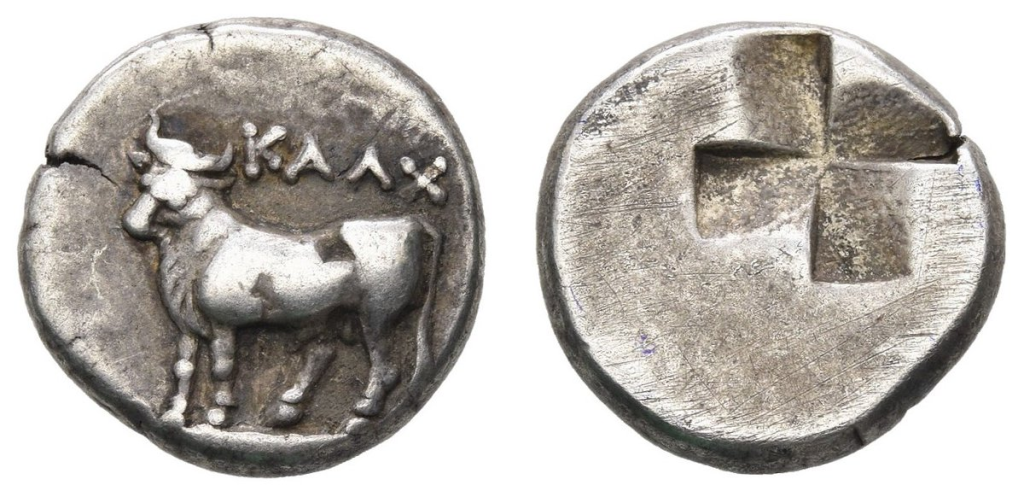
A Chalcedon coin with the bull figure on it
This ancient association echoes in Kadıköy today: the modern Bull Statue not only draws its power from European artistic tradition but also revives a symbol that had been part of the city’s identity for millennia, bridging the gap between Chalcedon’s classical past and the vibrant urban life of modern Kadıköy.