
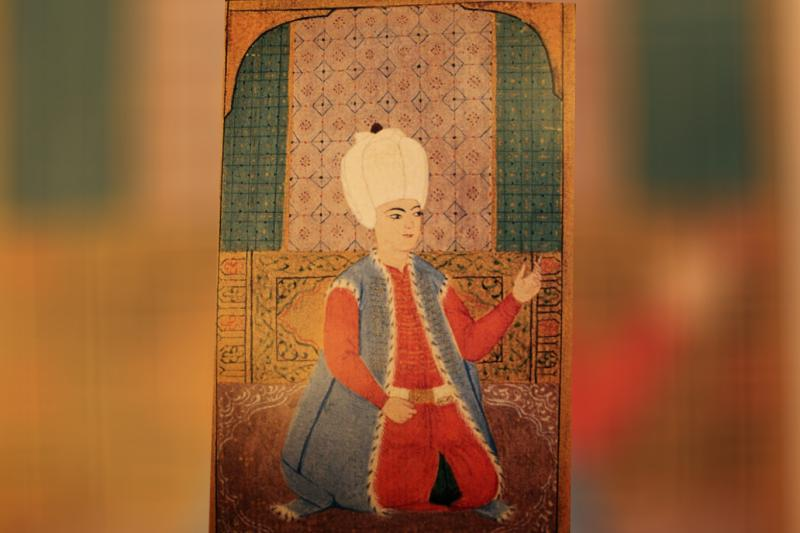
Şehzade Cihangir (1531–1553) was the youngest son of Sultan Süleyman the Magnificent and Hürrem Sultan. His name, derived from Persian, means “conqueror of the world,” yet his life was marked by fragility and introspection. Born with a significant spinal deformity and a frail body, Cihangir was never suited for the harsh physical demands of leadership or provincial rule and thus remained close to his father in the palace rather than being sent to govern a province.
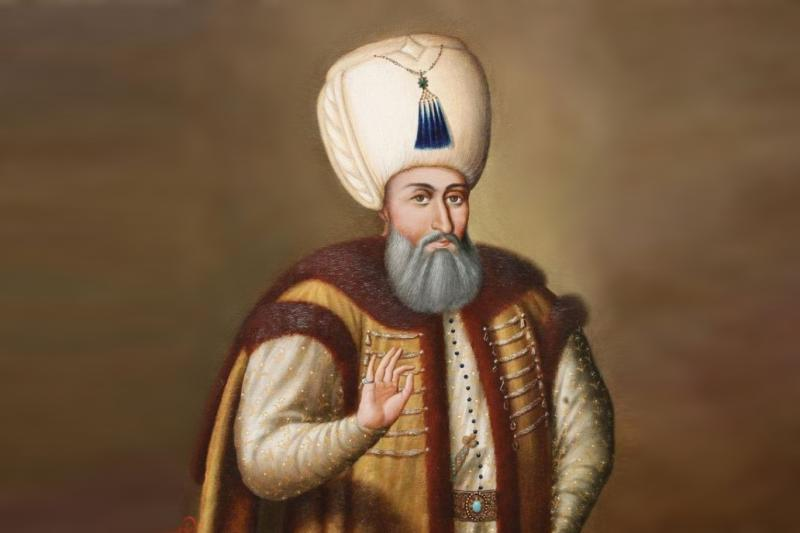
Sultan Süleyman the Magnificent
Despite his delicate health, Cihangir was known for his intelligence and emotional sensitivity, and he developed a deep attachment to his older brother Şehzade Mustafa. Mustafa and Cihangir shared mutual respect and closeness, even though political rivalries surrounded them.

Assasination of Şehzade Mustafa
The turning point in Cihangir’s life came with the execution of Şehzade Mustafa in 1553, ordered by their father amid palace intrigue and allegations of rebellion. The event was traumatic for Cihangir; historical accounts suggest that he was profoundly shaken by his brother’s death. Soon afterward, he fell ill and died in Aleppo later that year at just 22 years old. His fragile health was likely the primary cause, though grief may have hastened his decline.
Sultan Süleyman was deeply affected by the loss of his beloved son. He had Cihangir’s body returned to Istanbul, where a magnificent funeral was held. The sultan chose to bury him beside his elder brother Şehzade Mehmed in the Şehzade Mosque complex, a testament to his love and sorrow.
To honor his son’s memory, Sultan Süleyman commissioned the Cihangir Mosque, designed by the empire’s greatest architect, Mimar Sinan. Perched on a hill overlooking the Bosphorus, the mosque was originally built in the 1550s and became both a place of worship and a memorial to Cihangir’s life. Over time, this site gave its name to the surrounding settlement.
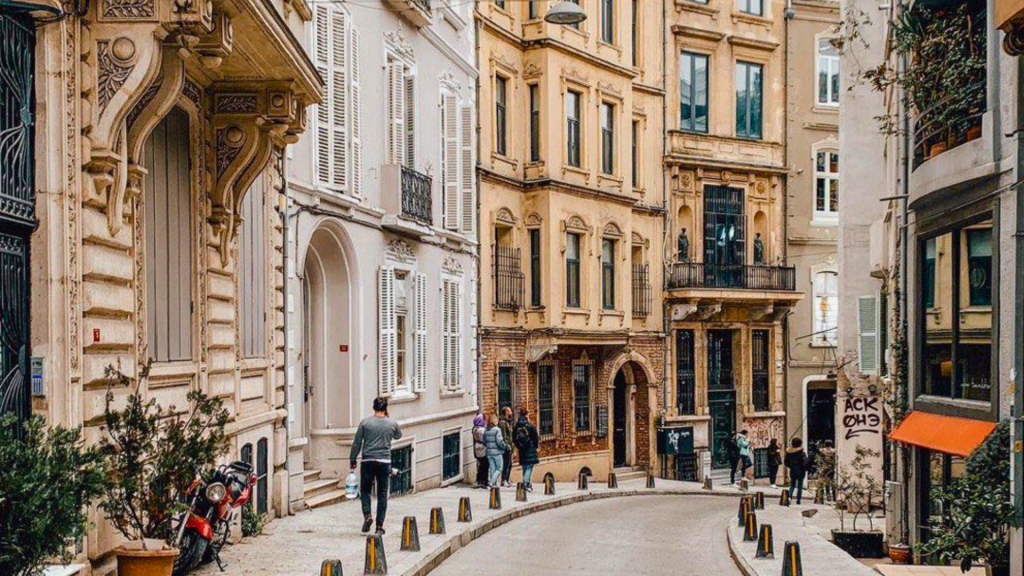
A glimpse at Cihangir
Today, Cihangir is one of Istanbul’s most beloved districts, known for its bohemian spirit, artistic vitality, cafés, and view of the Bosphorus. The area blends historic memory with contemporary culture, preserving the prince’s name in the everyday life of the city. The garden terraces near the mosque remain favorite spots for locals and visitors to enjoy the amazing view of the Bosphorus, a legacy that endures far beyond the tragic life of the prince whose name it bears.
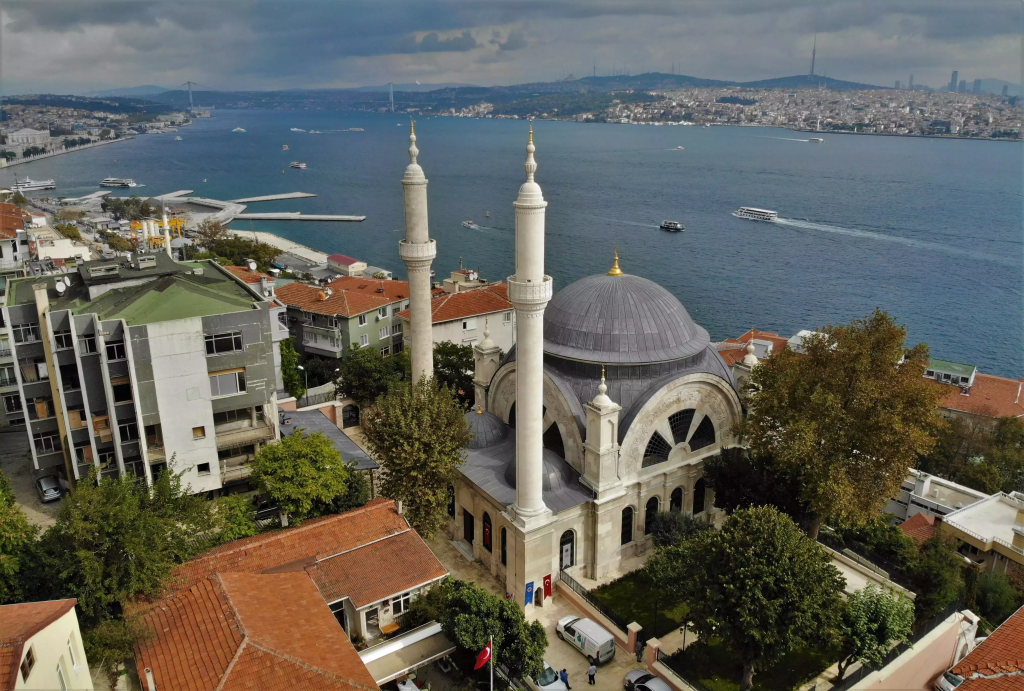
Amazing view of the Cihangir Mosque
Visuals are taken from Independent Türkçe.