

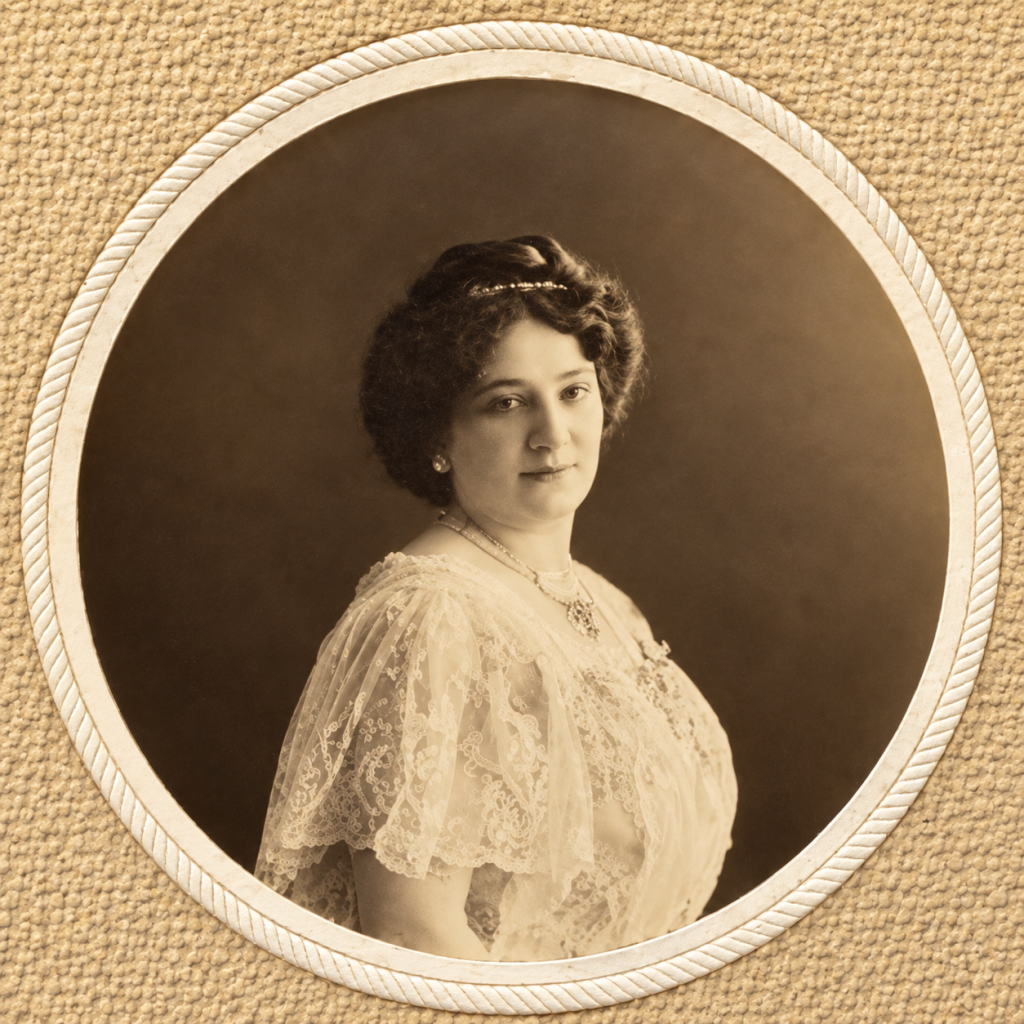
İhsan Râif Hanım (1877-1926)
Ottoman society was deeply patriarchal, and educational opportunities for women were limited. It was uncommon for girls to receive a formal education or become highly literate. Daughters of elite families, however, sometimes had access to private tutors and education at home. It was in this privileged yet restrictive world that İhsan Raif Hanım flourished as a poet.
The daughter of an Ottoman minister, İhsan Raif grew up in her father’s mansion in Şişli. Her social position gave her opportunities unavailable to most women of her time: she learned French and received private lessons in music, literature and poetry. She began writing poetry in her early teens.
Yet even her privileged upbringing could not protect her from the constraints imposed on Ottoman women of her era. At the age of thirteen, she was forced into marriage. One of her best-known poems dates from this painful period of her life and expresses the profound grief she experienced as a young girl confronted with a marriage she did not want.
Many of İhsan Raif Hanım’s poems have survived and continue to be remembered today. A gifted musician as well as a poet, she composed music for some of her own poems, while others were later set to music by different composers. Her work thus occupies a distinctive place at the intersection of late Ottoman poetry and music.
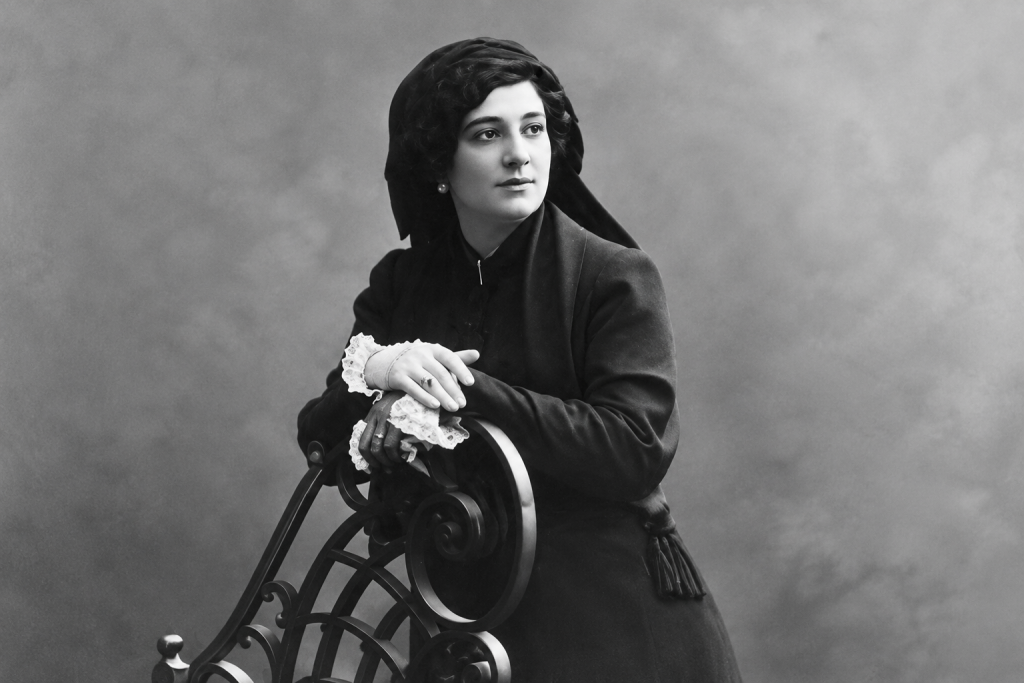
She is also remembered as one of the earliest Turkish women poets to use syllabic metre in her poetry.
During the Turkish War of Independence, İhsan Raif Hanım was actively involved in the national struggle and addressed large crowds at public meetings in Istanbul. She died in 1926, only three years after the establishment of the Republic of Turkey—a transformation she had lived long enough to witness with pride.
This is İhsan Raif Hanım’s mansion in Nişantaşı. If you have ever wandered through the neighbourhood, you have probably passed by it time and again without realising whose home it once was.

Have a look at the details of this elegant 19th century Ottoman Mansion which has been beautifully restored.


We owe this beautiful Turkish song to the poet İhsan Raif Hanım. Its deeply moving lyrics are taken from a poem she wrote in 1900, at the age of just thirteen, expressing her grief after being forced into marriage. The poem was later set to music by Kemani Serkis Efendi (1885–1944).
Let us lend an ear to the voice—and the grief—of an Ottoman woman poet who deserves to be remembered.
Note that the video is embedded via YouTube and all rights belong to the respective rights holders.