
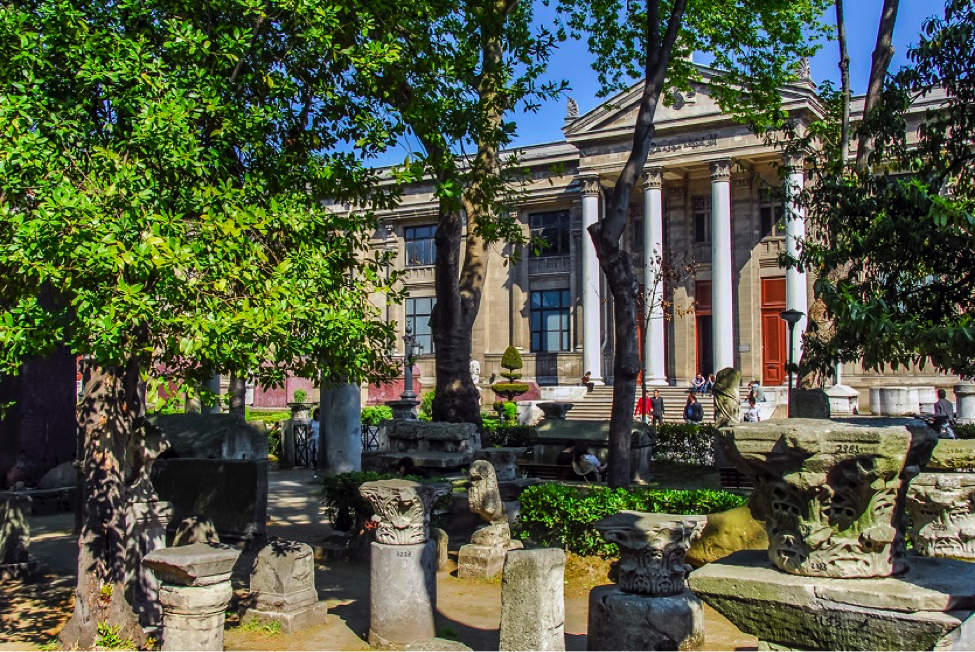
Istanbul Archeological Museum’s Garden
The establishment of museums is relatively new in Turkish history compared to the tradition of establishing museums in the west. The first museum was established by Osman Hamdi Bey who was one of the earliest Ottoman painters and archeologists at the end of the 19th century. He established the Istanbul Archeological Museum in 1891.
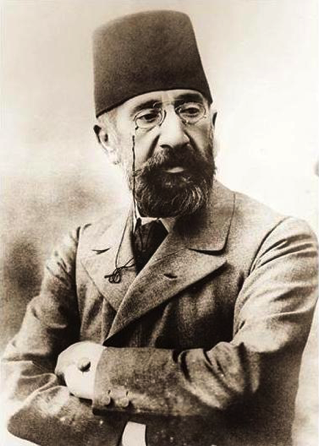
Osman Hamdi Bey
A museum that has been under construction for years now, it is still a place worth visiting. It has a lovely garden in which you can rest among the ruins of ancient columns and monuments, sip your tea and meditate overlooking the Gülhane Park which was once the gardens of the Topkapı Palace.
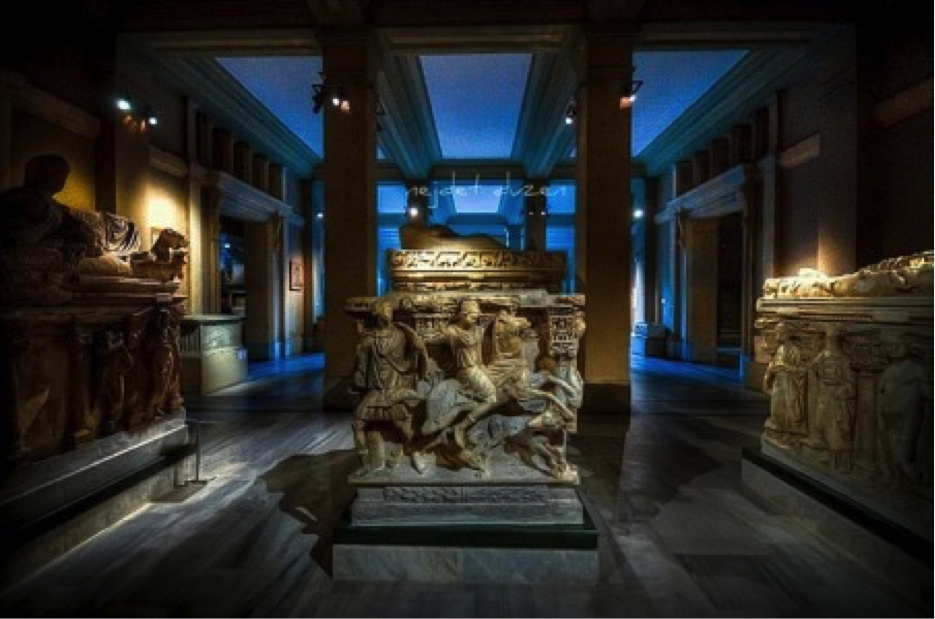
Inside the museum, Iskender Lahti (Tomb of Alexandre) is a must see. This magnificent white marble tomb was originally painted with vibrant colors and it did not belong to Alexandre the Great but the Kind of Sydon. You will also see a collection of sculptures of various ancient civilizations that Anatolia has hosted for thousands of years. It is worth spending one afternoon in a parade of sculptures from Athena to Artemis from Hermes to Dionysius.
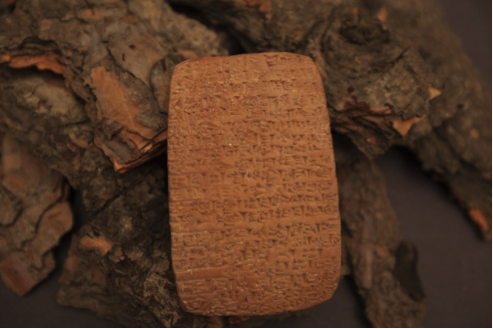
The oldest love poem in the world translated in 1951 by the famous Sumerologist Samuel Noah Kramer who came across it by coincidence among thousands of tablets in the archives of the Istanbul Archeological Museum
Before you leave, don’t forget to see the oldest love poem in the world which was written by a Sumerian priestess to the king Shu-Shin around 2037-2029 BC. It is believed to be sung as a part of annual rite of “sacred marriage” between the god of shepherds Dumuzzi and goddess of Inanna. First lines say:
“Bridegroom, dear to my heart,
Goodly is your beauty, honey sweet,
Lion, dear to my heart,
Goodly is your beauty, honey sweet.”
When you are in Sultanahmet, consider visiting the Islamic Arts Museum located inside one of the rare examples of Ottoman civil architecture. The building once belonged to the son in law of Suleiman the Magnificent. The museum is one of the hidden gems of Istanbul, a place I have avoided to visit for very long. In sharp contrast to western art, Islamic art does not embody human forms in painting or sculpture. It is more abstract finding its expression in embroidery, carpets, ornamentation and calligraphy. It is a world of its own. what is most amazing is that these two museums in sharp contrast to one another in terms of what they embody are the two different sides of the same coin of Istanbul. And they are only ten minutes’ walk from each other.
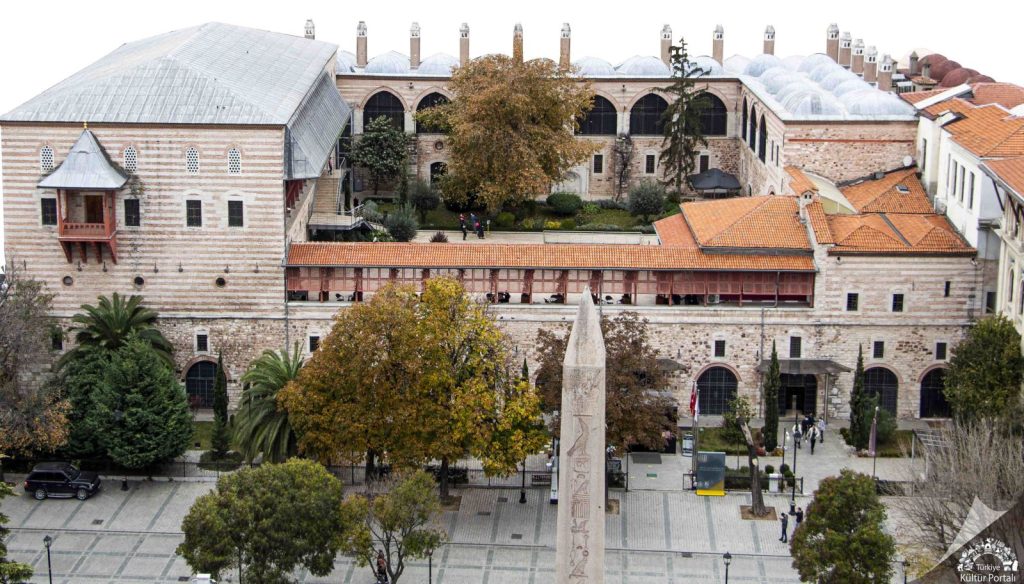
Museum of Turkish and Islamic Art
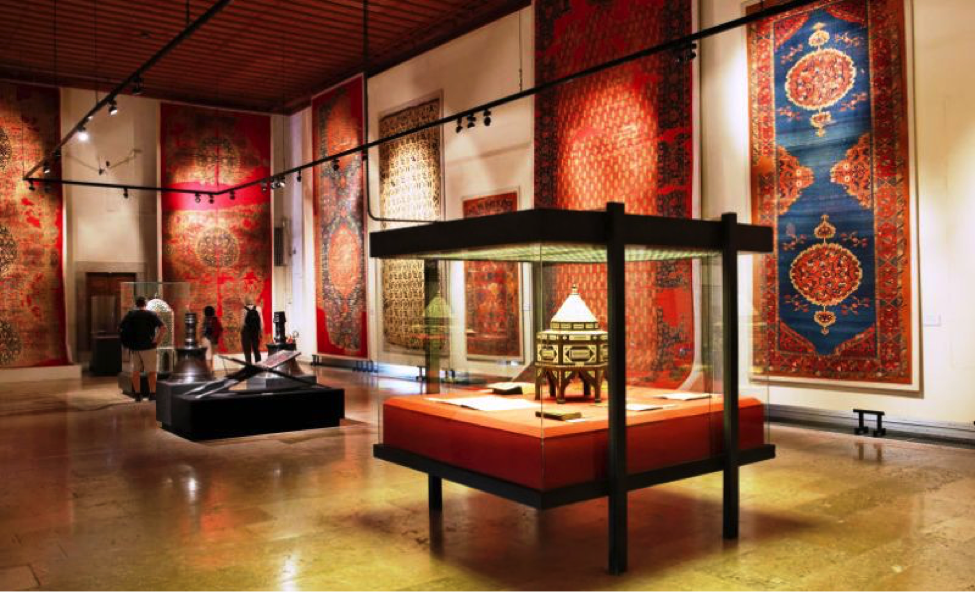
Museum of Turkish and Islamic Arts Interior