
Nomina tantum manent’ (‘only names remain’)
Latin proverb
There are streets that accompany us throughout our lives. We walk through them thousands of times, learn their rhythms, recognize their landmarks, and yet never fully know the stories hidden behind their names.
For me, Taşmektep Street was one of those streets.
It was the street where I grew up, and from an early age I was curious about its unusual name. Unlike the many streets named after statesmen or military figures, Taşmektep which literally means ‘the stone school’ seemed to point to something concrete, something that had once existed.
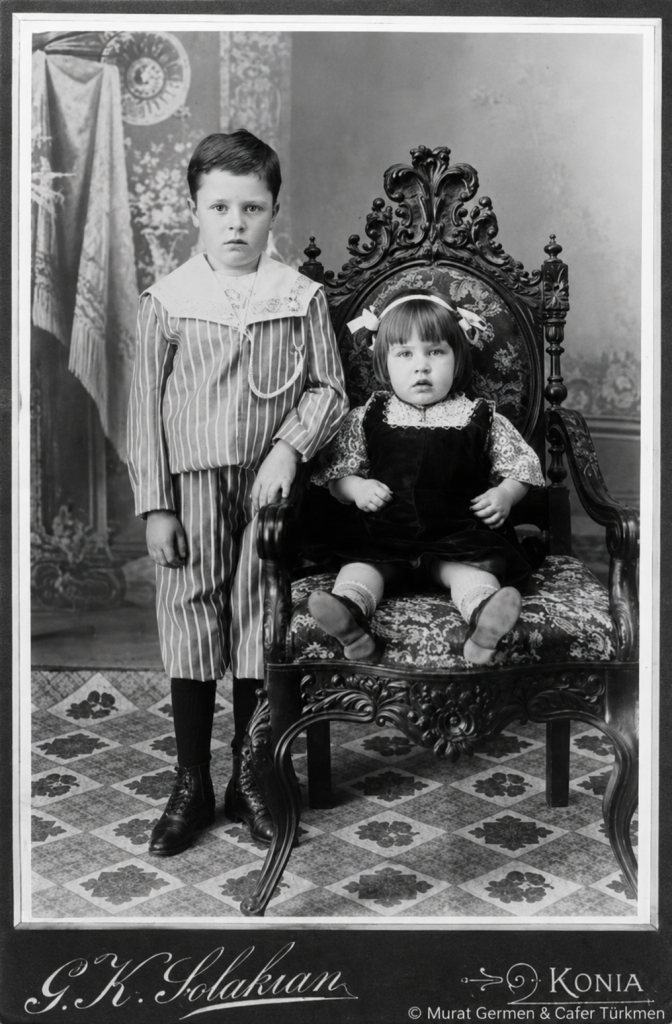
Nazım Hikmet (1902-1963) with his sister
Only many years later did I discover that Taşmektep was not a symbolic name at all. It was the memory of a real school. And not just any school. It was one of the oldest schools in Göztepe and the primary school attended by one of Turkey’s greatest poets, Nâzım Hikmet.
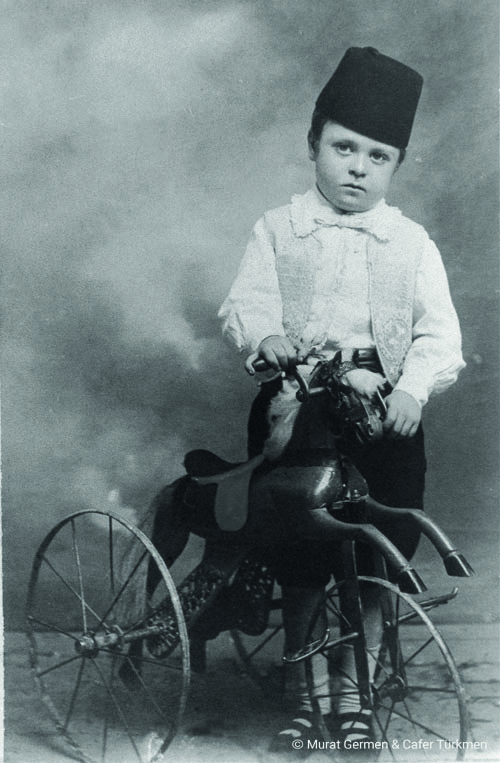
Nazım Hikmet as a young boy, 1907
According to local historical sources, the school stood at the corner of Tanzimat Street and Taşmektep Street. Known as Göztepe Taş Mektebi, it provided co-educational instruction at a time when such schools were still relatively uncommon. The institution belonged to the foundation established by Kassem Şükrü Bey, the same benefactor responsible for the construction of the famous Çifte Konaklar.
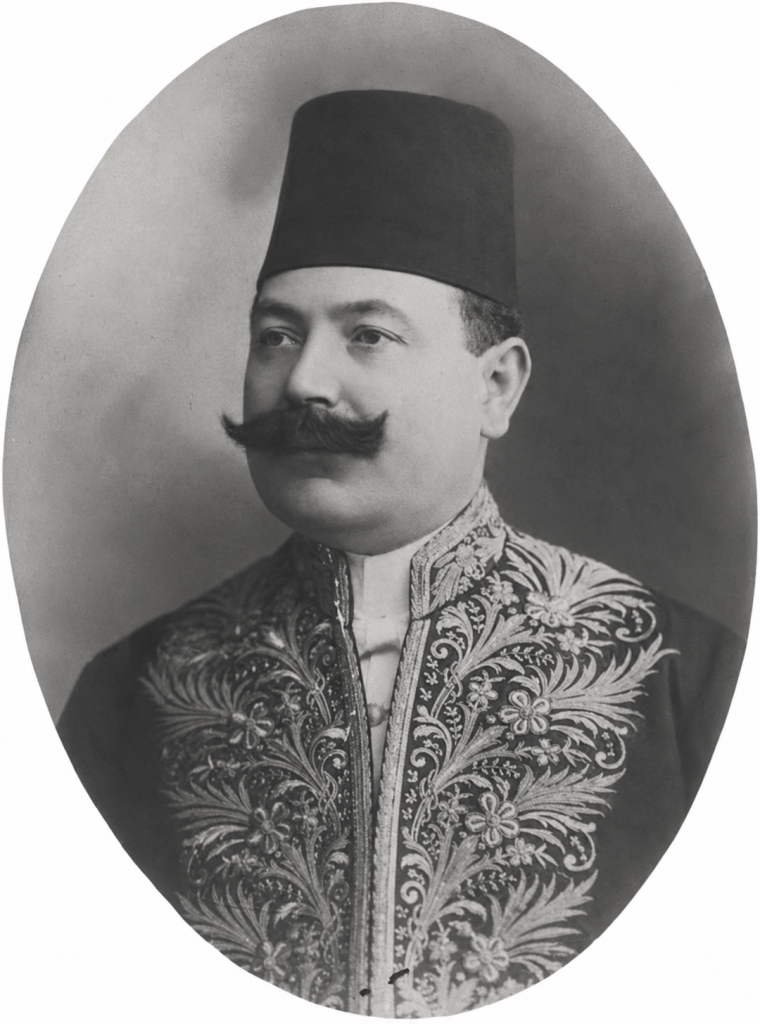
Kassem Şükrü Bey (1884-1923)
For decades the school served generations of children from the neighborhood and beyond. Among its students were writers, journalists, intellectuals, and ordinary children whose names have long since been forgotten.
One of those children was Nâzım Hikmet. Long before he became the most celebrated poet of modern Turkish literature, before prison, exile, and literary immortality, he was simply a boy attending primary school in Göztepe. It is remarkable to think that the future author of some of the most beloved poems in the Turkish language once walked the same streets that later became part of my own childhood geography.
Another distinguished graduate was the veteran journalist Orhan Erinç, who recalled his years at the school in an interview. Because the school functioned as a boarding institution, children came from many different parts of Turkey. Erinç later reflected that it was there, among classmates from diverse regions and backgrounds, that he first encountered the richness and complexity of Turkish society.
Schools often occupy a peculiar place in our collective memory. For a few decades they are filled with voices, friendships, ambitions, fears, and dreams. Then generations pass, buildings change hands, neighborhoods transform, and eventually the institution itself disappears. Yet somehow the memories remain attached to the place.
The story of Taş Mektep illustrates this perfectly. In researching the school’s history, I was struck by how little survives. After searching through local archives and historical references, I could find only a single photograph. The image shows a group of children and their teacher assembled on the steps of the school building. Above the entrance hangs a modest sign reading “Pansiyonlu İlkokul”—Boarding Primary School.
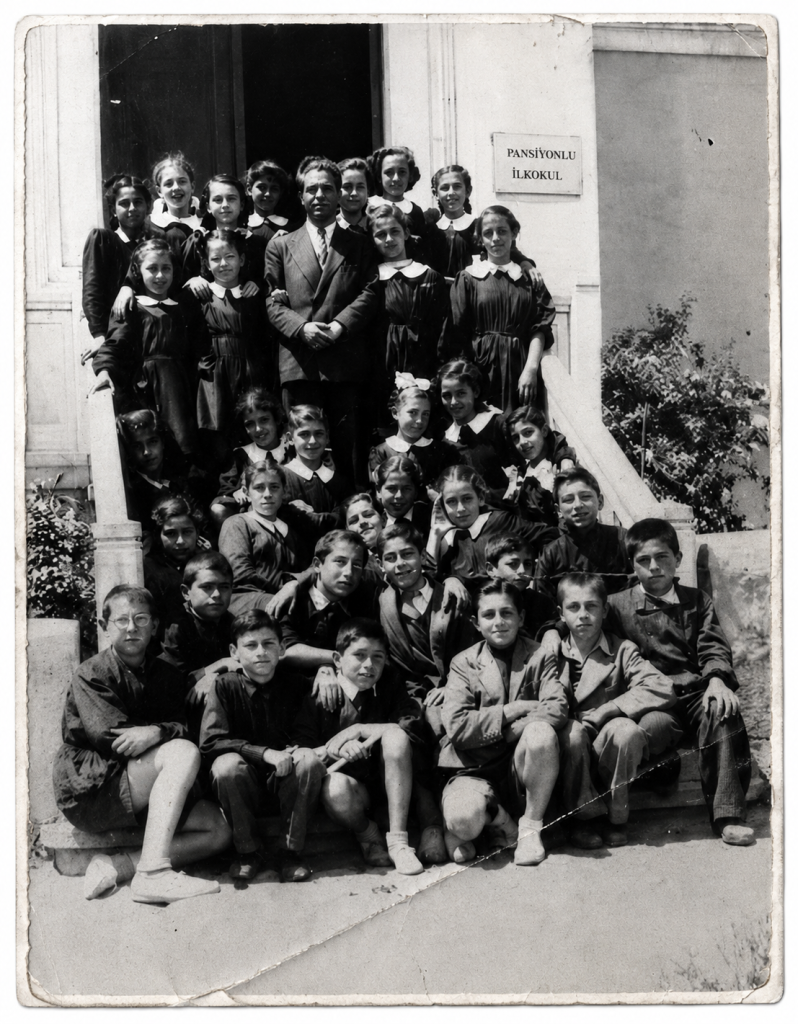
The photograph is ordinary in the way that all precious historical photographs are ordinary. There are no famous faces staring directly into the camera. No dramatic event is being recorded. It is simply a school photograph. Yet it may be one of the last surviving visual traces of an institution that shaped the lives of countless children. Looking at it today, one cannot help wondering what became of those students. What paths did their lives follow? Which of them became teachers, engineers, writers, parents, grandparents? Which dreams were fulfilled, and which were forgotten? The photograph preserves none of those answers.
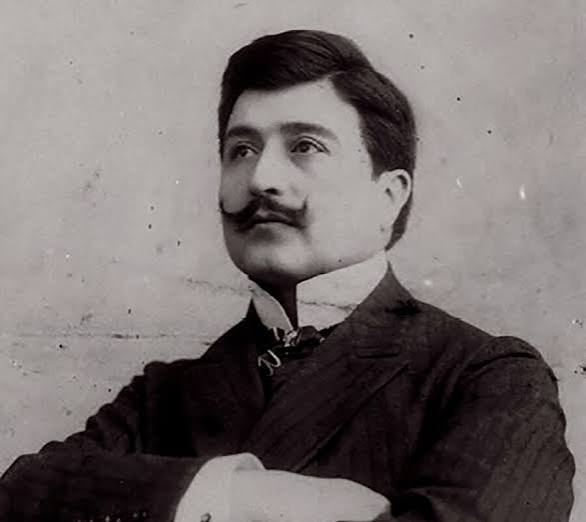
Mimar Kemaleddin (1870-1927)
The story of the school becomes even more interesting when viewed within the broader educational history of Göztepe. In the early twentieth century, educational buildings in the district reflected the growing ambitions of a modernizing society. One of the most important figures associated with this architectural transformation was Mimar Kemaleddin Bey, the leading architect of the First National Architectural Movement who was also the architect of Taş Mektep.
Kemaleddin sought to create public buildings that were both modern and deeply rooted in local architectural traditions. His schools, government buildings, and civic structures combined symmetry, dignity, and craftsmanship with a distinctly Ottoman-Turkish architectural vocabulary. Like many educational buildings of the period, schools were conceived not merely as places of instruction but as monuments to learning itself. They were built to endure.
Or so it seemed. The original Taş Mektep did not endure.
At some point in the twentieth century, the school disappeared. The building was demolished, and another house was built on its site. The classrooms vanished. The corridors vanished. The playground vanished. The daily life of the school receded into memory.
Today, nothing on the corner of Tanzimat Street and Taşmektep Street reveals that one of Göztepe’s most important educational institutions once stood there. No plaque marks the site. No monument commemorates it. No architectural fragment remains. Only the street name survives. And perhaps that is the most fascinating part of the story. Cities often remember more than we realize. A street name can become a kind of archive. Long after a building has been demolished and its history forgotten, the name remains, quietly preserving the memory of what once occupied that ground. Every time someone writes an address on an envelope, every time a taxi driver enters a destination into a navigation system, every time a resident casually mentions Taşmektep Street, the vanished school is remembered—whether consciously or not.
The building disappeared. Its students grew old. Its teachers were forgotten. Its archives were scattered. Yet the name survived. And through that name, a fragment of old Göztepe continues to live on.
Whenever I walk down Taşmektep Street today, I find myself thinking about that lost school and the generations of children who passed through it—including a young boy named Nâzım Hikmet, who could not possibly have known that he would one day become one of the defining voices of Turkish literature.
The school is gone. But the street still remembers.
Visuals are taken from gazetekadikoy.com and nazimhikmetmerkezi.com.
Note that the video is embedded via YouTube and all rights belong to the respective rights holders.