
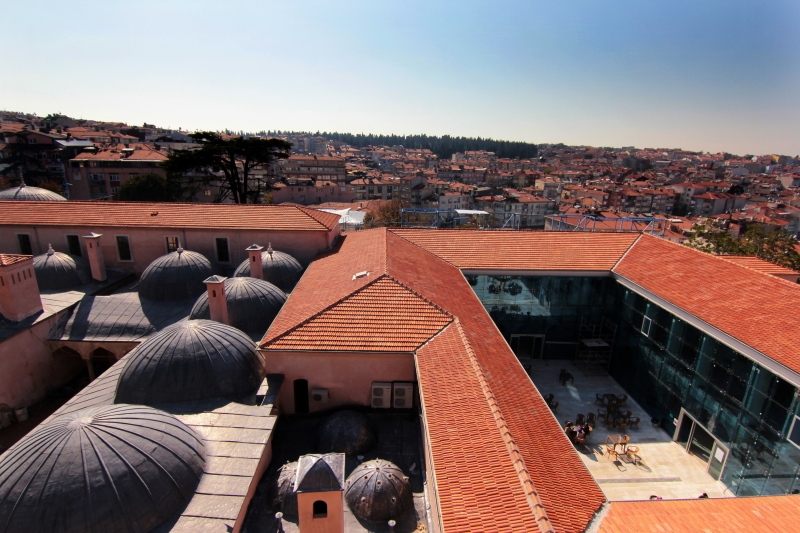
Istanbul is a city that constantly surprises you. I have recently discovered an amazing historical building complex from the 16th century that has been renovated and started serving as a university. This masterpiece of Mimar Sinan stands on the hilltop in one of the oldest neighbourhoods of Istanbul, Üsküdar. I rushed to see this amazing complex of buildings including not only a mosque but a madrasa (Ottoman religious school), hospital, caravanserai, and public kitchens, serving the surrounding community while symbolizing the generosity and influence of its patron in the Ottoman era.
The Valide-i Atik Mosque and Complex in Üsküdar is the last and one of the most significant works of the great Ottoman architect Mimar Sinan. Commissioned in the 1570s by Nurbanu Sultan, wife of Sultan Selim II and mother of Murad III, the külliye (religious and social complex) reflects both imperial grandeur and charitable purpose.
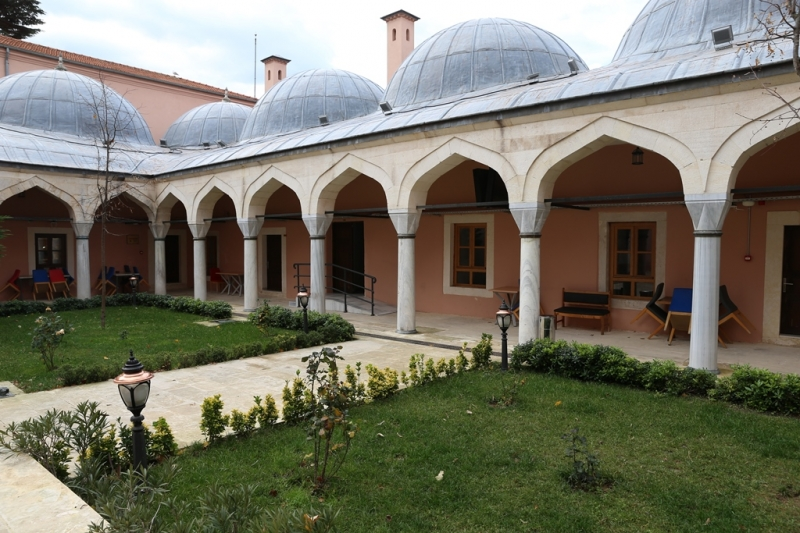
Architecturally, the mosque demonstrates Sinan’s mastery in his later career. A central dome of nearly 13 meters, the restrained exterior contrasts with the richly decorated interior, where light pours through windows onto colorful Iznik tiles and Qur’anic inscriptions. Though expanded and altered over time, the design still conveys Sinan’s skill in balancing geometry, space, and light.
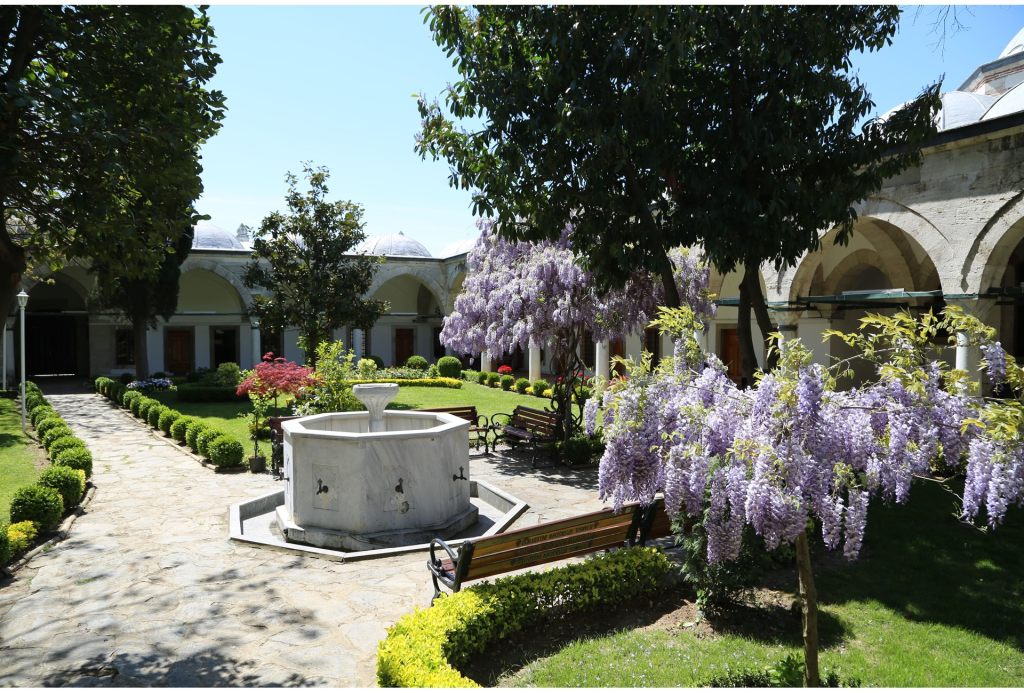
As one of the most ambitious külliyes in Istanbul after the Süleymaniye, Valide-i Atik stands as both a spiritual center and a monument to female patronage in the Ottoman Empire. For Nurbanu Sultan, it secured her legacy during the Sultanate of Women; for Sinan, it was another enduring masterpiece that merged architectural innovation with social function.
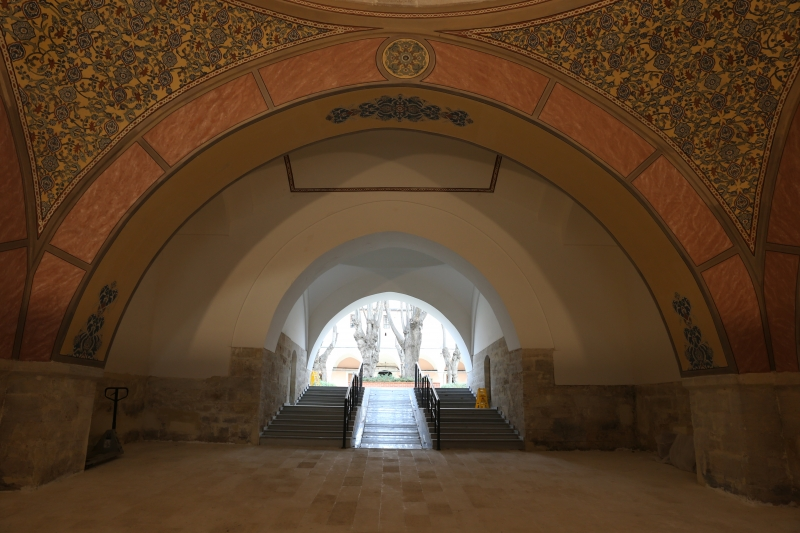
Today, the Valide-i Atik Complex is not only an active mosque but also serves as the home of Fatih Sultan Mehmet Vakıf University, an institution founded in 2010 to carry forward the Ottoman legacy of education and culture. Several of the former külliye buildings, once dedicated to teaching, lodging, and charity, have been restored and adapted for academic use. When I visited the university, I was amazed to see how this 16th century religious complex was adapted to a modern university. I would highly recommend you to visit this ’16th century campus’ that gives one a sense of serenity in its gardens and hallrooms.
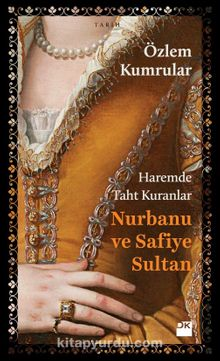
Also make sure to read the book by the prominent Turkish historian Özlem Kumrular on Nurbanu Sultan, who reshaped Ottoman history. Although we do not have any visual records of Nurbanu Sultan, as with other Ottoman royal women, she left behind an invaluable legacy that still resonates in the 21st century.