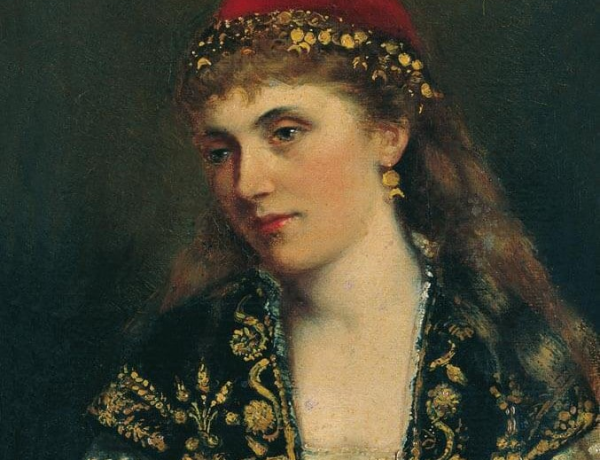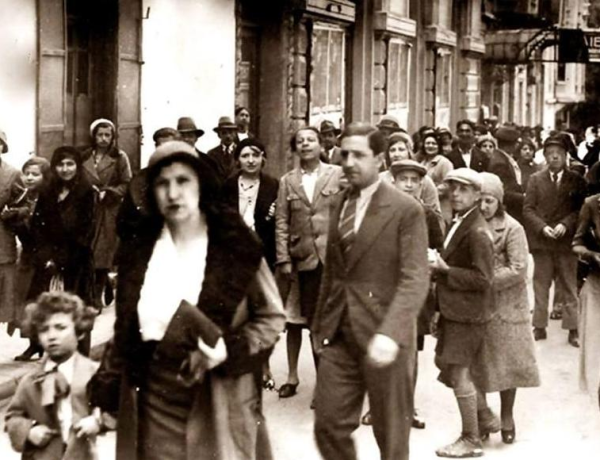


A fictional potrait of Kösem Sultan, 1647
When we think of power struggles in history, our minds often leap to medieval Europe or dramatized series like Game of Thrones. Yet in the heart of the Ottoman Empire, one woman lived a life so charged with intrigue, ambition, and survival that her story rivals even George R.R. Martin’s most cunning queens. That woman was Kösem Sultan—a slave girl who rose to become the most powerful woman of the 17th-century Ottoman world.
Born in Greece around 1589, she was taken as a slave and placed in the imperial harem of Sultan Ahmed I in the Topkapı Palace. Renamed Kösem, she quickly became his favorite consort. Unlike many women in the harem whose influence was fleeting, Kösem possessed something rare: political acumen, strategic patience, and the ability to wield soft power in a world designed to silence her.

Topkapı Palace
The imperial harem was no passive household—it was the nerve center of palace politics, a realm where alliances, betrayals, and rivalries played out daily. For women, influence was often secured not through armies or thrones but through motherhood. The mother of a sultan, the Valide Sultan, could become the empire’s most powerful figure after the ruler himself. Kösem would eventually rise to this position and wield her authority across multiple reigns.
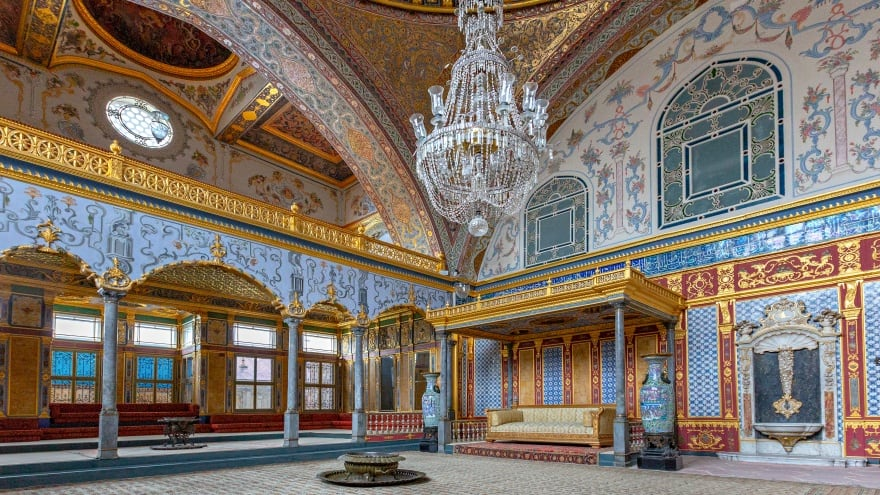
Harem in the Topkapı Palace where Kösem Sultan ruled with
When Sultan Ahmed I died, Kösem’s sons were still too young to rule. Instead, she maneuvered through court intrigue, ensuring her place as regent for her son Murad IV and later for her grandson Mehmed IV. During these regencies, she was more than a caretaker—she was the empire’s de facto ruler, issuing orders, overseeing state matters, and even deciding life or death in political disputes.
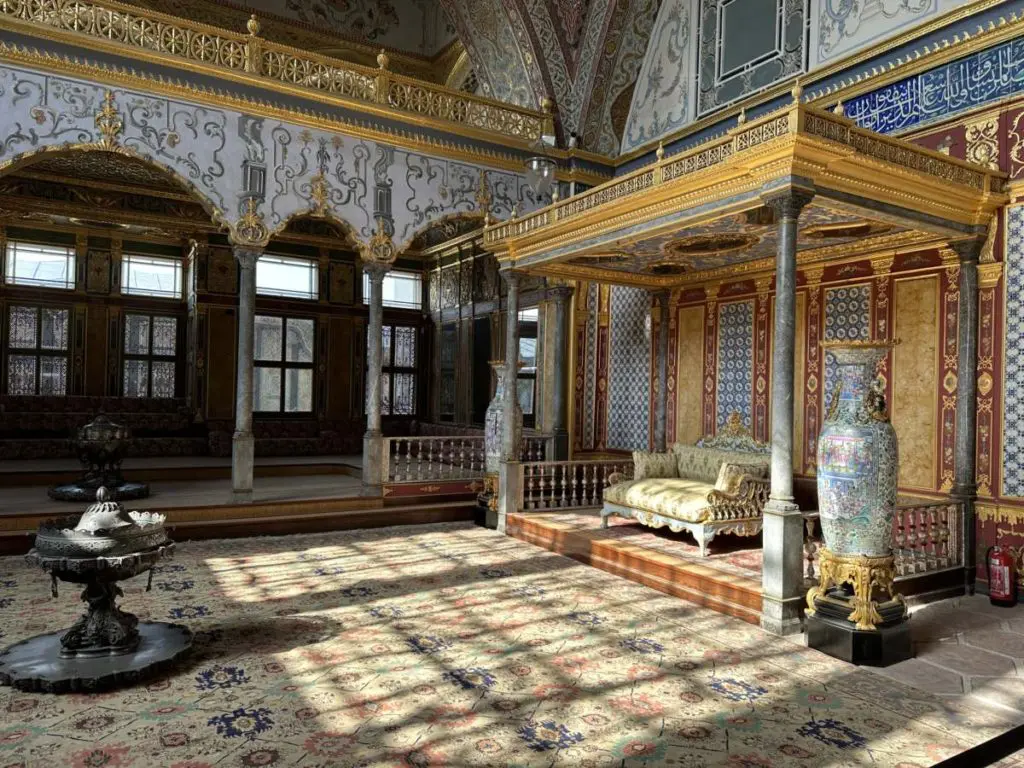
Topkapı Palace Harem – detail
Kösem operated in a system where survival required ruthless calculation. She built alliances with Janissaries, manipulated court factions, and played rival princes against each other. Yet her power made her enemies as much as it secured her influence.
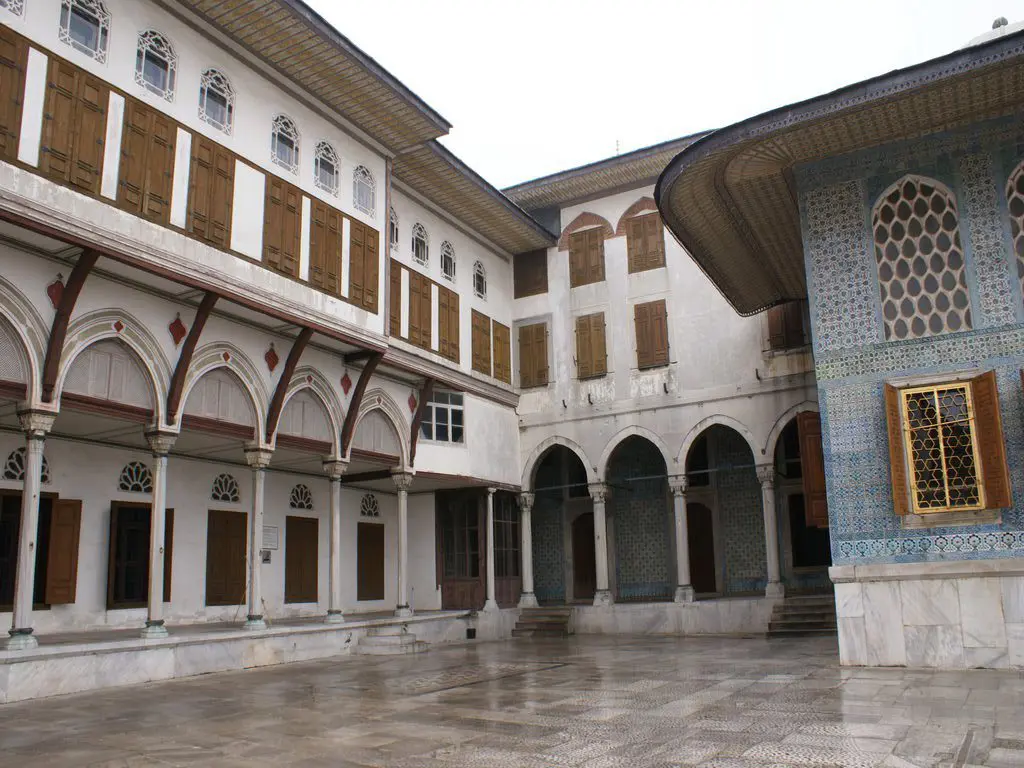
Topkapı Palace – harem
In a twist worthy of any Game of Thrones season finale, her own daughter-in-law, Turhan Sultan, turned against her.
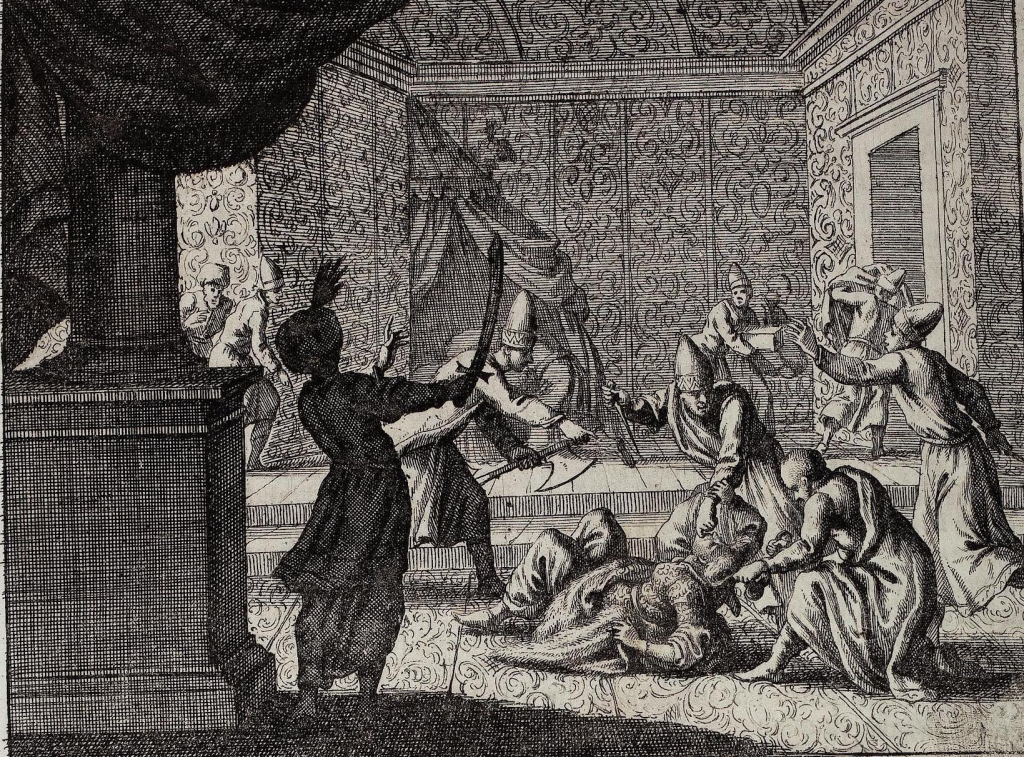
An engraving depicting the assaniation of Kösem Sultan on September 2, 1651
Once allies, the two women became bitter rivals for influence over the young Mehmed IV. In 1651, Kösem was strangled in her chambers with her own hair—an assassination ordered by Turhan. The empire’s most formidable queenmaker was undone by the very game she had mastered.
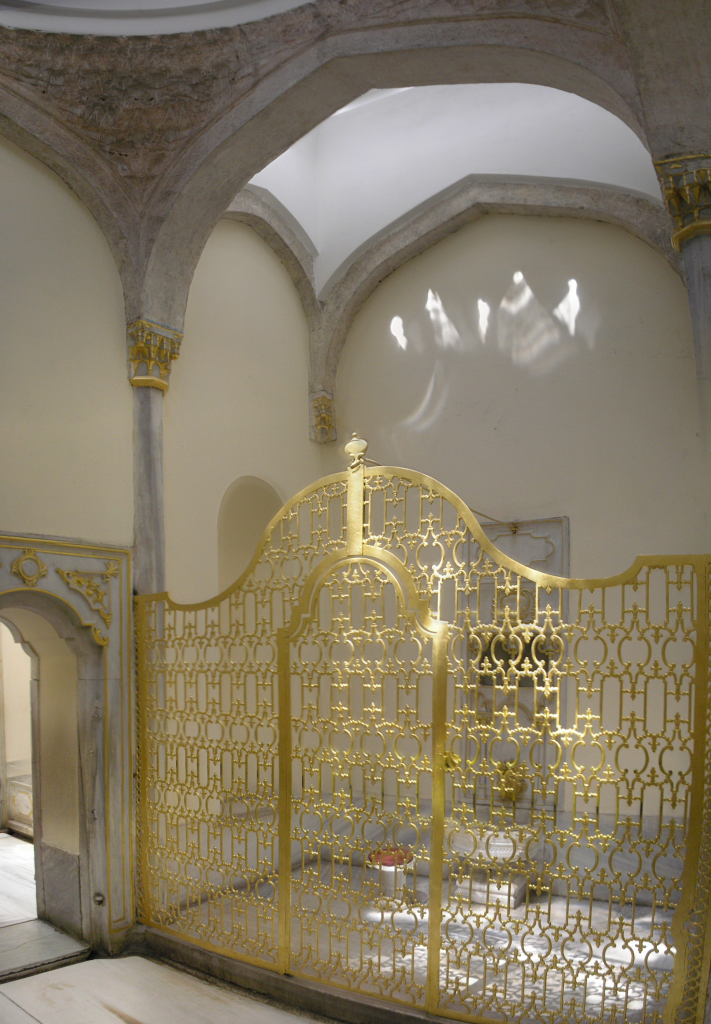
Topkapı Palace, hammam in the harem
Kösem Sultan’s life embodies the Ottoman era known as the Sultanate of Women, when imperial consorts and mothers shaped policy, diplomacy, and succession. Her story reveals that the Ottoman court was not just a world of eunuchs and sultans but also of women who could bend the empire to their will.
Kösem was not a ruler by title, but by strategy. She navigated an empire as dangerous as any battlefield and played her hand until the very end. If Game of Thrones gave us fictional queens who clawed their way to power, Kösem Sultan gave history the real version.
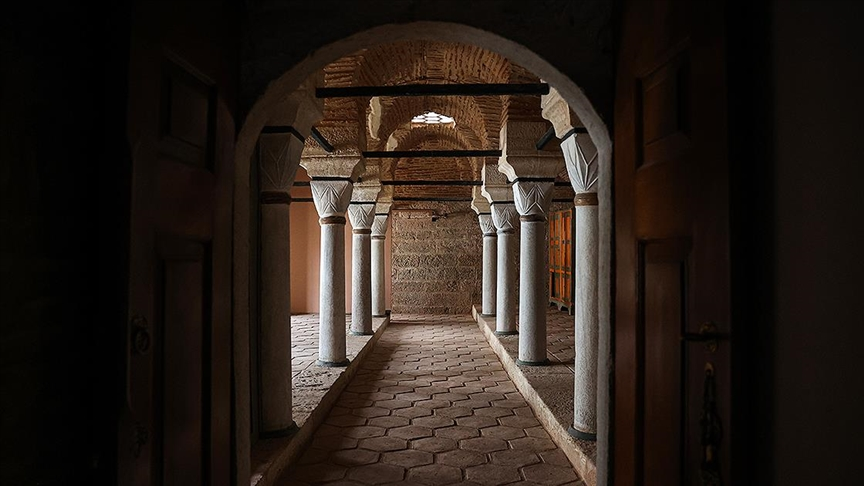
Detail from the harem
Kösem Sultan is still able to ignite the imagination of people in the 21st century. A TV series inspired by Kösem’s life has been on air and captivated millions.
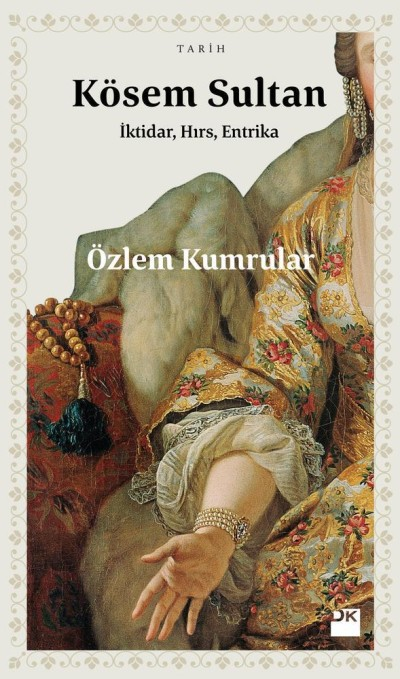
If you are a lover of history, I would highly recommend you to read Kösem Sultan by the prominent Turkish historian Özlem Kumrular.

Prominent Turkish historian Prof. Özlem Kumrular (1974-2024)
The book was published by Doğan Publishing House and is a delight to read. The publishers summarize the book with the following words.
‘The lawful wife of Ahmed I, the mother of Murad IV and Ibrahim I, the grandmother of Mehmed IV — Kösem Sultan…
Half a century in the palace! Intelligent, patient, prudent, cunning, and above all, in love with power!
From the cheese brought into the palace to the drinking water, from war munitions to daily affairs, she was the valide sultan who managed everything! For her grown-up son Murad IV, she could say tenderly: “My lion goes out in the morning, comes back at night, I cannot see him, he doesn’t avoid the cold, his health worsens, he is destroying me for not being like a son; God’s trust, whenever you see him, advise him.” Yet she was also ruthless enough to warn her grand vizier: “I must not hear of your drunkenness again; otherwise, I will have your head cut off.”
A stateswoman who managed to protect both herself and the integrity of the empire at a time when governance was undergoing a transformation… At the same time, a palace woman who jealously guarded her jewels and immense wealth!
The important work you hold in your hands brings you the “real” life of Kösem, distilled from archival documents and sources in many different languages!’ (taken from dogankitap.com.tr)
Whenever I see the ‘queen dominance’ in Turkish families, I cannot stop thinking of the legacy Kösem Sultan left behind!
Note: The video is embedded via YouTube. All rights belong to the respective rights holders.