
İstanbul is a city that has been adorned with a rich history of countless precious ‘objects’ that have been the world’s desire for centuries. The city has witnessed the smuggling not only of its Byzantine artefacts but also artefacts from its Ottoman past for centuries.
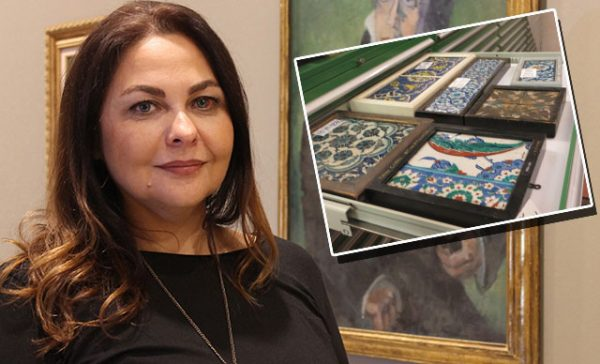
Art historian Hayal Güleç
But there are brave scientists, academics and journalists who have been on the search for the traces of these ‘abducted’ artefacts and Lecturer Hayal Güleç is one of them. Art historian Hayal Güleç visited the Victoria and Albert Museum for her research on the İznik tiles that had been kept in its depots without having been on display for decades.
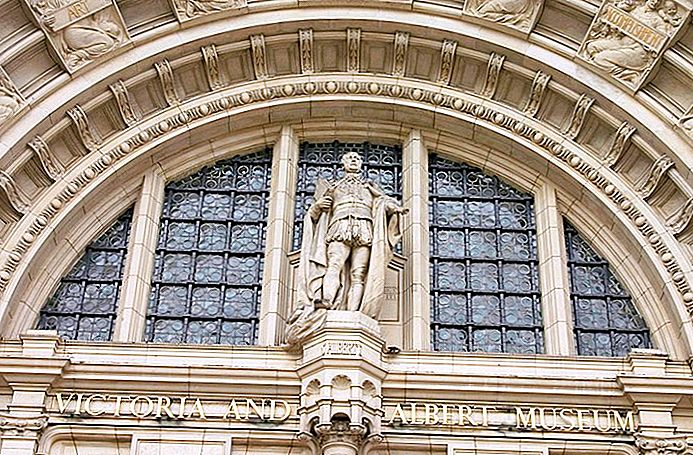
Victoria and Albert Museum
She asked the administrators of the Museum for a permission ‘to look closer’ at the tiles. With the permission of the administration, she took photos and looked into the records of 67 tiles in 2012 to realise that 44 of them were ‘smuggled’ from İstanbul and other cities like Bursa, mainly from mosques and palaces.
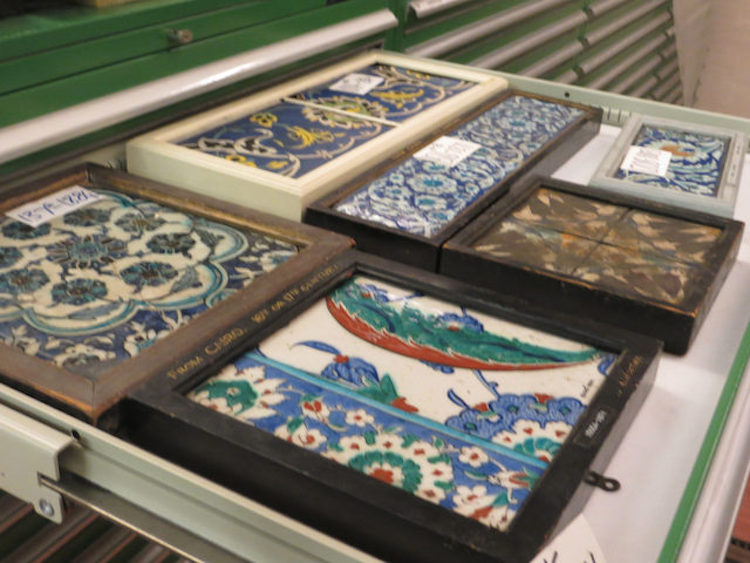
Photo from Arkeo Blog showing some of the tiles in the depot of Victoria and Albert Museum
In a four painstaking years of work, she could spot that the tiles were smuggled from the Topkapı Palace and Yeni Cami in Eminönü and other 16th century mosques such as Takkeci İbrahim Ağa Mosque in İstanbul as well as from mosques and eveen Churches in Bursa and Diyarbakır by foreign travellers and restorators such as French Leon Parvillee throughout centuries who ended up selling them to the Victoria and Albert Museum.
Note that Parville was a renowned French ceramics artist of the 19th century who had been invited to the Ottoman Empire by the Sultan as a restorator. Researcher Hayal Güleç found the letter of Parvillee’s son in the archives of the Victoria and Albert Museum explaining that his father had got a hold of these tiles from ‘Asia Minor’ and he wanted to sell them to the Museum. We now understand Parvillee had covered the remaining hollows with plaster after he had removed the tiles to smuggle them.
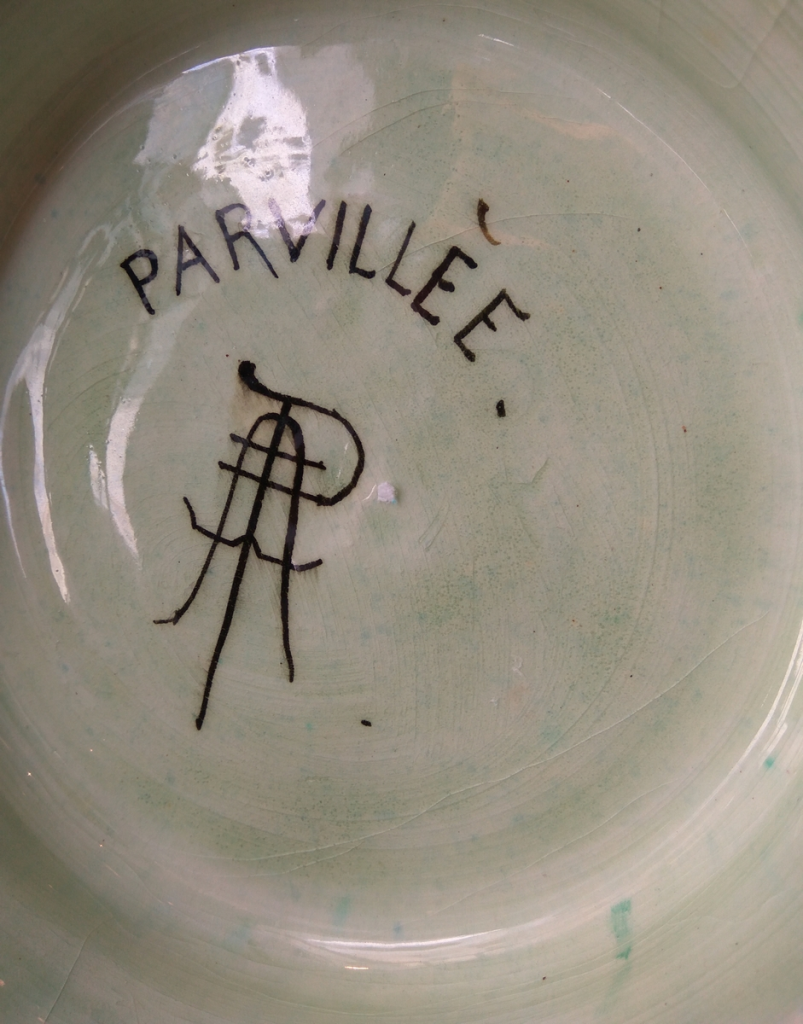
The signature of the Parvillee
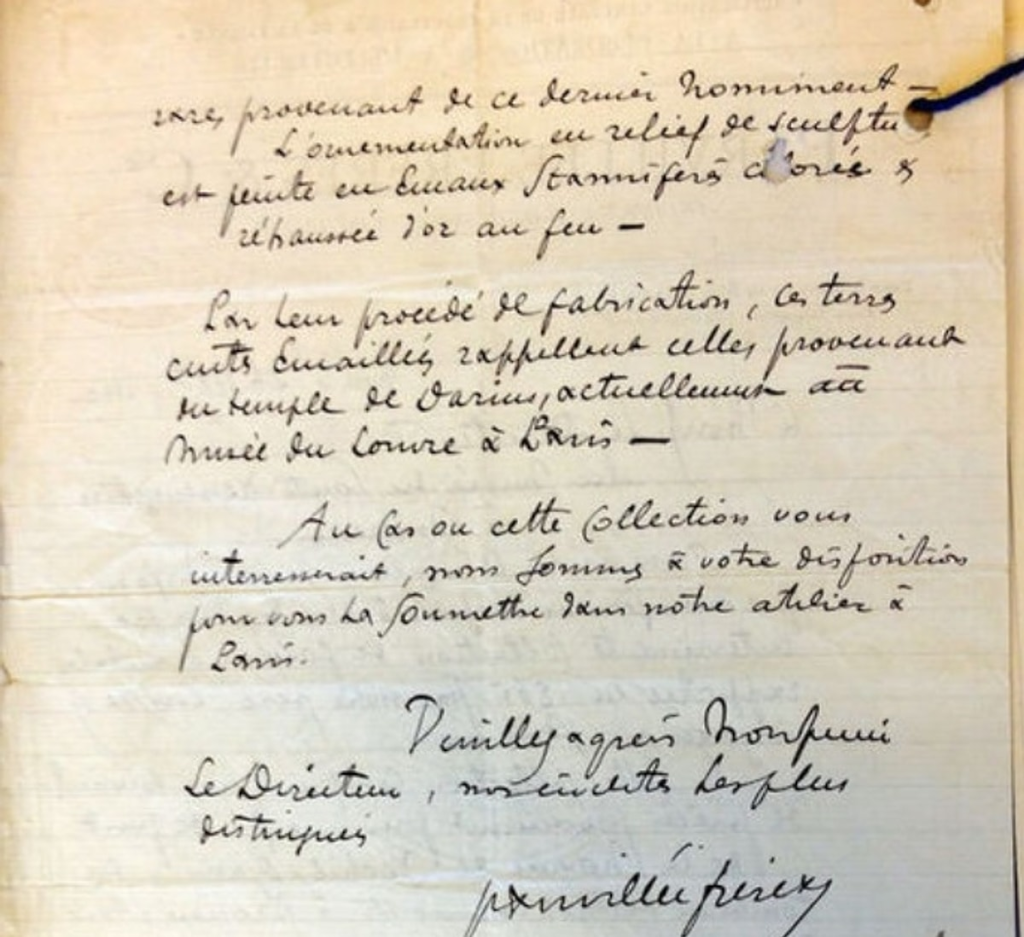
Letter of Parvillee’s son to the Museum
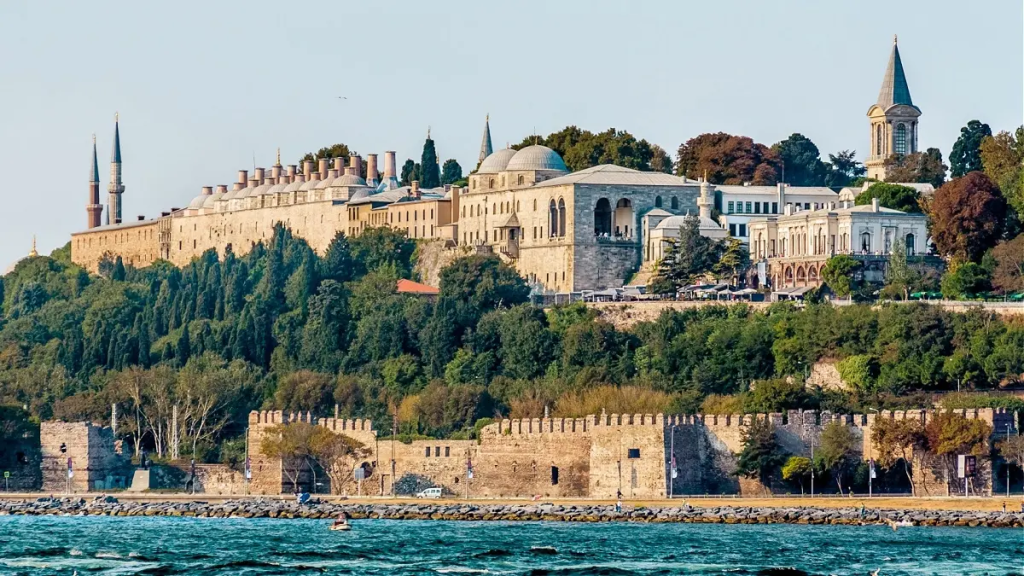
Topkapı Palace, 15th century
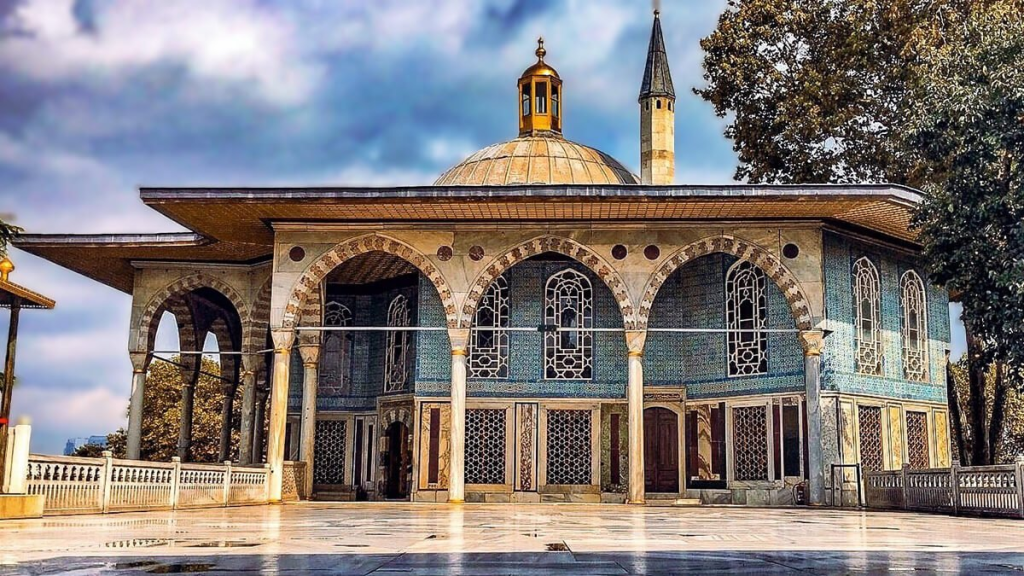
Bağdat Kiosk in Topkapı Palace famous with its tiles
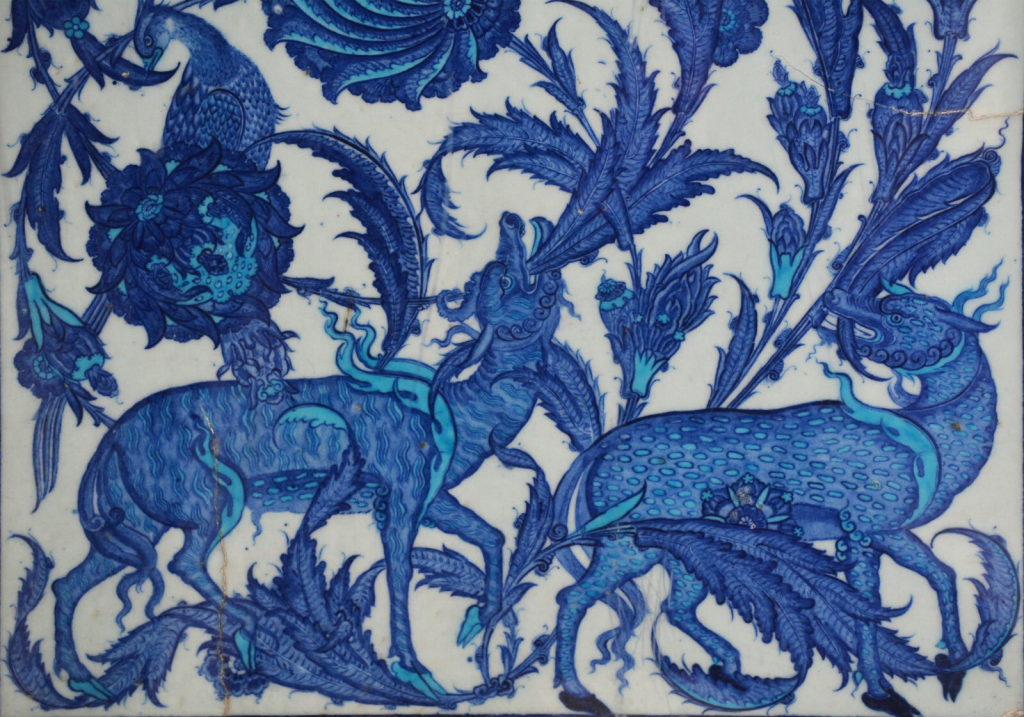
A tile detail from Topkapı Palace
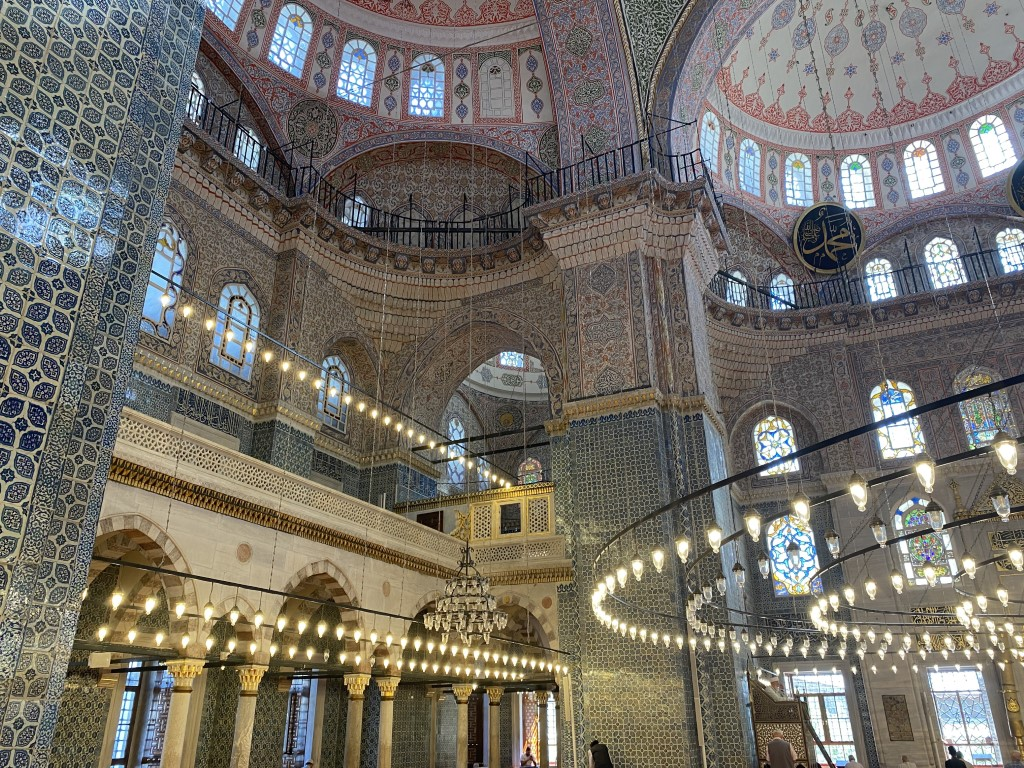
Yeni Camii, Eminönü, 17th century
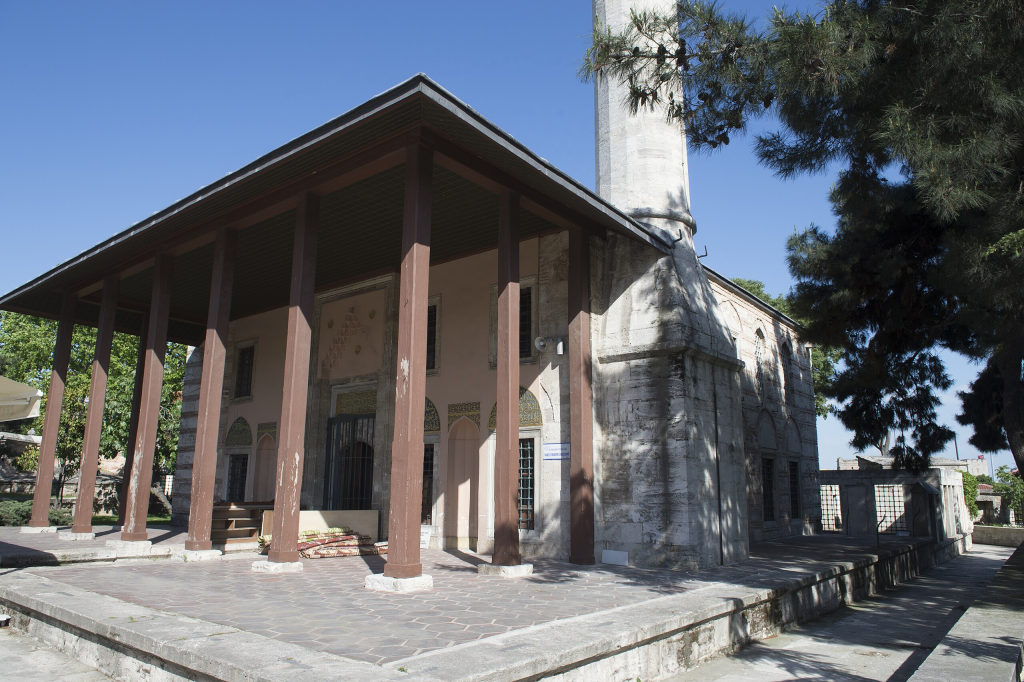
Takkeci İbrahim Ağa Mosque, 16th Century, Zeytinburnu, İstanbul
We know that Ms. Güleç contacted the Ministry of Culture to start a diplomatic negotiation to bring these precious tiles back home.
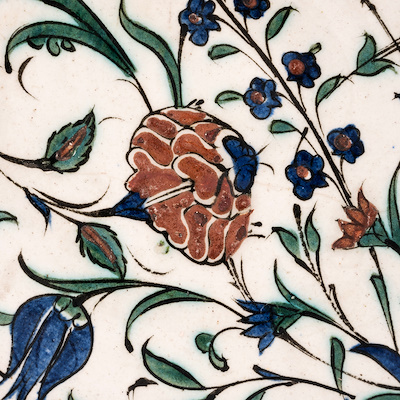
16th Century İznik tile. The red you see on this İznik tile was discovered in 1557. It only lasted for 60-70 years and vanished as a secret with the demise of tile masters.
Note that İznik Tiles are extremely precious as İznik had been a centre of tile making for the Ottomans for centuries and the tiles reached their ‘peak’ in artistic value in the 16th century.