
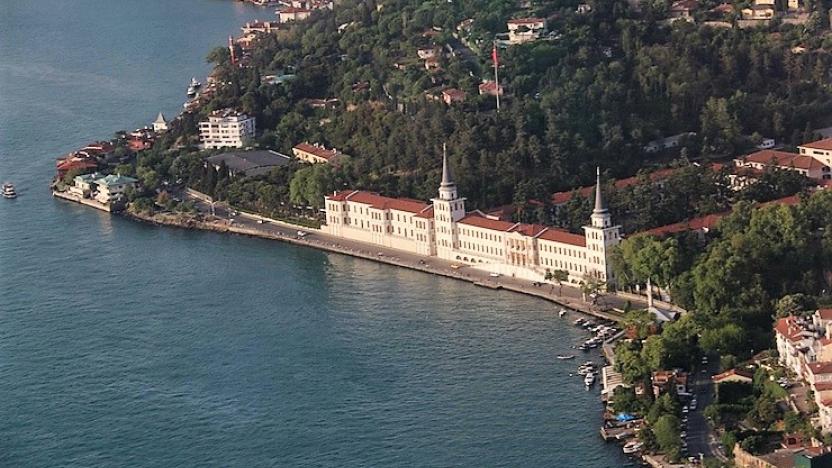
If you take a ferry from either side of the city to cross the Bosphorus to the “other” side, you cannot fail to notice a majestic building standing like a guardian over the city. It occupies one of the most beautiful spots along the Bosphorus shoreline in Çengelköy.
The building was constructed as a military school in 1843 and functioned as such for 177 years, until this tradition was interrupted by the current government. What makes it so unique is that it housed one of the schools that produced some of the most important soldiers in modern Turkish history—and my grandfather was one of them. Born in 1884, he spent three years at this military high school before continuing his education as a staff officer and eventually becoming a senior commander. He fought against the Italians in his native province of Libya in 1911, in the Balkan Wars of 1912–13, in the Great War of 1914–18 at Çanakkale, and finally in the Turkish War of Independence of 1919–22, which gave birth to modern Turkey out of the ruins of the declining Ottoman Empire.
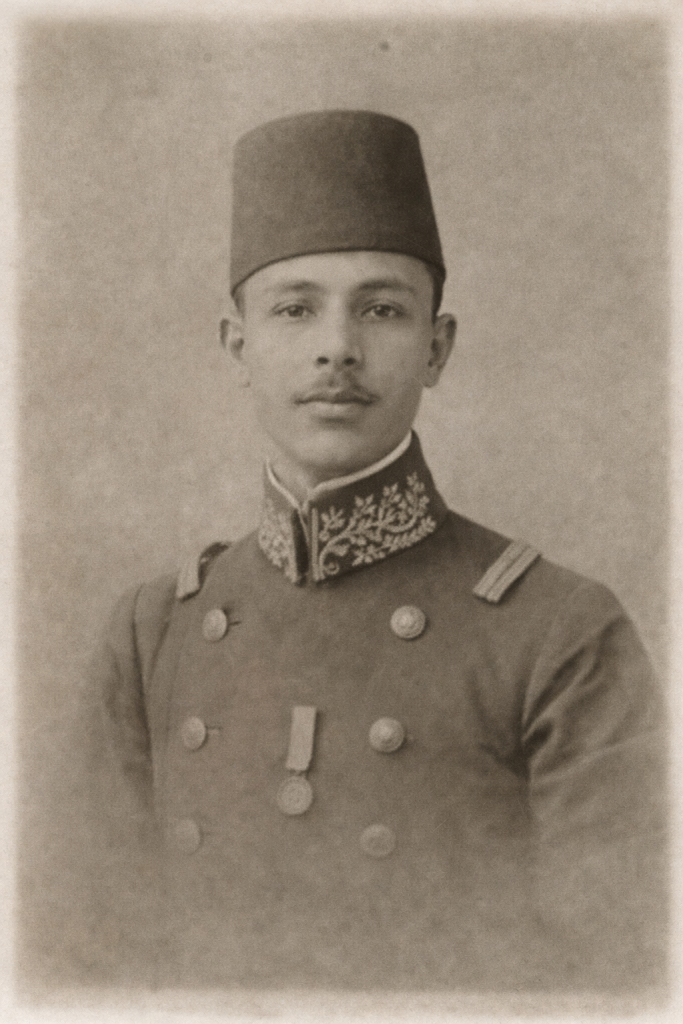
My grandfather Ali Fehmi Doğrusöz
My grandfather was interviewed by a young academic from the US in the early 1950s, and his life story was recorded for a PhD thesis submitted to UCLA in 1966, titled Reorganization of the Ottoman Army under Abdülhamid II, 1880–1897. The young PhD student’s name was Merwin Albert Griffiths. I recently learnt that Griffiths passed away in 2020.
I discovered the thesis on the shelves of Boğaziçi University, and it remains a reminder of the modernisation of the Ottoman Army, which produced young and highly intellectual soldiers of his generation, like my grandfather and his friends. I knew that my grandfather read, wrote and spoke German and French fluently, both of which he had learnt at military school. He had an extensive library that included writers such as Goethe, Voltaire and even George Sand. I still have some of the books from his library, reminders of a past shaped by this military school and the enlightened men it produced.
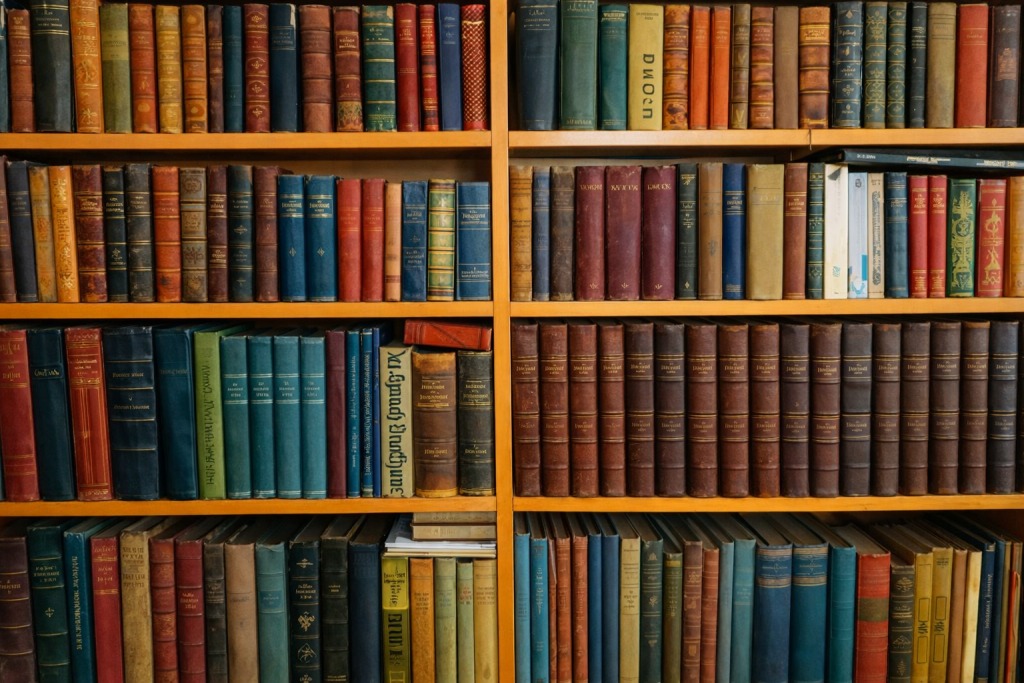
Some of my grandfather’s books that are still with me today. We donated many of the books from his library to Boğaziçi University when my father passed away in 1989.
One of my grandfather’s schoolmates at Kuleli was Kazım Karabekir, one of the most important commanders of the Turkish War of Independence, who later became a deputy in the first Turkish National Assembly.
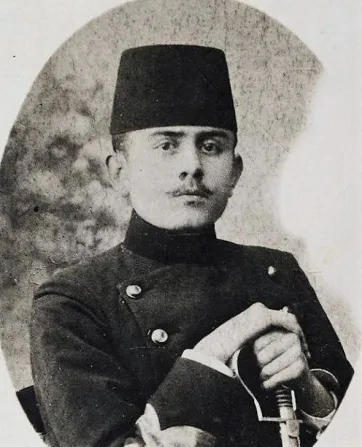
Kazım Karabekir
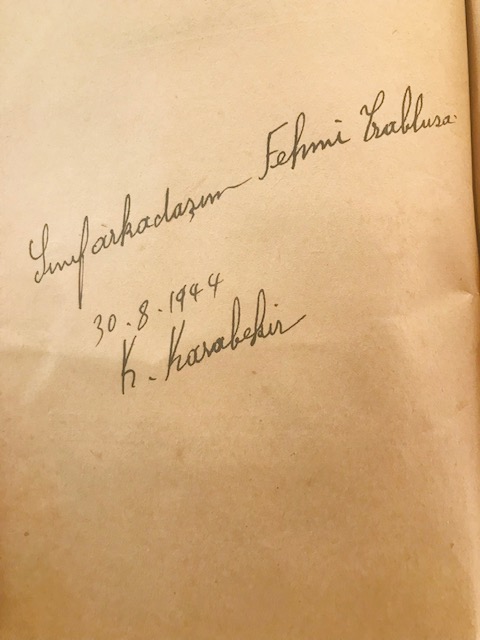
Kazım Karabekir’s autograph to my grandfather in his 1935 book on the Italo-Turkish War in Libya. It reads: “To my classmate Fehmi Trablus.” “Trablus” refers to Tripoli, where my grandfather was born, then part of the Ottoman Empire. Tripoli was lost to the Italians following the Italo-Turkish War of 1911–12.
The building itself also has an interesting story. We might assume that it takes its name from its towers—Kuleli means “with towers”—whereas the original building had none. When the British architect and artist Thomas Allom visited İstanbul in the first half of the 19th century, he depicted the building with two towers that he had imagined. His fantasy was realised more than a century later, when two towers were added to the building in 1969.
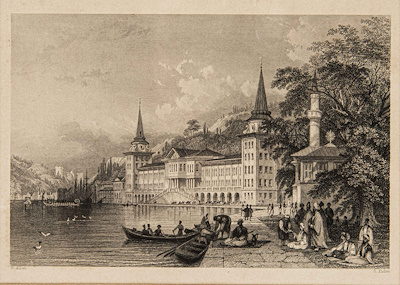
Thomas Allon’s fantasy of the towers that later became a reality
Florence Nightingale—the British nurse who helped lay the foundations of modern nursing—also served here during the Crimean War against Russia, in which the Ottomans fought alongside the British.
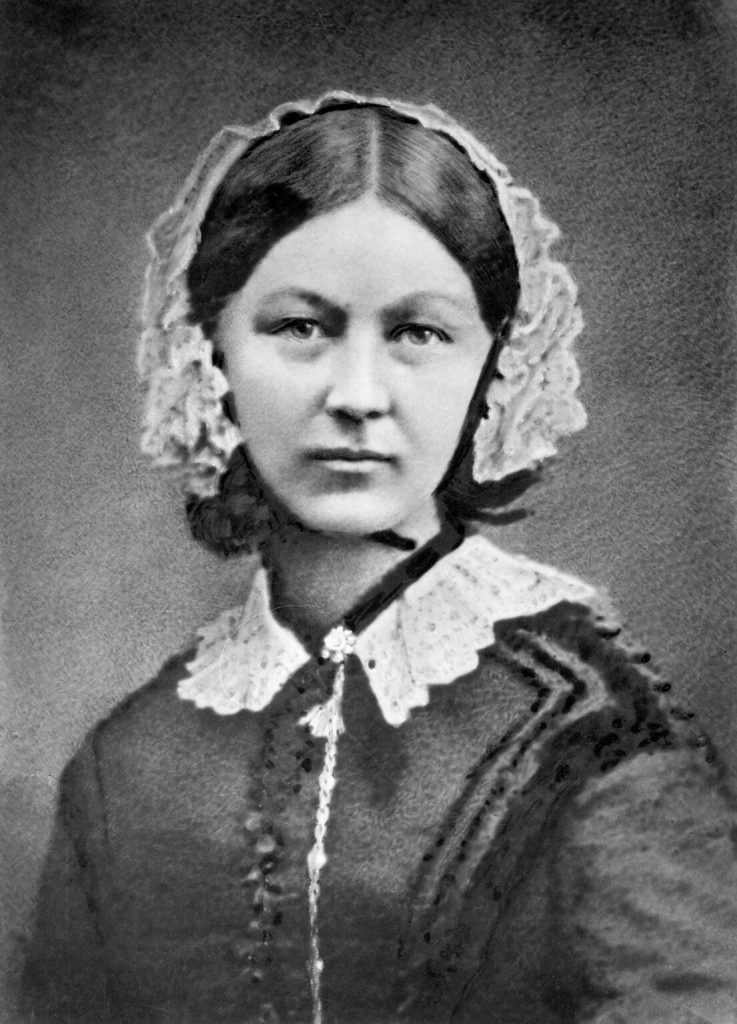
Florence Nightingale
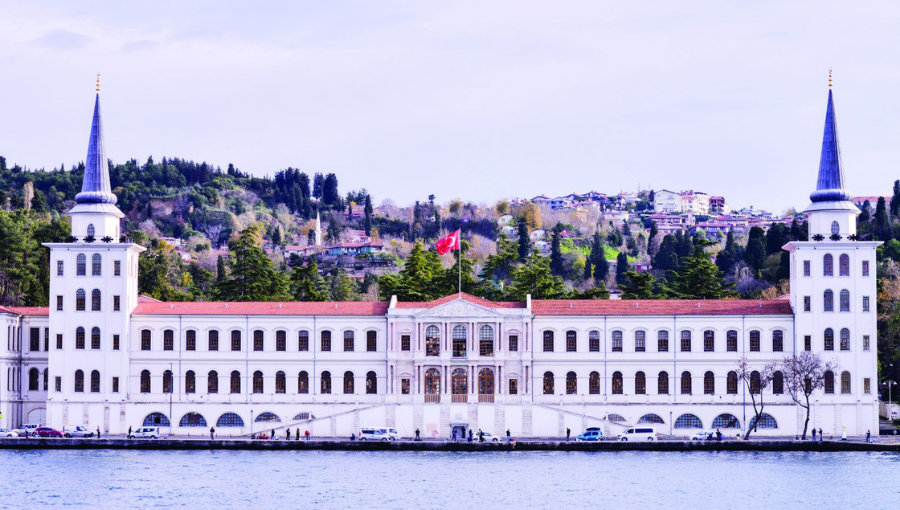
I recently learnt that there is a museum in this majestic building which offers a panorama of the history of this 181-year-old military school. The museum houses a medal awarded to those who fought in the War of Independence. The medal is a poignant reminder of the 88 young students, aged between 14 and 18, who ran away from Kuleli Military School to join the War of Independence and lost their lives fighting for their country’s freedom.
The museum also has a section displaying the personal belongings of Mustafa Kemal Atatürk, who led the War of Independence and founded modern Turkey.
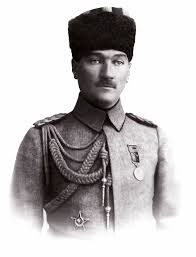
Atatürk as a young soldier