
‘The Greek word “Βόσπορος” (Bosporos) is a combination of two words: “βοῦς” (bous), which means “cow,” and “πόρος” (poros), which means “crossing” or “passage.” Peter Kostense
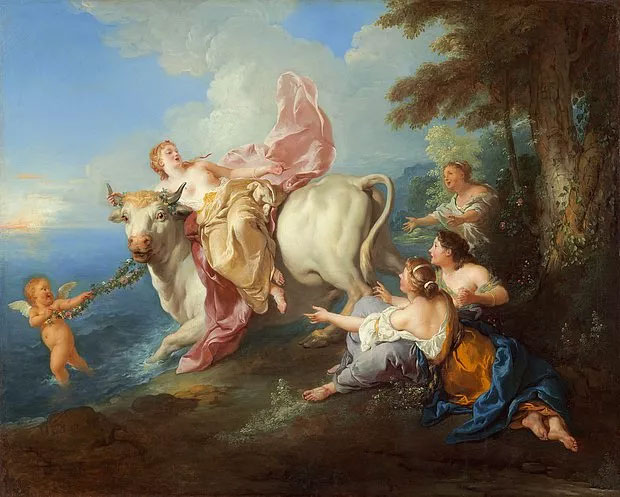
İstanbul like any other ancient city is founded on legends but there is one particular founding myth about the Bosphorus which I love dearly. One of the most well-known versions can be found in Ovid’s “Metamorphoses”, a Roman poet.
The story is related to Io who is the grandmother of the King Byzas who founded the city. Io was also a priestess in the temple of Hera. Zeus who was the God of Gods fell head over heels for Io. The legend says that Zeus transformed himself into a cloud to seduce her. Io also fell for lustful Zeus famous with his infidelities.
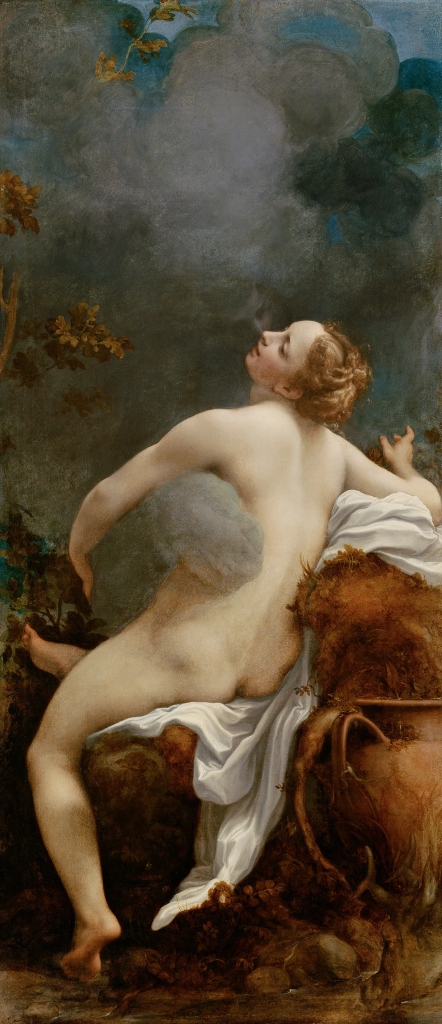
Correggio, 1530
But it was not long before Zeus’s wife Hera realises the situation. Zeus, in order to hide the affair from this wife turns Io into a horned cow but Io can not run a way from the wrath of Hera who realises the situation and sends a gadfly to sting the cow continuously to give her an eternal torment.
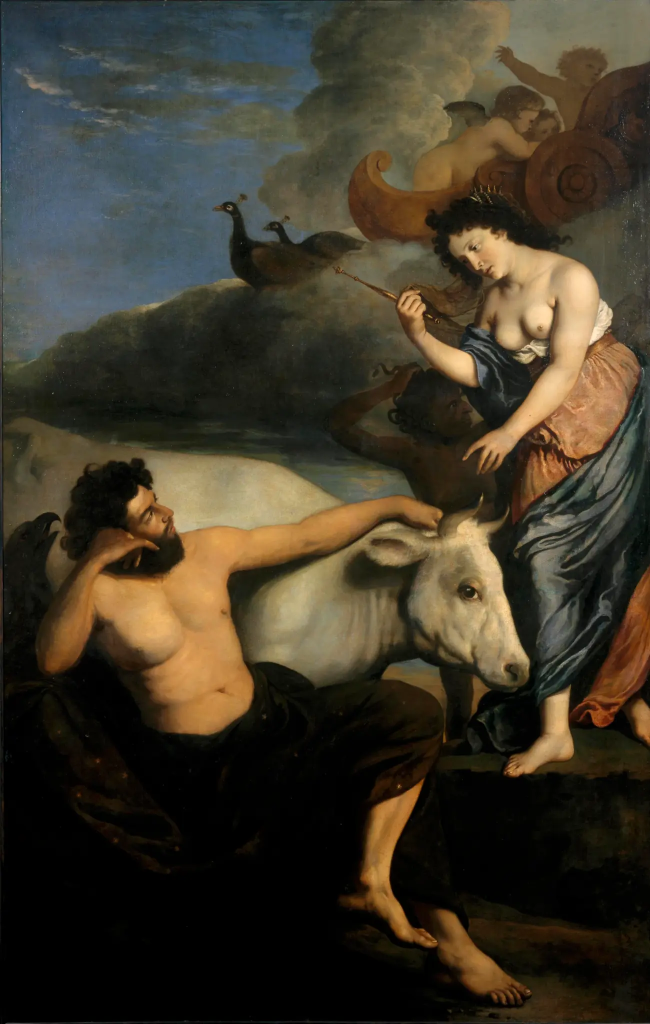
Jan Gerritsz. van Bronchorst, 1656
Io swims and crosses the path between Propontis (current Sea of Marmara) and the Black Sea but cannot escape the torment of the gadfly to finally reach an edge of the deep valley. Just as Io crosses the valley, the area fills with water and the Bosphorus is formed. This is why Bosphorus is called the cow passage in Greek mythology. The Greek word “Βόσπορος” (Bosporos) is a combination of two words: “βοῦς” (bous), which means “cow,” and “πόρος” (poros), which means “crossing” or “passage.” (https://peterkostense.online/2023/08/05/zeus-and-io/)
This mythological story has fascinated artists for centuries and that is why we have a rich collection of artists who dwelled on the affair of Io and Zeus leading to the formation of the Bosphorus in their paintings.
We are so lucky to have a Greek legend that crowns this breathtaking view!
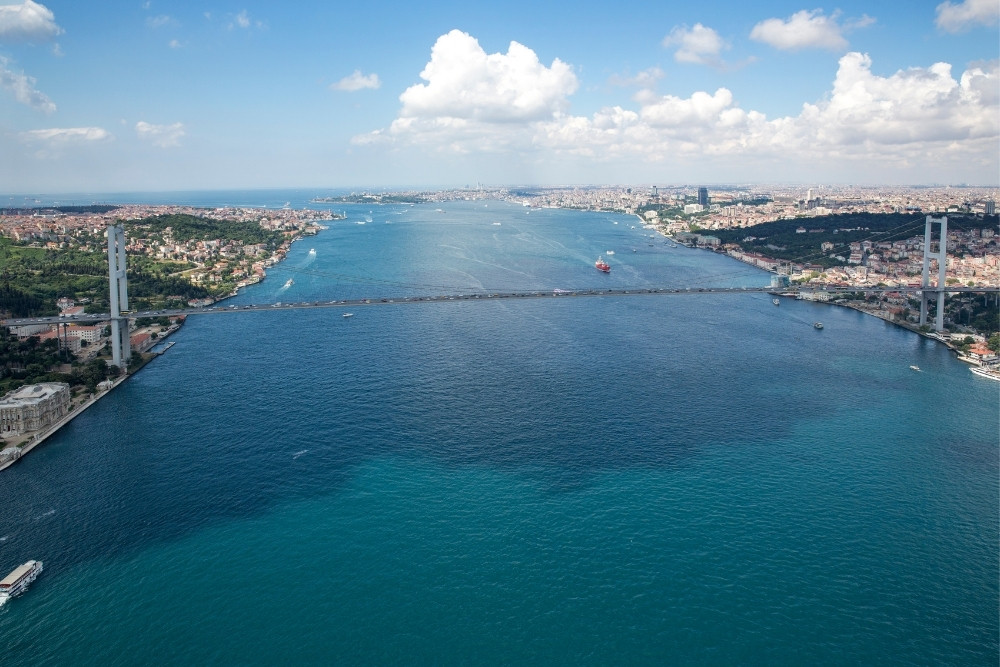
Bosphorus that divides as well unites the city of İstanbul