
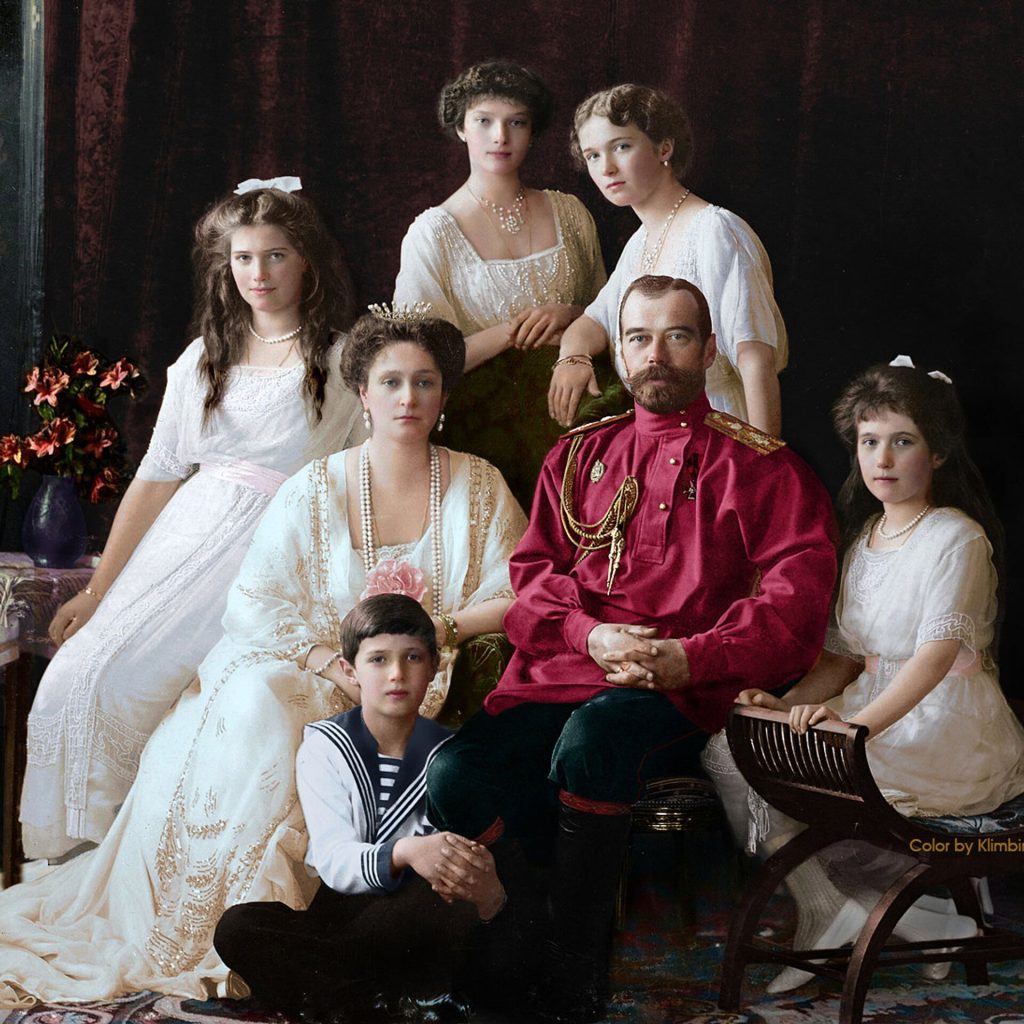
Last Russian Tsar and his family massacred in the Bolshevik Revolution
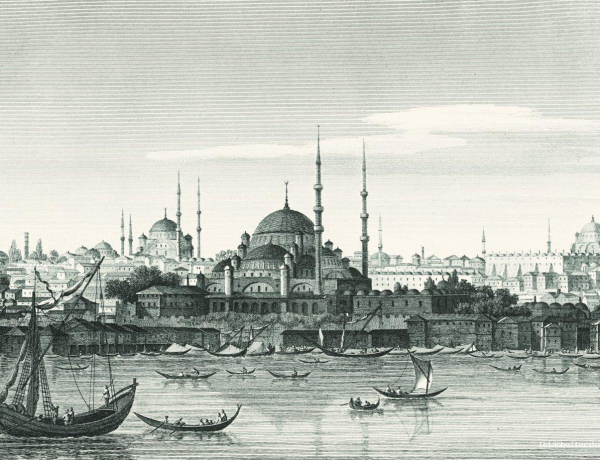
The Bolshevik Revolution of 1917 changed the lives of millions who had to flee their country including the Russian Aristocracy known as the ‘White Russians’ in Istanbul. They still live in the memory of Istanbul as they have left traces in the city as well as in the Istanbul culture.
It is estimated that there were two million Russians who left their country after the Bolshevik Revolution and two hundred thousand of them came to Istanbul. Historians say that this meant that the twenty percent of the Istanbul population was made up of these ‘refugees’ who literally changed the fabric of the society.
Not all of these people were aristocrats of course. People from all walks of life had travelled together to a city of the unknown. There were counts, countesses, barons and baronesses along with maids, actors, actresses and the bourgeoise. There were also many artists among the new comers such as ballerinas, opera singers, painters and photographers. Even the famous Russian writer Nabokov and Smirnoff were among the White Russians who had found a second home in Istanbul.
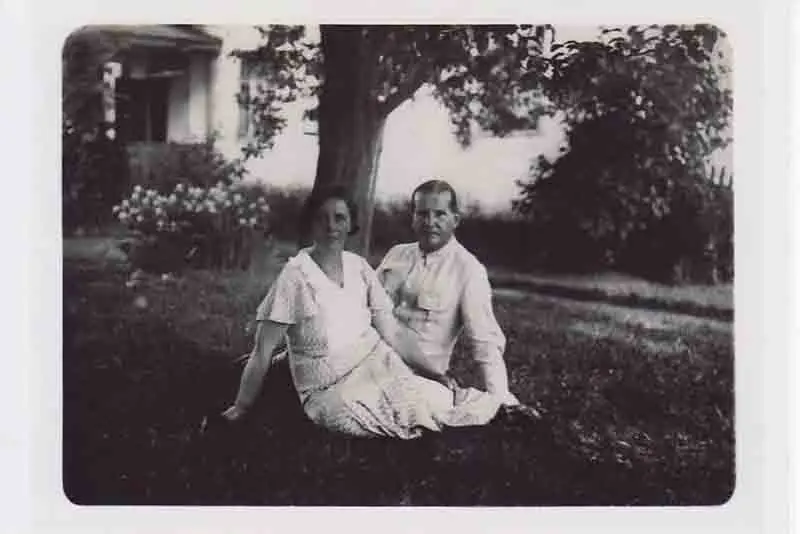
Smirnoff Family (Vladimir Peroviç Smirnov and his wife)
who run a vodka distillery in Istanbul for a short while before they went to Europe
But all of these people had two things in common: they had been on the side of Tsar and they did not have a penny in their pockets. Soon after, Istanbul streets were full of counts, countesses, barons, baronesses, generals, lieutenants…the White Russians of all ranks who have had to fight hunger and contagious diseases.
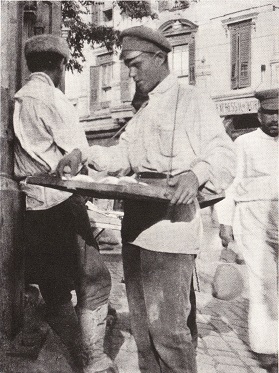
A White Russian in Istanbul streets
White Russians were extremely resilient and started to work in every job they could find. They became barmaids, waiters, waitresses, street vendors, drivers, cooks, singers, dancers in a far away city of the unknown. Writers of the time describe the story of White Russians from ‘riches to rags’. A story in which counts and countesses had to work as waiters and waitresses and generals had to work as drivers.
But the White Russians literally changed the face of the city and transformed Istanbulites. Historians say that White Russians changed the fashion, cuisine, life style and the sense of entertainment as well as the art scene of Istanbul.
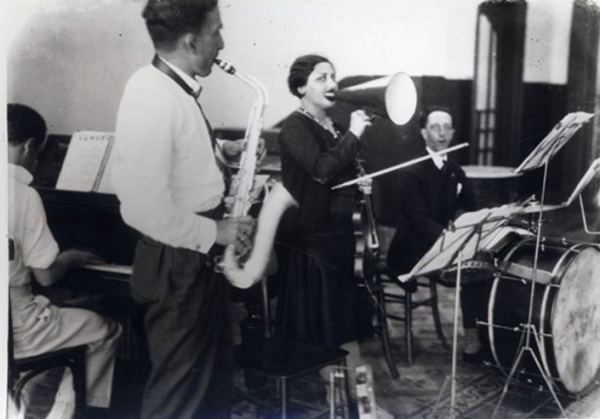
A White Russian Jazz Band in Istanbul
Istanbulites literally learnt to dance, enjoy jazz bands, flirt, dress up and swim from the White Russians through their interactions with them.
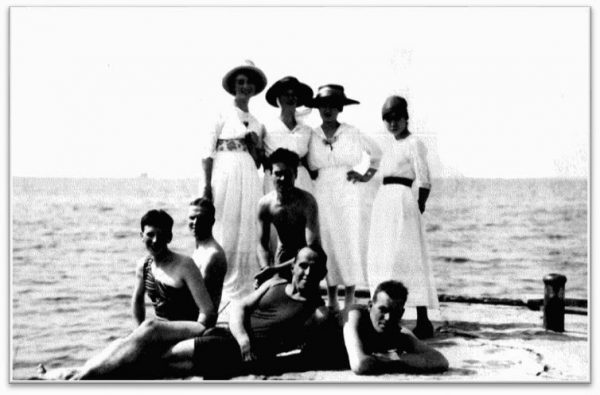
White Russians in Florya for a swim
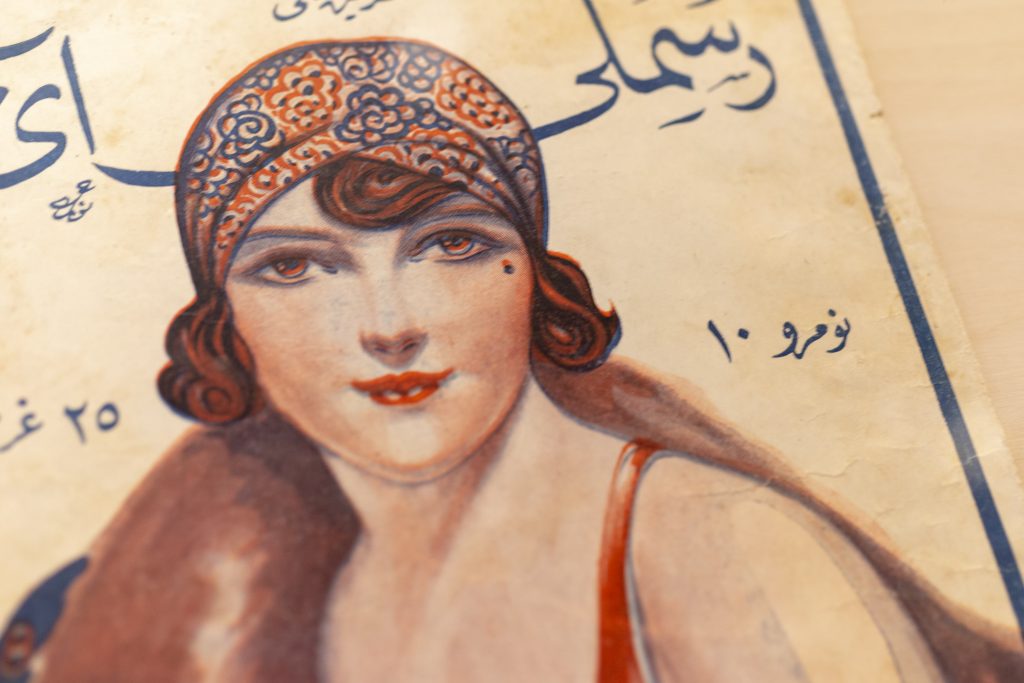
A scene showing an Ottoman Woman in Istanbul by the seaside from the Exhibition named ‘Istanbul Deniz Sefasi’ (Istanbul’s Seaside Leisure) at the Pera Museum which focuses on the White Russians’ Influence on seaside leisure and swimming in Istanbul
It was a time when Istanbulites dined at Russian restaurants; listened to Russian bands and danced to their rhythms; fell in love and had extra marital affairs with them; dressed the way they dressed and observing them swim (as most Muslim Turks did not have the habit of swimming) and aspired to do so; went to their operas, ballets and had their photos taken at the photography studios.
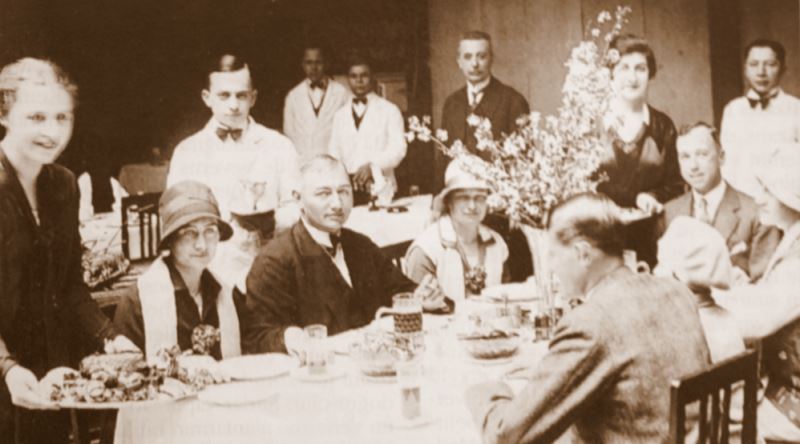
A photo taken at 1924 Istanbul Restaurant which was named Rejans in the 1920s
We owe the White Russians who came to find refuge in Istanbul a rich cultural heritage and a modernity which is still with us today.
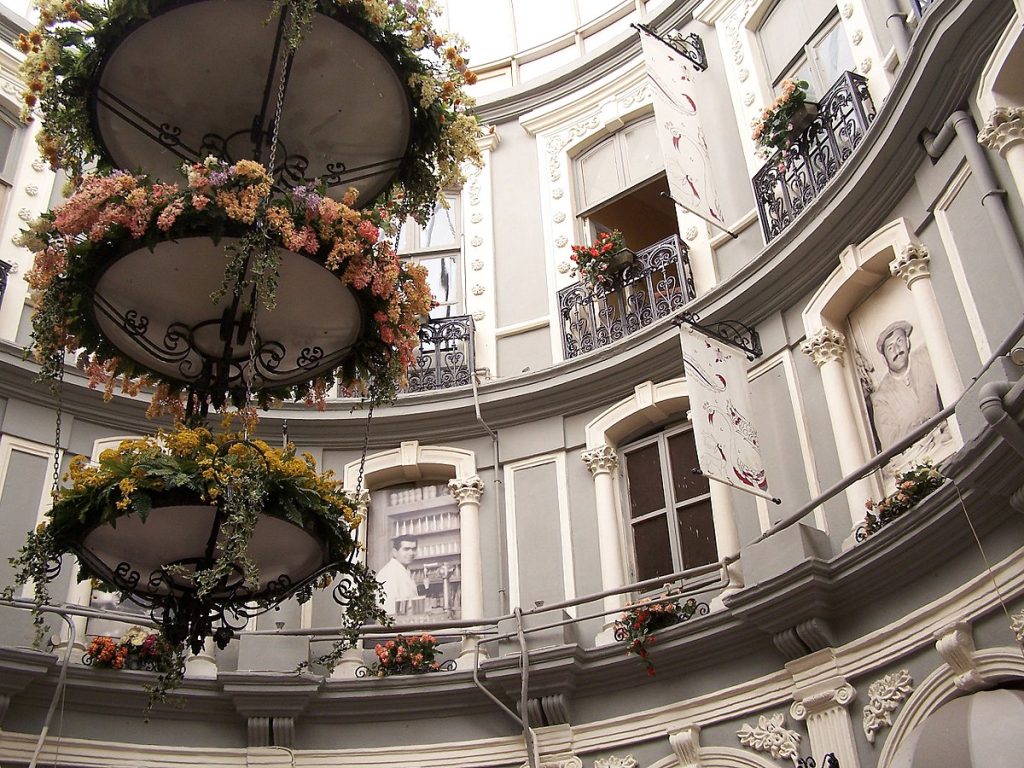
Flower Arcade in Beyoglu
We owe the name of ‘Cicek Pasaji’ (Flower Arcade) to the White Russians who used to sell flowers in the passage and there is still a White Russian restaurant in Beyoglu that keeps the tradition named ‘1924 Istanbul’. I suggest you visit it as it is one of the few restaurants that still keep its original decoration after a century. It was also a favourite restaurant of Ataturk. It even has a table reserved ‘forever’ for him.
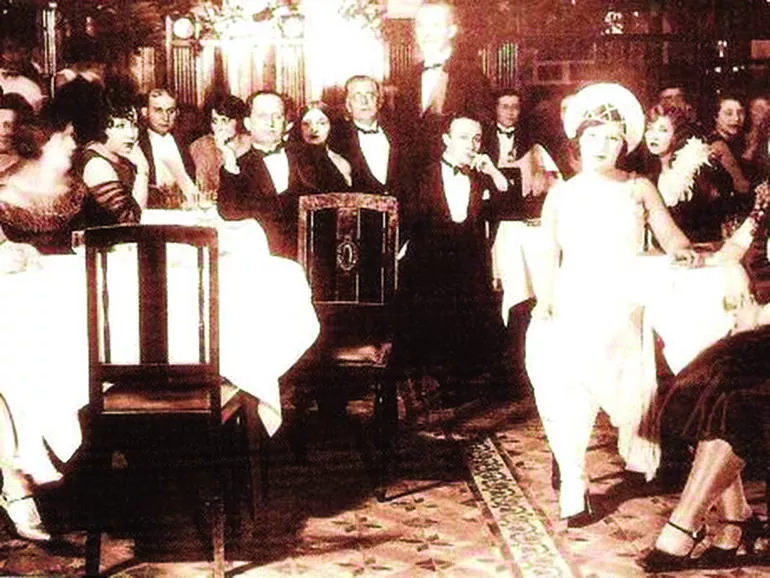
Another old photo taken at Rejans
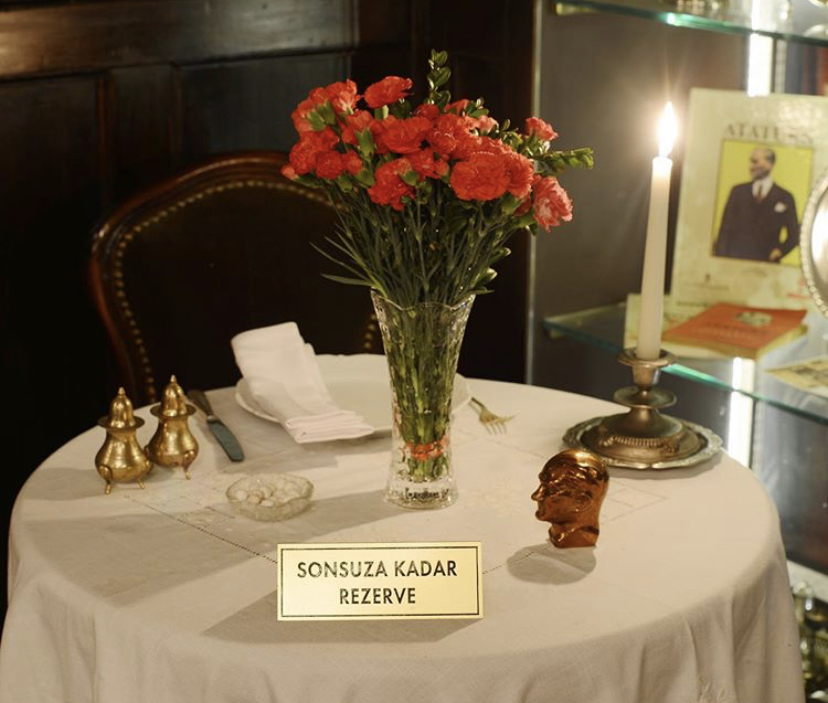
Ataturk’s table at 1924 Istanbul with a note saying ‘reserved forever’
Visit 1924 Istanbul at http://www.1924istanbul.com/tr/.
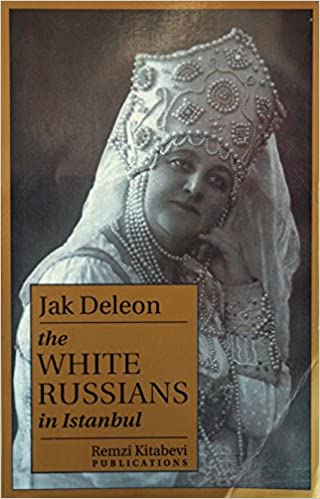
If you want to learn more about the White Russians in Istanbul, consider reading The White Russians by Jack Deleon who was also an heir to a White Russian family and was a professor at Bogazici University.
I want to end with a final note. I have recently learnt that the old Turkish song ‘Hatirla Sevgili’ (remember my love) loved by all Turks across the generations was originally a Russian song passed on by the White Russians to our culture and we have made it our own. Let’s lend an ear to this song for all those White Russians who found a home here in Istanbul.