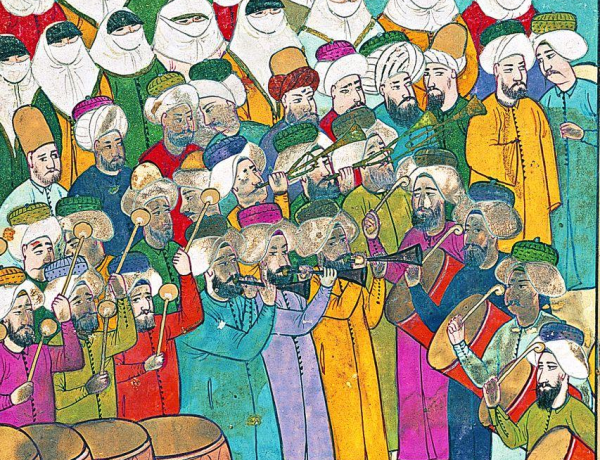

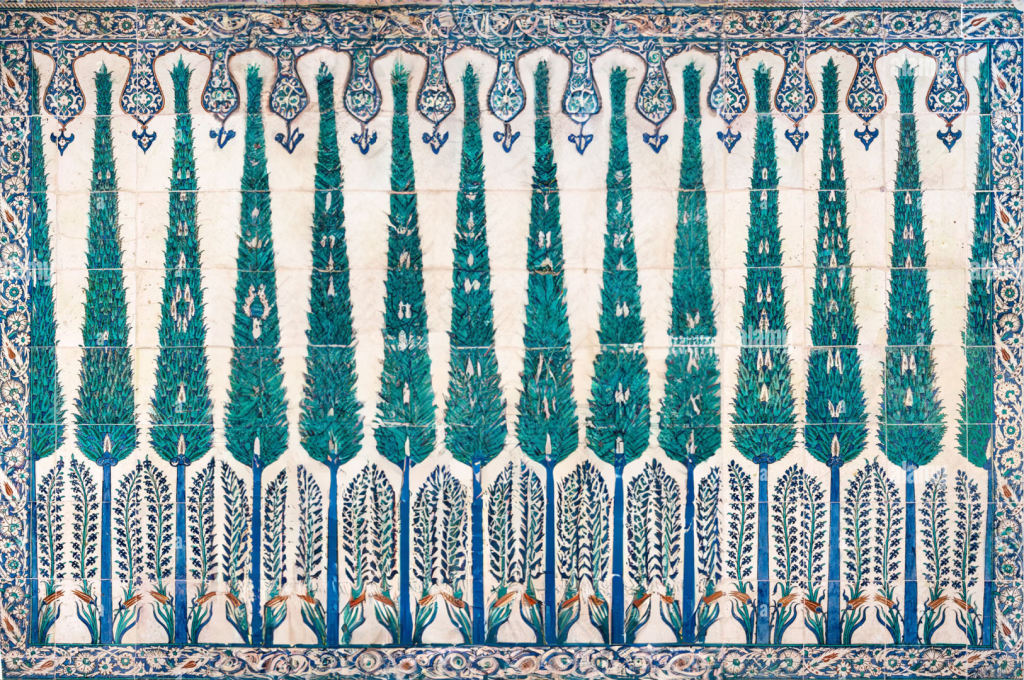
The cypress tree, known in Turkish as selvi, held a powerful place in the cultural and artistic imagination of the Ottomans. One of the most prominent associations of the cypress was with death and immortality. As an evergreen tree that remained upright throughout the seasons, the cypress came to embody the idea of eternal life and resurrection therefore it was commonly planted in cemeteries and carved onto gravestones, serving as a reminder of the believer’s journey from mortality to the afterlife. Its slender, unwavering form symbolized patience and steadfast acceptance of divine will in the face of death.
The cypress also carried a strong spiritual resonance. In Sufi mysticism, its tall, straight trunk was seen as a metaphor for the path of the soul pointing heavenward, an emblem of devotion and the soul’s journey toward God. Linked to the Qur’anic imagery of paradise gardens, the tree came to represent both eternal shade and the promise of divine reward.
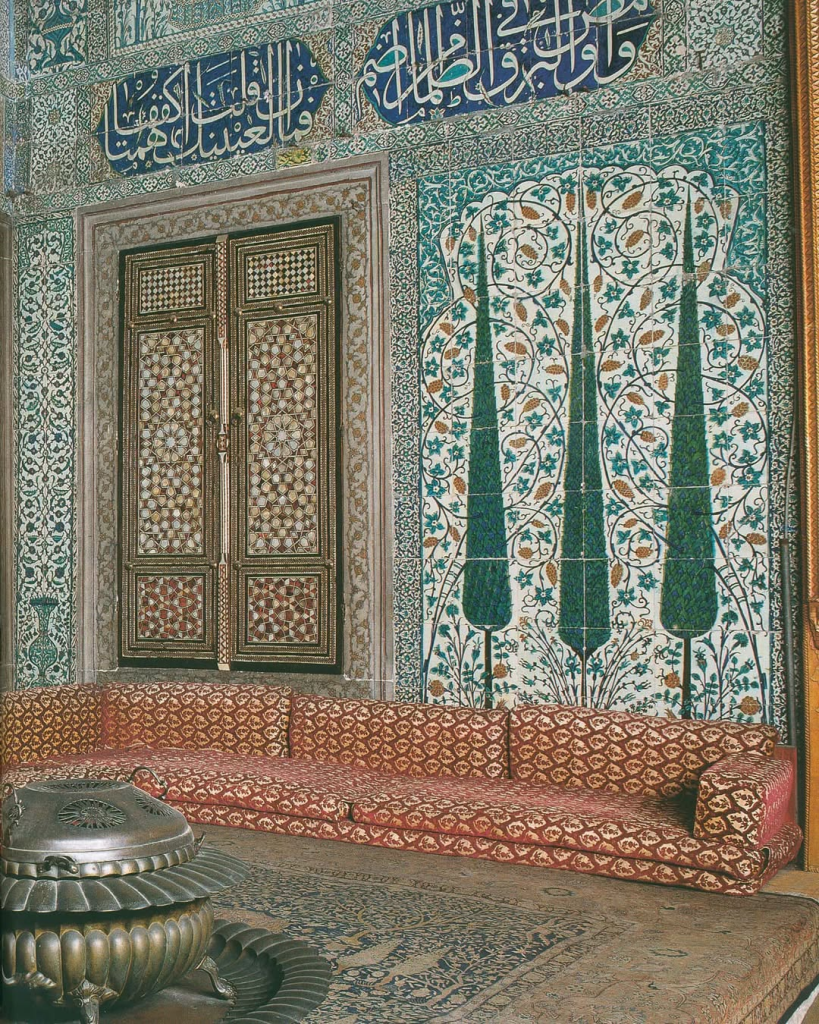
Wall panel of tiles with the Cypress motif on it, Topkapı Palace
Beyond funerary and spiritual contexts, the cypress was also a prominent decorative motif in Ottoman art. It appeared on Iznik ceramics, mosque tiles, woven carpets, and palace ornamentation, often stylized into elegant, abstract forms. In calligraphy, the selvi yazısı (cypress-shaped script) combined the tree’s form with sacred texts, uniting natural symbolism with divine word.
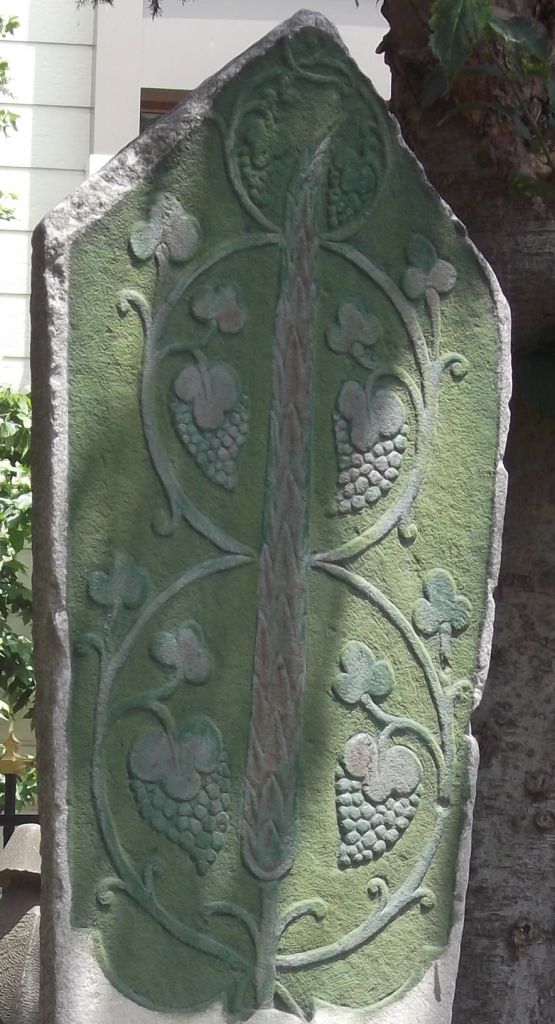
An Ottoman tombstone with a cypress tree motif on it
In essence, the cypress tree in the Ottoman Empire stood as a bridge between life and death, earth and paradise, sorrow and hope—a powerful reminder of mortality, yet also of the eternal life awaiting beyond it.
When you are in Istanbul, make sure to look for this motif in palaces, mosques and tombstones that reminds us of the immortality of the soul.