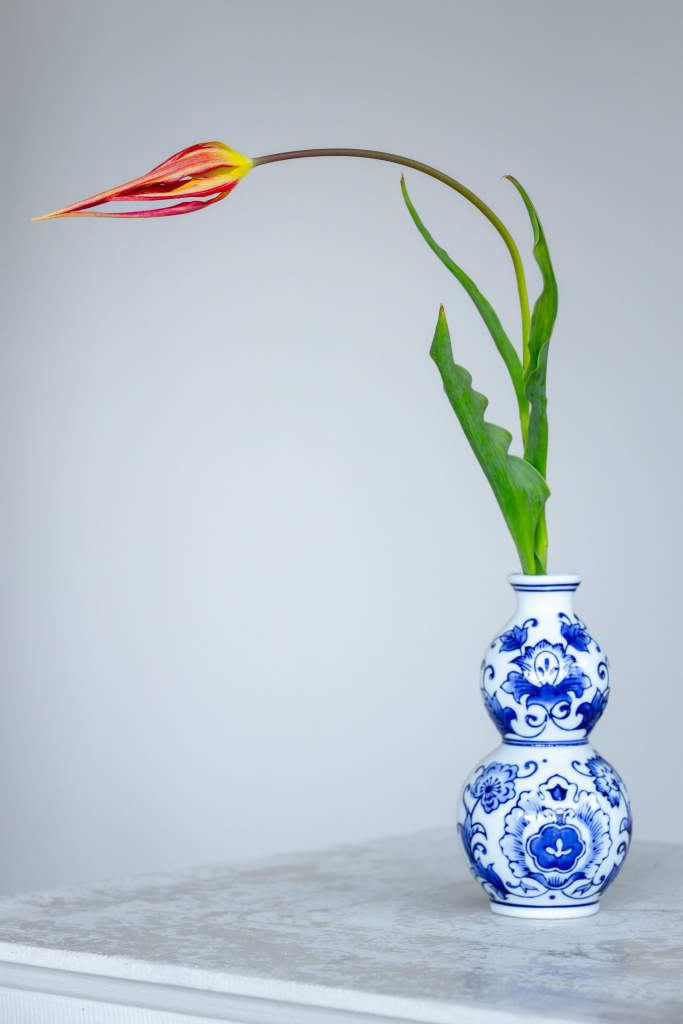


Among the many tulip varieties, the İstanbul Lalesi (Tulipa Acuminata) stands out for its unique form. Growing 40–50 cm tall, it features delicate, spear-shaped leaves and red almond-shaped flowers striped with yellow.
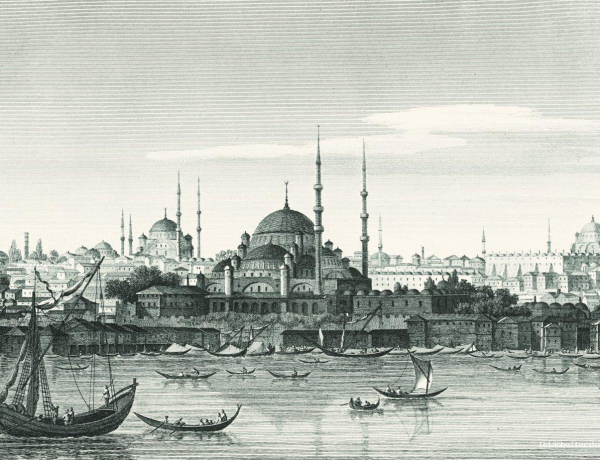
Tulips arrived in Anatolia with the Seljuks, who decorated mosques, palaces, and artworks with tulip motifs. The İstanbul Lalesi emerged in 16th-century Ottoman gardens, cultivated from wild tulips by Ebussuud Efendi, under Sultan Suleiman the Magnificent. It adorned the city for centuries, peaking between the late 16th and 18th centuries, before disappearing in the 19th century.
Tulips, originally cultivated in the Ottoman Empire and highly prized in Istanbul, were introduced to Europe in the 16th century through diplomats and travelers. The Flemish ambassador Ogier Ghiselin de Busbecq is credited with sending tulip bulbs from Istanbul to Vienna, from where they eventually reached the Netherlands. Dutch horticulturists then cultivated and bred them, leading to the flower’s immense popularity and the famous 17th-century “Tulip Mania.”

Centuries later, Dutch researchers revived the tulip. In 2020, Barth van Bolhuis, Dutch Consul General, gifted İstanbul tulip bulbs to Mayor Ekrem İmamoğlu, returning them to their homeland. In 2021, another 1,000 bulbs were planted in Emirgan Korusu, blooming in April 2022 to delight Istanbul residents.

Barth van Bolhuis, Dutch Consul General in front of the Dutch Embassy in Istanbul with the Istanbul tulips returning home
The İstanbul Lalesi is more than a flower—it is a living symbol of Istanbul’s cultural heritage, bridging centuries of botanical artistry and international friendship. It is a delight to see it reborn and back with us after more than a century!