


A sketch of Ali Ufki Bey made in the 17th Century so we can assume that it reflects him pretty realistically
A Polish child named Wojciech Bobowski from a Protestant family in the 17th century fell prisoner to the Ottomans which changed his fate. He was lucky enough to find his way to the Topkapı Palace in İstanbul as a young boy which was the heart of the Ottoman Empire.
His musical and linguistic talents made him the musician and translator in the Ottoman court but he was lucky enough to be released from the Palace in his later years to live as a free man. He converted to İslam and took the name Ali Ufki Bey.
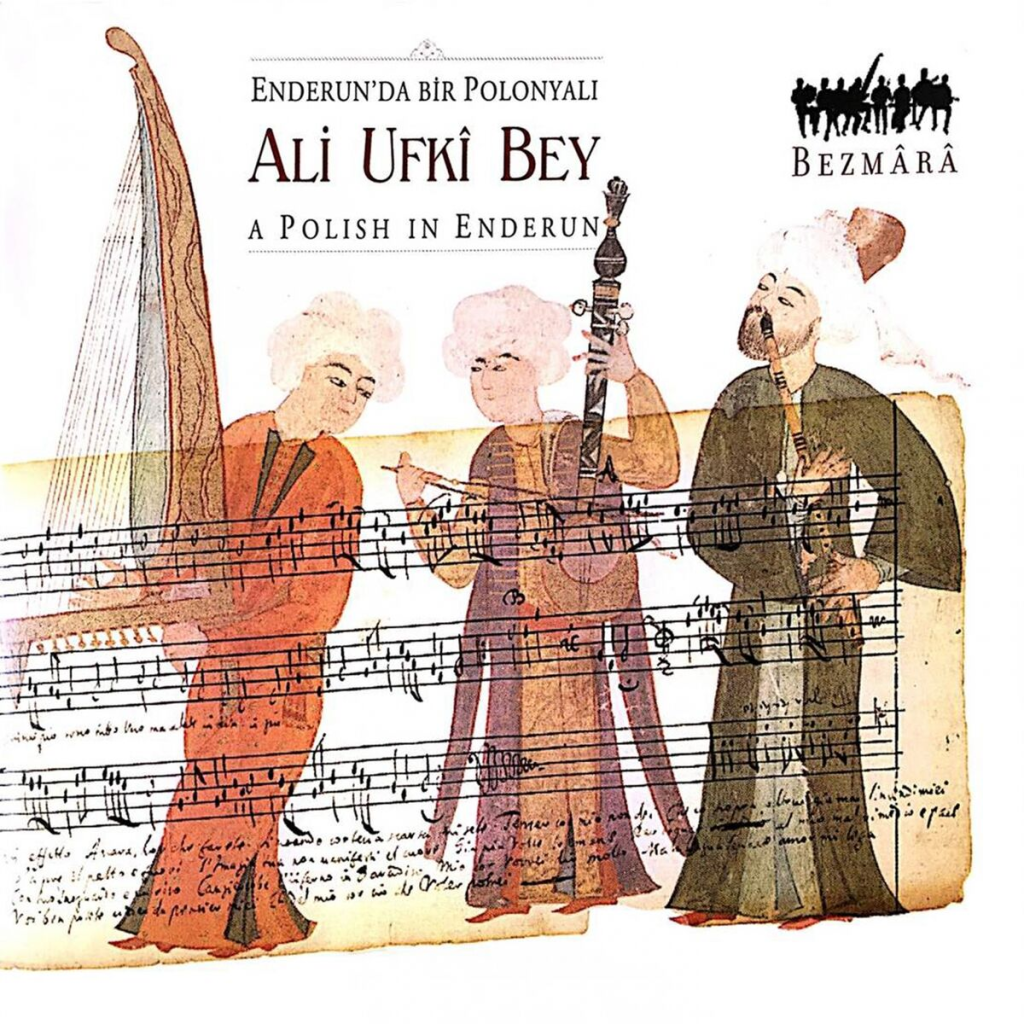
He has a short but quite humorous book about the daily life in the Ottoman court in the 17th century. What makes him special is that he is one of the earliest people to notate Turkish music and introduce the notation system to the Ottoman court musicians. He is seen as one of the most important composers of 17th century Ottoman music. He also composed a poem written by Sultan IV which remains till this day.
He is the first person to translate the Bible into Ottoman Turkish and to write the first grammar book of Ottoman Turkish.
Let’s lend an ear to this talented 17th Century musician from a Polish and Protestant background who found his way to the highest ranks of the Ottoman court! When one listens to this song, it is not possible to miss his influence on popular Turkish music.
You can listen to a contemporary interpretation of Ali Ufki Bey’s composition of the poem of Sultan Murad IV. The lyrics are about a call for the spiritual awakening of the soul!
And the poem recites:
‘Wake up, o my eyes, wake up from heedlessness
Wake up, o my very sleepy eyes, wake up
Know that the Angel of Death seeks your soul
Wake up, o my eyes, wake up from heedlessness
Wake up, o my very sleepy eyes, wake up
This world is transient, don’t ever be deceived
Don’t rely on the crown and throne in vanity
Don’t feel confident by saying “the seven climates are mine”
Wake up, o my eyes, wake up from heedlessness
Wake up, o my very sleepy eyes, wake up‘
One last word about this amazing 17th century musician. Ali Ufki Bey did not only compose from within Ottoman Music for the Muslims in the Ottoman world but he also composed the 14 Psalms from the Old Testament which shows his ties to his Christian roots.
Lend an ear to Psalm 9 composed by Ali Ufki Bey: