

When darkness covers all the world,
Hope finds no place to stay.
Yet for the patient heart,
The sun will rise again.Though evening falls once more,
Every night still has its dawn.When all things turn against you,
You may look — and spring has come.And joy, once thought
To never return,
Smiles at you again.’Gomidas Vartabed
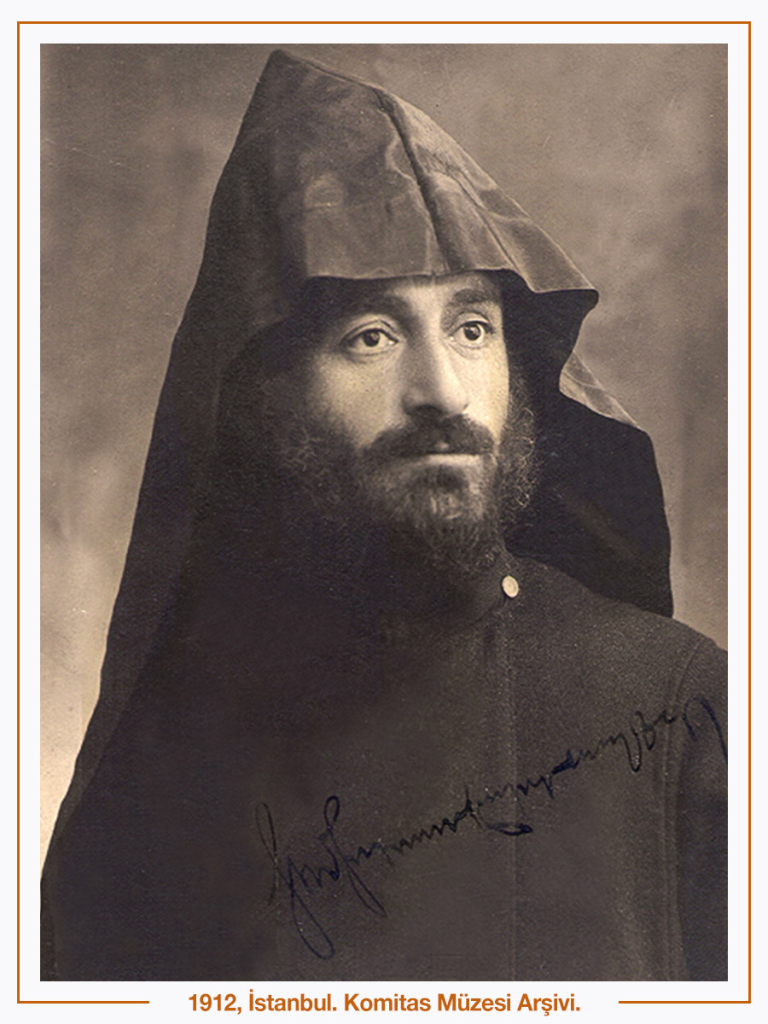
I ‘came across’ Gomidas Vartabed on a walking tour in Fatih where we visited the Armenian Patriarchate. Our guide mentioned a play about the life of this Armenian priest and musician. The play took me by storm when I watched it and made me aware of one of the darkest hours of our history. Gomidas Vartabed was not only a priest but also a musicologist, composer, arranger, singer and choirmaster. He is recognised as the founder of the Armenian National School of music as well as one of the forefathers of ethnomusiciology.
Although he was orphaned at a very young age, he had the chance of being educated in Etchmiadzin and Berlin. He later used his western training to build a national musical tradition.

Armenian Patriarchate in Fatih, İstanbul
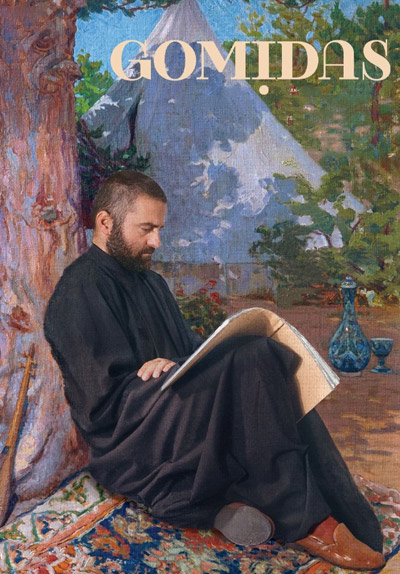
The poster of the play Gomidas
He collected and transcribed over 4,000 pieces of Armenian folk music along with Turkish and Kurdish music. Around 1,200 have remained till this day. His choir presented Armenian music to many cities in Europe, earning the praise of renowned musicians like Debussy.

Gomidas settled in İstanbul in 1910 to escape the ultra-conservative clergymen at Etchmiadzin and to introduce Armenian folk music to a wider audience. He was embraced by the Armenian community and was named the “saviour of Armenian music”. His tragic fate struck him in İstanbul where he was arrested along with hundreds of Armenian Intellectuals to be deported to a prison camp in April, 1915 by the Ottoman Government. He was one of the few intellectuals who were released due to pressures from Ottoman intellectuals like Halide Edip Adıvar.
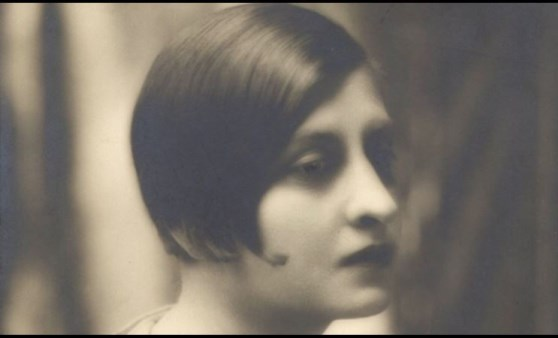
Turkish female writer Halide Edip Adıvar
But the great master fell into a mental breakdown and never recovered. We know that he neither spoke nor made music in the remaining years of his life first in İstanbul and then in Paris where he finally passed away in 1935. Collection of his Works is included in the UNESCO Memory of the World Register.
I feel that the ghost of Gomidas is still with us reminding us of this great master’s true genius as well as one of the darkest hours of our history! Let’s lend an ear to a song which we owe to the great master.

Great master’s sculpture in the garden of the Armenian Patriarchate in Fatih
A wonderful book on Gomidas was written by two brilliant female academics named Melissa Bilal and Burcu Yıldız.

Here, you can have a glimpse at the play dedicated to the great master! Let him rest in peace.
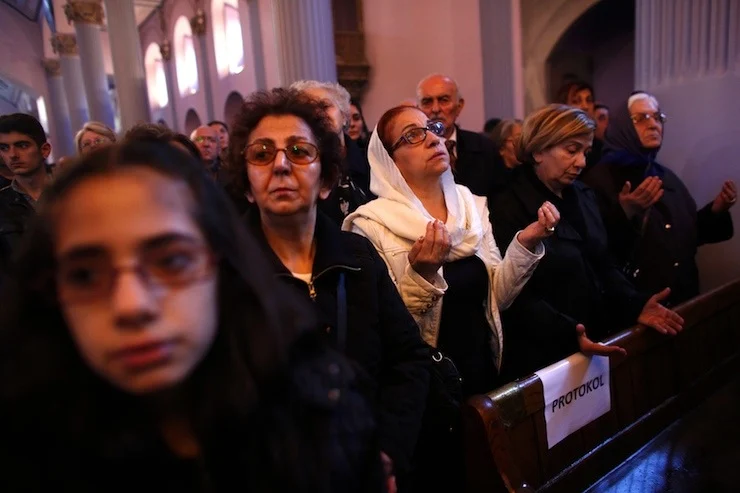
A photo from the Remembrance Day in the Armenian Patriarchate in İstanbul on the 24th of April, 2015 which was the 100th anniversary of the darkest hour of our history. It was the day Gomidos was arrested along with hundreds of Ottoman Armenian intellectuals most of whom have never had a chance to return.


