
An apartment in Şişli —
else your fate is rather grim.
Nickel gleams on cubic chairs,
oil paintings breathe upon the walls.Two motorcars at your command —
one open to the wind, one veiled in steel.
A cook in the kitchen,
a butler at the door,
servants drifting through the rooms.‘From the Operetta ‘Lüküs Hayat’
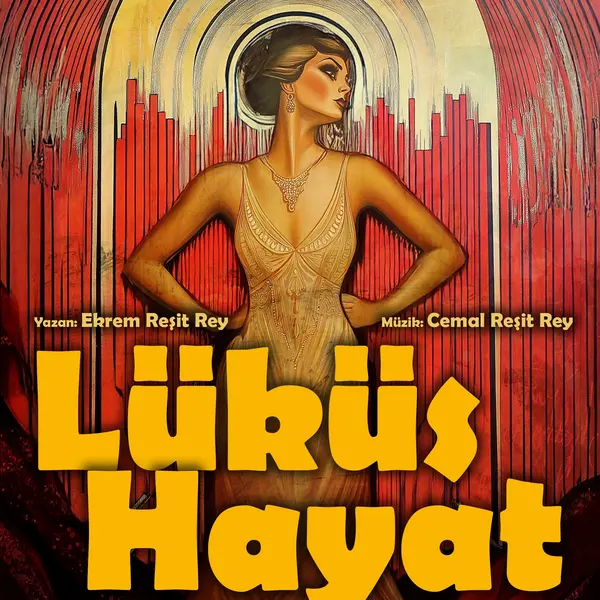
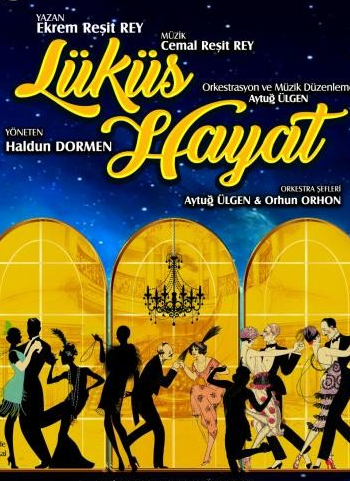
In early Republican Istanbul, modernization did not arrive only in parliament speeches or urban plans. It sang, flirted, and laughed on stage. One of its clearest voices was Lüküs Hayat.
Premiering in 1933, with music by Cemal Reşit Rey and lyrics by Ekrem Reşit Rey, Lüküs Hayat was more than an operetta. It was a mirror held up to a city trying on a new identity, sometimes elegantly, sometimes awkwardly.
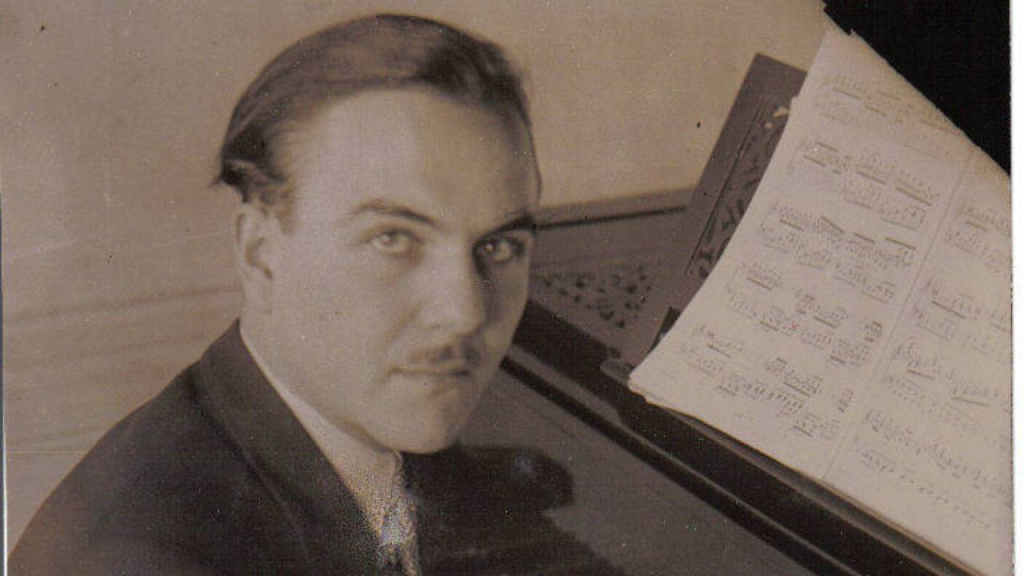
Cemal Reşit Rey (1904-1985)
At its heart, Lüküs Hayat tells the story of ordinary people who accidentally find themselves in high society. The humor emerges from imitation: Western manners rehearsed too carefully, French words mispronounced with ambition, ballroom gestures slightly out of rhythm.
But beneath the laughter lies something tender and distinctly Istanbulite.
The operetta captures the psychological shift of a society moving from Ottoman cosmopolitanism into Republican modernity. “Luxury life” (lüküs hayat) was not merely about wealth; it was about posture, tone, furniture, and transportation. It was about learning how to inhabit modern space.
If Ottoman Istanbul was defined by wooden houses and courtyard intimacy, the new Istanbul was rising in districts like Şişli.
Apartments in Şişli symbolized vertical living, privacy, and a certain European alignment. They were not just architectural units, they were psychological containers of modern subjectivity. Living in an apartment meant individual rooms instead of communal halls, doorbells instead of courtyard calls, elevators instead of garden paths, neighbors separated by walls, not kinship.
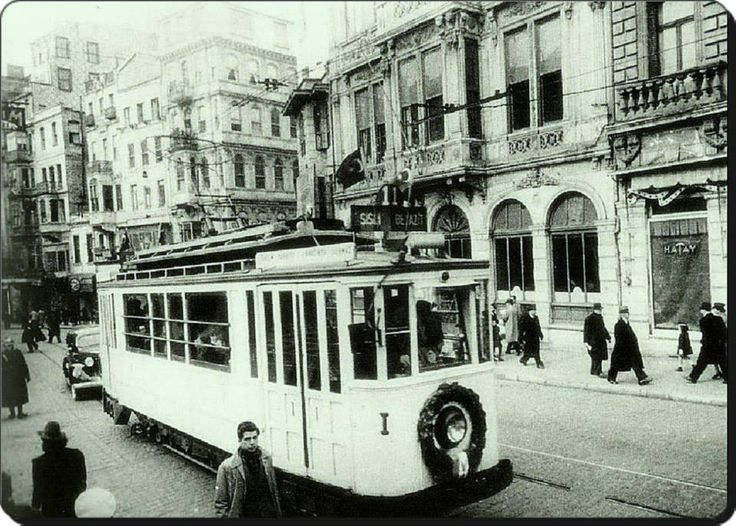
1930s Şişli which was a symbol of modernization
In Lüküs Hayat, the dream of “luxury” often includes precisely this: moving into the right building, in the right district, with the right façade. The apartment becomes a stage set where one can perform modernity.
And then there were automobiles.
The car in early Republican Istanbul was more than transportation, it was velocity, independence, spectacle. It meant no longer belonging solely to a neighborhood but to a moving city. Cars signaled participation in a Westernized rhythm of life.
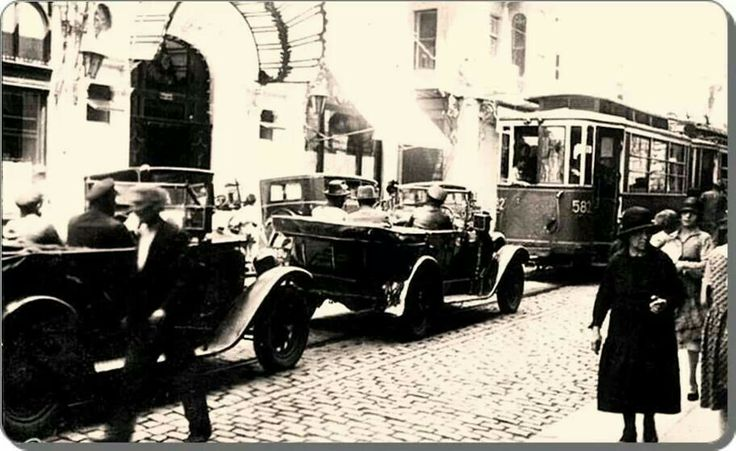
Cars in 1930s Istanbul
In Lüküs Hayat, references to cars carry this same symbolic charge. They mark entry into a new class and a new tempo. The city was accelerating and not everyone could keep up.
Cabaret, Irony, and Self-Observation
The operetta’s cabaret style matters. Cabaret, by nature, is urban, ironic, and self-aware. It allows a society to laugh at itself while simultaneously desiring what it mocks.
This dual movement — critique and aspiration — is precisely what made Lüküs Hayat powerful. It did not reject modernization; it teased it. It exposed imitation without condemning the dream.
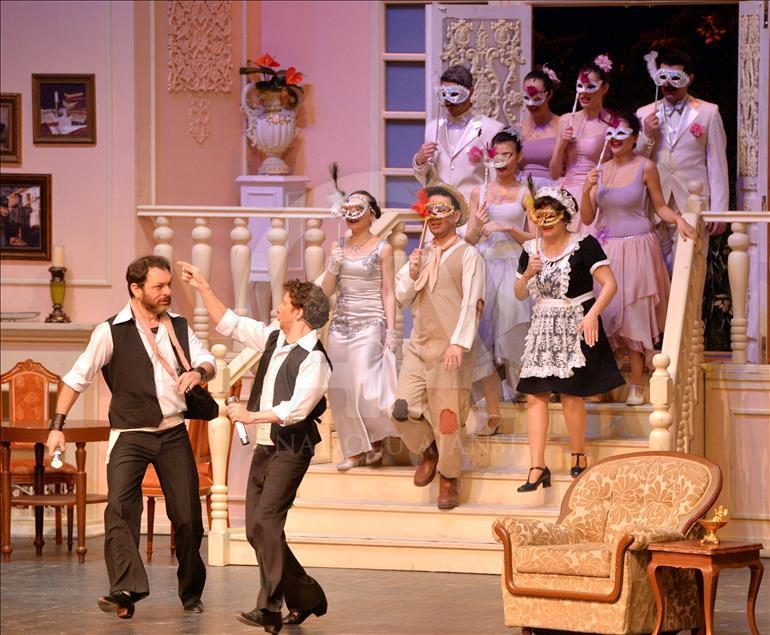
In this sense, Istanbul was both performer and audience.
A City Between East and West — Again
Istanbul had long been a bridge city, but in the 1930s that metaphor gained new urgency. The Republic sought secularization, Western dress codes, new alphabets, new music. Yet the city retained memory, accent, and improvisation.
Lüküs Hayat occupies that threshold. It does not feel like propaganda. It feels like negotiation.
The operetta suggests that modernization is not simply adoption; it is translation. And translation always carries humor.
Nearly a century later, Istanbul continues to wrestle with versions of “lüküs hayat.” Gated residences have replaced early Şişli apartments; luxury cars crowd the Bosphorus bridges. The performance of status persists, only the props have changed.
But the deeper question remains the same:
What does it mean to inhabit modernity without losing oneself in imitation?
Perhaps this is why Lüküs Hayat endures. It understands that modernization is not only economic or political. It is emotional. It touches shame, ambition, envy, desire, and the fear of being left behind.
In that sense, the operetta is not simply about 1930s Istanbul.
It is about every moment when a city looks into the mirror and asks: Am I modern yet?
Note: The videos are embedded via YouTube. All rights belong to the respective rights holders.