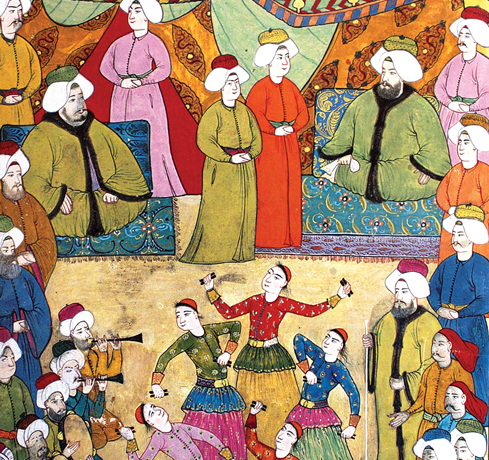

The painting tradition in Turkey cannot be compared to that of the West. Painting has been an integral part of Western civilization throughout its history — from the rise of Christianity to modern times. Unlike in the West, painting in Turkey is a relatively contemporary phenomenon, largely due to the influence of Islam, which forbids the depiction of the human form and anything associated with the divine.
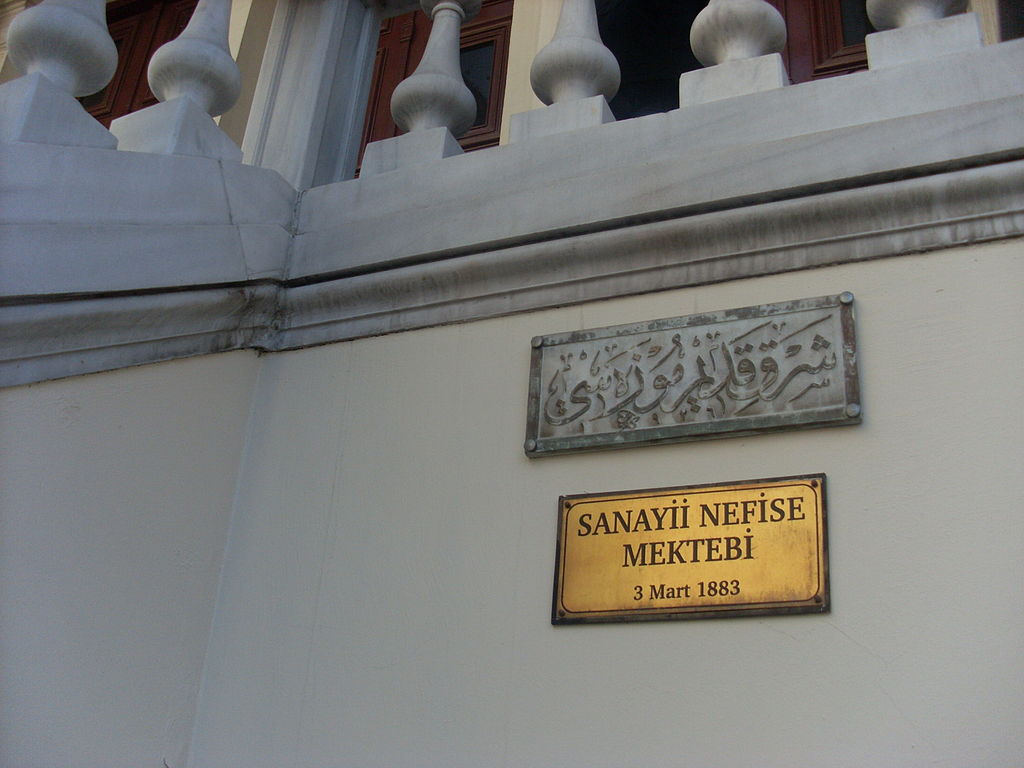
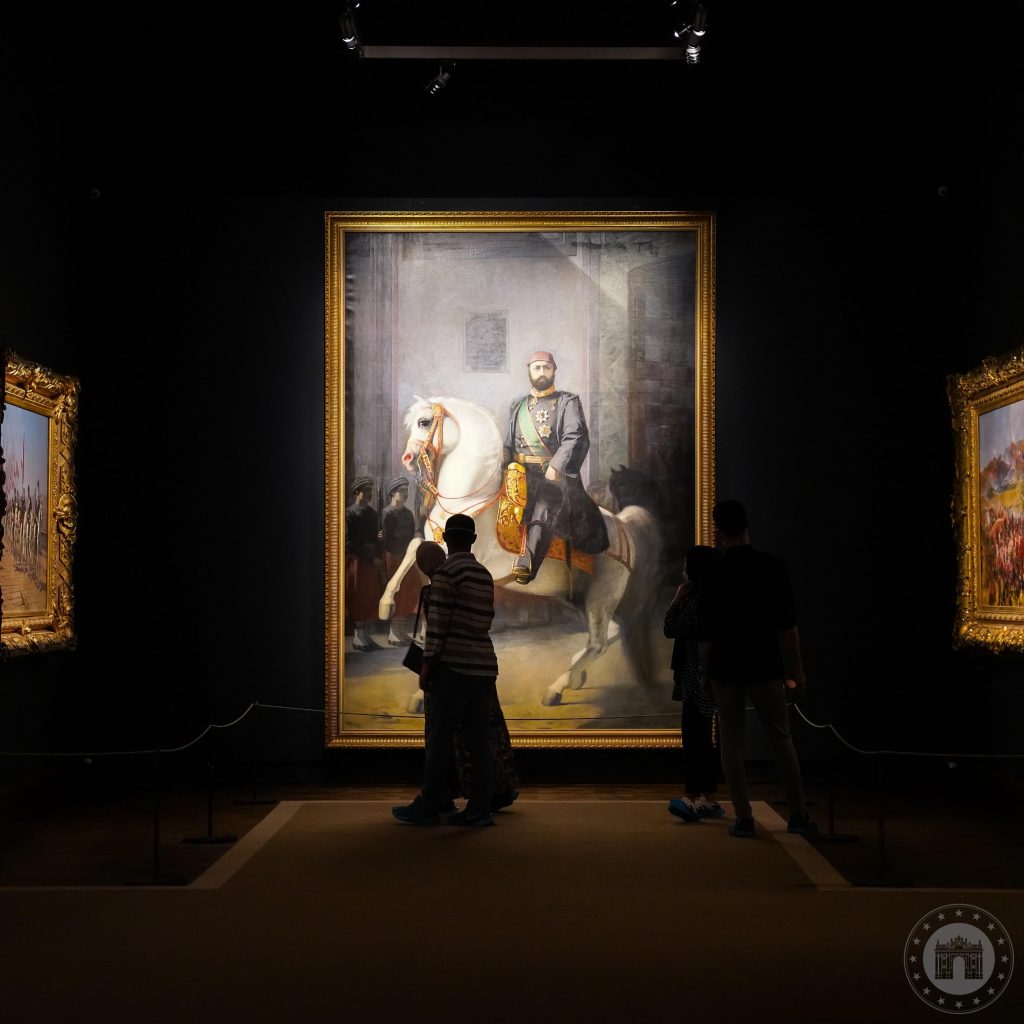
This situation began to change gradually in the 1850s with the modernization efforts of the Ottoman Empire and more radically after the establishment of the modern Turkish Republic, which was founded on the principle of secularism. After the 1850s, progressive Ottoman sultans had their portraits painted. The first art school was opened in 1883, and members of the Empire’s elite began sending their sons to the West for art education in the early 20th century. Even members of the Ottoman royal family, such as the last Caliph Abdülmecid, developed an interest in painting.
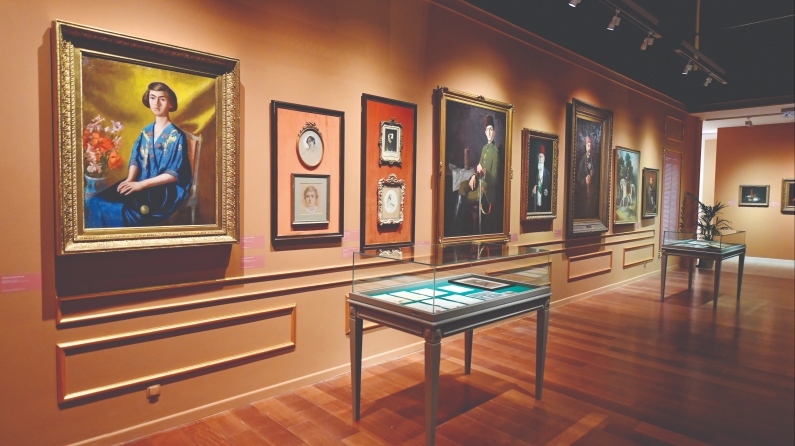
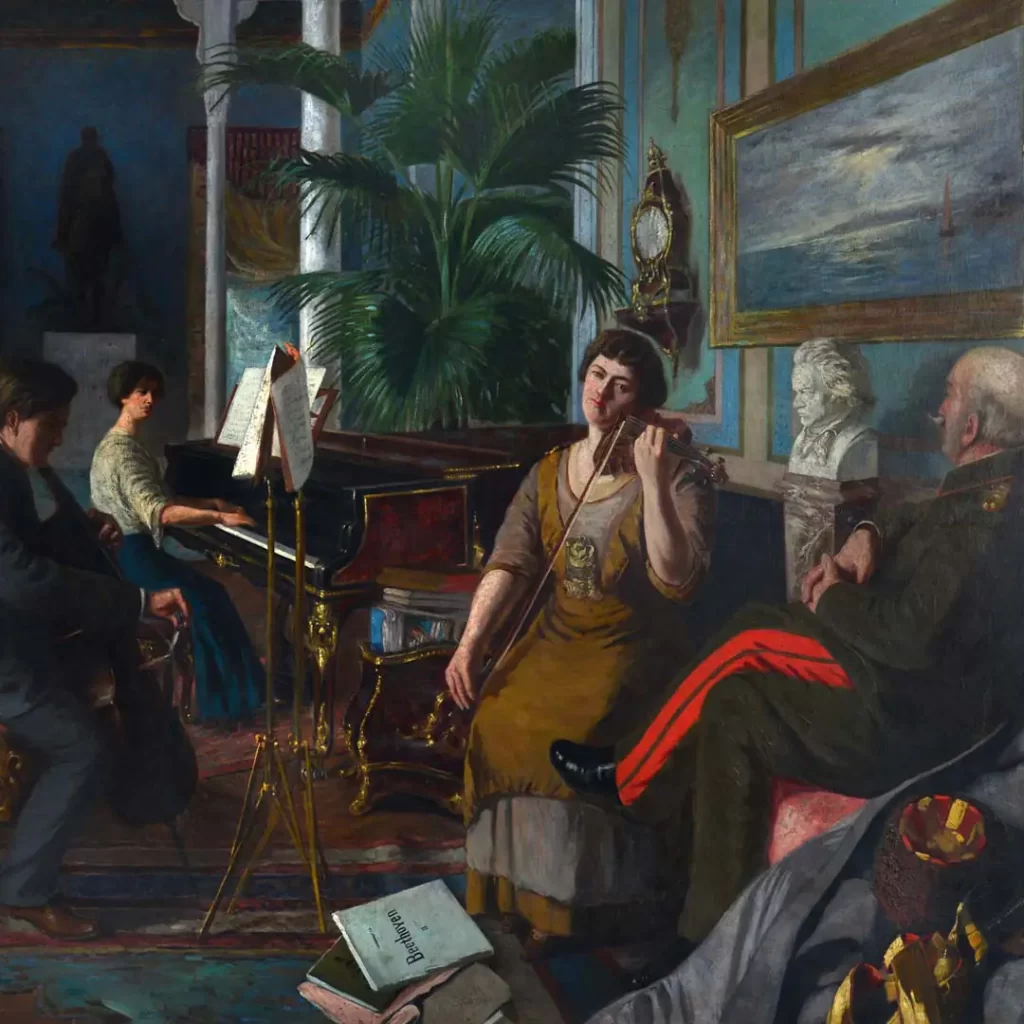
There is a remarkable museum in Beşiktaş dedicated to Ottoman palace paintings. These works hold not only artistic but also profound historical value. They reflect the world of the late Ottoman Empire — a period marked by both grandeur and decline. Most of the painters were high-ranking elites, members of the royal family, or military artists. Some were foreign painters invited to the Ottoman court by the royal household. The museum houses around 600 paintings, primarily from the 19th and early 20th centuries, with a few rare examples dating back to earlier periods.
The building itself is part of Dolmabahçe Palace, the last great residence of the Ottoman sultans. It was once used exclusively by royal princes who lived in seclusion from the outside world. Over time, it became home to several princes, from Sultan Abdülaziz and Sultan Murad V to Sultan Abdülhamid II and the last Caliph Abdülmecid.
Today, the building has been beautifully restored to its former splendor and is now open to the public, offering visitors a glimpse into the artistic and cultural legacy of the Ottoman Empire.
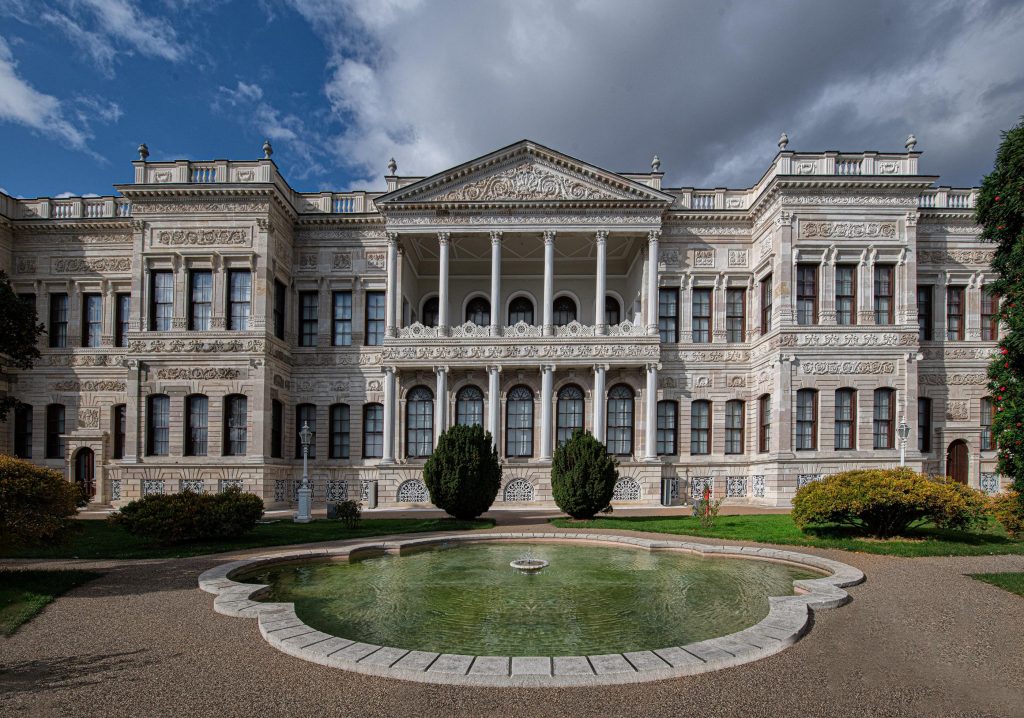
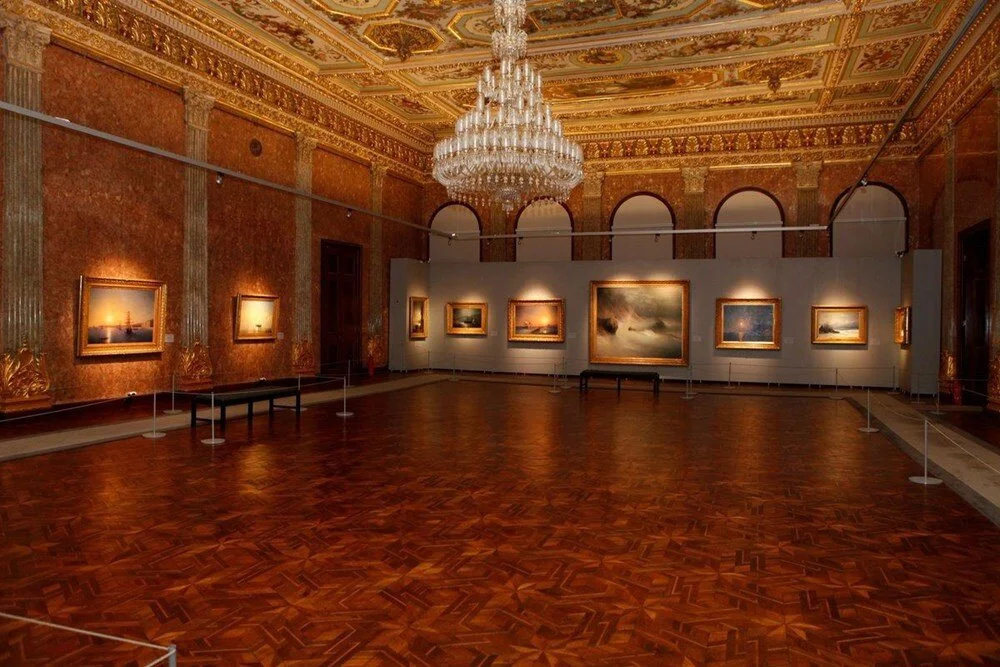
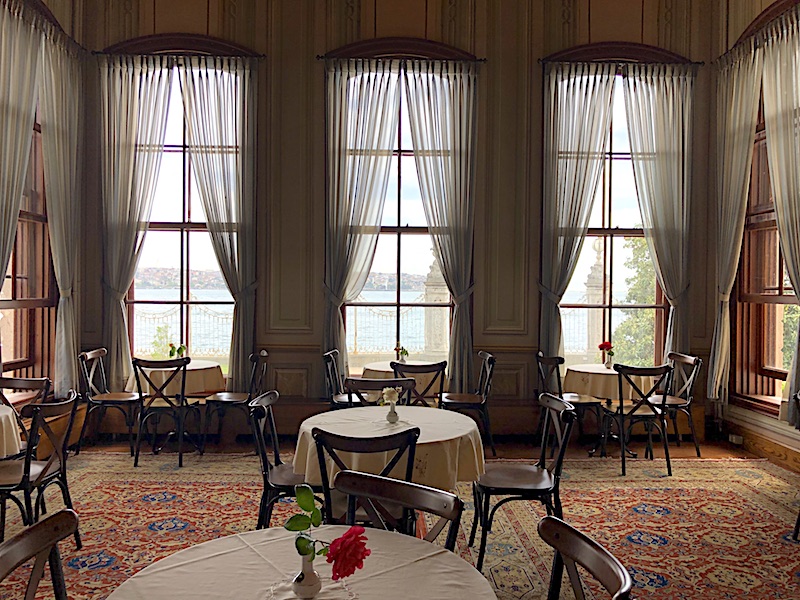
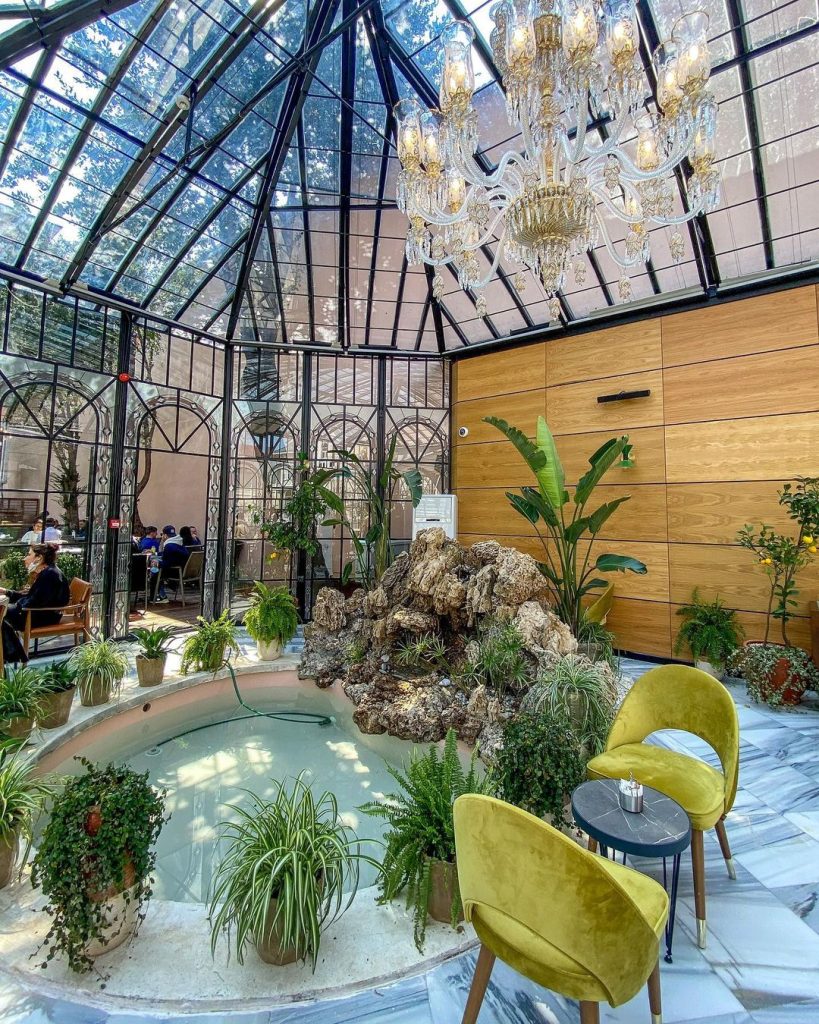
The museum is located along the Bosphorus coastline, offering a magnificent view that can be enjoyed from its charming café. It also features a beautiful winter garden café, a true delight to visit. After spending the day admiring the paintings — silent witnesses to a bygone era — visitors can relax in the serene atmosphere of the winter garden, overlooking the museum itself.
For further info, visit the website at https://www.millisaraylar.gov.tr/Lokasyon/11/Painting-Museum.