
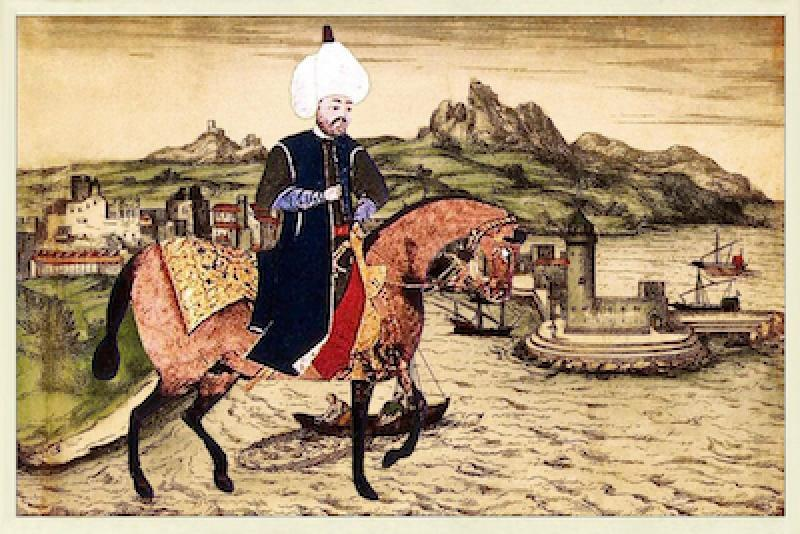
Evliya Çelebi was a 17th-century Ottoman traveler, writer, and storyteller, one of the most remarkable observers of the early modern world.
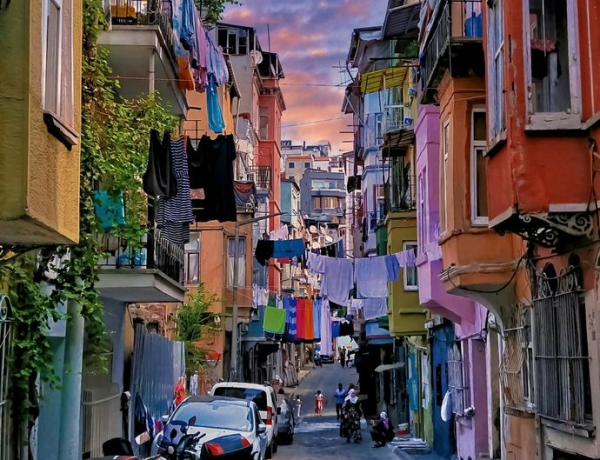
Istanbul was not merely a city for Evliya Çelebi; it was the axis of the world, the beginning and the end of all journeys. Born in Istanbul in 1611, Evliya grew up in the shadow of mosques, markets, and imperial processions, absorbing the city’s rhythms long before he ever set foot beyond its walls. His Seyahatnâme, one of the greatest travel books ever written, carries the unmistakable imprint of this early intimacy: wherever he travels, Istanbul remains the silent measure against which all other cities are weighed.
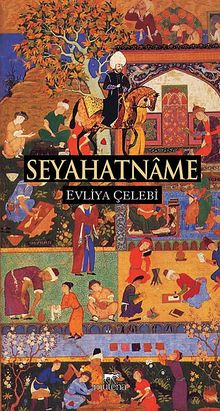
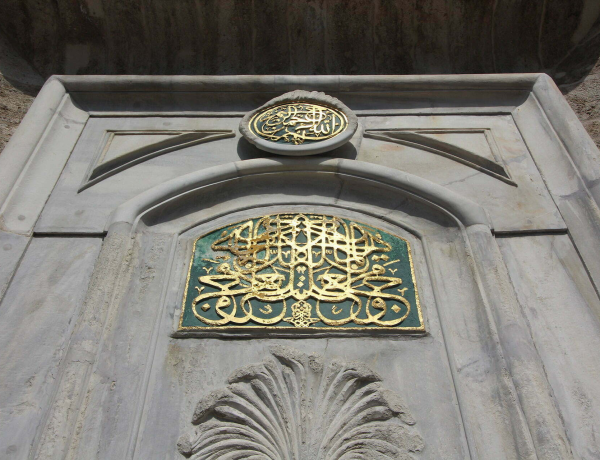
In Evliya Çelebi’s Istanbul, reality and imagination walk hand in hand. He describes neighborhoods, guilds, fountains, tekkes, palaces, and street sounds with astonishing precision, yet he never resists embellishment. Exaggeration is not a flaw in his work but a worldview: the city is so vast, so layered, so alive that it can only be told through abundance. Istanbul overflows with languages, faiths, smells, music, and human types and Evliya’s prose mirrors this excess.
What makes his portrait of Istanbul enduring is not only what he sees, but how he listens. He records jokes, rumors, prayers, curses, accents, and local legends, granting dignity to ordinary lives as much as to sultans and saints. His city is cosmopolitan without anxiety, sacred without rigidity, playful without cynicism. It is a place where the marvelous feels natural and the everyday is already theatrical.
Lend an ear to prominent Turkish historian Cemal Kafadar on this legendary storyteller of the 17th century!