
As February settles gently over Istanbul and St. Valentine’s Day approaches, love once again becomes a subject of public display. Few works portray love with the depth and austerity of Metin Erksan’s 1965 masterpiece, Sevmek Zamanı (Time to Love).
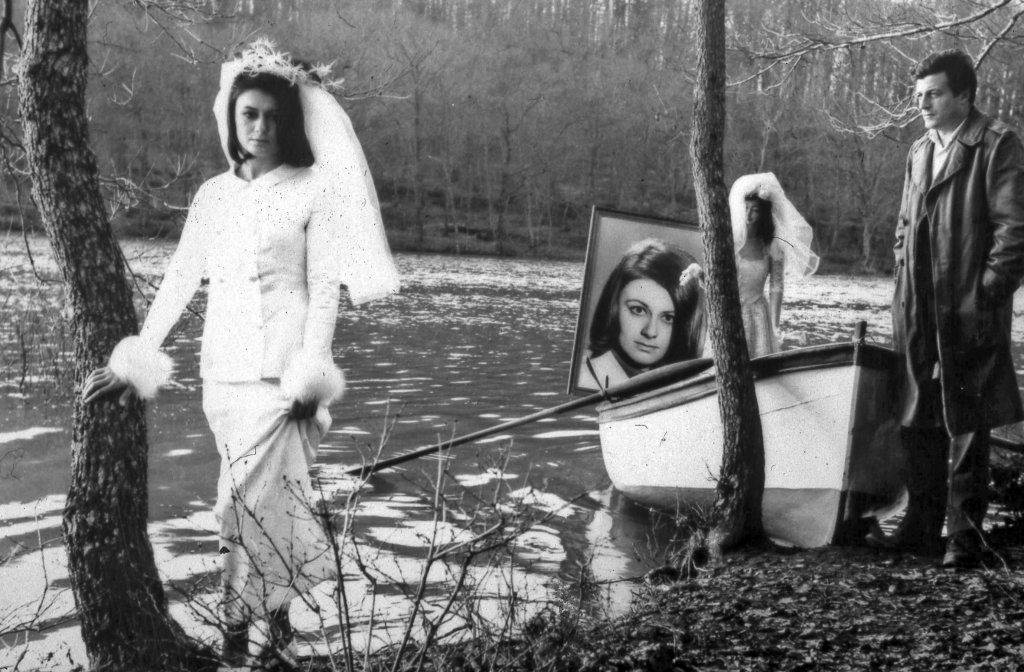
Set largely on Büyükada, the film tells the story of Halil, a poor house painter who falls in love not with a woman herself, but with her photograph. The image, fixed and untouched by time, becomes for him the purest object of devotion. When Meral—the woman in the photograph—enters his life, Halil resists her presence. Reality threatens to fracture the perfection of the image he loves.
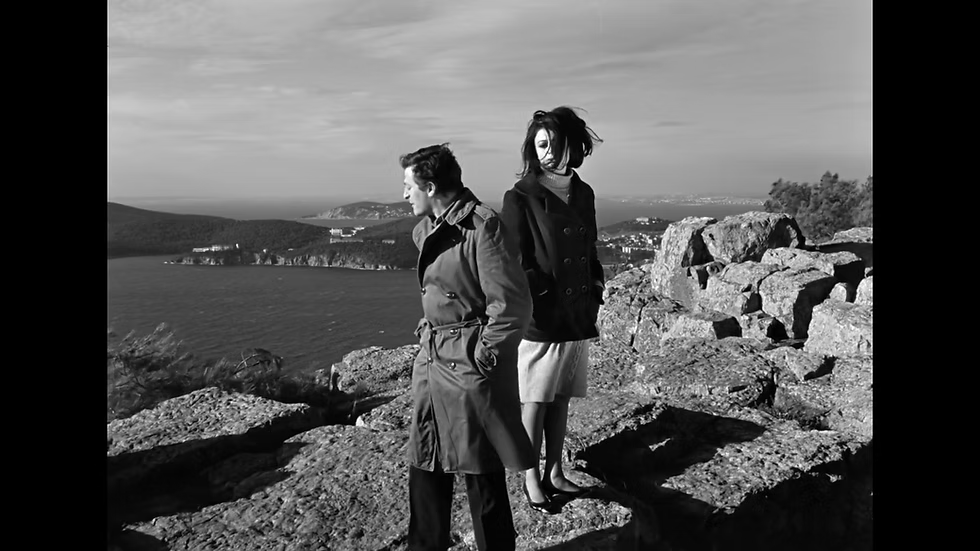
This is not a love story in the conventional Valentine’s sense. It is, rather, a meditation on idealization, on the human desire to preserve love from disappointment, change, and loss. Halil’s insistence on loving the image rather than the person echoes a deeper fear: that intimacy, once lived, inevitably erodes the dream.
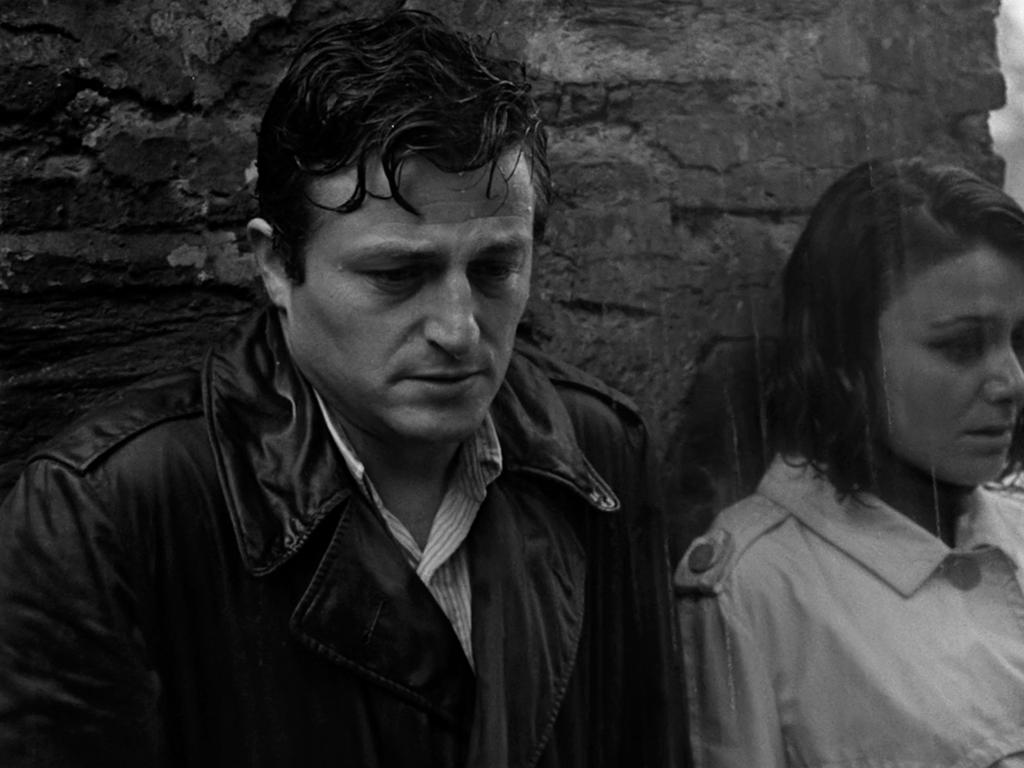
In this way, Sevmek Zamanı belongs profoundly to Istanbul. The city itself is often loved as an image, misty skylines, ferry silhouettes, memories of a past that feels more beautiful than the present. Like Halil’s beloved photograph, Istanbul is frequently adored at a distance, frozen in nostalgia. The island setting reinforces this sensibility: secluded, suspended, resisting the tempo of modern life.
As Valentine’s Day invites us to celebrate love loudly and publicly, Sevmek Zamanı offers a counterpoint, an inward, almost ascetic vision of eros. It asks whether love is an encounter with another human being, or a mirror in which we protect our own longing. Is love an act of courage, or an attempt to keep desire safely untouched?
Perhaps this is why the film still feels radical. In an age of instant gratification and curated images, Halil’s devotion to a single photograph feels strangely contemporary. We too fall in love with projections, with carefully framed versions of one another and sometimes with the idea of love itself.