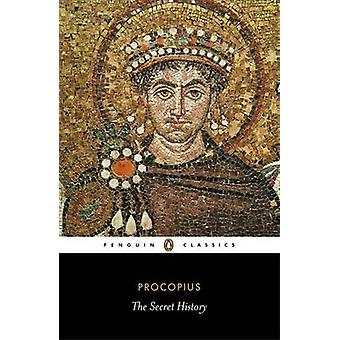

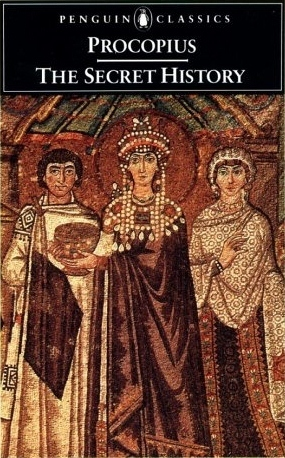
When we think of Byzantine rulers, the name Justinian I often evokes grand visions: majestic churches, military victories, and sweeping legal reforms. But behind the gilded facade lurks a far darker story, one told by the empire’s own historian, Procopius, in his infamous Secret History. According to him, Justinian and his wife, Theodora, were a scandalous, power-hungry duo, whose public piety masked a shocking appetite for cruelty, manipulation, and intrigue.
On paper, Justinian was the ideal emperor: devout, wise, and determined to restore the glory of Rome. Theodora, by all official accounts, was the virtuous empress, standing beside her husband as a model of regal dignity. Yet, Procopius paints a starkly different picture. In his secret writings, he declares that the couple were “neither pious nor royal.” Behind the pomp and ceremony, they were anything but moral or noble.
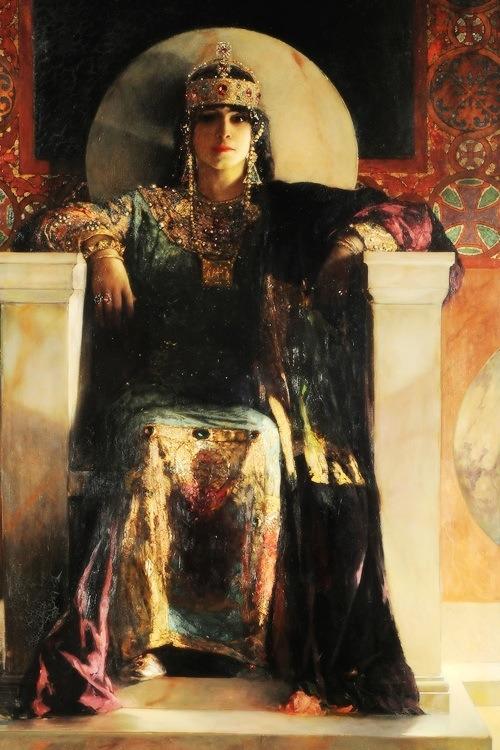
Painting depicting Empress Theodora by Jean-Joseph Benjamin-Constant
Theodora’s rise to power is legendary. Born into a modest family, possibly working as an actress—a profession considered scandalous in Byzantium—she used her intelligence, charm, and ambition to ascend to the imperial throne. Procopius describes her as manipulative and vindictive, often scheming against political opponents, rewarding loyalists lavishly, and punishing enemies mercilessly. The empress’ ambition was matched only by her cruelty, as she allegedly plotted assassinations and forced rivals into exile or worse.
Procopius portrays Justinian as petty, paranoid, and indulgent. Far from the wise and godly ruler celebrated in official accounts, he was fixated on consolidating power, enriching himself, and punishing those who dared to oppose him. His public generosity, Procopius claims, was a facade; in private, he hoarded wealth and plotted revenge against anyone he considered a threat.
Together, Justinian and Theodora exemplified the perilous combination of ambition and cunning. They controlled the empire with a mix of spectacle, fear, and strategic cruelty. According to Procopius, their reign was less about justice or piety and more about feeding their insatiable hunger for power and influence.
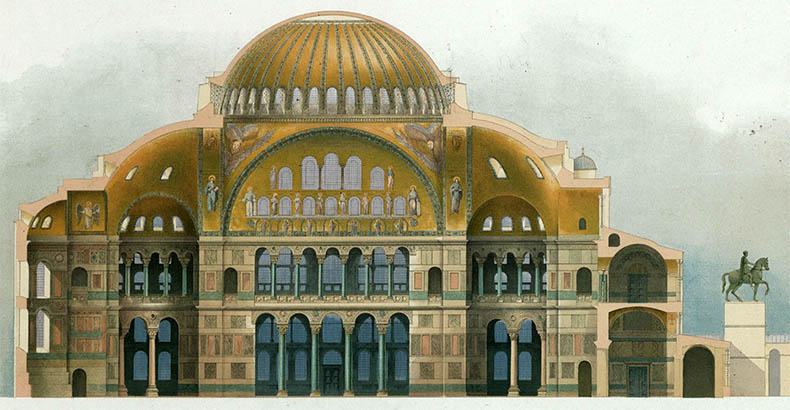
Iconic Haghia Sophia that stood the test of time was built by Justinian and Theodora. Their Imperial power is deeply felt even today.
The Secret History remained hidden for centuries, preserving the shocking image of Justinian and Theodora as a couple who wielded immense power without conscience. While their public legacy includes law codes, churches, and military campaigns, Procopius’ account reminds us that the glittering exterior of imperial life often concealed scandal, intrigue, and moral corruption.
In the end, the Byzantine Empire’s most famous couple were not merely rulers—they were masters of theater, deception, and ruthless ambition. Their story, preserved secretly by the historian who served them, continues to fascinate as the ultimate tale of power, scandal, and the dark side of royalty.
If you are a history lover, the book might be worth reading to realise that humans’ ferocious nature and lust for power have been with us for centuries, and that, in fact, there is nothing new under the sun!
If you want to have a feel of Procopius’ style of writing, consider watching this video prepared by Voices of the Past Channel. You will immediately realise his gossipy and dramatic style!