
‘Theodora, who started life in the gutter as an erotic dancer, would end up ruling with “wisdom’s lilies” woven through her crown.’ Bettany Hughes
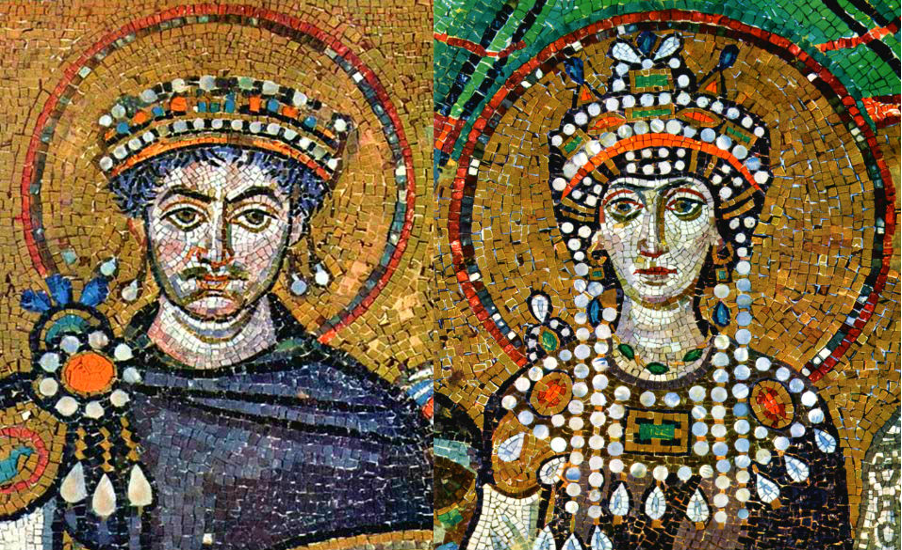
We owe Haghia Sophia that stands erect for a 1500 years after its construction to a love story between an emperor and his beloved. Their story dates back to 6th century AD. Justinanus was the emperor of the Eastern Roman Empire and the ruler that resided in Constantinople but who fell in love with a burlesque dancer which was something unimaginable at the time. It was an impossible union as Roman law did not allow a royal to marry an ordinary citizen. The woman the Emperor fell for was Theodora. His passion and love for her was so great that he changed Roman law to be able to marry her.
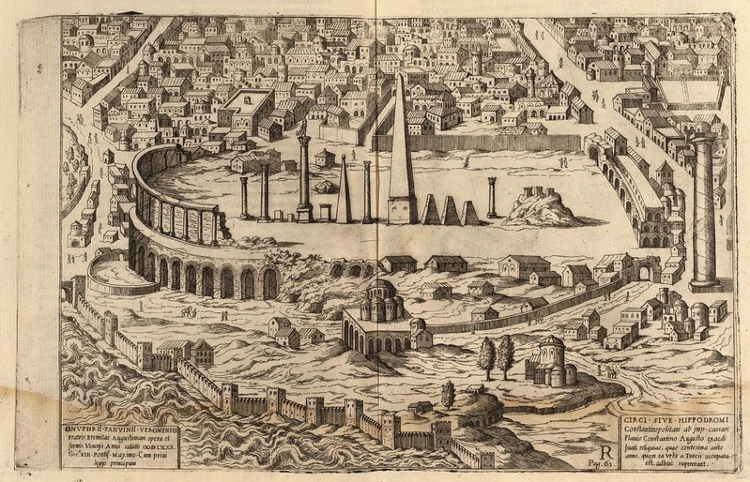
The legend says that the love Justinaus had for Theodora granted her personal and political powers that no other empress could imagine as women were second class citizens in the Roman Empire. She had such influence on the Emperor that she persuaded him who was ready to flee Constantinople after a riot of the masses protesting the rising taxes in 532. The masses filled with rage had burnt Hagia Sophia that was constructed in 330 along with public houses and was chanting ‘Nika!’ (victory). Theodora standing dignified in front of Justinianus declared that an Emperor must stay and fight for his city or die fighting for it. She even said that she can not imagine a better shroud than her royal purple gown. She was then able to persuade Justinaius to plot against the rioters. She had an insidious plan. The Emperor was going to invite the rioters for negotiation to the Hippodrome and have them slaughtered. And this was exactly what the Emperor did. Justinianus turned the Hippodrome right across from the burnt down Haghia Sophia into a blood bath and had thousands of rioters massacred. It is estimated that 30000 men, women and children were massacred on that day.
As a symbol of his victory, the Emperor decided to have Hagia Sophia rebuilt. But this time, it was going to be bigger and more spectacular and live for ever as a symbol of his power. Haghia Sophia was an unimaginable project at the time due to its scale and its architectural ambitions. 107 columns in Haghia Sophia Church were brought from antique cities that was then a part of the Roman Empire and on every column was a monogram of these two lovers that ruled the world as a symbol of their power. The church opened on december 27, 537 and was constructed only in six years.
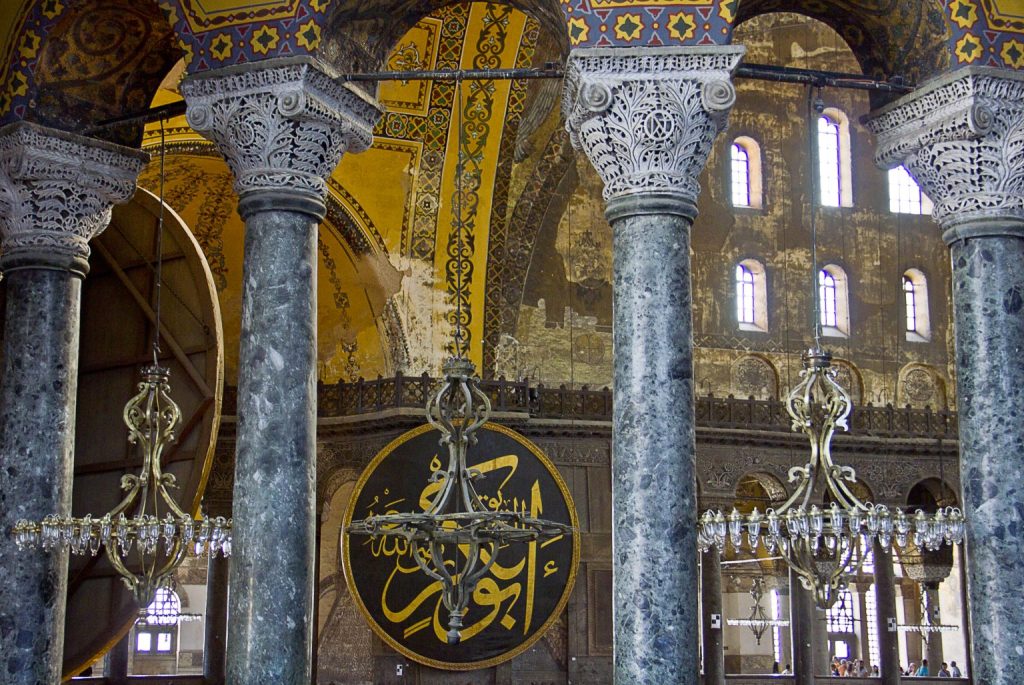
The legend says that Justinianus in the opening ceremony of the Church exclaimed: ‘O Solomon, I have surpassed thee!’ referring to the temple of Solomon and that he was able to surpass it in size and grandeur.

Theodora did not only change the course of history but also the fate of women in the Roman Empire. Knowing the challenges of poverty and the low status women had endure in the empire, she granted women the right to inheritance and forbid the sex trafficking of women. She turned the divorce law and custody in favour or women and declared that the sanction of rape is death.
Famous British historian Bettany Hughes says:
‘Soon after her coronation, Theodora incarnated the biblical understanding of wisdom as the ability to make sound judgments, and she legislated furiously – introducing safehouses for prostitutes, outlawing pimps, and introducing new penalties for rape. The Justinian code – the system of law she developed with Justinian, her husband and co-ruler – underpins much of European law.’
Theodora died only at the age of 51 and was buried in the Havarriyum Church in Constantinople. Justinaius never remarried for the remaining 17 years of his life and was buried next to his beloved Theodora on his journey into immortality.
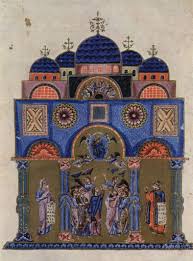
We owe Hagia Sophia which has become one of the icons of Istanbul to an Emperor who changed Roman law to unite with his lover Theodora, who in return was brave enough to stand next to her lover. Together, they remade history!